
The problem in crypto markets is rarely a lack of information. In fact, information is abundant, constant, and overwhelming. The real problem is understanding when information becomes structural and when it becomes narrative. Most participants believe they are early simply because they discovered a theme before it reached their immediate circle. In reality, by the time something feels compelling enough to discuss, capital has often already positioned and risk asymmetry has already compressed.
Narratives do not begin when they trend. They begin when data shifts.
Before decentralized finance became a cultural moment in 2020, before yield farming entered mainstream crypto vocabulary, something measurable was already changing beneath the surface. Liquidity was building. Capital was moving. Infrastructure was scaling quietly, without headlines.
Press enter or click to view image in full size
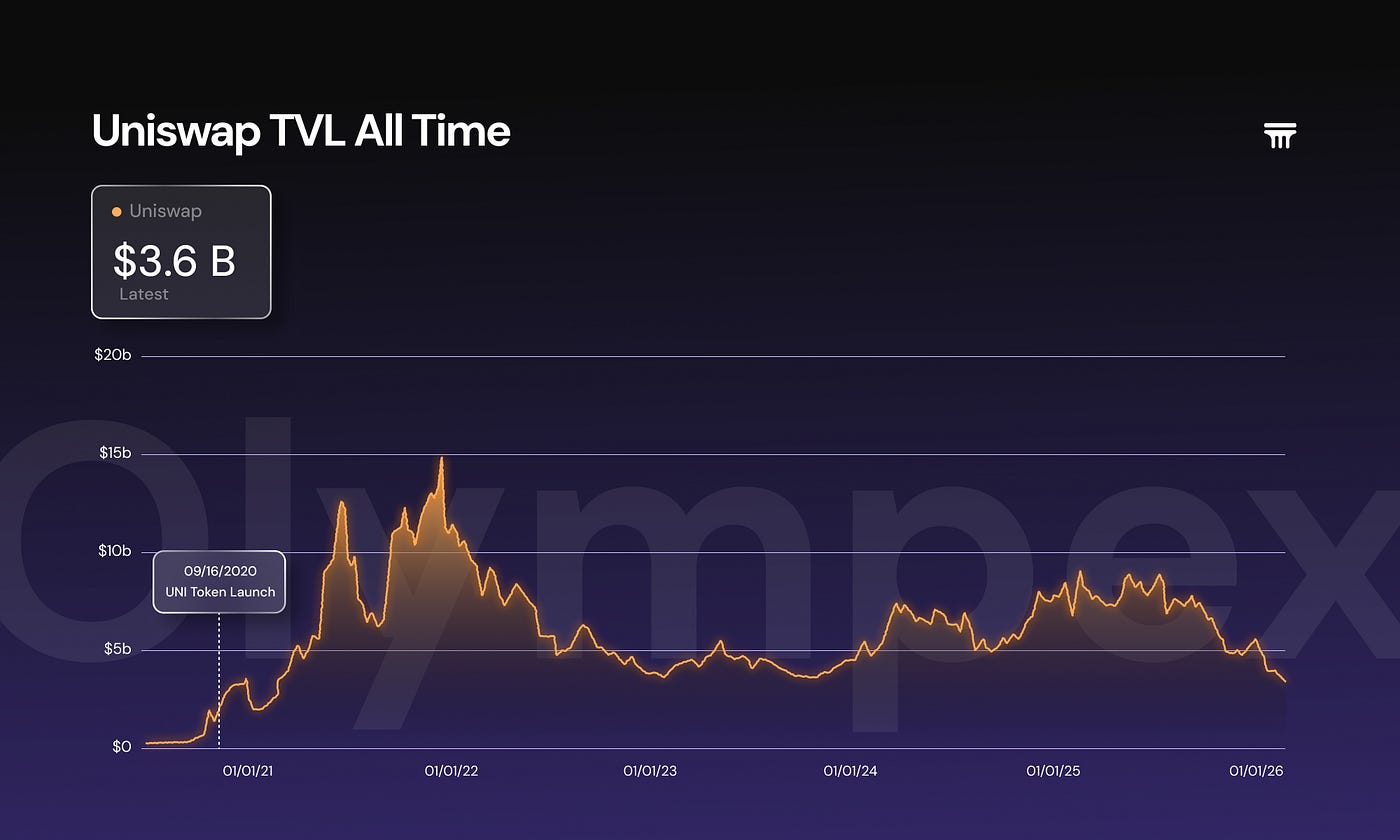
The Uniswap total value locked chart captures this transition clearly. Liquidity began expanding before widespread public enthusiasm emerged. The growth in TVL was not a reaction to narrative. It was the foundation that later allowed the narrative to exist. By the time the UNI token launched and retail attention accelerated, capital had already flowed into the ecosystem. The infrastructure was already in motion. The signal preceded the story.
This is the first stage of narrative formation. It is subtle and often invisible to those focused on price alone. Structural growth tends to appear first in metrics such as liquidity, usage, and capital allocation. Media coverage and social amplification typically arrive later. Most traders enter when the narrative feels validated, but validation is not the beginning of opportunity. It is often the middle.
As infrastructure strengthens, a second phase begins to emerge. Activity increases. Participation expands. The theme begins to demonstrate persistence rather than experimentation. This stage is not yet consensus, but it is no longer silent.
Arbitrum provides a useful illustration of this transition.
Press enter or click to view image in full size
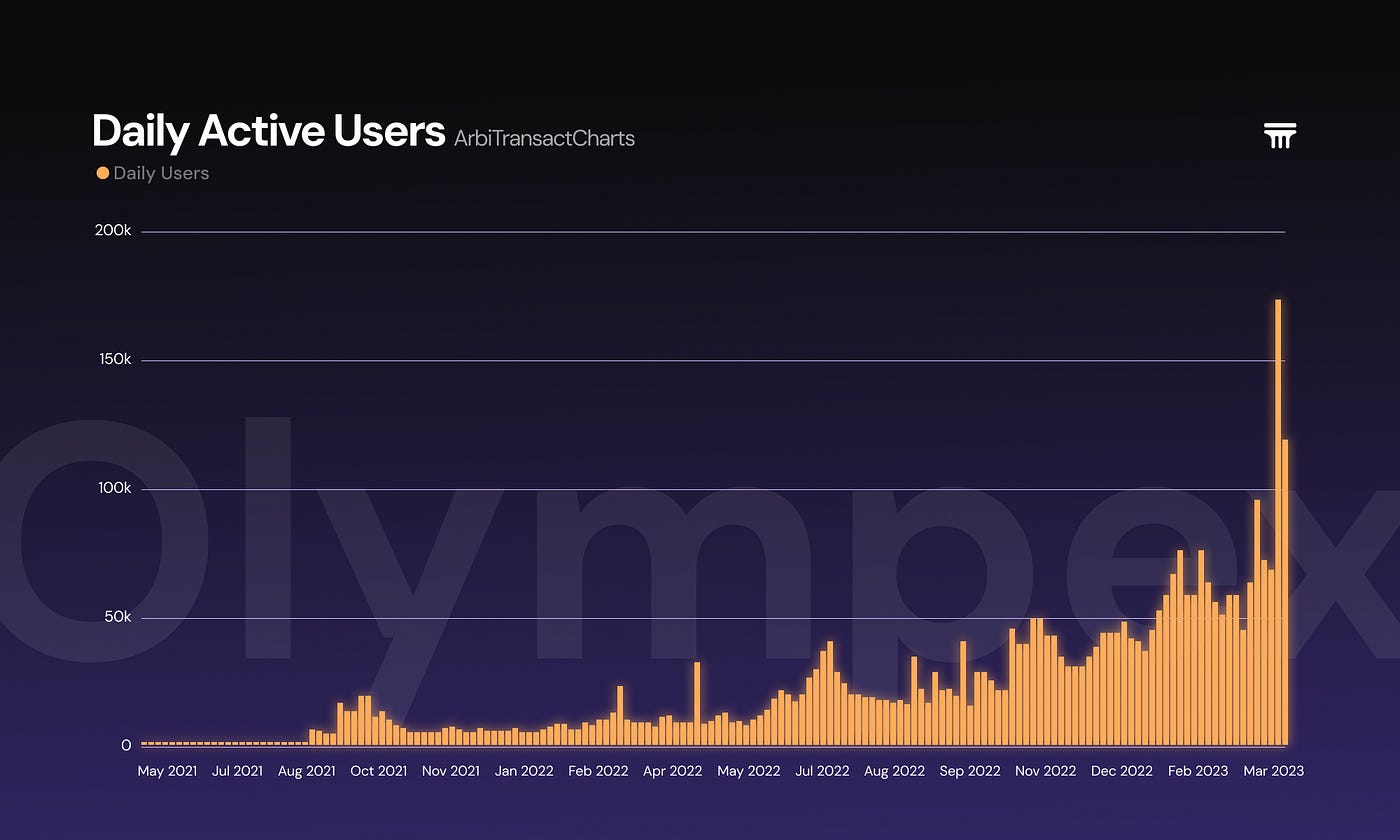
The rise in daily active users did not occur because the narrative was already dominant. The narrative strengthened because usage was growing. Activity preceded broad conviction. Metrics were signaling adoption before mainstream attention caught up. At this stage, more sophisticated participants begin allocating with greater confidence. They are not reacting to noise. They are responding to confirmation in the data.
Retail participation often enters during this phase under the assumption of being early. Yet what feels early emotionally is often structurally mid cycle. The difference between early signal and early consensus is rarely obvious in real time. It only becomes clear in retrospect when the most explosive upside has already passed.
The final stage of narrative formation is the one most visible and most dangerous. It is the stage of consensus. Consensus feels safe. It feels validated. It feels intelligent because so many others agree.
The NFT cycle illustrates this dynamic with unusual clarity.
Press enter or click to view image in full size
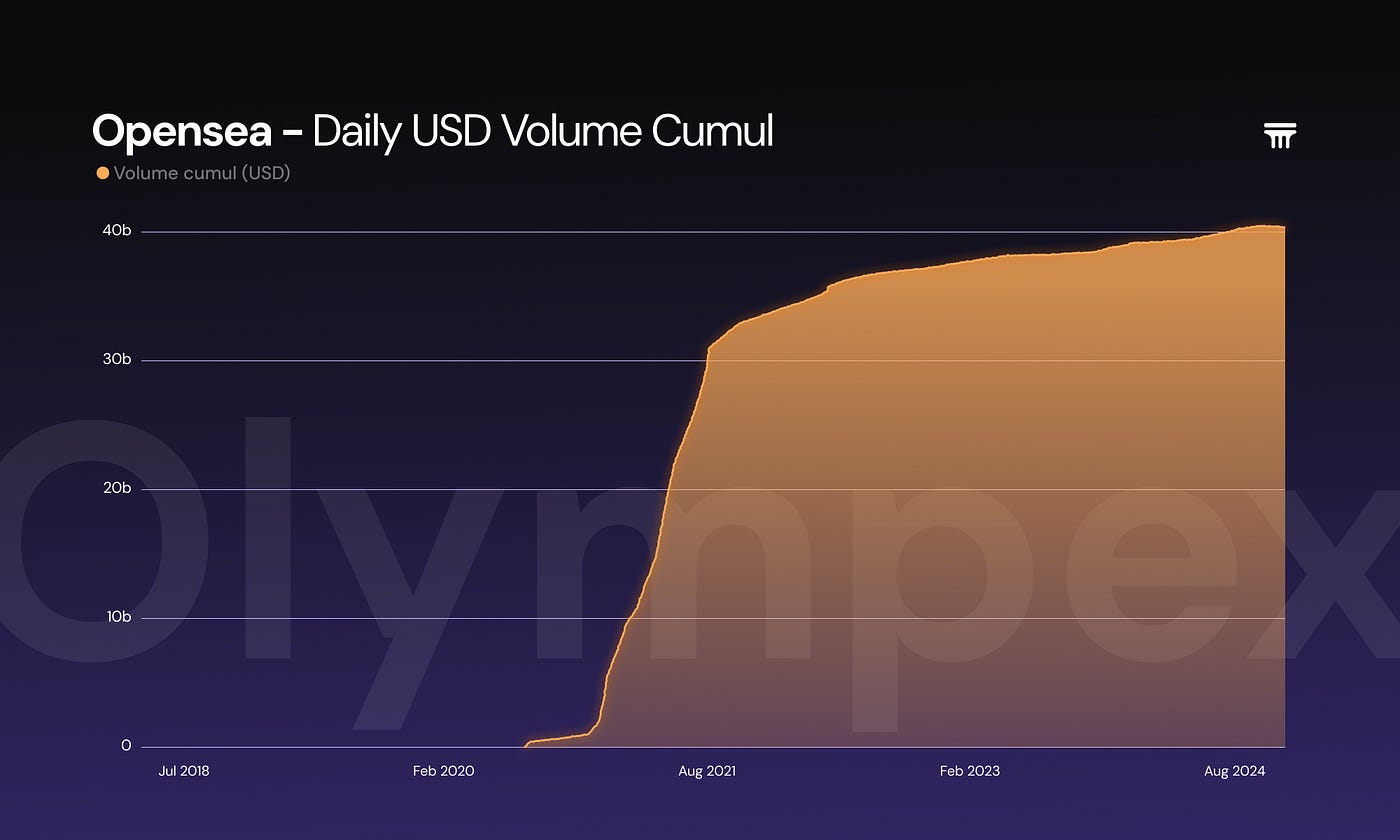
The acceleration in OpenSea volume did not begin after mainstream media attention. It began before it. Capital poured into the ecosystem while the broader market was still uncertain about what NFTs represented. By the time headlines, celebrity endorsements, and cultural saturation arrived, volume had already expanded dramatically. The narrative was no longer forming. It was maturing.
This is where most traders misunderstand the cycle.
They assume visibility creates opportunity. In reality, visibility often marks the late stage of opportunity. When everyone agrees, positioning is no longer asymmetric. Risk has compressed and volatility has expanded. What remains is participation, not edge.
If Uniswap showed how liquidity forms before narrative, and Arbitrum showed how usage confirms structural growth, NFTs demonstrated how consensus exhausts momentum. Each cycle follows a similar rhythm. First, infrastructure shifts quietly. Then metrics validate the shift. Finally, public agreement transforms the theme into something culturally dominant.
The market does not wait for clarity. It moves in anticipation of it.
This explains why the majority of participants consistently enter too late. They are waiting for emotional certainty. They want proof that the theme is real. But by the time proof is obvious, the structural repricing has already occurred.
Understanding this cycle is not about predicting which sector will dominate next. It is about recognizing the sequence of narrative formation and placing yourself earlier in that sequence. The advantage is not informational. It is temporal.
If this idea resonates, it connects directly with the structural execution concepts discussed in our piece on liquidity sweeps and staggered positioning. In that article, we explored why buying at obvious support often means participating in noise rather than positioning beneath it. Narrative timing and liquidity positioning are different expressions of the same principle. Markets reward those who act before consensus feels comfortable.
It also relates to the broader macro context discussed in our article on structured entries during bear markets. There we examined how impatience disguises itself as conviction and how disciplined positioning below obvious levels changes risk dynamics entirely. Narrative formation operates under similar psychological pressure. The temptation to act when something feels validated is powerful, but validation is rarely the beginning.
The mental shift required is subtle but transformative. Instead of asking whether a theme is trending, ask whether infrastructure is expanding. Instead of looking for social confirmation, observe capital allocation. Instead of reacting to headlines, track usage growth. Signal is almost always quieter than consensus.
This is the difference between participating in a move and positioning before it becomes obvious.
Markets will continue to create narratives. Artificial intelligence, layer twos, real world assets, and future categories that do not yet have names will all pass through the same structural sequence. Liquidity will accumulate. Activity will rise. Consensus will follow. The order rarely changes.
We continue to analyze these structural shifts and narrative cycles in real time inside the Olympex community. If you want to follow how liquidity, usage, and capital flows evolve before themes become mainstream, join the Olympex Telegram community where these discussions unfold continuously.
Understanding when narratives form is not about being smarter than the market. It is about being earlier than the crowd.





