
For a long time, access to financial markets followed a very clear structure. Each asset class lived in its own environment, with its own rules, intermediaries and barriers. Investors adapted to that structure because there was no real alternative.
What has changed in recent years is not just the number of available assets, but the way those assets can be accessed, moved and managed.
This shift is not theoretical. It is already happening.
Press enter or click to view image in full size
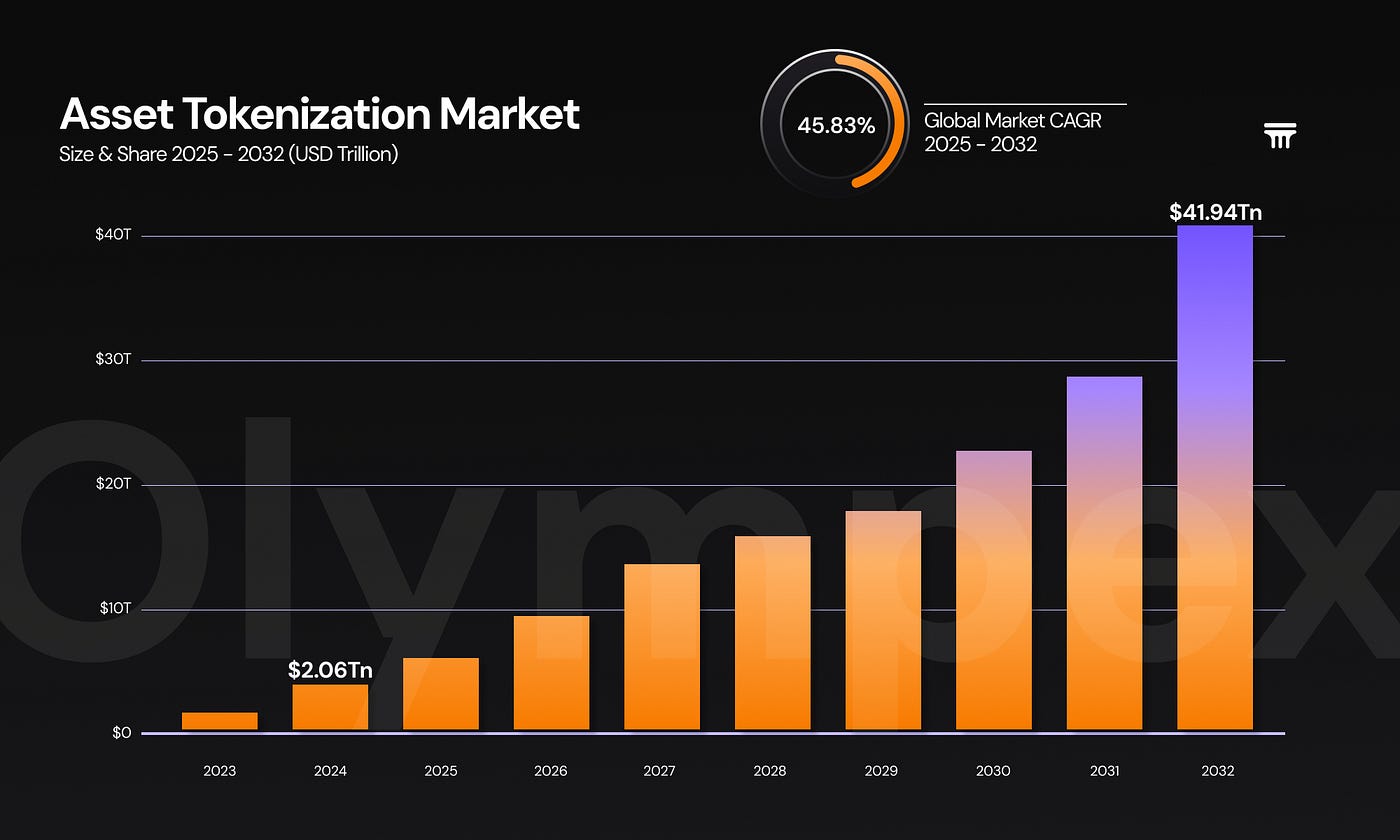
One of the clearest signals of this transition is the growth of tokenized assets. What used to exist only within traditional financial systems is now beginning to move onto blockchain infrastructure.
Equities, bonds and other real world assets are gradually being represented in a new format. Not because the underlying assets have changed, but because the way they are accessed is evolving. The significance of this shift is often underestimated. Tokenization is not just a technical upgrade. It changes how assets can be transferred, combined and integrated within a portfolio.
It reduces friction. It removes layers. It creates interoperability between asset classes that previously operated in isolation.
Users Are Following the Shift
Press enter or click to view image in full size
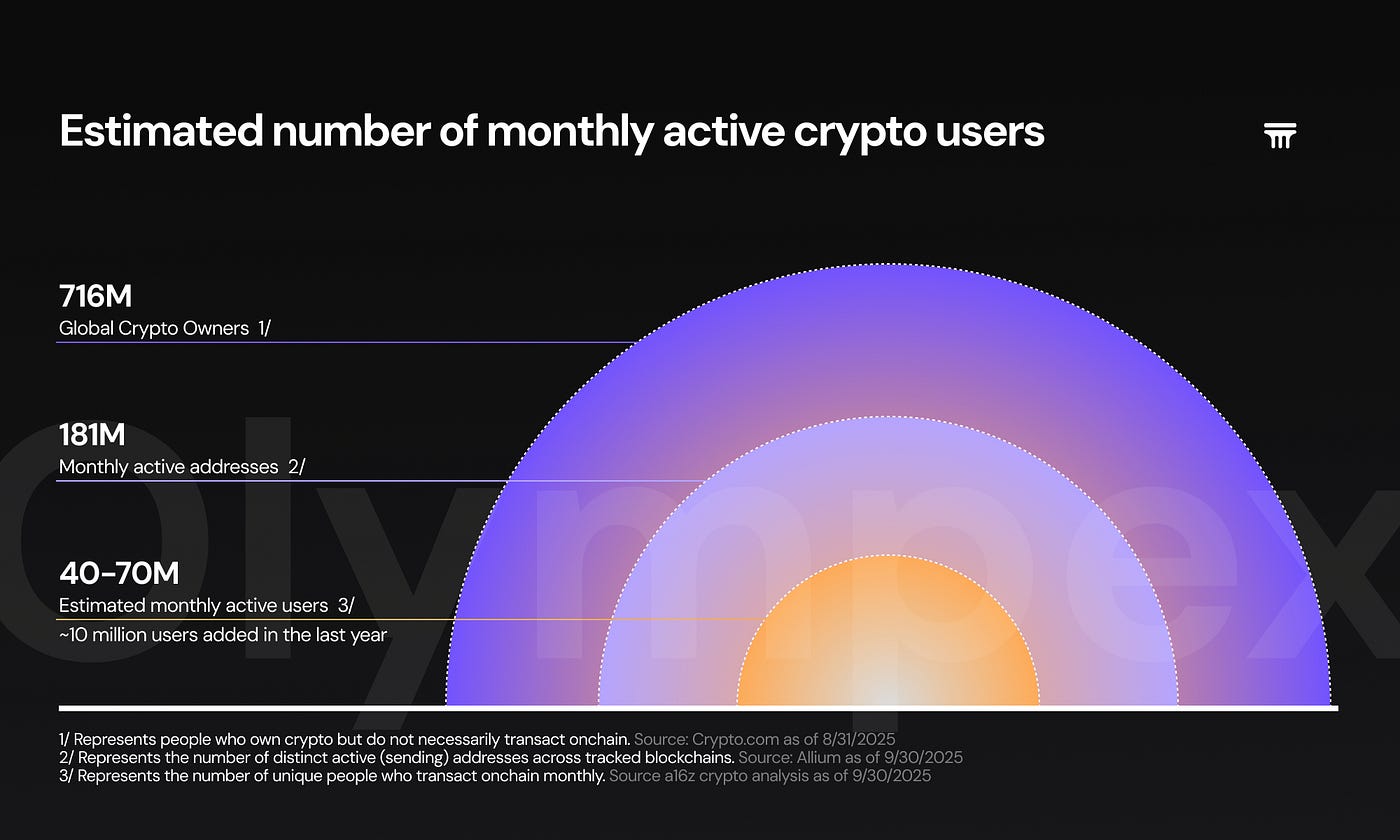
At the same time, the number of people interacting with this new infrastructure continues to grow. What began as a niche ecosystem has expanded into a global user base that is steadily increasing.
This growth is not only about speculation or early adoption. It reflects a broader change in how individuals access financial tools. Wallets are becoming entry points. On chain activity is becoming more common. Participation is no longer limited to a small group of technically advanced users.
The system is opening, and as access expands, so does the range of strategies that investors can realistically execute.
Capital Is Already There
Press enter or click to view image in full size
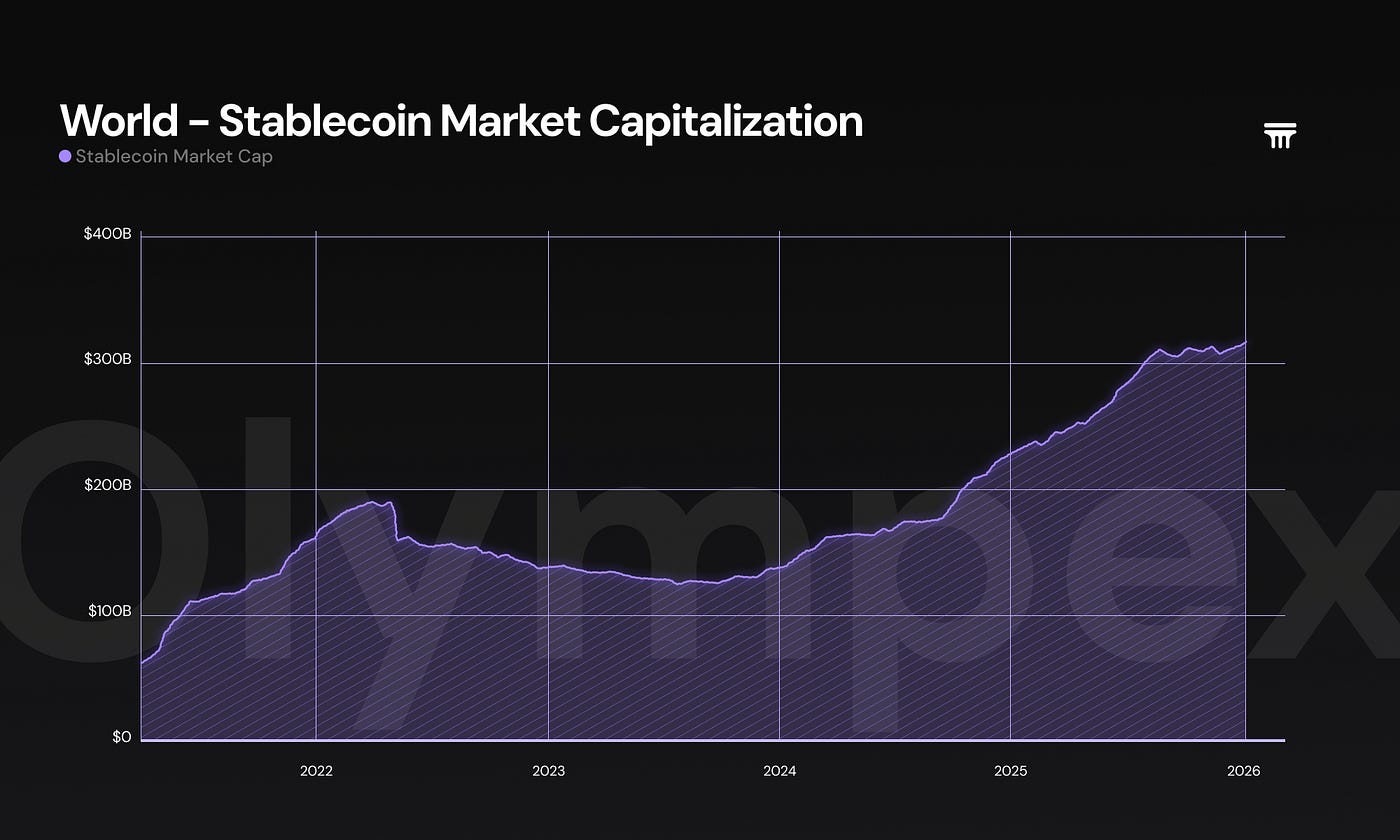
Perhaps the most important signal is not the growth of assets or users, but the movement of capital itself.
Stablecoins have become one of the clearest indicators of this shift. Their growth reflects a simple reality. Capital is already operating within this new infrastructure, even if many investors still perceive it as something separate from traditional finance.
Stablecoins act as liquidity, as collateral and as a bridge between systems. They allow capital to move efficiently without the constraints typically found in legacy structures.
This is not a future scenario. It is current behavior.
What This Changes for Investors
When assets, users and capital begin to converge within the same infrastructure, the implications for portfolio construction become significant. The limitations described earlier are no longer structural necessities. They become optional constraints.
Investors are no longer forced to manage multiple platforms for different asset classes. They are no longer restricted by slow settlement processes or fragmented access points. They can begin to think in terms of allocation and strategy rather than logistics.
This does not eliminate risk or complexity, but it changes where that complexity exists. It moves it away from infrastructure and back into decision making, where it belongs.
A Different Kind of Flexibility
The most important advantage of this shift is not speed or convenience. It is flexibility.
The ability to move between assets, to adjust exposure and to respond to changing conditions without unnecessary friction fundamentally changes how portfolios can be managed.
In a market where leadership rotates, where liquidity cycles matter and where opportunities are distributed across different asset classes, flexibility is no longer a secondary feature.
It becomes a core requirement.
The Transition Is Already Underway
This is not a prediction about what might happen in the future. It is a description of what is already happening now.
Assets are being tokenized. Users are entering the system. Capital is moving on chain. The infrastructure is evolving, and with it, the way investors interact with markets.
Those who recognize this shift early will not necessarily predict the market better, but they will operate within a structure that allows them to adapt more effectively.
And in the current environment, that difference matters.
Stay Ahead
If you want to understand how to navigate this shift, manage capital across different asset classes and build portfolios that can actually adapt, join our Telegram.
Stay informed. Stay adaptable.





