
For decades, investing in valuable real-world assets such as real estate, fine art, commodities, or private equity was something only large investors or specialized institutions could access. Most people simply did not have the capital or the connections to participate. That dynamic is changing quickly. Asset tokenization, one of the most disruptive uses of blockchain technology, is reshaping how people invest and who gets access. By converting ownership rights into digital tokens recorded on a blockchain, this new model allows investors to buy small fractions of assets that were once out of reach. The result is a financial system that is more open, more liquid, and far more efficient.
Tokenization is not just modernizing old markets. It is creating entirely new opportunities for investors who want smarter, more flexible ways to grow their money. Liquidity improves. Transparency increases. Barriers fall. The financial world is shifting from closed and slow to open and instant.
What Asset Tokenization Really Means and How It Works
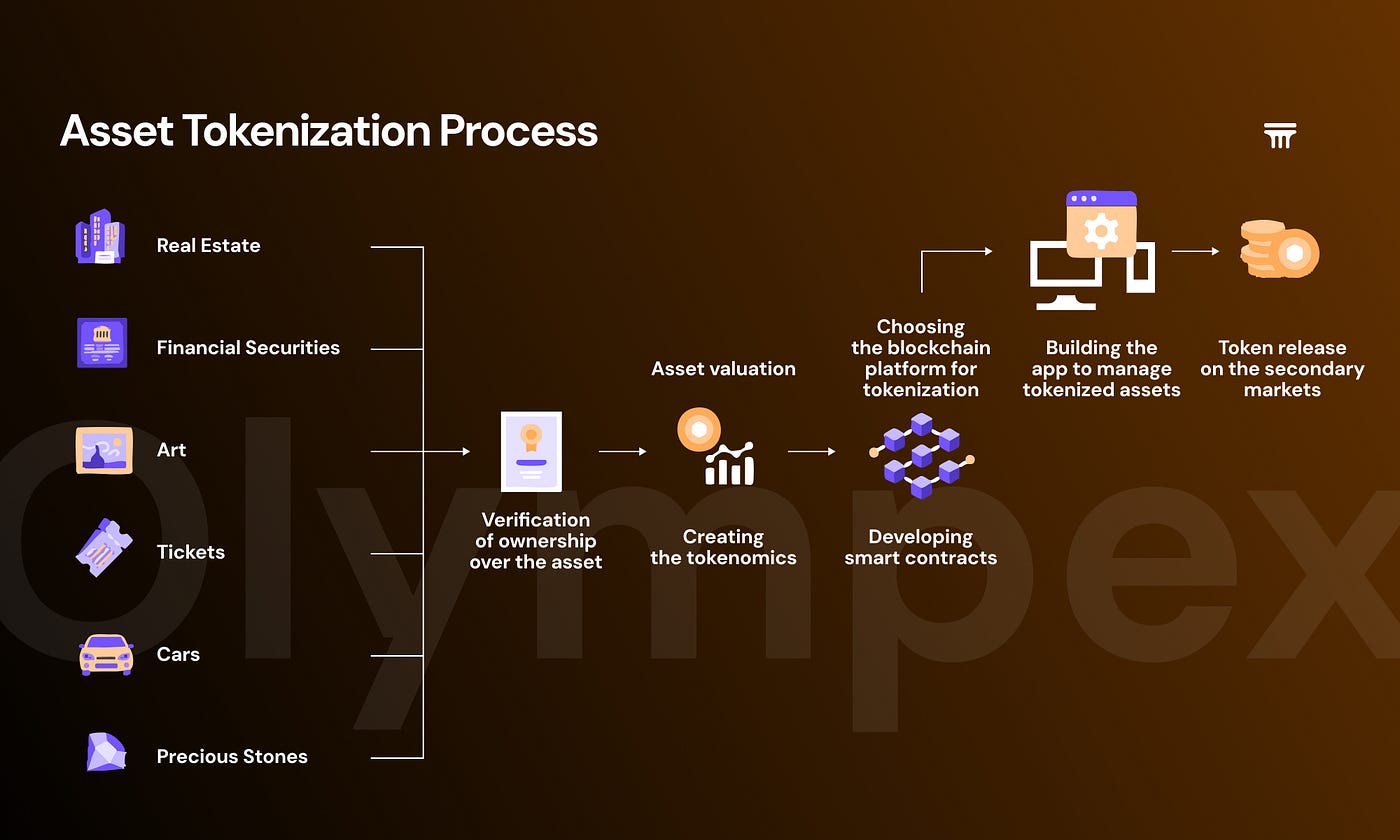
Asset tokenization is the process of taking a real-world asset and issuing digital tokens that represent shares of it. Each token corresponds to a portion of the asset just like owning a percentage of a company through stock. The difference is that tokenized ownership moves at the speed of blockchain settlement. Transfers are instant. Records are public and verifiable. Administrative tasks are automated through smart contracts.
Behind this simplicity lies a blend of legal, technical, and financial engineering. An asset is placed into a regulated structure that defines ownership rights, and tokens are then issued to represent those rights. The blockchain becomes the ledger that tracks every movement of these tokens with full transparency.
Press enter or click to view image in full size
What Can Be Tokenized
The short answer is almost anything. Real estate remains one of the most popular categories because tokenization allows investors from anywhere in the world to buy fractions of properties. Art is another expanding category because tokenization makes it possible to invest in high-value works without needing millions. Commodities such as gold or oil are being tokenized to simplify settlement and unlock global liquidity.
More innovative sectors are also emerging. Music royalties, startup equity, carbon credits, revenue streams, and even luxury collectibles are beginning to appear on-chain. As technology and regulation evolve, the set of tokenizable assets will continue to expand.
Press enter or click to view image in full size
Why Tokenized Assets Are Attractive to Investors
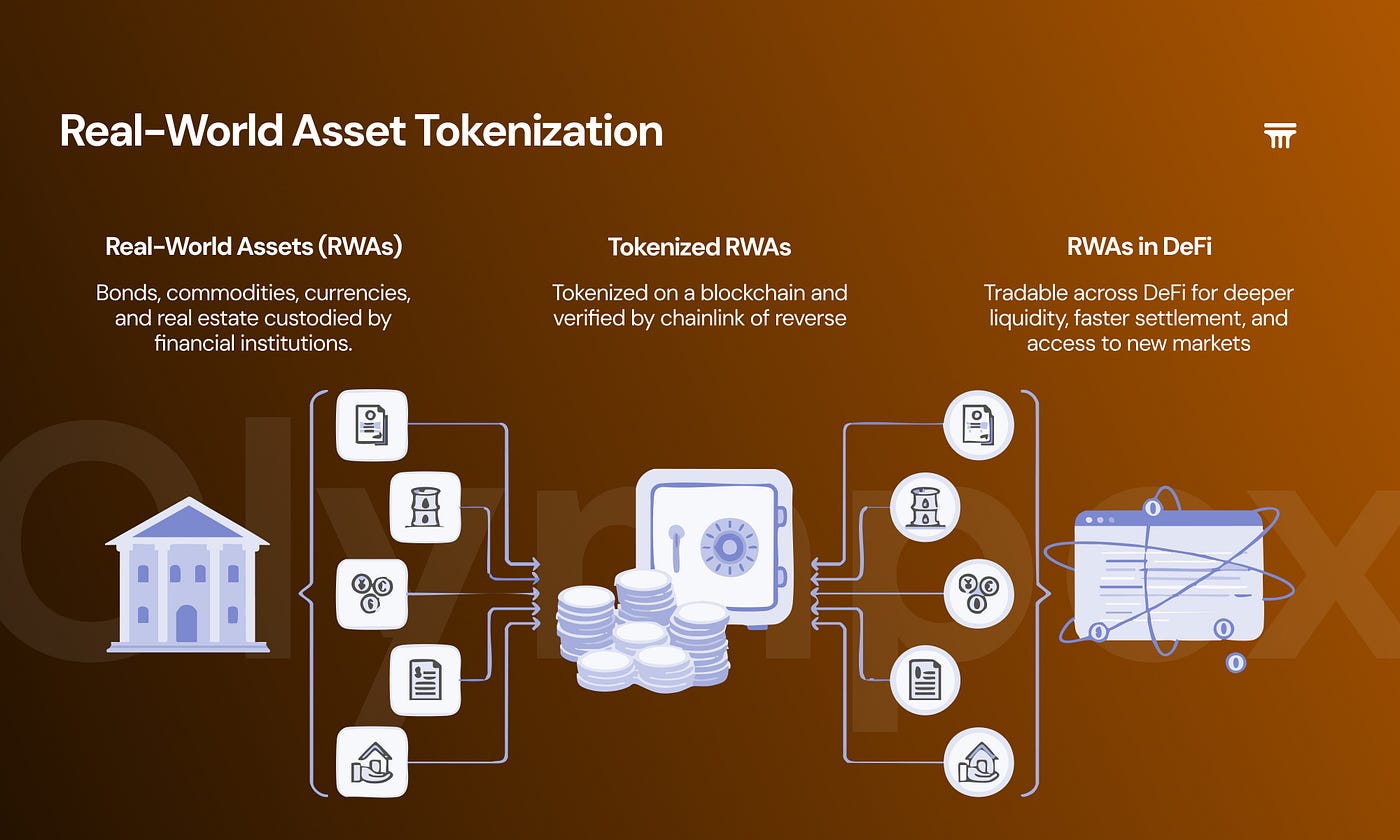
Tokenization fundamentally changes the investment experience. High-value assets can now be divided into affordable pieces, which makes them accessible to a much broader audience. Liquidity improves as these tokens can be traded at any time rather than being tied up in long-term investments. Transparency increases because the blockchain records every transaction publicly.
Smart contracts replace many administrative processes which reduces operating costs and eliminates many of the risks of human error. Tokenized assets combine the security of traditional ownership with the flexibility and efficiency of digital systems.
Press enter or click to view image in full size
How Blockchain Ensures Security, Liquidity, and Trust
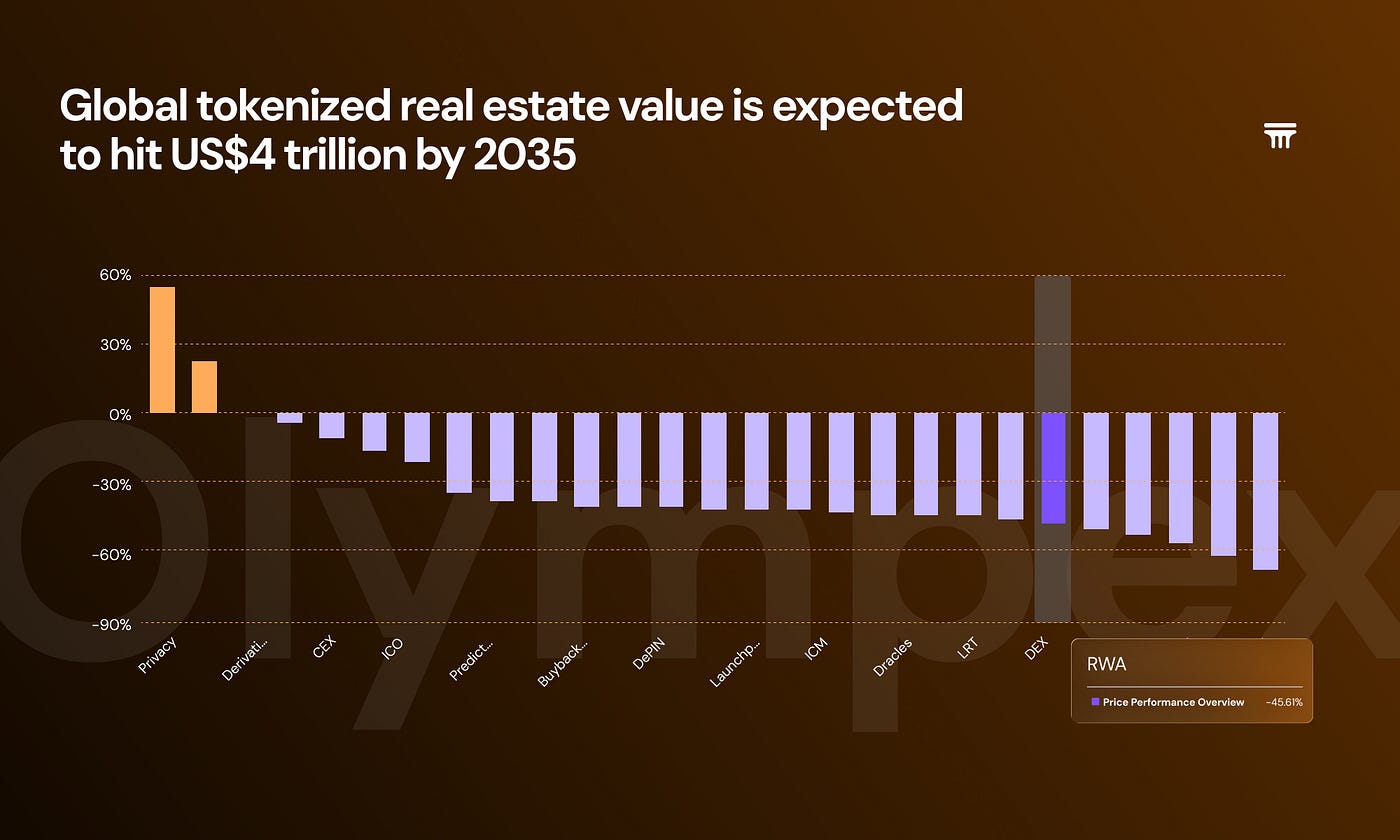
Blockchain technology is the foundation that makes tokenization possible. Smart contracts manage ownership, distribute returns, and automate transfers. Settlement happens instantly. Every transaction becomes part of an immutable public ledger that anyone can audit. This creates a new form of trust based not on institutions but on verifiable code. Liquidity pools and digital marketplaces make it easy to buy or sell tokens at any time. That flexibility is something traditional asset markets have never been able to offer.
Risks and Legal Considerations for Investors
Tokenization offers tremendous potential, but it operates at the intersection of technology and regulation. Different jurisdictions have different rules regarding how tokenized assets are classified. Legal structures can vary significantly depending on how rights are represented. Liquidity may also depend on the specific market or platform.
Investors must perform proper due diligence. They should understand how the underlying asset is stored, who controls the issuing mechanism, what rights token holders receive, and how redemptions or payouts work. Regulation is improving globally, but it is still evolving.
How to Start Investing in Tokenized Assets
Getting started is easier than ever. Most investors begin by selecting a regulated platform that specializes in tokenized real estate, commodities, or fixed-income products. After completing identity verification and funding the account, they can explore available assets and purchase tokenized shares.
Tokens can often be traded or transferred, and in some cases used within DeFi platforms depending on the regulatory limits. The process resembles buying traditional securities, but with the flexibility and transparency that blockchain provides.
Success Stories That Show Tokenization Works
Real-world success stories are appearing across multiple sectors. Tokenized United States Treasuries have attracted billions in deposits because they offer competitive yields combined with blockchain efficiency. Real estate platforms have fractionalized properties in major global cities allowing investors from different regions to co-own assets that were once inaccessible. Art tokenization has enabled groups of collectors to invest in pieces worth millions and share potential upside.
These examples illustrate that tokenization is not just a concept. It is a functioning, profitable part of modern financial markets.
The Future of Investing Through Tokenization
The next phase of tokenization will merge traditional and decentralized finance even more closely. Portfolios may combine tokenized real estate, digital bonds, algorithmic funds, and on-chain equities. Secondary markets will expand and liquidity will increase as more assets come online. Eventually, most assets will be digitized and accessible on-chain. At that point, tokenization will not feel like a novel idea. It will be the standard.
Investors who understand this shift early will be positioned at the forefront of a financial system that is faster, fairer, and far more global than anything we have today.
Asset tokenization is no longer a concept reserved for institutions, it’s becoming a practical tool for everyday investors who want smarter access to real-world value.
If you want to understand how tokenized assets, DeFi infrastructure, and transparent on-chain execution come together in practice, explore how Olympex is building the rails for the next generation of investing.
Start exploring the future of tokenized finance with Olympex.





