
If you’ve been in the crypto world for a while, the names Ripple (XRP) and Stellar (XLM) will sound familiar. These two market giants were key players during the 2017 bull run and still held some relevance in the 2021 bull market, though less than other cryptocurrencies like Solana or the popular meme tokens. However, both have recently seen a significant price increase, suggesting they still have a lot of life left. Why are XRP and XLM making a comeback? Let’s explore.
🚀 Catalysts Behind the Recent Surge of XRP and XLM
Two main factors have contributed to the recent price surge of these cryptocurrencies:
1. Change in the Regulatory Landscape in the U.S.
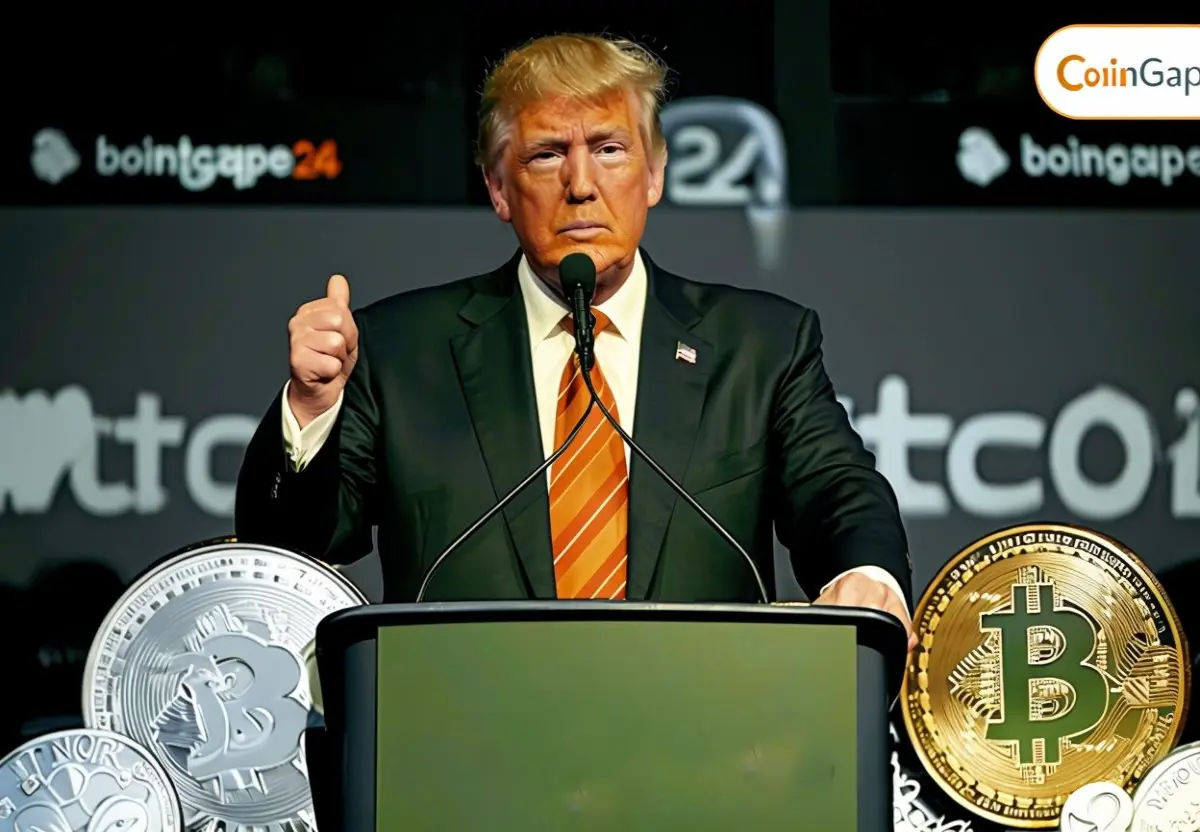
The possibility of a more crypto-friendly U.S. administration has revitalized interest in XRP. With Ripple Labs’ partial legal victory against the SEC in 2023 (where a court ruled that secondary sales of XRP are not securities), many regulatory uncertainties have been cleared. The expectation of an XRP ETF is becoming increasingly plausible, which could further boost adoption.
2. Return of Retail Investors
With the onset of a potential parabolic phase in the bull market, many retail investors are reactivating their accounts and buying cryptocurrencies they are familiar with. XRP and XLM, which were popular in 2017 and 2021, are among their top choices.
🔍 What Are XRP and XLM, and What Is Their Purpose?
Although they have similar roots and goals, there are key differences between XRP and XLM:
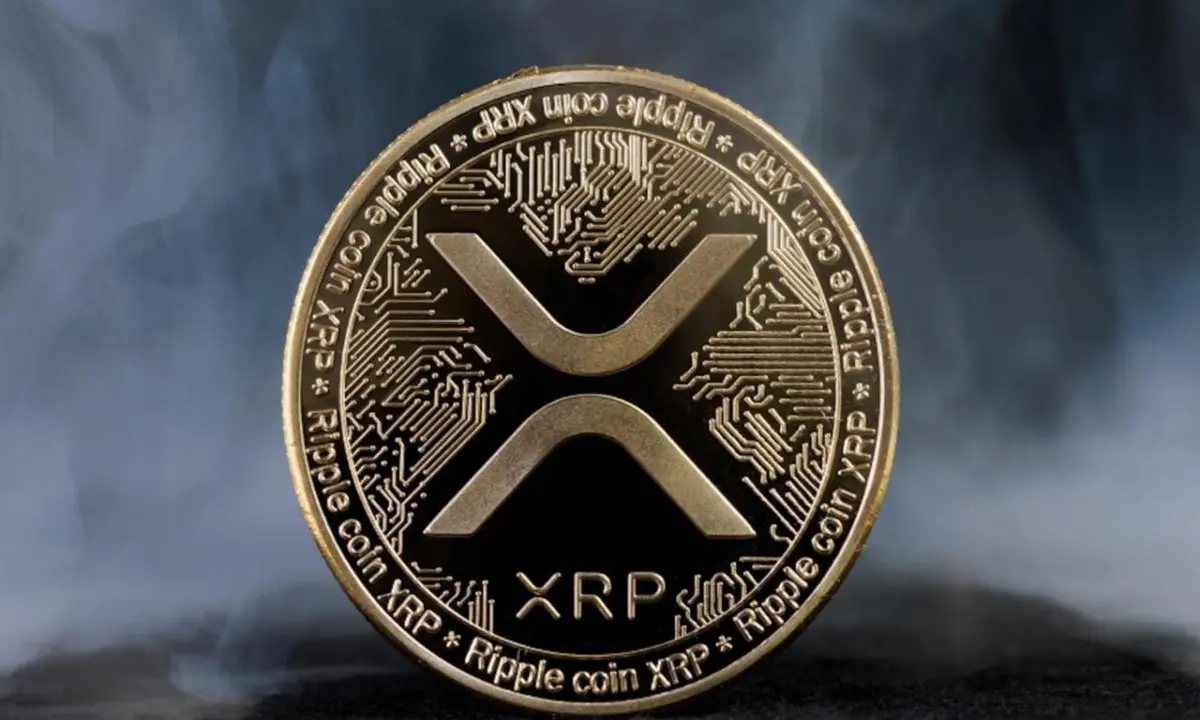
Ripple (XRP)
Launch: 2012
Focus: Facilitating cross-border payments for financial institutions and replacing the outdated SWIFT system.
Token: XRP (total supply of 100 billion, with 48 billion held in Ripple’s custody).
Development: Led by Ripple Labs, a for-profit company.
Innovation: Upcoming launch of the RLUSD stablecoin, which could transform the XRP Ledger and increase adoption.

Stellar (XLM)
Launch: 2014
Focus: Facilitating cross-border payments for small businesses and individuals.
Token: XLM (total supply reduced to 50 billion after a token burn in 2019).
Development: Managed by the Stellar Development Foundation, a non-profit organization.
Both projects comply with the ISO 20022 standard, making integration with traditional payment systems easier.
📊 XRP vs. XLM Comparison
Focus:
XRP: Large institutions.
XLM: Small businesses and individuals.
Organization:
XRP: Ripple Labs (for-profit).
XLM: Stellar Foundation (non-profit).
Total Supply:
XRP: 100 billion (48 billion in custody).
XLM: 50 billion.
Regulation:
XRP: Greater scrutiny (partial victory vs SEC).
XLM: Fewer legal conflicts.
Recent Innovation:
XRP: RLUSD stablecoin.
XLM: Focus on direct payments.
📈 Outlook for XRP and XLM
XRP: The potential launch of RLUSD and the expectation of an ETF position it as a solid long-term investment.
XLM: While it lacks the institutional backing of XRP, its focus on individual users and small businesses provides clear utility in the cross-border payments space.
Both projects demonstrate that there is still demand for cryptocurrencies with real-world use cases, not just for meme coins.
As regulatory issues fade and the bull market gains momentum, XRP and XLM are reminding investors of their core purpose: improving global payments. If you’re looking for cryptocurrencies with clear utility and long-term potential, these two crypto veterans deserve your attention.
Are you Team XRP or Team XLM? Share your opinion in the comments!
🔗 Take Advantage of Exclusive Promotions
If you’re ready to invest in these cryptocurrencies, platforms like Binance offer a $100 fee voucher. Don’t miss the opportunity!





