
Volatility surges across major crypto assets as new narratives around yield and privacy gain traction.
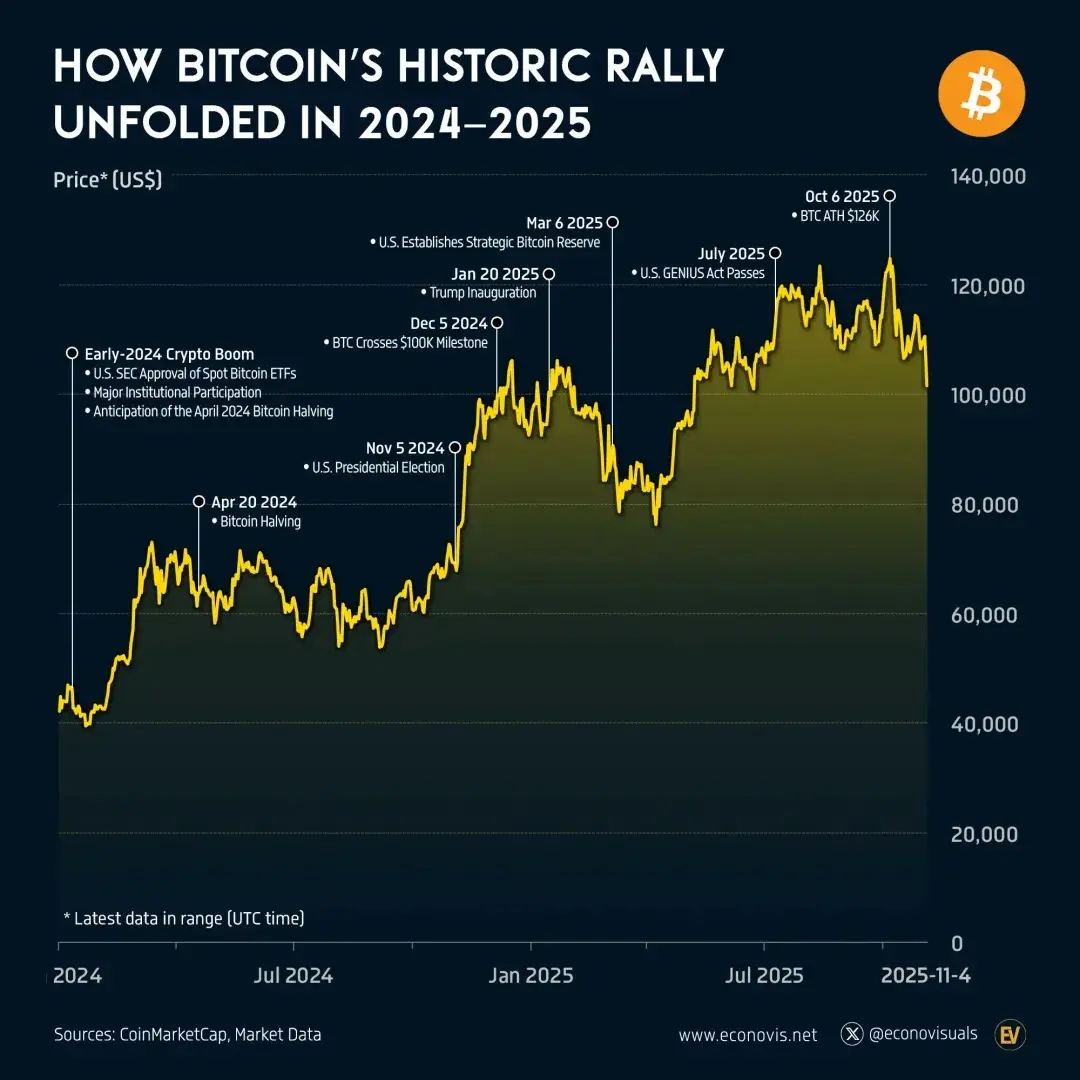
The cryptocurrency market has entered one of its sharpest reversals in recent memory. Since early October, more than $1 trillion in market value has evaporated, erasing the bulk of 2025’s hard-earned gains. According to data from Coinglass, the carnage intensified over the past 24 hours alone, with approximately $1.38 billion in long positions liquidated and more than 440,000 traders finding themselves underwater. For an asset class often described as volatile, the scale and speed of this drawdown have reignited conversations about the structural fragility of digital asset markets—and where investors might look next.
The current downturn reflects a complex mix of macroeconomic and sector-specific forces. Rising global yields, ambiguous tone from central banks, and the ongoing withdrawal of liquidity from risk assets have all pressured speculative markets. Bitcoin (BTC) and Ether (ETH), traditionally viewed as the market’s bellwethers, have led the decline. The two largest cryptocurrencies saw their exchange-traded funds (ETFs) suffer nearly $800 million in combined outflows this week, signaling growing investor unease and a possible shift toward defensive positioning.
Yet, amid the broader sell-off, a few bright spots have emerged. Solana (SOL) ETFs have continued to attract capital inflows for six consecutive days, defying the bearish trend. Analysts describe this phenomenon as a rotation driven by what some call “curious capital”—investors seeking higher yields and exposure to next-generation blockchain projects while major coins stagnate. Solana’s improving developer ecosystem, coupled with its expanding footprint in decentralized finance (DeFi) and consumer-facing applications, appears to be cushioning it from the broader market turmoil.
Another unexpected winner is ZCash (ZEC), the long-standing privacy-focused cryptocurrency. ZEC has surged over 59% in the past week alone, reaching $523, despite the heavy correction across the broader market. Analysts point to two key factors driving this move. First, renewed interest in privacy technologies amid looming 2026 financial transparency regulations has made anonymity-centric cryptocurrencies increasingly appealing. Second, the broader narrative of decentralization is once again gaining traction as investors grow wary of regulatory overreach in centralized exchanges and custodial services.
This divergence in performance underscores a subtle but important shift in market psychology. While the speculative fervor that fueled the last rally has clearly cooled, investors are now differentiating between short-term hype and long-term utility. Tokens and ecosystems demonstrating strong technological foundations or unique regulatory positioning are proving more resilient than the broader market suggests. Still, the recent liquidations highlight just how fragile sentiment remains. With liquidity tightening and leverage unwinding, crypto markets could remain turbulent in the near term. However, as history has shown, volatility often breeds innovation—and selective opportunity.
For now, the message is clear: the age of indiscriminate gains is over. In its place, a more mature, utility-driven era of digital assets may finally be taking shape.





