In my previous journal, we explored how Bitcoin acts like a revolutionary form of digital money, helping us escape the limits of central banks. But as a ride-hailing driver, I don't just use money every day; I live inside a highly complex digital ecosystem. I open my application, and an algorithm instantly calculates my route, matches me with a customer, and manages the payment.
This made me wonder: Can blockchain technology do more than just send payments? Can it run entire automated systems like the apps I use on the road?
Today, while waiting for the morning rush hour to cool down, I dived into my BitDegree dashboard to study the second-largest giant in crypto: Ethereum. If Bitcoin is digital cash, Ethereum is the entire smartphone app ecosystem. Let's look at the mechanics of Ethereum from the perspective of the asphalt.
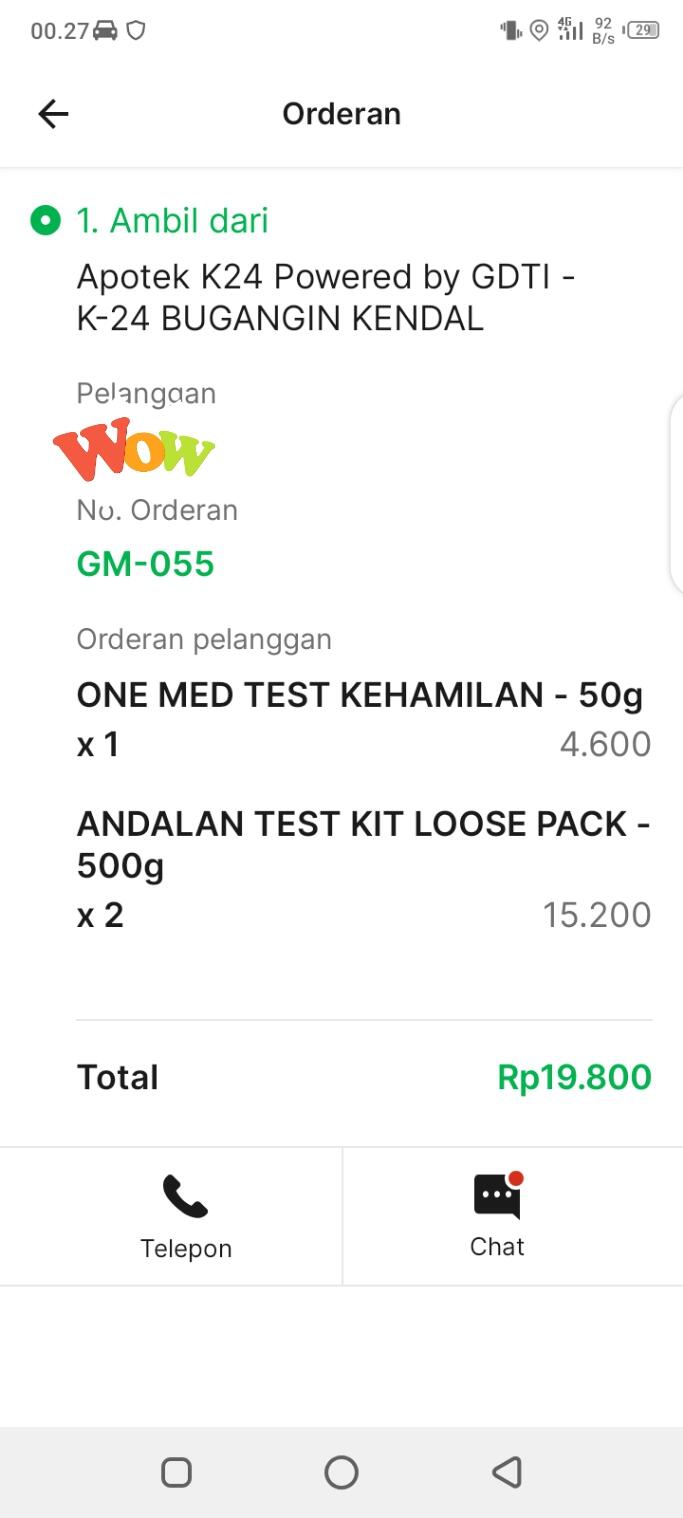
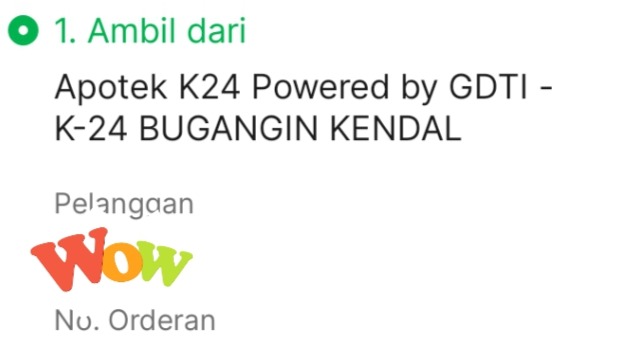
"A real-life automated logic on my driver app: If a customer orders from Apotek K24 Kendal, the system automatically dispatches the job to my phone. This is exactly how Smart Contracts run on Ethereum."
What is Ethereum?
Ethereum is a decentralized blockchain platform that enables smart contracts and decentralized applications (dApps). Unlike Bitcoin, which primarily functions as digital money, Ethereum provides a programmable environment for developers to create and deploy applications without relying on a central authority.
How Ethereum Works
Ethereum operates on a distributed network of computers, known as nodes, that maintain the blockchain. The network is powered by a global system of smart contracts—self-executing programs that automatically run when predetermined conditions are met.
Key components of Ethereum include:
- Smart Contracts: Self-executing agreements written in code.
- dApps (Decentralized Applications): Applications built on Ethereum’s blockchain.
- Ether (ETH): The native cryptocurrency used for transactions and computational fees.
The Ojol Perspective on Smart Contracts:
Look closely at my order screenshot above. The code behind the application has a strict, automated logic: IF a customer places an order for a test kit at Apotek K24 Bugangin Kendal, AND IF I am the closest active driver, THEN the system automatically pushes that order directly to my phone screen.
No office staff needs to manually read the order and call me to take the job. It happens instantly based on data. In Ethereum, a Smart Contract does exactly this. It cuts out the middleman and executes agreements automatically as soon as the conditions are met.
Ethereum vs. Bitcoin: What’s the Difference?
To see how these two giants differ, let's look at this quick structural breakdown:
Feature
Ethereum
Bitcoin
Purpose
Smart contracts & dApps
Digital money & store of value
Consensus Mechanism
Proof of Stake (PoS)
Proof of Work (PoW)
Transaction Speed
Faster
Slower
Flexibility
Highly flexible, programmable
Limited to transactions
The Ojol Perspective on Bitcoin vs. Ethereum:
To put it simply, Bitcoin is like the cash or digital balance inside your digital wallet. Its main job is to hold value and be transferred from one person to another. On the other hand, Ethereum is like the entire Grab Super App platform. Inside Ethereum, you don't just have a currency (Ether), but you can build food delivery systems, courier services, and ride-hailing rules that run completely on autopilot.
Ethereum’s Transition to Proof of Stake (PoS)
Initially, Ethereum used the same Proof of Work (PoW) consensus as Bitcoin. However, with the Ethereum 2.0 upgrade, it transitioned to Proof of Stake (PoS), which improves efficiency, reduces energy consumption, and increases security.
In PoS, validators are chosen based on the amount of ETH they stake, rather than solving complex mathematical puzzles.
The Ojol Perspective on PoW vs. PoS:
- Proof of Work (PoW) is like the old ride-hailing system where drivers had to burn gasoline, ride around the city endlessly, and tap their screens furiously to fight for a single order (rebutan orderan). It wastes a lot of energy and fuel.
- Proof of Stake (PoS) is like a system where the app gives priority orders to drivers based on the amount of capital or deposit balance they look up and hold (stake) in their driver wallet. This method is much more efficient because drivers do not need to waste fuel driving around blindly just to prove they are working.
What Can You Do with Ethereum?
Ethereum’s flexibility allows for a wide range of applications, including:
- Decentralized Finance (DeFi): Lending, borrowing, and trading without traditional banks.
- Non-Fungible Tokens (NFTs): Digital collectibles and art verified securely on the blockchain.
- Gaming: Blockchain-based games where players truly own their in-game assets.
- DAOs (Decentralized Autonomous Organizations): Organizations governed entirely by smart contracts instead of executives.
Challenges Facing Ethereum
Despite its advantages, Ethereum faces a few bumps on the road:
- High Gas Fees: Transaction costs can become very expensive during network congestion.
- Scalability: The network sometimes struggles to process a high volume of transactions efficiently.
- Security Risks: Bugs hidden inside smart contract codes can lead to exploits or financial losses.
The Ojol Perspective on Gas Fees:
Ethereum's Gas Fees work exactly like our app's Surge Pricing (Tarif Lonjakan). When it rains heavily or during rush hour, everyone in Kendal tries to book a ride at the exact same time. Because driver availability is limited, the app spikes the fare price up to 2x or 3x the normal rate. On Ethereum, when millions of people rush to use the network at the same time, the "Gas Fee" surges dynamically to prioritize those who are willing to pay the most.
Conclusion
Ethereum is more than just a cryptocurrency—it’s a decentralized platform that enables innovative blockchain applications. With its smart contracts, dApps, and transition to Proof of Stake, Ethereum continues to evolve as one of the most influential projects in the crypto space.
Understanding Ethereum helps me see that the future of technology is moving toward absolute transparency and automation. Just like following the precise navigation steps on my driver map leads me safely to Apotek K24, understanding the rules of Ethereum opens up a clear map to navigate the global digital economy.
Alright, time to get back on the saddle! The app is open, my bike engine is ready, and it is time to deliver this order safely to the customer. Thank you for reading my journal. Let's keep moving forward! Want to read the full comprehensive lesson and start learning Web3 for free like me? You can access the complete module directly on my BitDegree dashboard here:
https://stude.co/a/MYsBEqTDeCvNPuNo
Never ending study is the key! Drive safe and stay blessed! 😊
and this article is was originally published on https://www.publish0x.com?a=pmbk7yPYbz