
Ethereum, the second largest cryptographic company in the world, celebrated 5 years since the launch of its network on the 30th of July. You are now preparing for a very important change in the way it works. Change the consensus algorithm from Proof-of-Work to Proof of Stake.
Vitalik Buterin and the other founders of Ethereum, created the first general purpose blockchain in 2013 and launched it in 2015. Since then, many programmers have developed applications that run in this chain and use it for all the transactions necessary for their applications.
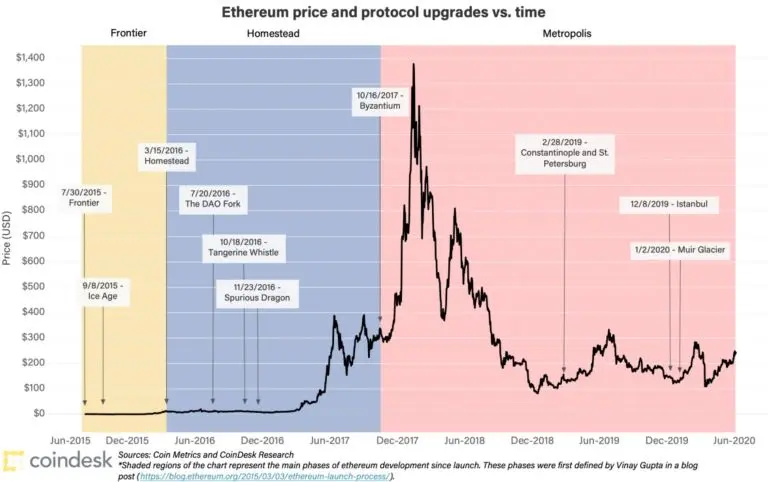
From the beginning, there has been a well-defined plan to reach this last phase - the goal is to be able to launch the new Ethereum blockchain by the end of 2020. This plan was divided into several stages that aimed to improve the network at each step. The improvements should make the network capable of supporting all transactions for all applications that want to use this network and do them instantly so that they can be used in all cases of real life.
What is Proof of Stake?
In a literal translation, Proof-of-Stake (PoS) would be Proof of Amount, but taking into account what it is normally used for, we refer to it in Portuguese as Proof-of-Participation.
It is a consensus algorithm used to validate transactions and add blocks to a block chain. The objective is to reach a consensus in a network without trust, selecting at random a validating node and rewarding it with the coins created in that block. In a way, coins represent “voting rights”. Despite having the same function as the Proof-of-Work –PoW algorithm, the way it does it is different.
Note that the main differences in nomenclature between the algorithms are:
- in PoW there are miners, while in PoS they are Validators;
- in PoW the blocks are mined, in PoS they are forged.
But if Proof-of-Work already exists why do we need another algorithm?
The new algorithm was proposed in 2011, to try to solve some problems that PoW presents. The main problems were:
- Large power consumption
In Proof-of-Work, miners have to compete to find the solution to the proposed cryptographic problem. This competition requires a great deal of computing power attributed to the network by the miners in the hope of earning the reward in the form of the coins due. Currently, it is estimated that the Bitcoin network spends about 77TWh of energy per year. More energy than is consumed by the whole of Switzerland!

In the Proof-of-Participation there is no competition. The network will “randomly” choose the Validator Node for the next block. The idea behind this is that the competition behind this algorithm is a waste of energy that can be saved. In this new consensus algorithm, competition is replaced by a random system that will select a validating node to forge the next block.
2.Centralization of power
Bitcoin was created precisely to eliminate large concentrations of power in a few individuals, entities or institutions. However, many miners hoping to increase their chances of being rewarded join mining pools. A miner's likelihood increases as his mining power also increases. Thus, these clusters of miners were created in order to increase their chances of receiving the reward coins. However, this mechanism creates a concentration of power. If one of these pools managed to gather enough power it could control the network and choose the transactions that would be validated, through a 51% attack.
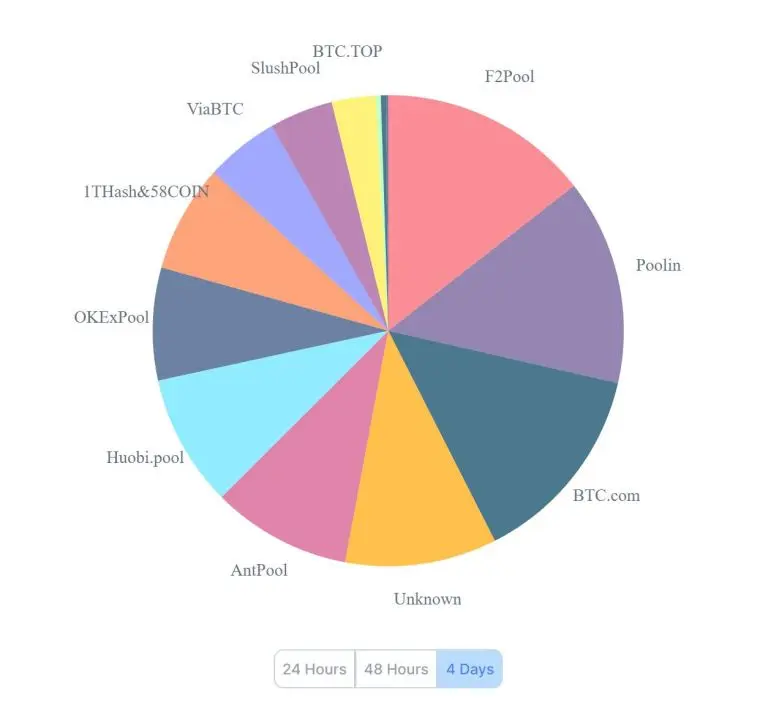
To become a validating node, it is not necessary to acquire mining equipment, which will often have a very high value. Those interested will only need to purchase a minimum number of coins from that network. Thus, more people can be attracted to become validators by increasing the decentralization of the network.
Why is it not used by all cryptography?
If you have been in the world of cryptography for some time, you have already realized that everything is the subject of fervent debate. This freedom of expression means that everyone can express their point of view and that there are several choices to be made. One is the consensus algorithm that networks use. Proponents of PoW say the main risks of the PoS algorithm are:
-
51% easier attacks
Someone with enough money could buy enough coins to have 51% of the voting rights and thus control the network. Similar to PoW and, in theory, if you control a majority share of the network you could control it. However, in reality this becomes very unenforceable for networks of considerable size. For the example of the Ethereum network: there are 112,111,765 coins in circulation today, each worth 390 US dollars. To buy 51% of this network, the attacker would have to spend more than 43 723 million dollars! -
“Proof-of-Participation favors the rich!”
A common criticism of this algorithm is that those who have more money can buy more coins. This way, you increase your chances of being selected to validate the next block and receive the reward, leaving you with even more coins.
Despite lowering barriers to entry by not having to buy expensive equipment, someone with a lot of funds can buy more coins and have a better chance of receiving more rewards. To combat this problem, other forms of control are introduced. One suggestion is to add the age of the coins as a variable to select the validator. By including the age of the coins in the algorithm that selects who will validate the next block, it is prevented that the same validator is repeated repeatedly and the distribution of coins by several players in the network is increased.
As we have seen, there are risks and advantages to overlapping the Proof-of-Participation with the Proof-of-Work. Ethereum's founders and programmers believe that this consensus mechanism has more value than the one that is used on the Bitcoin network. So they are now preparing to make the transition. In the next article, we'll see what that means for the Ethereum network.





