
Colour newspapers, colour magazines, colour billboards. colour TV, colour radio, wait what? Radio? Sorry, almost digressed there. The point is, we live in a world full of colour, but when you're watching your favourite TV program or scrolling through all those photos on your instagram feed, have you ever wondered how we came from black and white snapshots to the full hi resolution of colour we expect today?

By the early 1900s black and white plates were pretty much perfected, with shutter speeds of 1/60 second being achieved, it was French brothers Auguste and Louis Lumiere, inventors of cinematography who felt "the cinema is an invention without any future".
Instead they followed their real passion, the pursuit of colour photography, although their method was not the first to produce colour images, it did however make the process much less cumbersome and much more accessible, as previously photographers had to use methods involving three different cameras or exposures.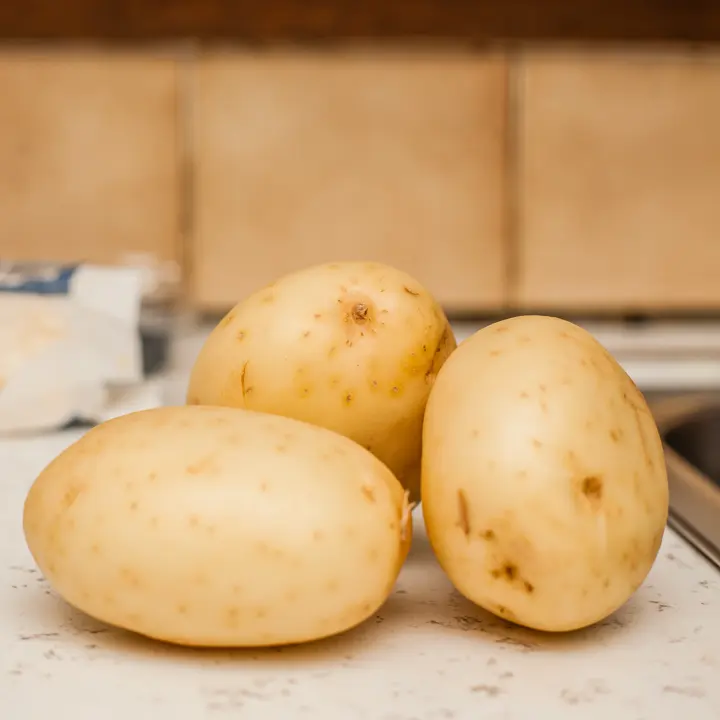
So what might potatoes have to do with all this you may be asking yourself? Well, by grinding the potatoes down to their finest grains, the Lumiere brothers found they could dye the starch grain in batches of red-orange, green and blue-violet. Then, a very thin layer of this dyed starch mixture would be spread, one layer high, across a glass plate. once the gaps between the grain was filled with lampblack (black powder) the plate could be exposed in the usual way.
In 1904 the Lumiere brothers had patented their autochrome process and presented it to the Paris Press-Club in 1907. Instantly a success, the demand for these new colour plates quickly exceeded the supply.
Nation Geographic has a great article with an awesome autochrome gallery you can check out here.






