
Digital Gold, the Gold Standard on the blockchain!
https://gold.storage/
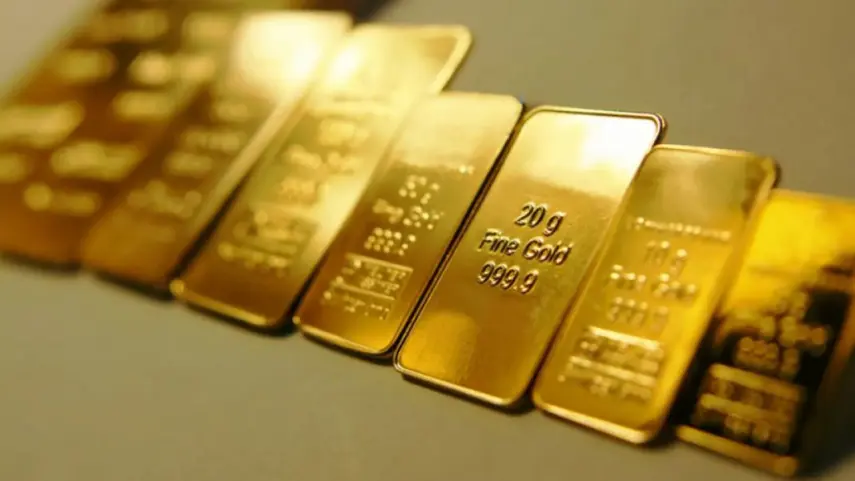
Is Gold a good investment?
On the one hand, gold is often seen as a "safe haven" asset that can help protect investors from economic uncertainty and inflation. During times of market volatility, investors may flock to gold as a way to diversify their portfolio and reduce risk. Additionally, gold has a long history of maintaining its value over time, and has been used as a store of wealth for centuries.
On the other hand, gold is not a guaranteed investment and its price can be volatile. While it has historically performed well during periods of economic uncertainty, it may not necessarily provide high returns in a consistently growing economy. Furthermore, gold does not generate any income or dividends, unlike stocks or bonds, which can limit its potential as a long-term investment.
Ultimately, whether gold is a good investment depends on your individual financial goals and risk tolerance. Some investors may find that adding a small allocation of gold to their portfolio can help diversify their holdings and reduce risk, while others may prefer to focus on more traditional investments such as stocks and bonds. It's always important to do your own research and consult with a financial advisor before making any investment decisions.
Gold is a highly prized metal that has been treasured for thousands of years. Here are some interesting facts about this precious metal:
-
Gold is one of the rarest metals on earth. It is estimated that all of the gold ever mined in human history would only fill three Olympic-sized swimming pools.
-
Despite being rare, gold is incredibly dense. A single ounce of gold can be stretched into a wire that is 50 miles long.
-
Gold is not just found on Earth. In fact, gold is thought to have been formed in supernovas, and some of it may have arrived on Earth via meteorites.
-
Gold is a very malleable metal. In fact, it is so soft that it can be shaped into sheets that are just a few atoms thick.
-
Gold has been used for jewelry and currency for thousands of years. The first recorded use of gold as currency dates back to around 700 B.C. in Lydia, a region of present-day Turkey.
-
Gold is also used in a wide range of other applications, including electronics, medicine, and dentistry.
-
The demand for gold is driven not just by its practical applications, but also by its cultural significance. Gold is often associated with wealth, luxury, and prestige, and is a popular gift for weddings, anniversaries, and other special occasions.
-
The price of gold is notoriously volatile, and can fluctuate significantly over short periods of time. In recent years, gold prices have been driven up by uncertainty in the global economy and geopolitical tensions.
-
Despite its high value, gold is not immune to counterfeiting. There are many methods used to detect fake gold, including visual inspection, acid tests, and X-ray fluorescence analysis.
-
Finally, it's worth noting that the color of gold can vary depending on the other metals it is alloyed with. Pure gold is a deep yellow color, but it can be mixed with other metals to create a variety of hues, including white gold and rose gold.
Eating Gold?
While gold is non-toxic, it is not considered safe to eat. Gold is an inert metal, meaning it does not react with other substances, which makes it useful for a variety of industrial and medical applications. However, when consumed, gold can potentially cause harm to the body due to its physical properties.
In fact, some people may experience an allergic reaction to gold when it comes in contact with their skin or is ingested. Additionally, gold is not easily digestible by the body, and could potentially cause digestive issues or blockages in the digestive tract.
While gold leaf or gold dust is sometimes used as a decorative element in fine dining, it is typically used in very small amounts and is not intended to be eaten in significant quantities. It's always best to avoid eating gold and stick to foods that are safe and healthy for consumption.

Digital Gold Brings Blockchain to the Gold World.
Gold and blockchain are two very different technologies, but there are some interesting connections between the two.
Blockchain is a distributed ledger technology that is often associated with cryptocurrencies such as Bitcoin. One of the key features of blockchain is its ability to provide a secure and transparent record of transactions, without the need for intermediaries such as banks or other financial institutions.
In recent years, there have been a number of efforts to use blockchain technology to create new ways of trading and investing in gold. For example, some companies have developed blockchain-based platforms that allow investors to buy and sell gold in real time, with the gold being held in secure vaults and tracked on the blockchain.
One of the benefits of using blockchain for gold trading is that it can increase transparency and reduce the risk of fraud. By using a blockchain-based platform, investors can be sure that the gold they are buying is genuine and that their transactions are being recorded accurately.
Another potential benefit of using blockchain for gold is that it could make it easier for people to invest in gold, particularly in regions where access to traditional financial services is limited. By using blockchain, investors can trade gold from anywhere in the world, without the need for a bank account or other financial infrastructure.
Overall, while there are some interesting connections between gold and blockchain, it remains to be seen how widely adopted these technologies will be in the gold industry. However, the potential benefits of using blockchain for gold trading are certainly worth exploring, and we may see more developments in this area in the years to come.
Digital Gold:






