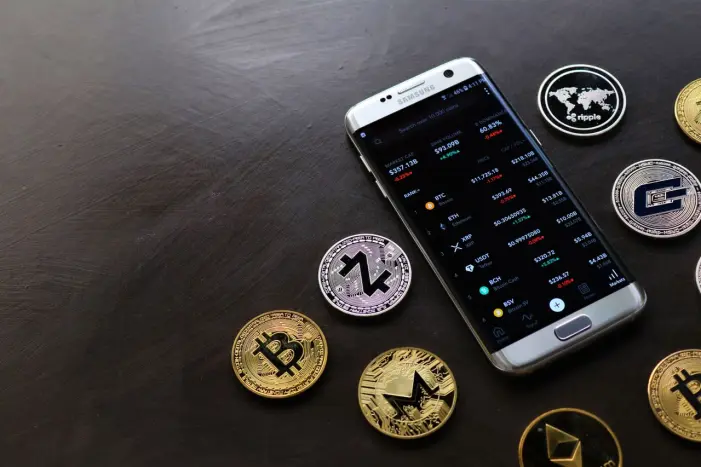
Cryptocurrency purchases have changed significantly over the past decade. What once required manual bank transfers, desktop wallets, and lengthy exchange onboarding can now happen directly from a smartphone in minutes. Mobile-first payment systems played a major role in that transition, and Google Pay became one of the most widely used methods for users seeking faster access to digital assets without repeatedly entering banking information.
Today, many cryptocurrency platforms support Google Pay purchases through mobile apps and web-based checkout systems. Services like CEX.IO helped popularize simplified crypto payment flows years ago, particularly among users looking for alternatives to traditional bank transfers and slower deposit methods. As mobile payments became more integrated into financial apps, Google Pay naturally became part of the crypto onboarding experience.
That said, buying crypto with Google Pay still requires understanding a few important details before completing a transaction. Payment speed, card compatibility, regional restrictions, fees, and platform verification requirements all influence how the process works in practice.
How Google Pay Crypto Purchases Actually Work
When users buy cryptocurrency with Google Pay, the payment itself does not move directly from Google. Instead, Google Pay acts as the authorization layer for a debit card, credit card, or linked bank account already stored in the user’s Google Wallet.
In practice, the crypto platform processes the purchase, while Google Pay handles payment authentication. This reduces the need to manually enter card information at checkout and often speeds up the overall purchase flow, especially on Android devices where Google Pay integration is already built into the operating system.
The actual process is usually straightforward. Users register with a crypto platform, complete identity verification, choose the cryptocurrency they want to purchase, select Google Pay, check out, and approve the transaction on their mobile device. Once authorization is complete, the purchased cryptocurrency typically appears in the user’s account balance shortly thereafter, depending on payment confirmation and platform processing times.
Many newer users assume Google Pay itself stores cryptocurrency. It does not. The crypto remains inside the exchange account or external wallet chosen by the customer after the transaction is completed.
Why Many Users Prefer Google Pay for Crypto Purchases
From a usability perspective, Google Pay removes several friction points that historically discouraged first-time crypto buyers. Traditional card purchases often required repeated manual entry of payment information, billing details, verification codes, and banking confirmations. Mobile wallet integration significantly shortened that process.
For users already relying on Android devices and Google Wallet for daily transactions, the experience feels more familiar compared to manually connecting bank transfers or entering payment credentials across different crypto services.
Another advantage involves transaction speed. ACH transfers and traditional bank deposits may take several business days before funds become fully available for crypto purchases or withdrawals. Google Pay card authorizations generally happen much faster because they rely on existing card infrastructure already connected to the user’s mobile wallet.
Security perception also plays a role. Some users prefer mobile wallets because payment credentials are tokenized during transactions, which reduces direct exposure of card numbers during checkout. That does not eliminate risk, but it changes how payment data flows between the customer, the payment processor, and the crypto platform.
Still, faster access and simplified checkout should not be confused with lower risk. Cryptocurrency markets remain volatile regardless of how quickly a purchase is completed.
What to Check Before Buying Crypto with Google Pay
Not every crypto platform supports Google Pay, and support may vary by region, device compatibility, verification level, and payment provider restrictions. Before attempting a purchase, users should confirm several things first.
The first is whether Google Pay transactions are supported in their country and on their selected platform. Some exchanges only allow Google Pay deposits through mobile apps, while others support browser-based checkout flows as well.
The second consideration involves the linked payment card itself. Even if a crypto exchange accepts Google Pay, the connected bank or card issuer may still block cryptocurrency-related transactions. This happens more frequently with prepaid cards, corporate cards, or institutions that maintain stricter policies on digital asset purchases.
Users should also pay attention to transaction fees. Mobile wallet purchases often follow the same pricing structure as standard card payments because the underlying funding source still relies on Visa or Mastercard processing rails. Depending on the platform, this can make Google Pay more expensive than ACH funding or direct bank transfers.
Verification requirements matter too. Regulated crypto platforms generally require identity verification before users can buy, trade, withdraw, or transfer digital assets. That process may involve submitting government-issued identification documents, facial verification checks, proof of residence, or additional compliance-related information, depending on jurisdiction.
Security and Risk Considerations
After spending years around crypto markets, one thing becomes obvious quickly: convenience does not replace caution. Google Pay simplifies the payment side of crypto purchases, but users still interact with highly volatile digital assets and blockchain infrastructure once the transaction finishes.
Account security remains critical. Two-factor authentication, strong passwords, withdrawal confirmations, and wallet verification settings all matter far more than the payment method alone. Many crypto losses occur after purchase due to phishing attacks, compromised devices, fake applications, or unauthorized wallet access.
Users should also verify wallet addresses carefully before transferring assets externally. Blockchain transactions are generally irreversible, meaning that incorrectly sent funds are often unrecoverable after confirmation.
Another common mistake involves rushing into purchases without understanding the asset itself. Faster mobile payments can sometimes encourage impulsive buying behavior during periods of elevated market volatility. Experienced users typically spend more time reviewing market conditions, liquidity, blockchain utility, and platform reliability before moving funds.
Final Thoughts
Buying cryptocurrency with Google Pay made crypto access significantly more practical for everyday users, especially on mobile devices. The process is faster than traditional bank funding in many cases, easier to navigate for beginners, and more integrated into modern smartphone payment ecosystems.
At the same time, the convenience of mobile wallets should not distract users from the broader realities of digital asset markets. Payment speed does not reduce market risk, eliminate blockchain fees, or replace proper account security practices.
For users entering crypto markets through Google Pay, the best approach is usually the same one experienced market participants follow: use regulated platforms, secure your account properly, understand how transactions work before sending funds, and take time to research the assets you plan to access.
Note: This post was provided and published on behalf of a client. Publish0x does not guarantee the accuracy of the statements made in this post. The post should not be considered as an Publish0x endorsement of the products, services, or people mentioned. Readers should do their own research before taking any actions related to the company. Publish0x is not responsible, directly or indirectly, for any damage or loss caused or alleged to be caused by or in connection with the use of or reliance on any content, goods, or services mentioned in the press release or sponsored post.






