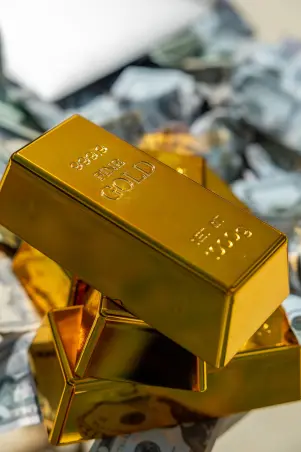
In precious metals circles, two tribes coexist politely and often trade tips with each other, but they are not doing the same thing. Bullion stackers accumulate silver primarily to own metal. Coin collectors, often called numismatists, accumulate specific pieces for reasons that go well beyond the metal content. When the silver price per ounce at SD Bullion or anywhere else shows up in conversation, the two tribes are often interpreting the same number through very different lenses.
The Stacker’s Arithmetic
A bullion stacker thinks primarily in terms of metal weight and cost basis. They want to acquire as many ounces as possible for as few dollars as possible, and the silver price per ounce is the core input to every decision. They typically favor generic one-ounce rounds, ten-ounce bars, one-kilogram bars, and government bullion coins bought at the lowest available premium over spot. Liquidity on resale matters; collectible upside generally does not. The goal is exposure to the metal, priced as tightly to spot as the dealer market allows.
The Collector’s Calculus
A collector is buying a specific coin for reasons that include metal value but are not limited to it. Mintage figures, design series, historical significance, and professional grading all factor into the price a collector is willing to pay. A nineteenth-century American silver dollar in mint state can trade at many multiples of the silver price per ounce, and the collector paying that premium is not confused about the math. They understand exactly what they are paying for, and it is not the metal.
The American Numismatic Association publishes educational material and grading references that help new collectors understand how numismatic value is actually determined. A basic familiarity with those frameworks prevents beginners from overpaying for common coins or, conversely, dismissing legitimate rarities as overpriced bullion.
Where the Two Tribes Overlap
The overlap sits in the category of government bullion coins that also have mild collectible appeal. American Silver Eagles, Canadian Maple Leafs, Austrian Philharmonics, and British Britannias all trade at meaningful premiums over the silver price per ounce but are still purchased primarily for their metal content. Specific annual releases, mint-marked varieties, and proof editions move the same products firmly into collector territory. A seasoned buyer learns to recognize the line between ordinary bullion editions and specific dates that carry numismatic premiums.
What the Silver Price per Ounce Does Not Tell a Collector
When spot rises, generic bullion premiums usually compress slightly and collector premiums barely move. The resale value of a rare coin depends on the coin market, not the metal market, and the two can diverge for extended periods. Collectors who mistakenly use the silver price per ounce as their primary pricing benchmark often sell rare pieces at bullion-like valuations, leaving meaningful money on the table. Conversely, collectors who overpay for common coins expecting them to eventually track metal prices are usually disappointed.
What the Silver Price per Ounce Does Tell a Stacker
For a pure stacker, the silver price per ounce is the entire game. Their cost basis is a function of spot at the moment of purchase plus the premium they negotiated. Across hundreds of transactions over many years, the discipline of consistently buying at reasonable premiums over spot produces a cost basis meaningfully below the prevailing market. That discipline pays off when the market eventually rises, and it protects the stacker from the emotional chase that tempts less disciplined buyers into overpriced or inappropriate products.
A Word About Storage and Liquidity
The two approaches have different storage and resale implications. Generic bullion is fungible, easy to store in standard safes or depositories, and liquid on resale through any major reputable bullion dealer, like SD Bullion. Numismatic coins require more careful handling to preserve grade, benefit from third-party grading and encapsulation, and often sell best through specialized auctions or collector networks. A buyer who drifts from one approach to the other without understanding these differences often discovers the mismatch at an inconvenient moment.
Building a Coherent Personal Strategy
The simplest advice is to decide which tribe you are in before buying, and to keep the accounting separate if you participate in both. A stacker position sized in ounces, with premiums tracked against the silver price per ounce at purchase, is straightforward to manage. A collector position sized in individual pieces, with references to grading, provenance, and market comparables, is a different kind of asset entirely. Blurring the two produces confused portfolios, inaccurate valuations, and disappointment when market conditions favor one approach over the other.
Neither Approach Is Wrong
Both paths have produced excellent long-term outcomes for thoughtful participants, and both have disappointed participants who approached them carelessly. The silver price per ounce matters enormously to one tribe and contextually to the other, and the emotional mistake is assuming it matters the same way to both. Readers who have a clear view of which kind of buyer they actually are will make better decisions than those who oscillate between frames without noticing.
Note: This post was provided and published on behalf of a client. Publish0x does not guarantee the accuracy of the statements made in this post. The post should not be considered as an Publish0x endorsement of the products, services, or people mentioned. Readers should do their own research before taking any actions related to the company. Publish0x is not responsible, directly or indirectly, for any damage or loss caused or alleged to be caused by or in connection with the use of or reliance on any content, goods, or services mentioned in the press release or sponsored post.






