Zen blog post in Russian
https://dzen.ru/a/ZhgiyVCNi0-Bv02Q
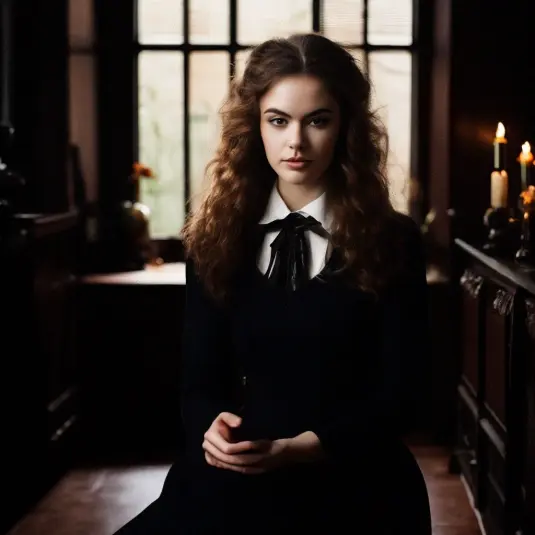
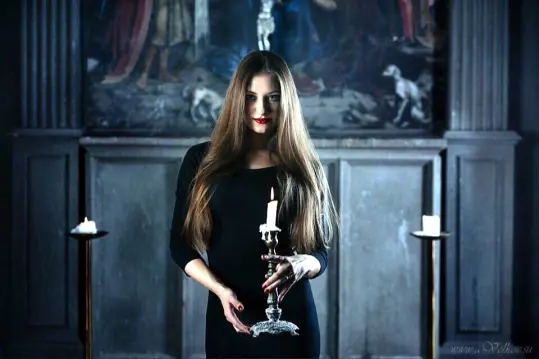
Dark Academy. French literature, classical Greek art, dusty libraries, romantic poetry, cluttered wooden tables with burning candles, turtlenecks and tweed blazers all perfectly describe the Dark Academia aesthetic.
Dark Academia romanticizes a time when the upper echelons of society emphasized the humanities. The subculture is characterized by an interest in classical literature, Latin, Greek and French languages, art, poetry, architecture and fashion of Western Europe.
Dark academics perceive education as exciting, associated with joy rather than boredom.
Dark Academy focuses on the aesthetics of higher education, private schools and universities, academia, books, art, museums, and a particular style of clothing.
This aesthetics originated in the humanities (history of art, philology, history of literature, history, philosophy, museum studies, etc.)
The most common time of year for dark academy is autumn, winter
Fashion from the 1930s and 1940s figures prominently in the dark academy aesthetic, particularly in the clothing associated with attending Oxbridge schools and Ivy League universities, the prep schools of the period.
A number of the garments most associated with the aesthetic are cardigans, blazers, shirts, plaid skirts, Oxford shoes and houndstooth and tweed clothing, the color palette of which consists primarily of black, white, beige, brown, dark green and sometimes and dark blue.
In the halls of Dark Academia, nostalgia reigns and a world free from modern technology. Many community members focus on what life might have been like in the 19th and early 20th centuries in private schools in England, boarding schools, prep schools, or colleges in New England.
The epithet “dark” in the phrase “dark academy” indicates a slight tendency of members of the subculture towards the unusual and illegal. Mysteries, murders, danger, philosophical pessimism and secret clubs create that certain darkness that distinguishes the dark academy from the more romantic version, the light academy. These people are very passionate about the search for new knowledge, only to the extent that it is related to the “study of death and disease.”
They hold to a dramatic but perhaps true statement about education: “He who increases knowledge increases sorrow.”
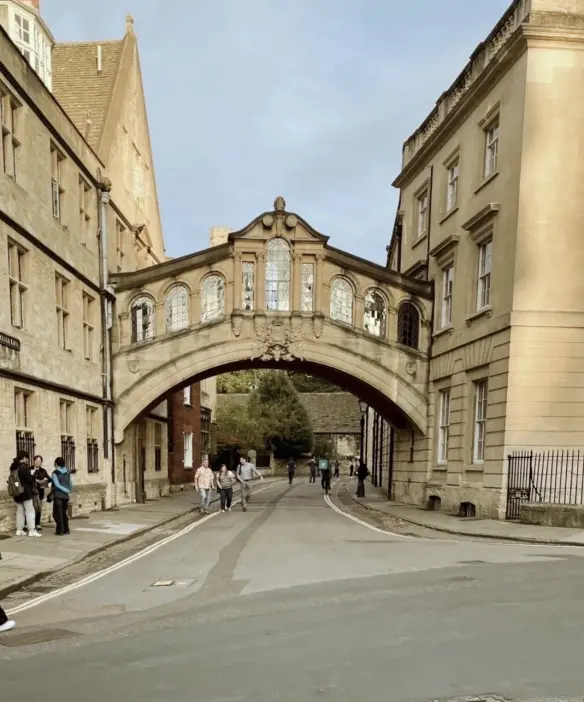
This dark, sometimes sinister character of Dark Academia is reflected in the gothic design of many prestigious colleges in North America and Europe. The appearance of these educational institutions, more like castles than university campuses, is reminiscent of a time when science still remained in the shadow of religion and inspired the same level of devotion among its followers.
The imposing image of these schools helped portray higher education as important, serious, and noble. Moreover, by disguising their buildings as churches and cathedrals, schools presented the knowledge stored within their walls as forbidden fruit, the consumption of which became a religion in itself.
To some extent, the Decembrists and poets of the Silver Age in Russian history can be called representatives of the dark academy.
And also “The Damned Poets” in France.

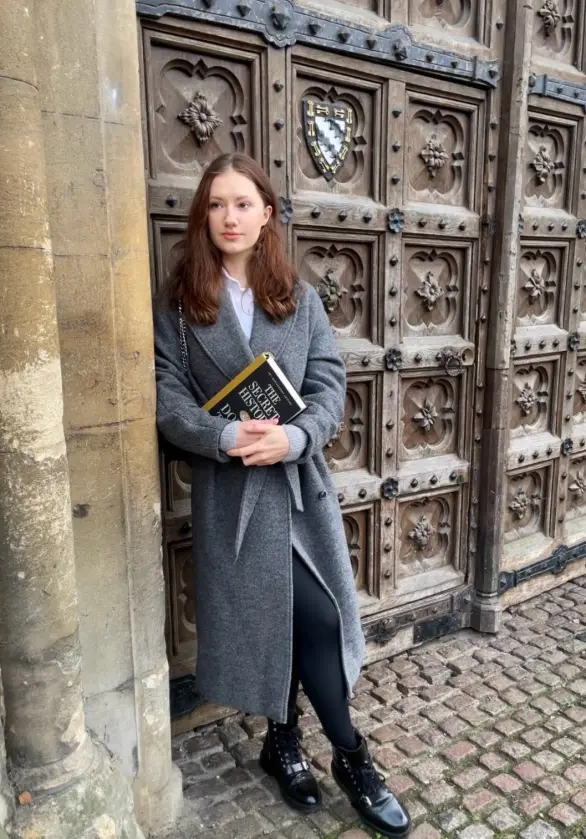
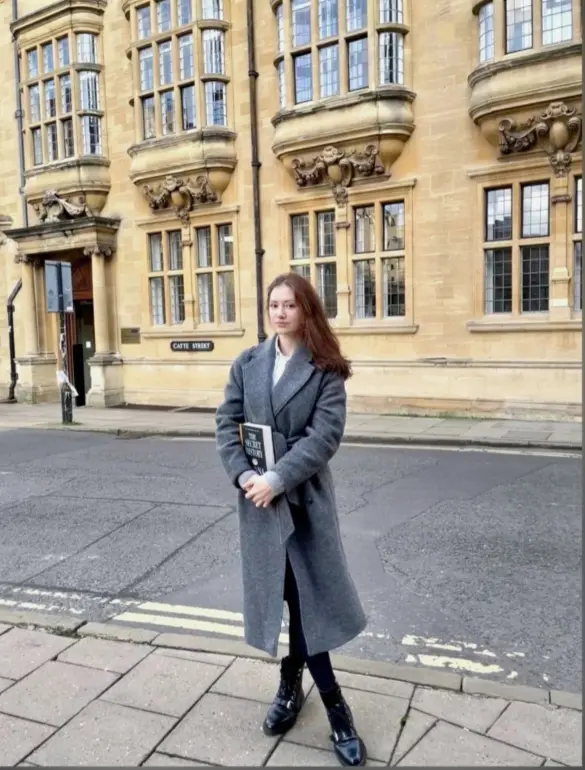
The Secret History by Donna Tart is the main book of Dark Academy.
This novel is incredibly popular among British teenagers and in the English-speaking world in general. Finally something new comes to replace Harry Potter and the Lord of the Rings.
The brilliant American writer Donna Tartt, winner of the 2014 Pulitzer Prize, captivated readers with her first novel, The Secret History.
The book immediately became a bestseller.
It has been translated into twenty-five languages and continues to sell millions of copies around the world.
The action takes place in a small college in Vermont, where nineteen-year-old Richard Papen comes to study ancient Greek. Richard's new friends - four young men and one girl - are smart, relaxed, and so passionate about ancient culture that they consider themselves almost a special caste of its guardians.
Their friendship does not withstand, however, the onslaught of the modern world. A murder occurs in a cheerful and close-knit company.
Trying to comprehend what happened after many years, the hero recreates his student life day by day, the stages of relationships with classmates and his girlfriend. Under the virtuoso pen of Donna Tartt, his confession turns into a gripping psychological thriller.
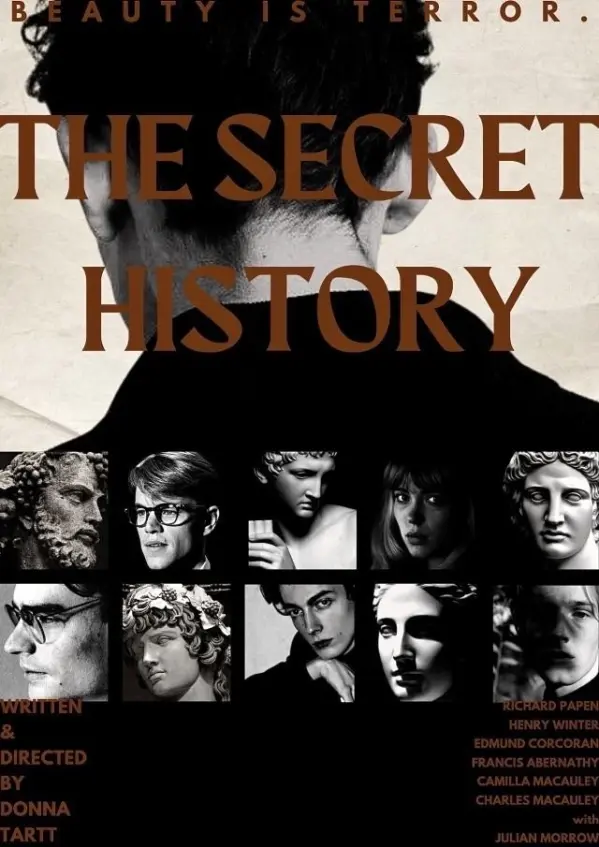
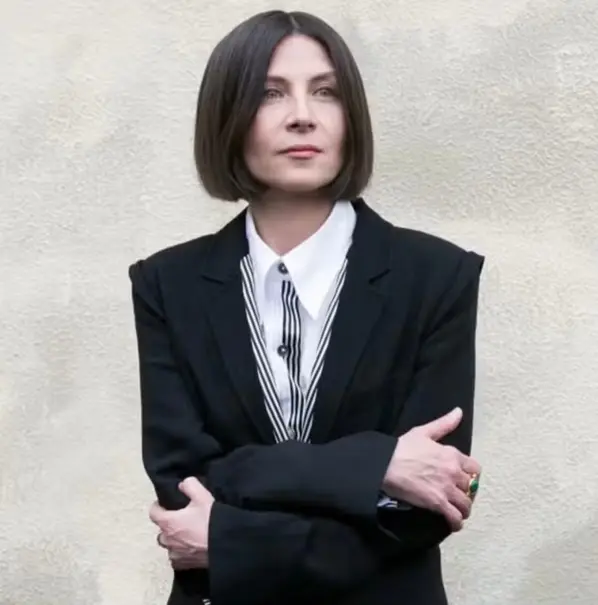


The bestseller and philosophical and psychological novel “The Secret History” caused a real sensation among literary critics and ordinary readers.
"Тайная история" Донны Тарт - главная книга Темной академии
Quotes from The Secret History:
“My bad habit is to convince myself that interesting, unusual people are certainly kind and good people.”
“When I was twenty, I thought I was immortal.”
“It is the thought of losing control that most attracts people who are accustomed to constantly controlling themselves, people like ourselves.”
“Deep knowledge of one book is better than superficial knowledge of a hundred”
“Death is the mother of beauty,” said Henry. – What then is beauty? - Horror. “Well said,” Julian nodded. – Beauty rarely brings peace and consolation. Against. True beauty is always disturbing."
Donna Tartt "The Secret History"


Лучшие Dark Academia книги, чтобы прочитать/ перечитать в 2024 году:
1. Гомер «Илиада»
https://www.litres.ru/book/gomer/iliada-perevod-a-a-salnikova-33181585/?lfrom_processed=869723178
https://www.litres.ru/audiobook/gomer/iliada-612805/?lfrom_processed=869723178
https://www.litres.ru/audiobook/gomer/iliada-295252/?lfrom_processed=869723178
2. Гомер «Одиссея»
https://www.litres.ru/audiobook/gomer/odisseya-68807184/?lfrom_processed=869723178
https://www.litres.ru/book/gomer/odisseya-146507/?lfrom_processed=869723178
4. Донна Тарт «Тайная история»
5. М. Л. Рио «Если бы мы были злодеями»
6. Луиза Мэй Олкотт «Маленькие женщины»
https://www.litres.ru/author/luiza-mey-olkott/?lfrom_processed=869723178
https://www.litres.ru/book/luiza-mey-olkott/malenkie-zhenschiny-50390816/?lfrom_processed=869723178
7. Харпер Ли «Убить пересмешника»
8. Оскар Уальд «Портрет Дориана Грея»
https://www.litres.ru/book/oskar-uayld/portret-doriana-greya-130224/?lfrom_processed=869723178
https://www.litres.ru/author/oskar-uayld/?lfrom_processed=869723178
9. Шарлотта Бронте «Джейн Эйр»
10. Чарльз Диккенс «Большие надежды»
13. Артур Конан Дойль «Приключения Шерлока Холмса»
14. Льюис Кэррол «Алиса в стране чудес»
15. Уильям Шекспир «Король Лир»
17. Джон Мильтон «Потерянный рай»
18. Федор Достоевский «Преступление и наказание»
19. Густав Флобер «Мадам Бовари»
21. Нэнси Горовиц-Клейнбаум «Общество мертвых поэтов»
https://www.litres.ru/author/nensi-gorovic-kleynbaum/?lfrom_processed=869723178

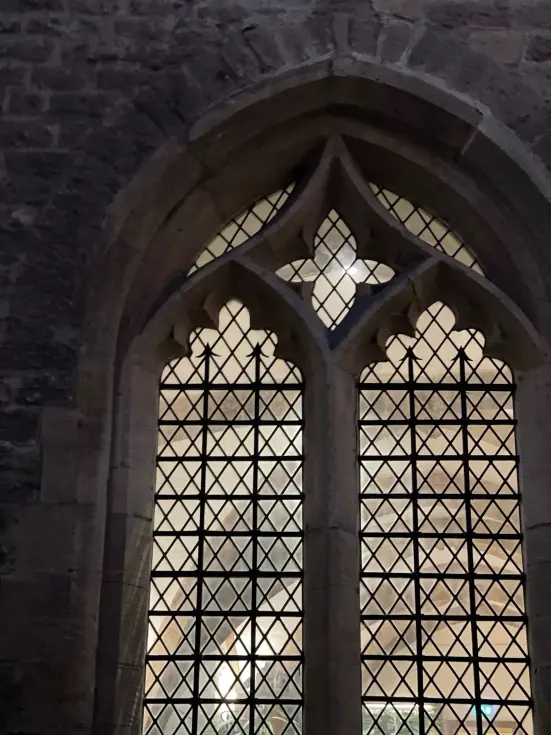
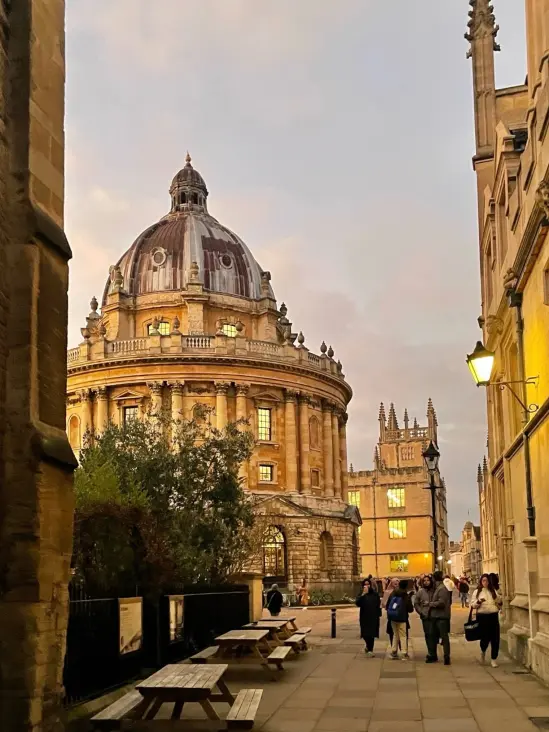


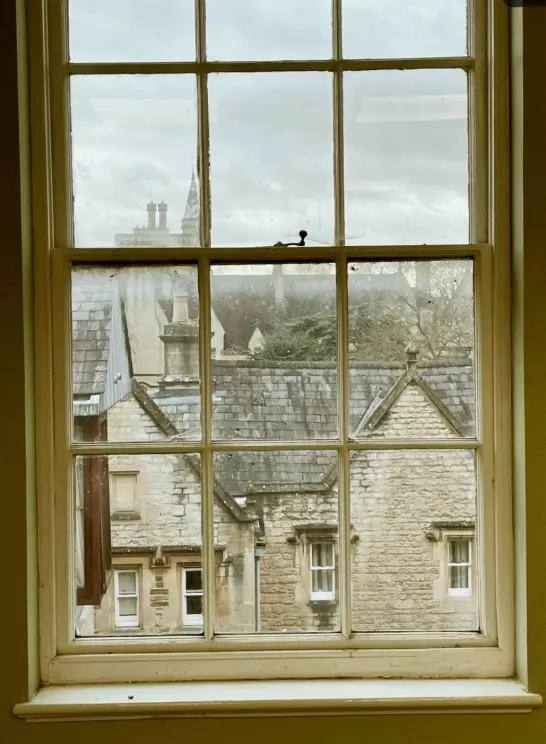



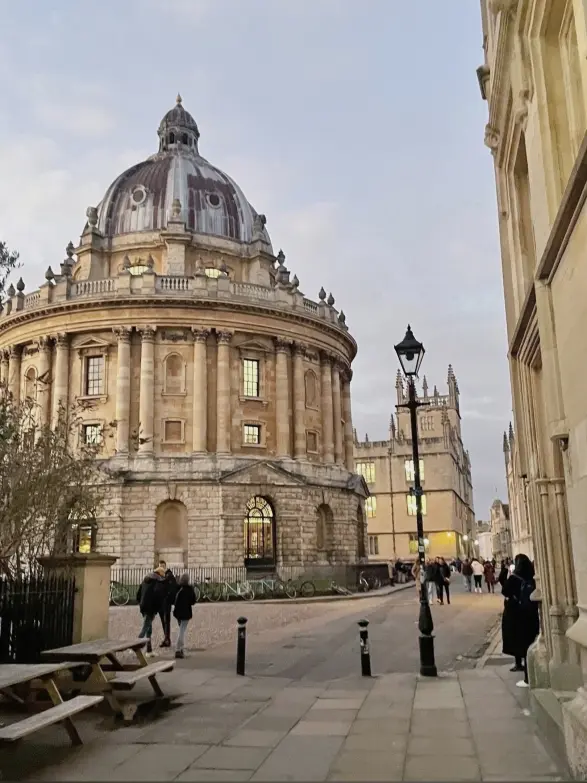
Ekaterina Sveshnikova, England, London, Oxford University
https://vk.com/english.rose
Welcome to the Oxford Notes Collection for Ship Shard Blogs.
https://dzen.ru/suite/5925ca38-f50b-4663-b062-b8b3b6ea178b
Zen blog post in Russian
https://dzen.ru/a/ZhgiyVCNi0-Bv02Q
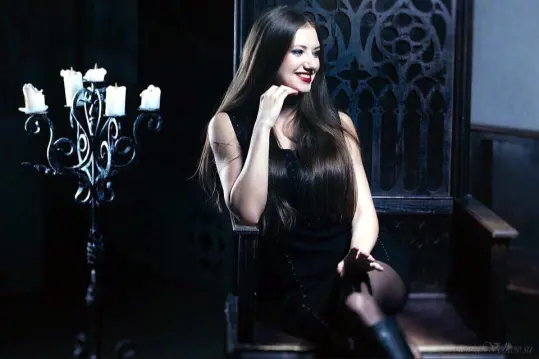

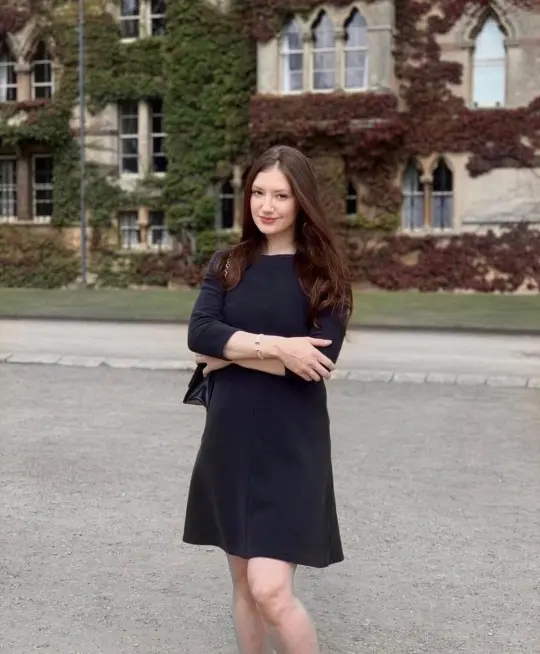






Author's video content.
In collaboration with CMCproduction & SmartREC video studios
https://www.youtube.com/c/ViolettaWennman
https://ok.ru/shipshard1
https://vk.com/shipshardvk
https://www.pinterest.ca/omegagirs/
https://dzen.ru/shipshard
https://t.me/shipshard