Publication in Russian on the Zen blog
https://dzen.ru/a/aag0IC-Sm2xWTyXq
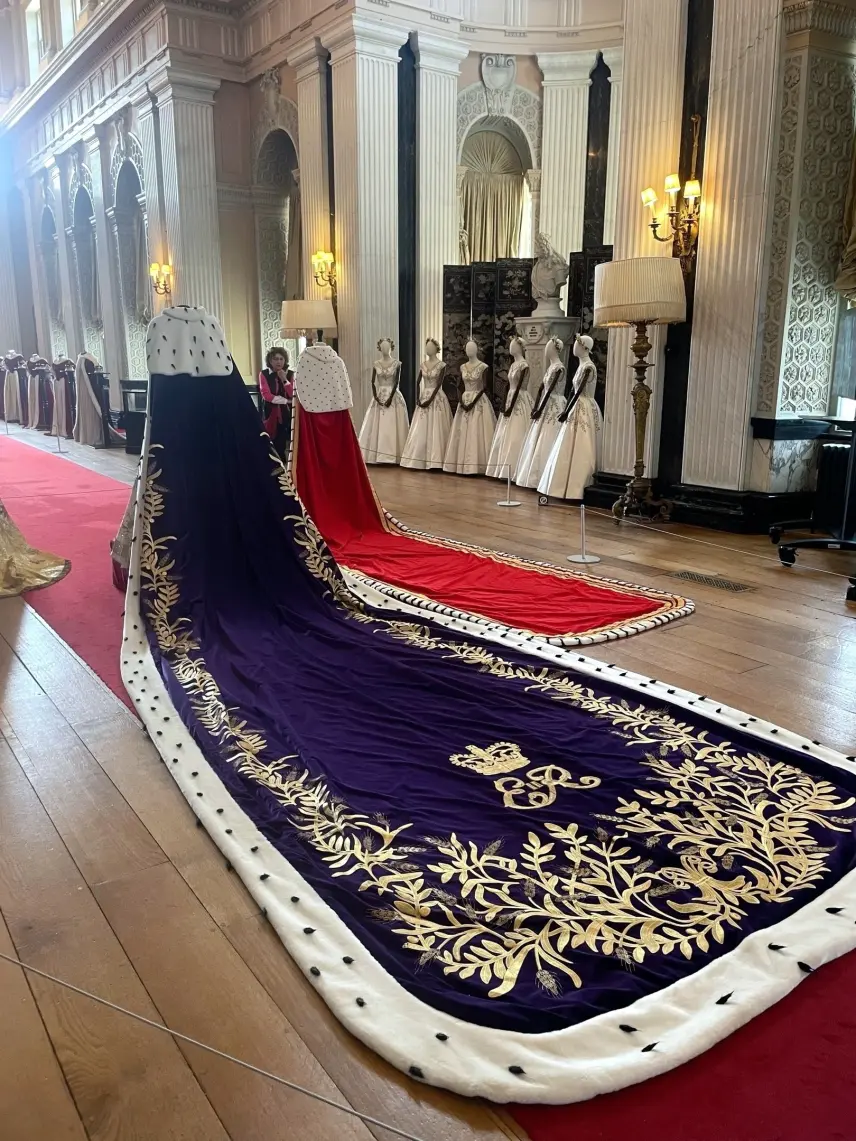
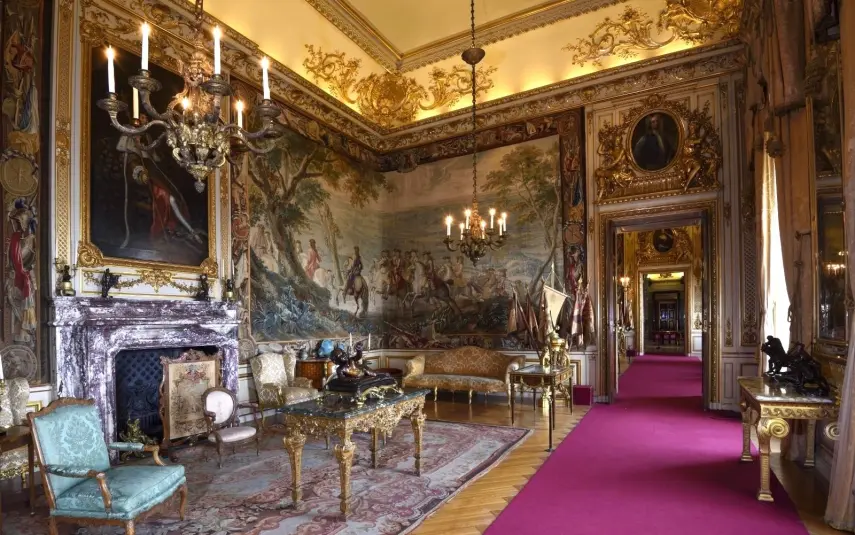
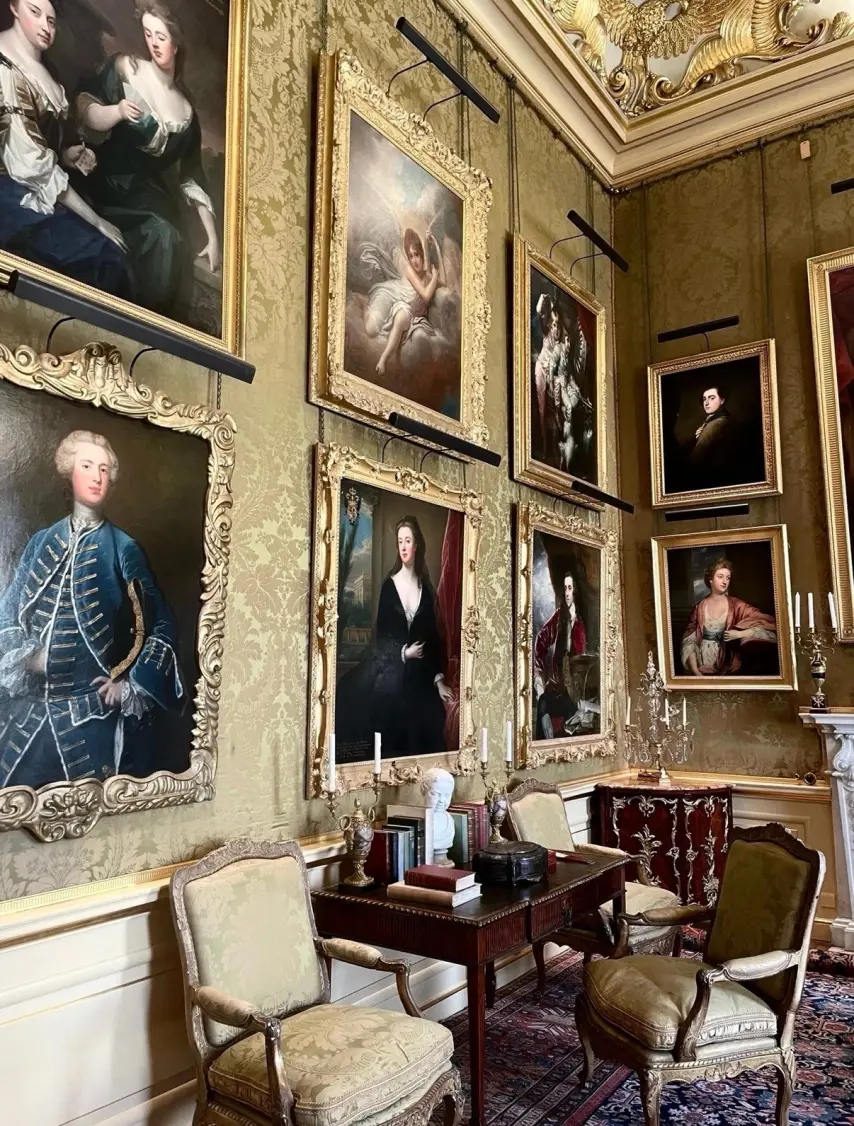
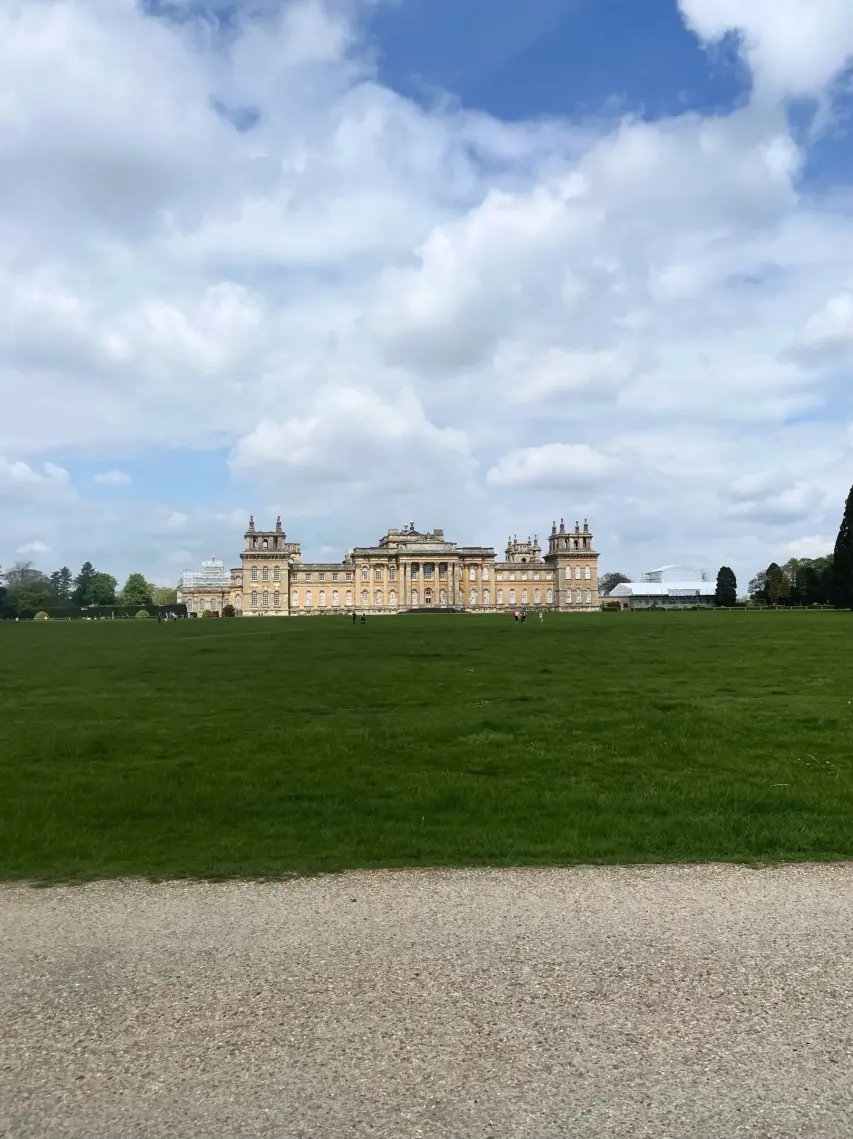
Blenheim Palace is an estate in Oxfordshire, famous for being the home of the Churchill family since the early 18th century.
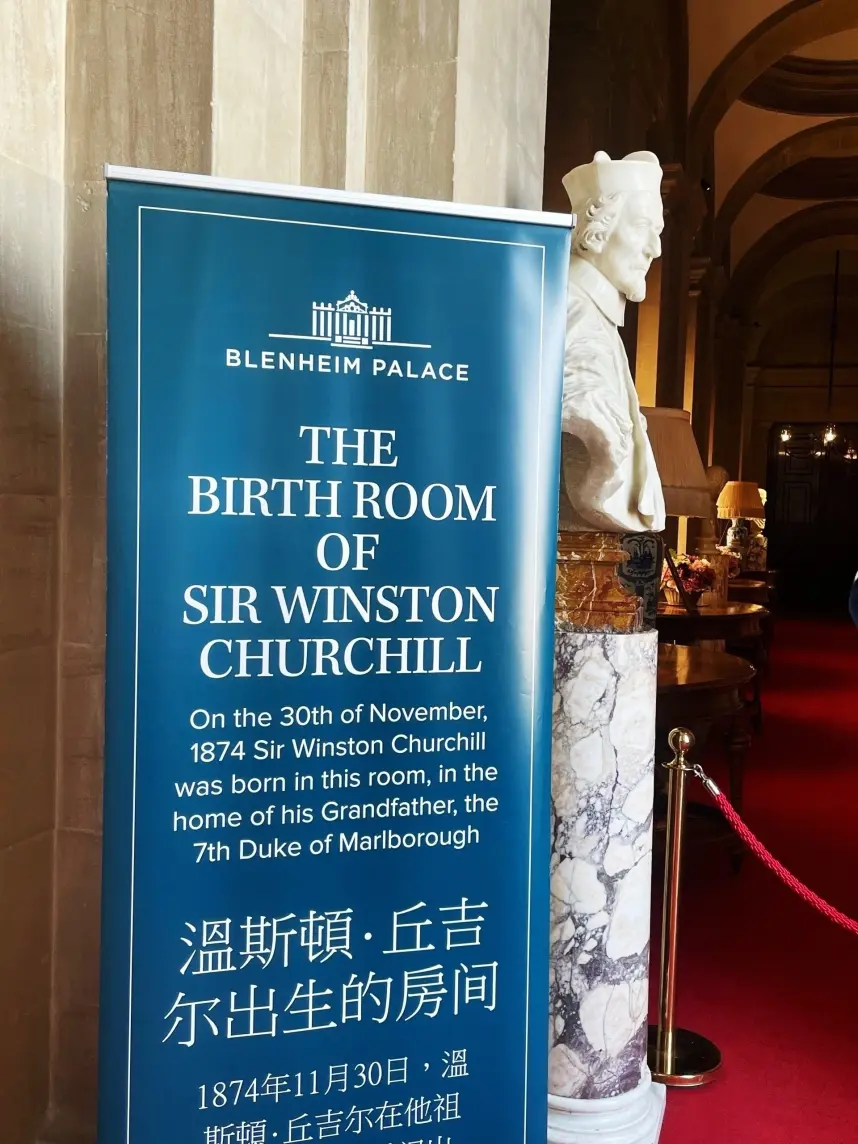
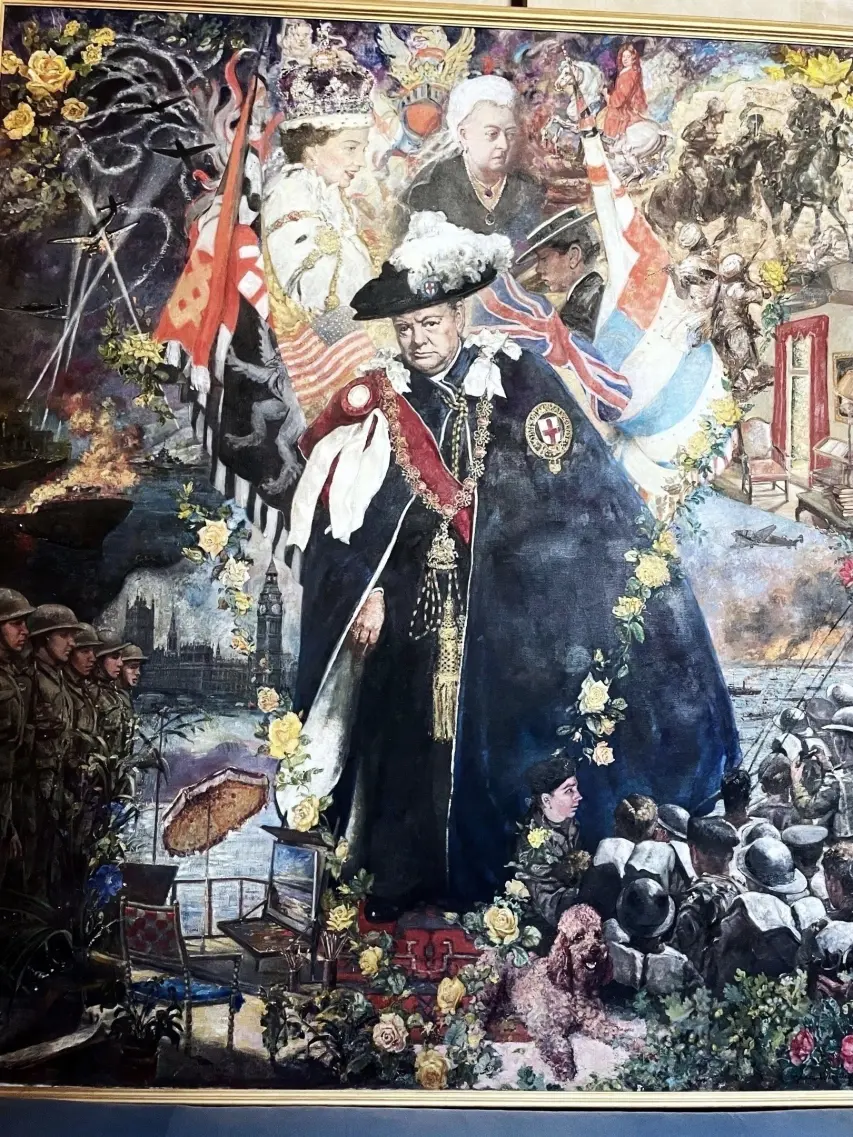
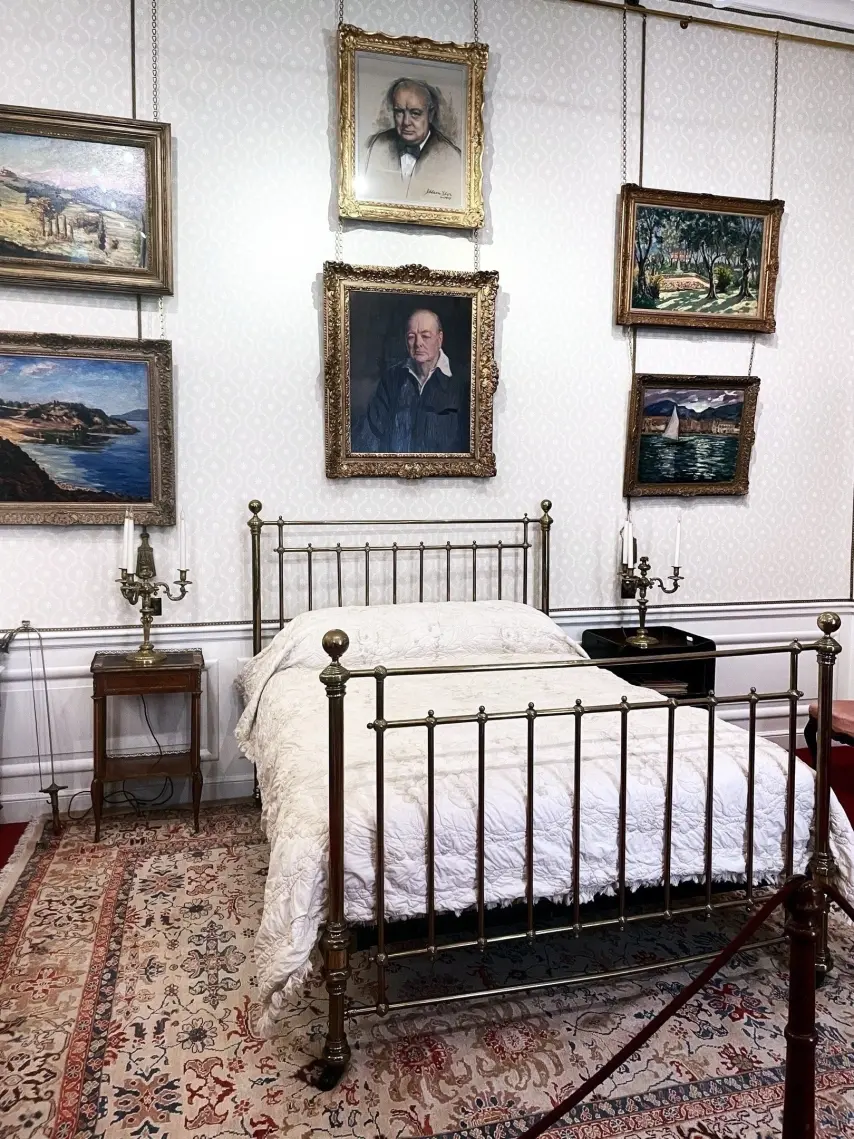
Winston Churchill (1874-1965), twice Prime Minister of the United Kingdom, came from a noble family.
Winston was the eldest son of Lord Randolph Churchill, who was himself the son of the 7th Duke of Marlborough, and Jeanette Jerome, an American socialite and the 5th great-granddaughter of Robert Coe, an early politician in the New England colonies.
Interesting facts about Churchill:
1. The "greatest" Brit, the "British Bulldog," was actually half American.
Winston Churchill was born into the family of Lord and Lady Randolph Churchill. His father, Randolph Churchill, was a British politician who served as Chancellor of the Exchequer, while his mother, Jenny Jerome, was an American socialite.
Interestingly, he was also the first person to be awarded the title of honorary citizen of the United States.
2. Winston Churchill was awarded the Nobel Prize in Literature in 1953 for "his mastery of historical and biographical description, as well as for his brilliant oratory skills in defending lofty human values." He is the only British prime minister to have won the Nobel Prize in Literature since its creation in 1901.
3. He served in the British Parliament under six monarchs.
Winston Churchill's time in Parliament ended on April 6, 1955. He served in the British Parliament for almost 55 years, beginning his political career in the 1900 general election as the Conservative Member of Parliament for Oldham. His political term spanned the reigns of Victoria, Edward VII, George V, Edward VIII, George VI and Elizabeth II.
4. The first known use of "OMG" was in a letter to Winston Churchill
Oh my God, who would have thought of that?
The first known use of the common abbreviation "OMG" was in a letter from Lord Fisher to Winston Churchill on September 9, 1917.
5. Winston Churchill was a talented artist.
He was in his 40s before he started painting, but he became a prolific artist, creating over 500 paintings in 48 years.
Churchill's famous sayings:
"Success is moving from failure to failure without losing enthusiasm"
"The one who makes mistakes early enough to learn from gets a big advantage"
"Do you have any enemies? Good. So you've stood up for something in your life."
"A falcon rises high when it flies against the wind, not downwind"
"The inherent vice of capitalism is the unequal distribution of benefits; the inherent virtue of socialism is the equal distribution of poverty"
"The purpose of Parliament is to replace fist fights with verbal ones"
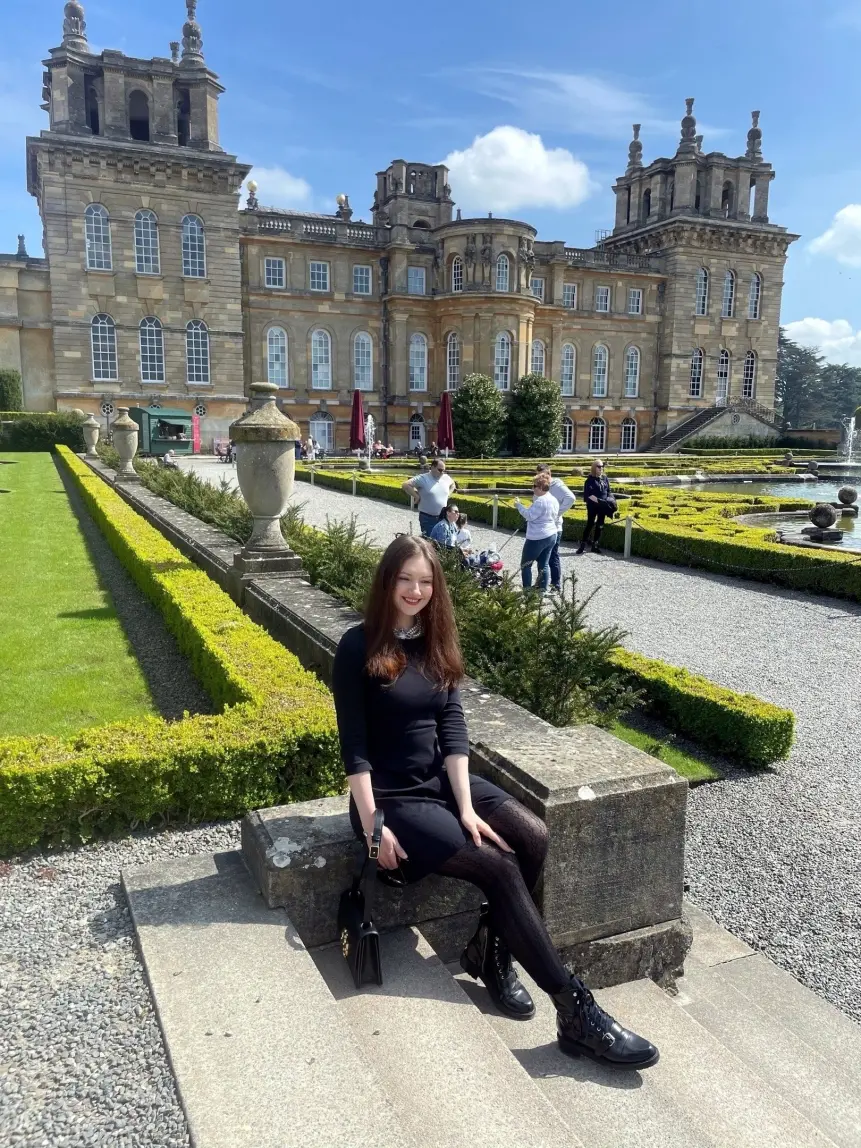
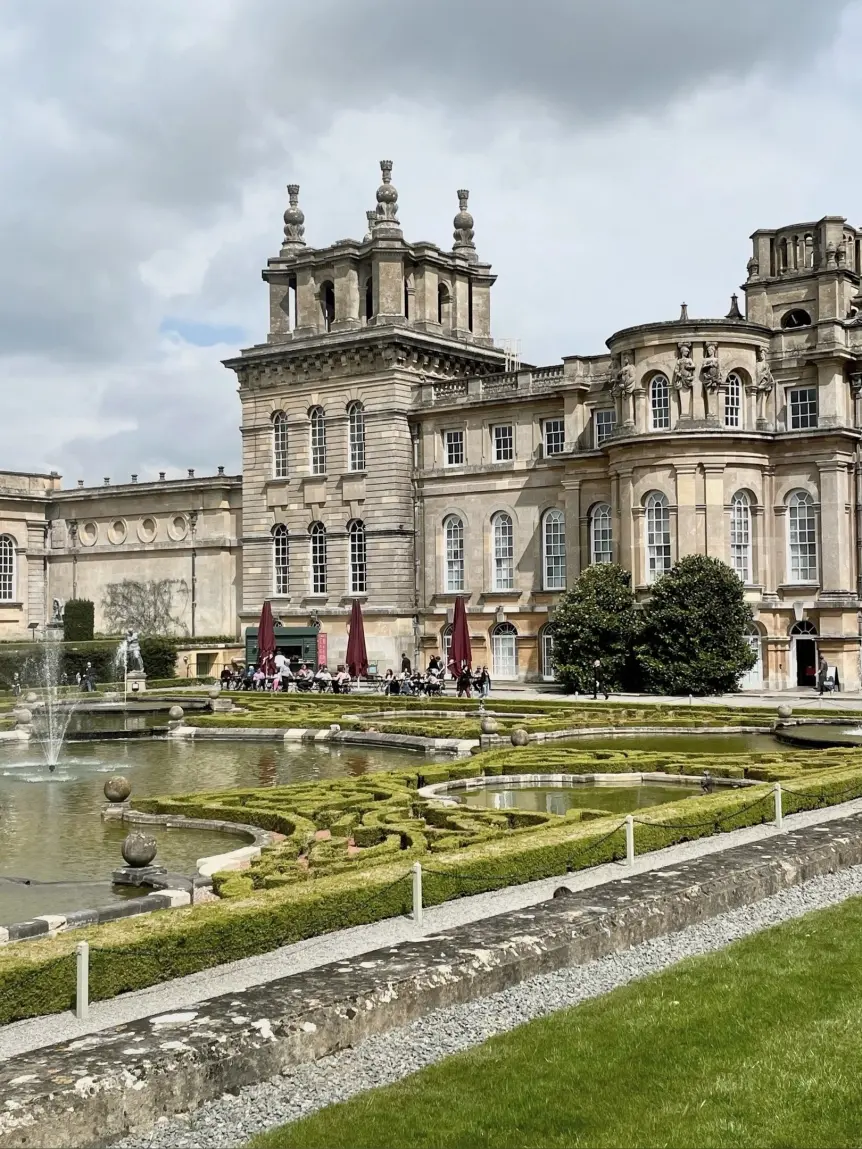
I recommend a selection of Oxford Notes in the blog for those who are interested in England.
I've been thoroughly hooked on books and materials on evolutionary biology and psychology, ethology, and neurophysiology, and I don't know how to stop.
Dawkins, Sapolsky, Lorenz, Chopra, Harari, Pinker, Peterson... I listen to lectures by Dubynin (I went to his special course at the Moscow State University Faculty of Biology) and Drobyshevsky.
To be honest, I haven't read fiction for 5 years (but I don't feel like it either), only popular science: biology, genetics, neurology, all kinds of naturalistic topics…
All this intellectual vinaigrette in my head is also accompanied by reading historical blogs about comparing the crisis of the Roman Republic and the transition to empire and the United States now, the Civil War in the States, as well as books about feminism.
Something like that…
Ekaterina Sveshnikova, England, London, Oxford University
And some more facts about England:
The history of England in monuments (and not only).
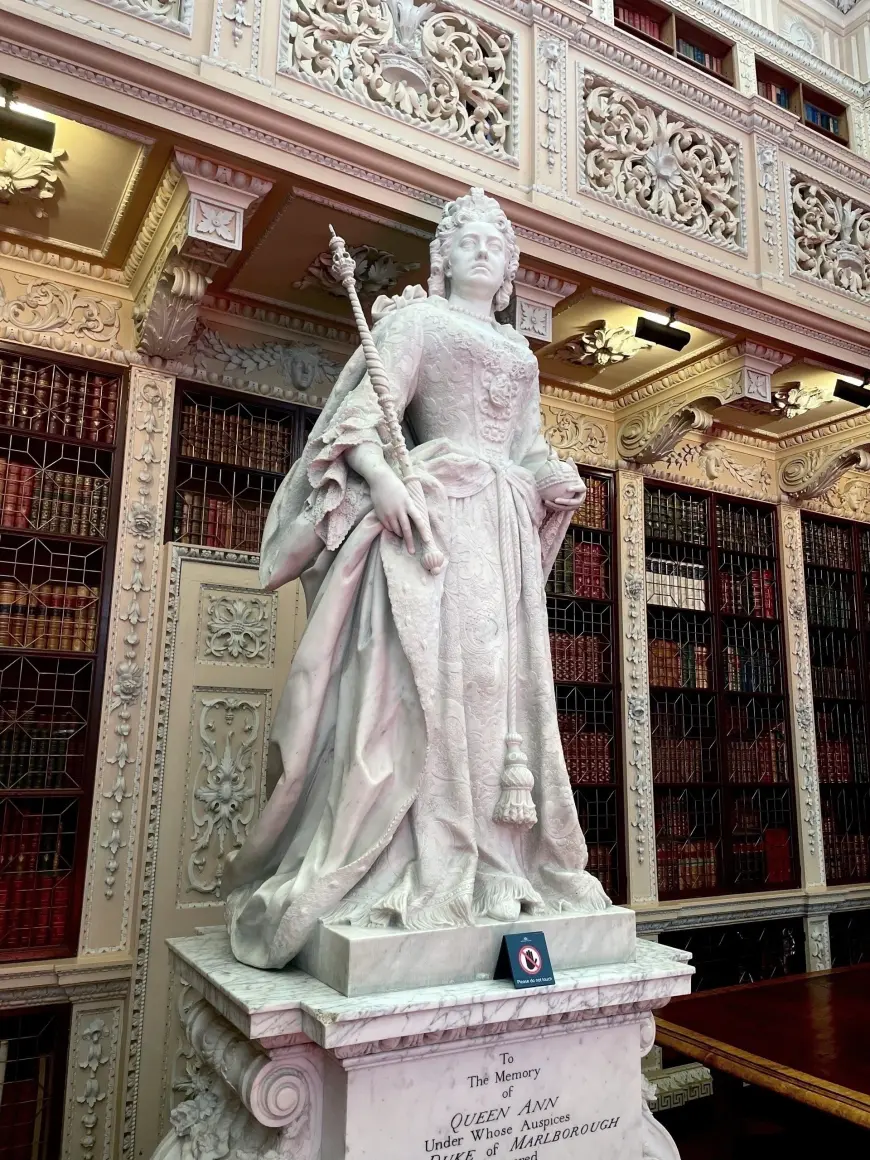
Monument to Queen Anne Stuart at Blenheim Estate:
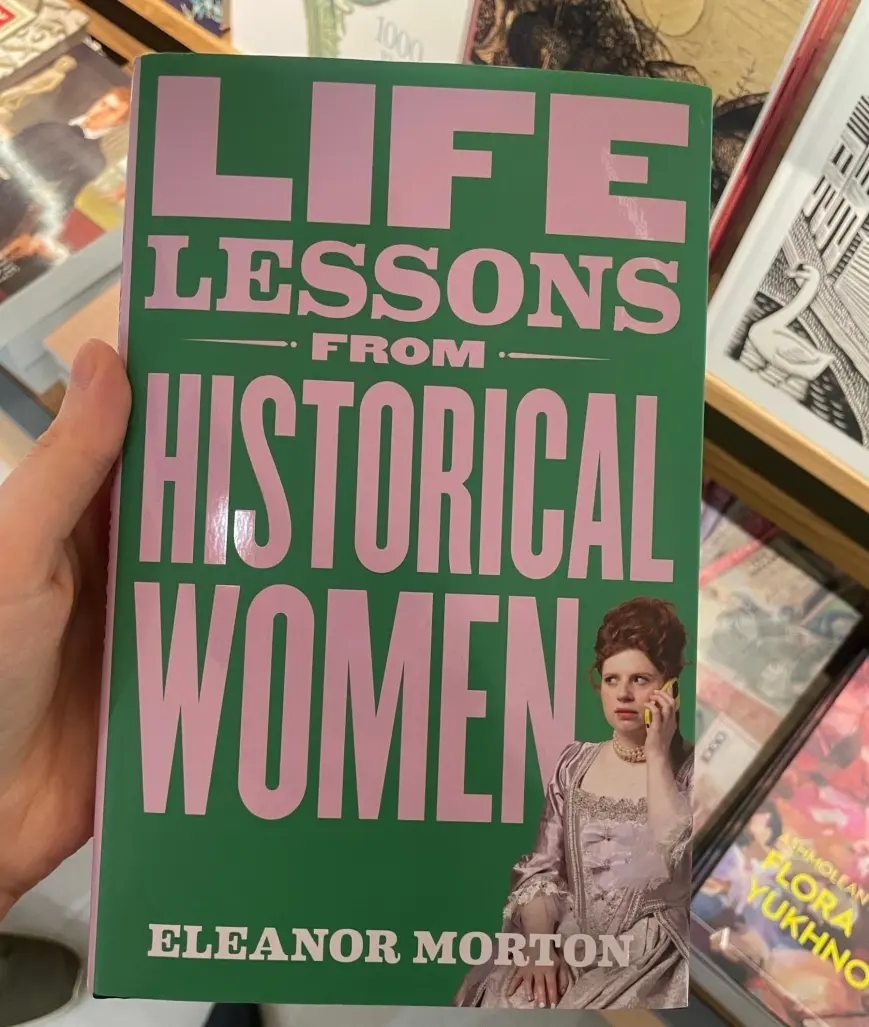
Life lessons from historical women. Eleanor Morton:
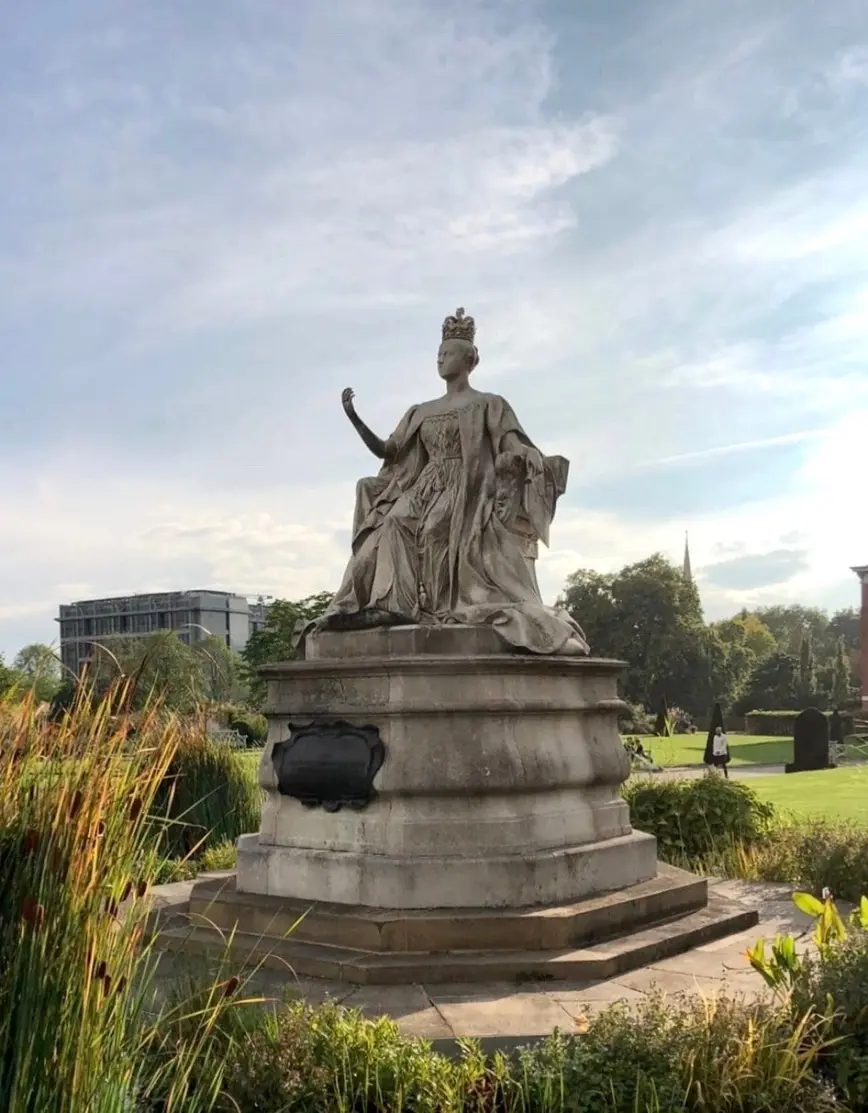
Monument to Queen Victoria in Kensington Gardens:
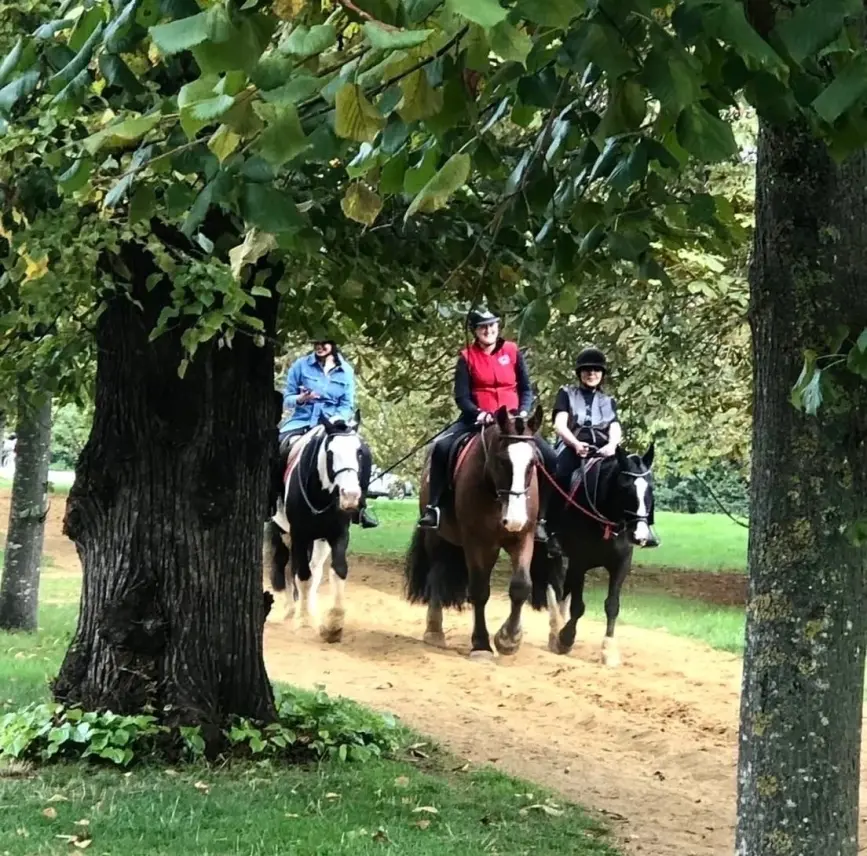
Happy smiling women in Hyde Park - they are "on horseback." At least paint a picture: "Three mighty Musketeers":
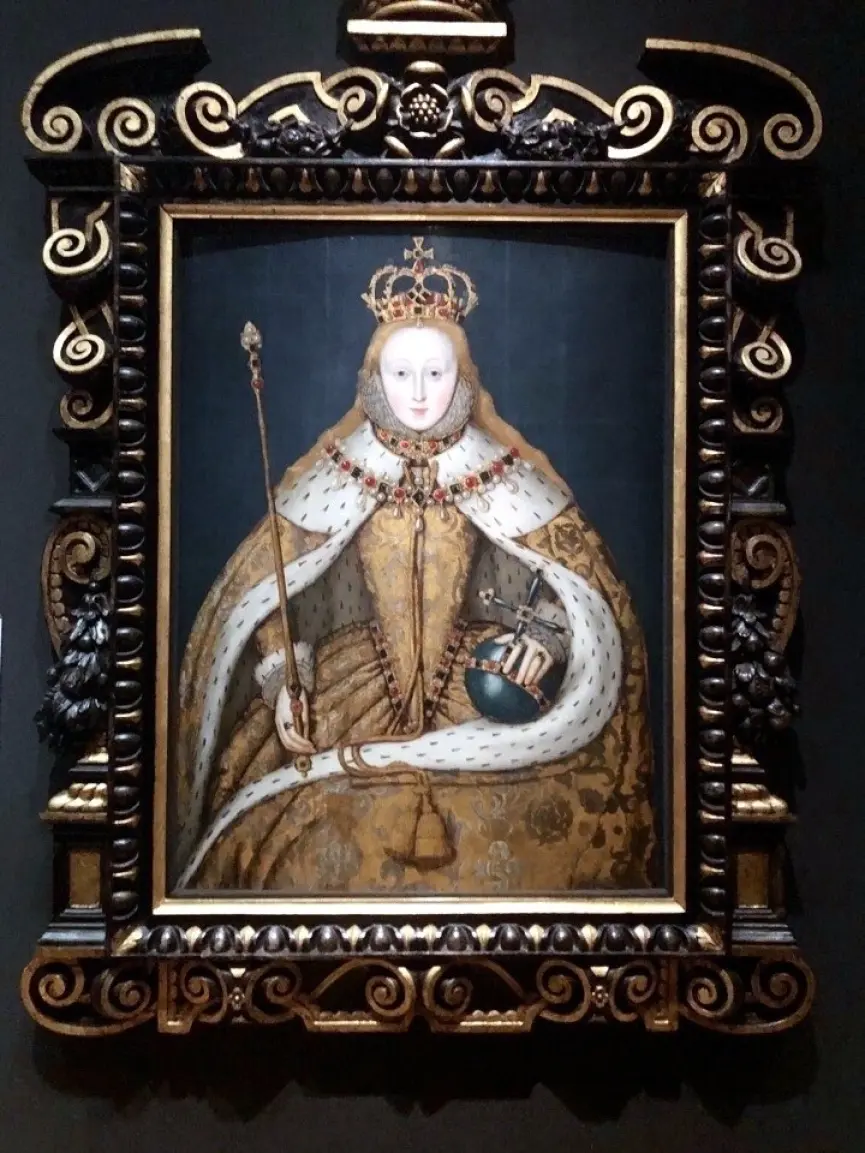
Portrait of Queen Elizabeth I from the National Gallery in London. One of the most popular and much loved British rulers. The life and reign of Elizabeth I were as dramatic as possible:
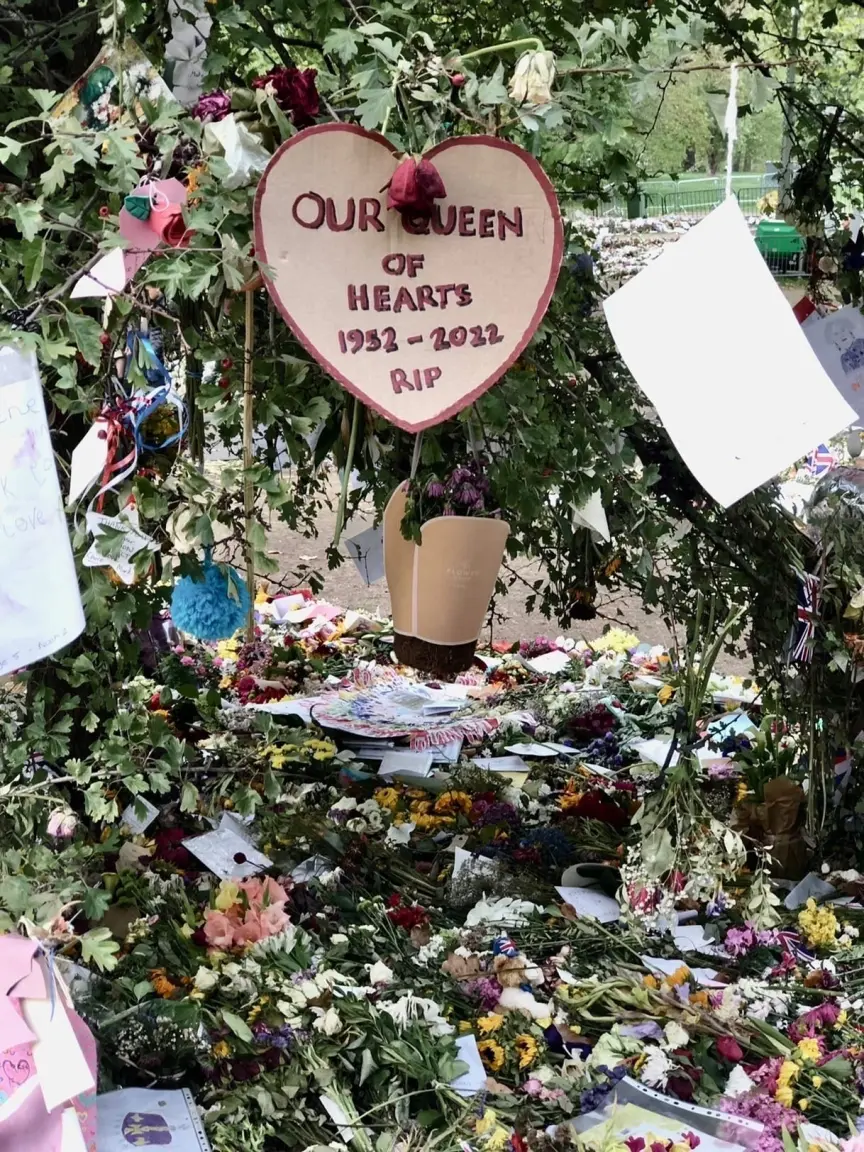
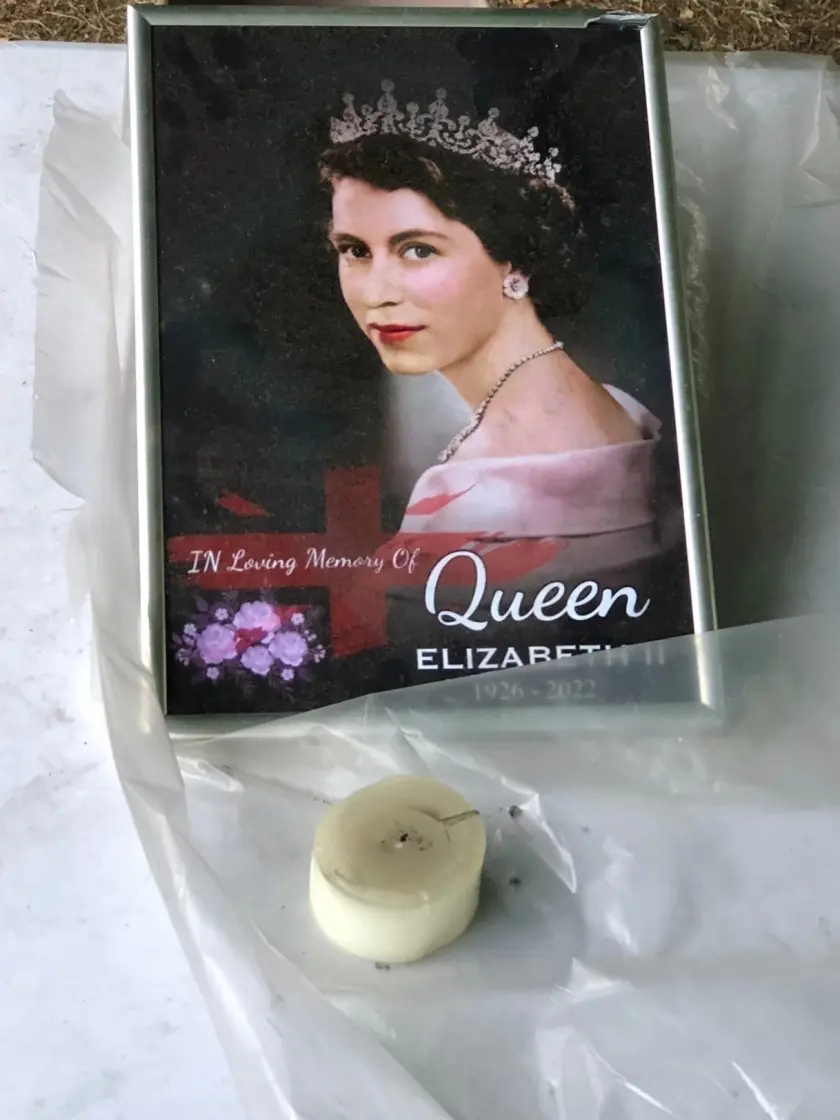
Mourning the death of Elizabeth II in Hyde Park: the entire park was strewn with flowers, posters, key chains and small gifts in memory of the queen:
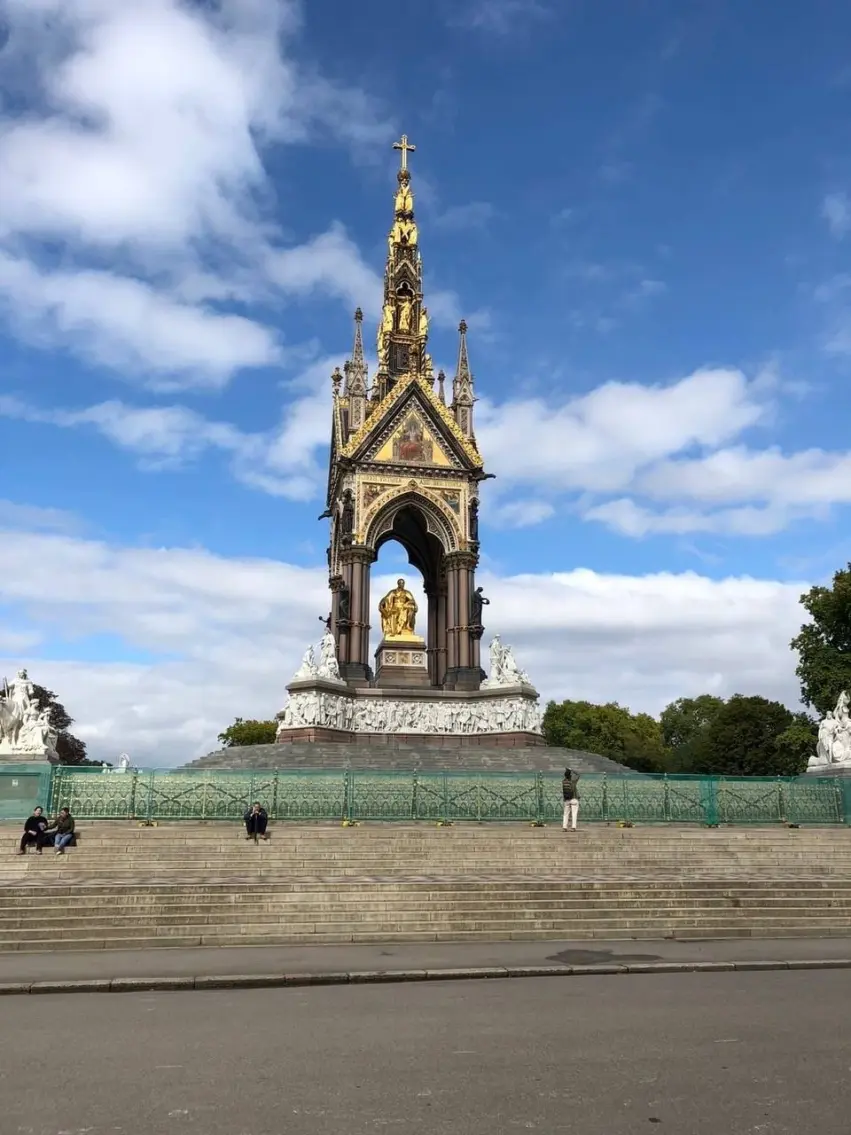
The Prince Albert Memorial. Queen Victoria loved her husband so much that she built such a grand monument after his death: