Porto Covo remains the friendly fishing village of small white houses, which was recovered by the Marquês de Pombal after the 1755 earthquake.
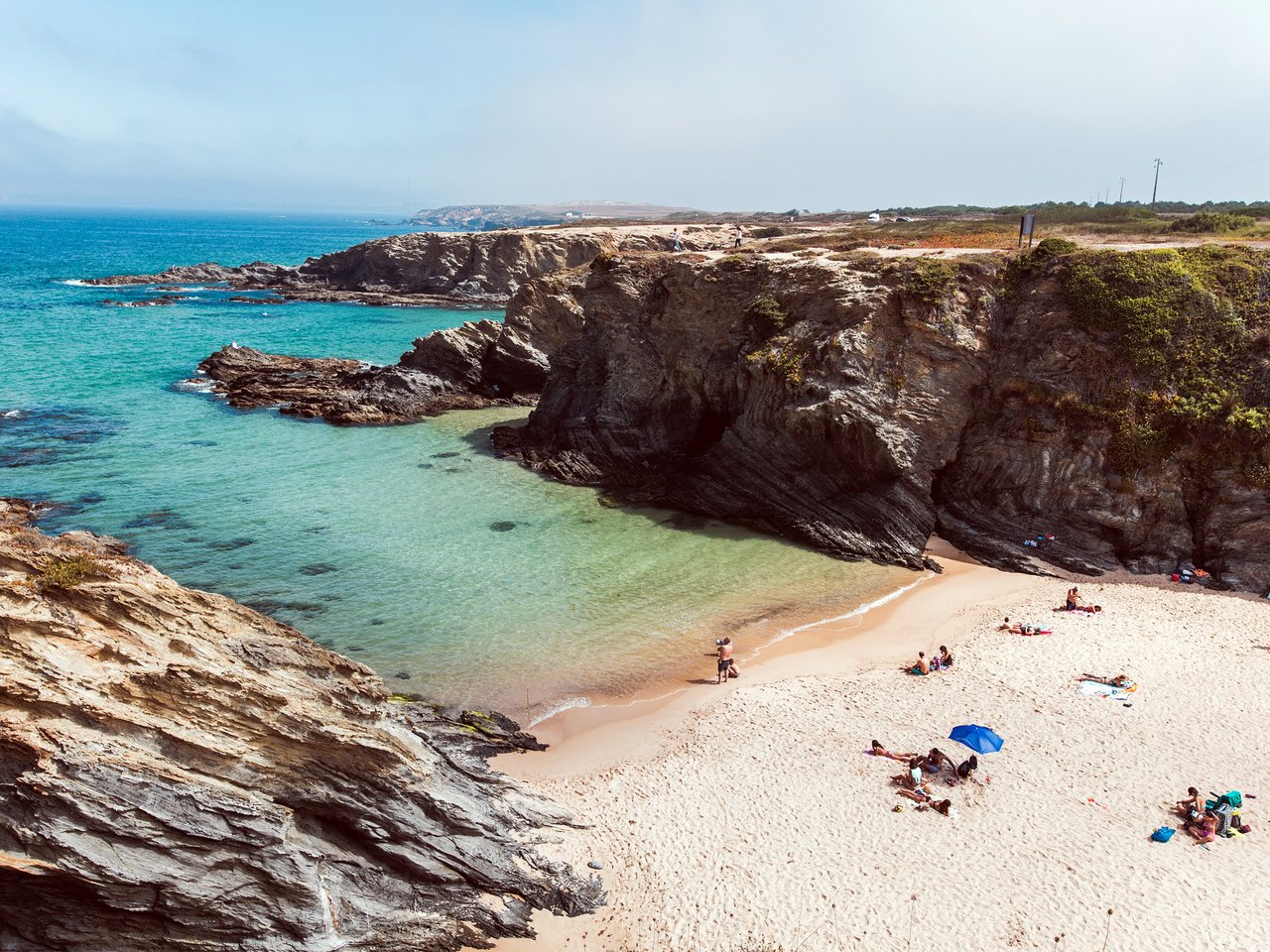
The visit is well worth it for the beautiful craggy and hidden beaches that lie along the coast. During the summer many visitors come to this area to regain strength, finding the calm and tranquility lost in time.
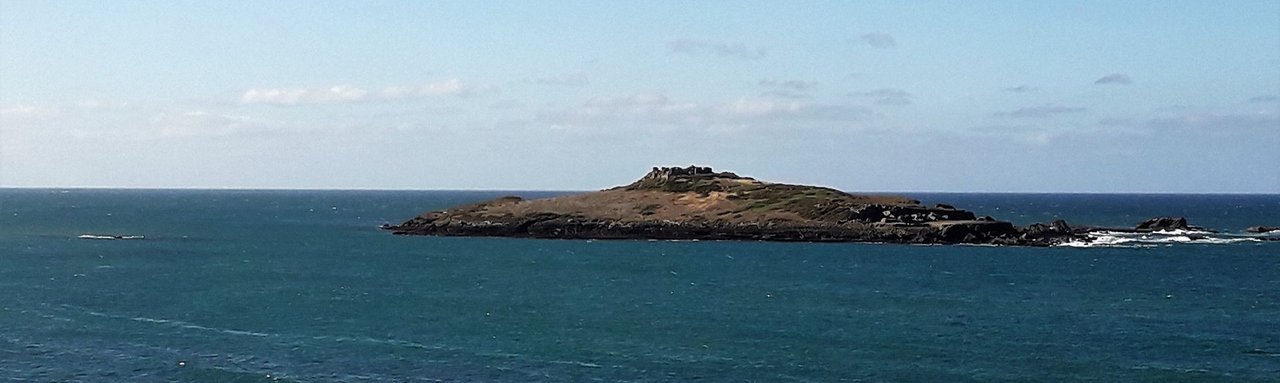
About 250 meters off Porto Covo, you can see the abandoned Pessegueiro Island, a source of inspiration for the most poetic. There were traces of Carthaginian occupation during the 19th century. Roman occupation, namely fish salting tanks, but tradition and imagination tell us of a haven of pirates over the centuries.
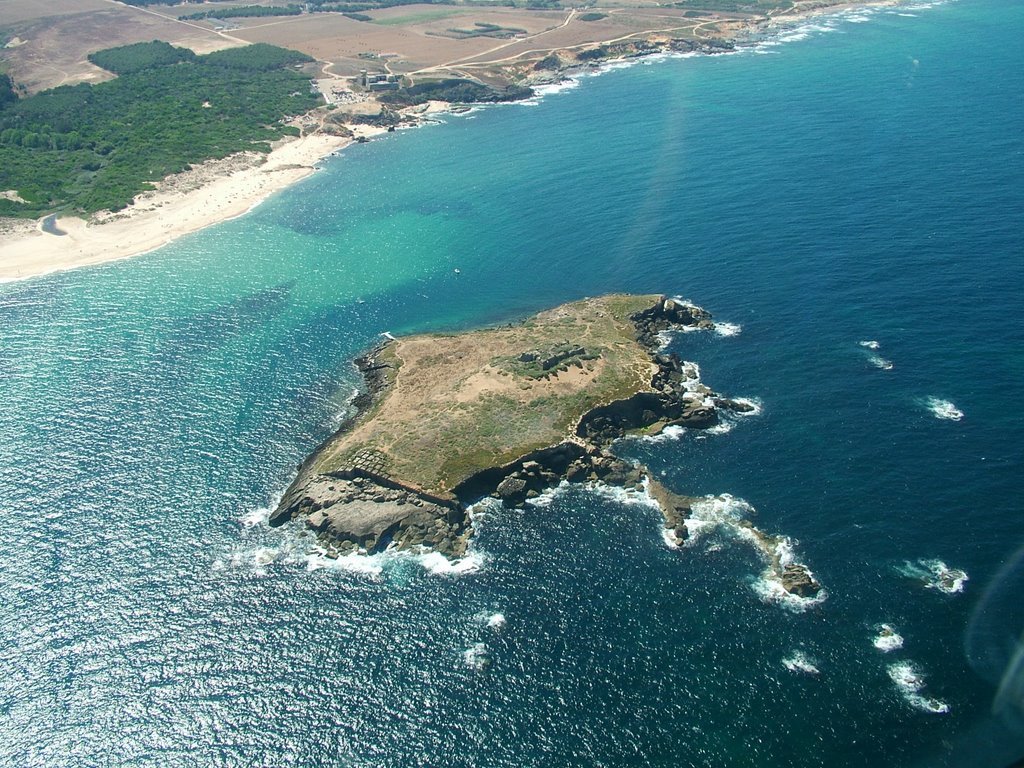
Beach of Pessegueiro Island is located in front of the island that gives it its name, where there are traces of a very old occupation, such as the fish factory of the Roman era, which is thought to be the origin of its name by derivation. from the Latin "piscatorius".
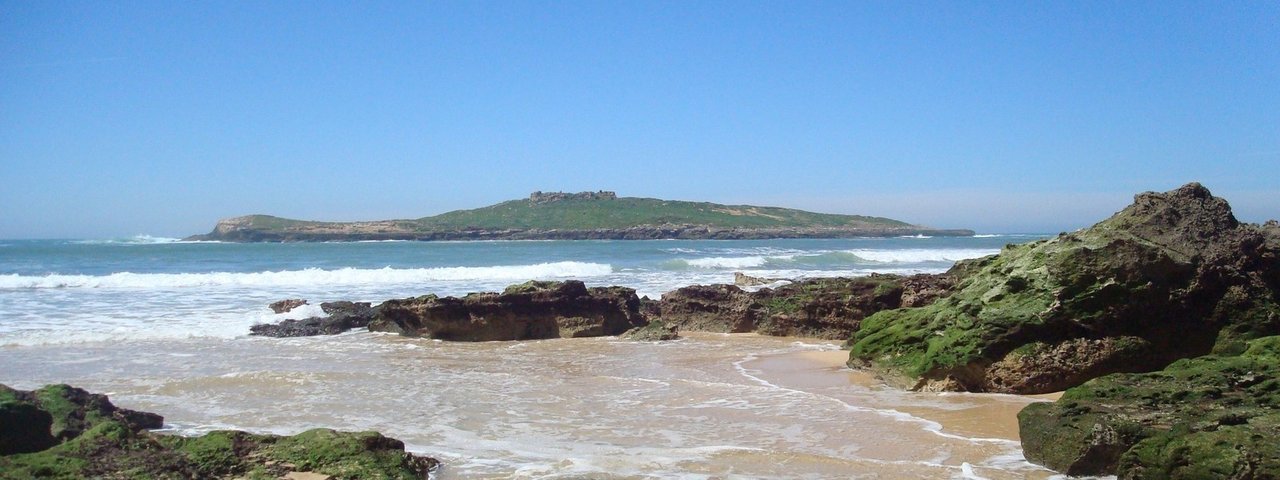
During the summer, several boats offer visits to the island, crossing the channel that was used as a haven by the Romans and Carthaginians, which nowadays offers excellent conditions for water sports such as windsurfing, canoeing and diving.
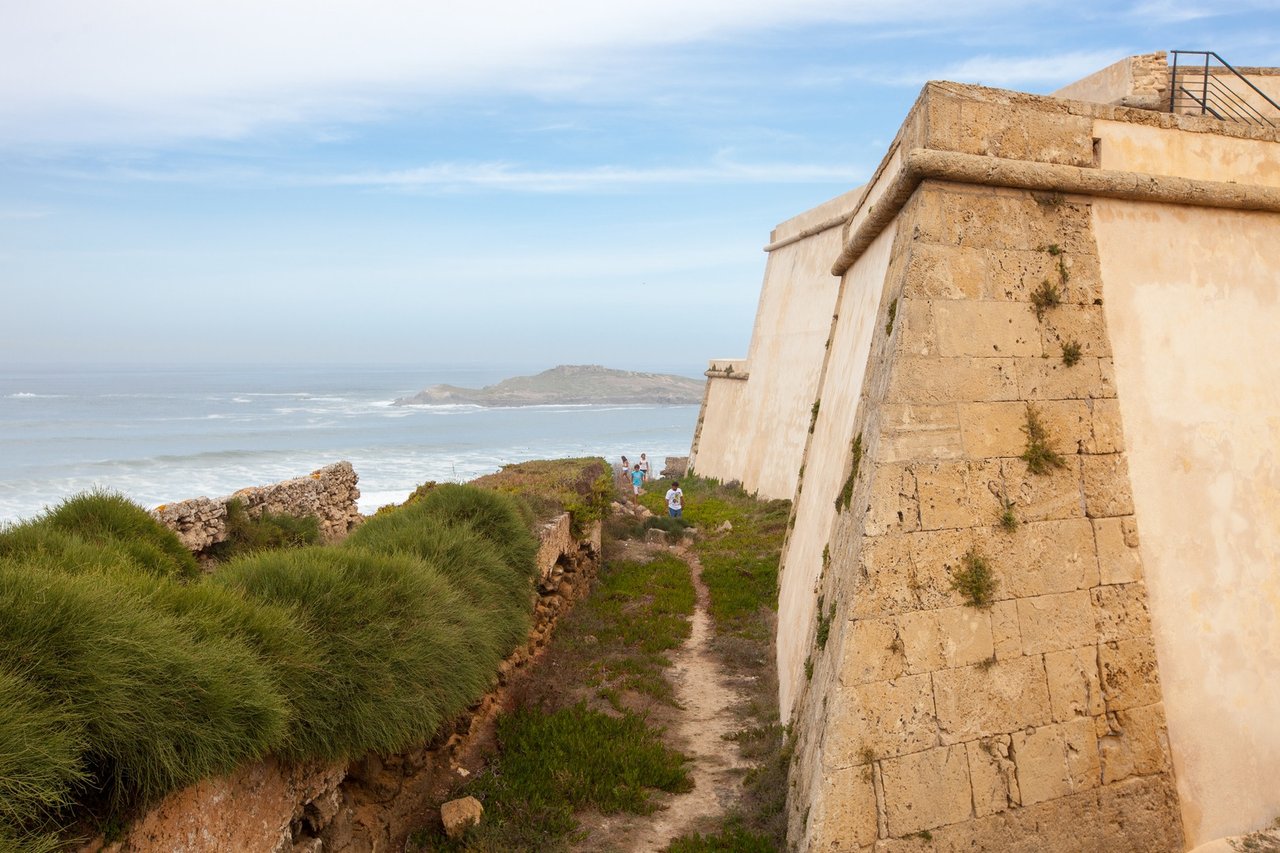
Today, ruins of a fort built in the 19th century can be seen. XVII who, together with a twin fortress in Porto Côvo, defended this part of the coast. The bravest can try to get to the island, but be careful, as there are no organized visits.
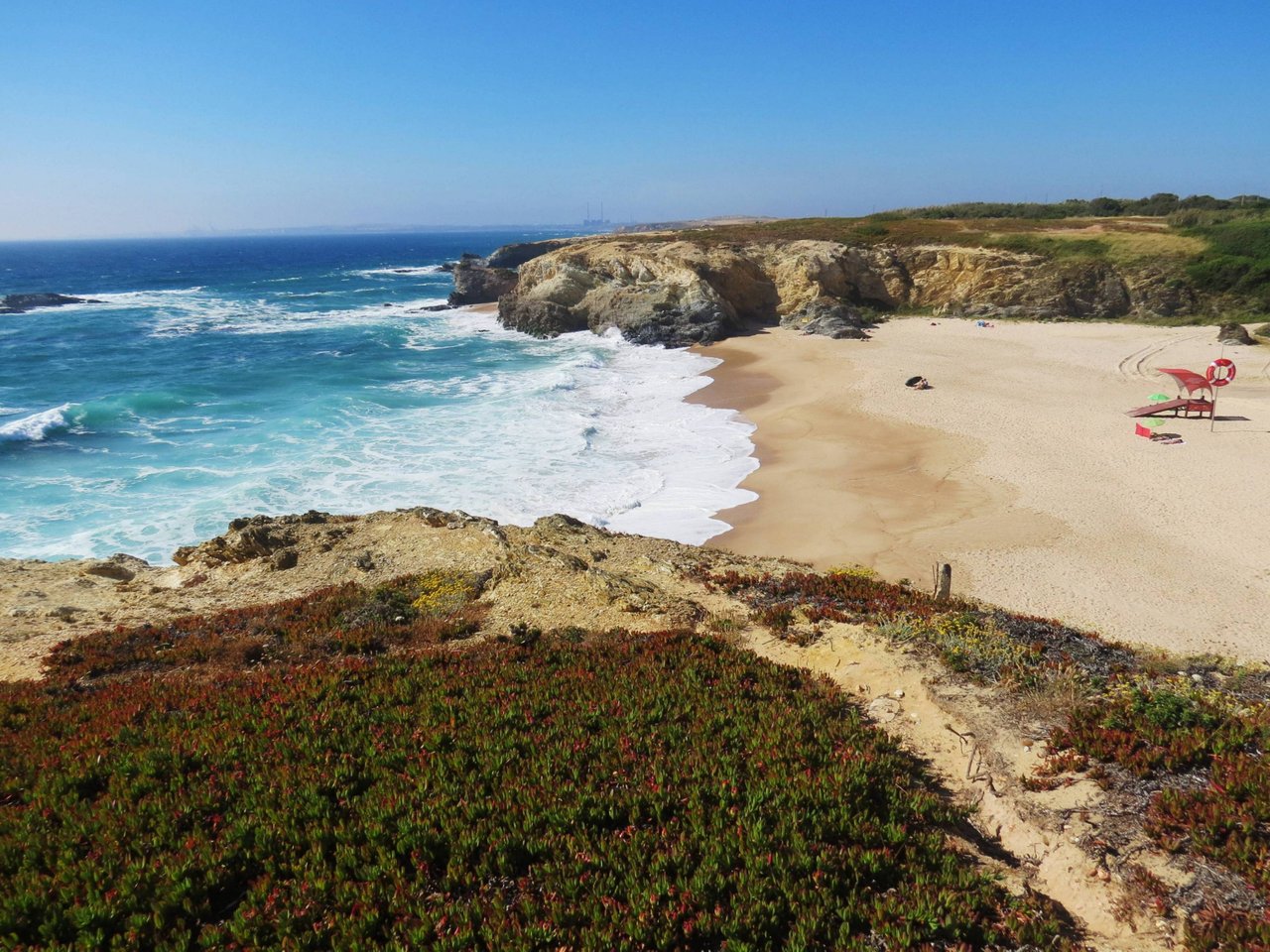
In the village of Porto Covo there is Praia Grande located about 160km from Lisbon one of the most sought after by locals and tourists, considered by some to be the urban beach of Lisbon tourists.
Sea beach, is guarded with lifeguards. It has beach facilities, parking, sand cleaning and garbage collection.
Water and sandy in conditions, so it bears the blue flag. It is very good for surfing.
The temperature of this slightly low Atlantic water of 15ºC, considered a vacation paradise.
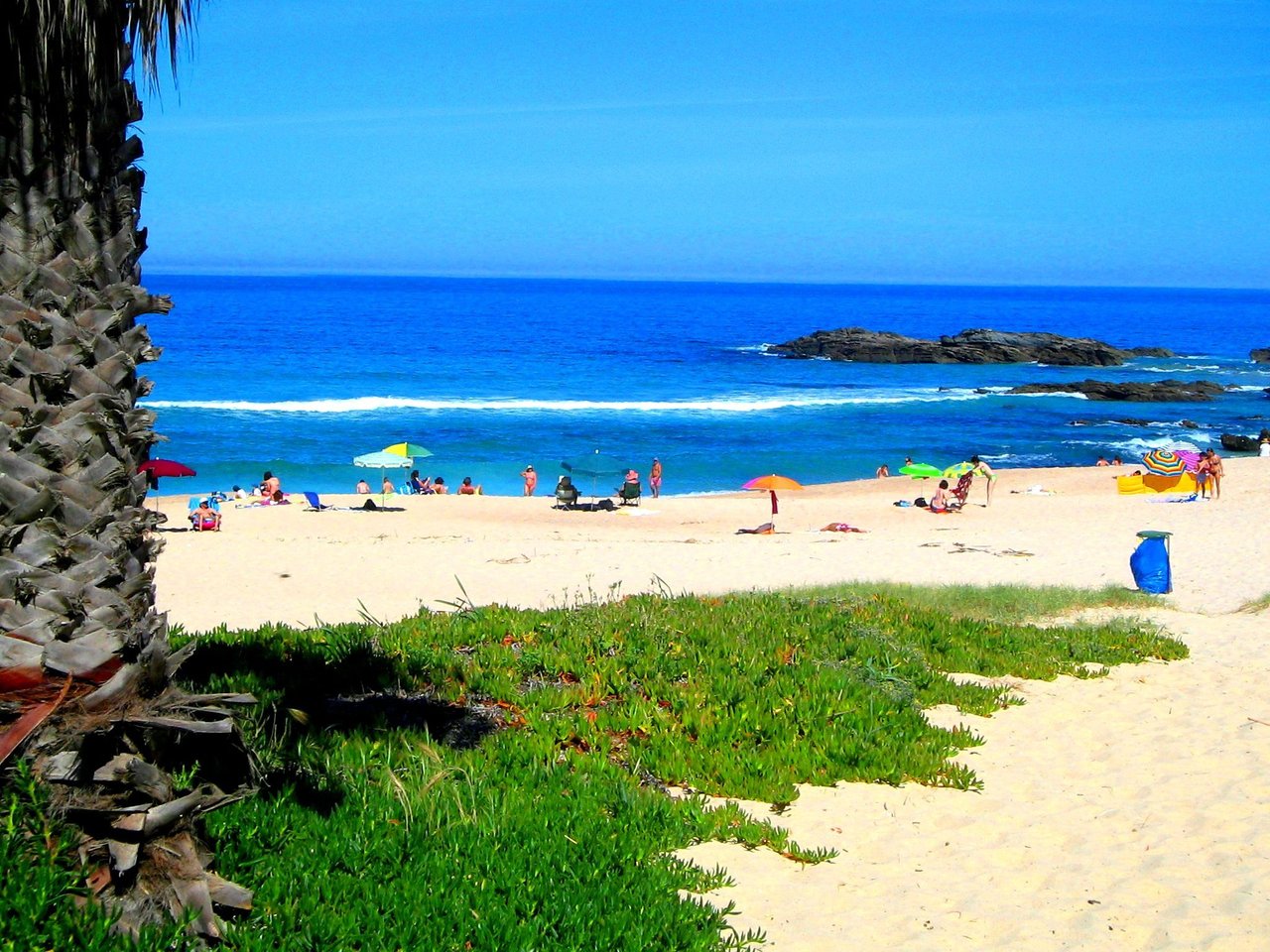
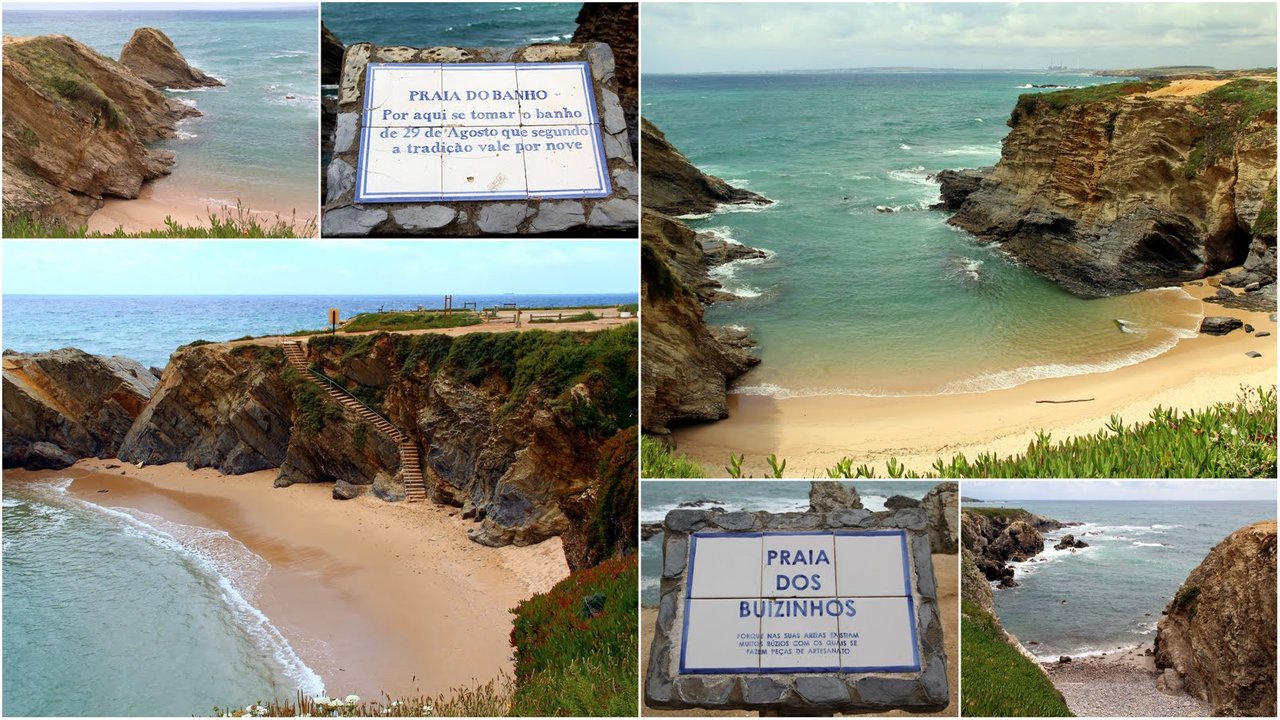
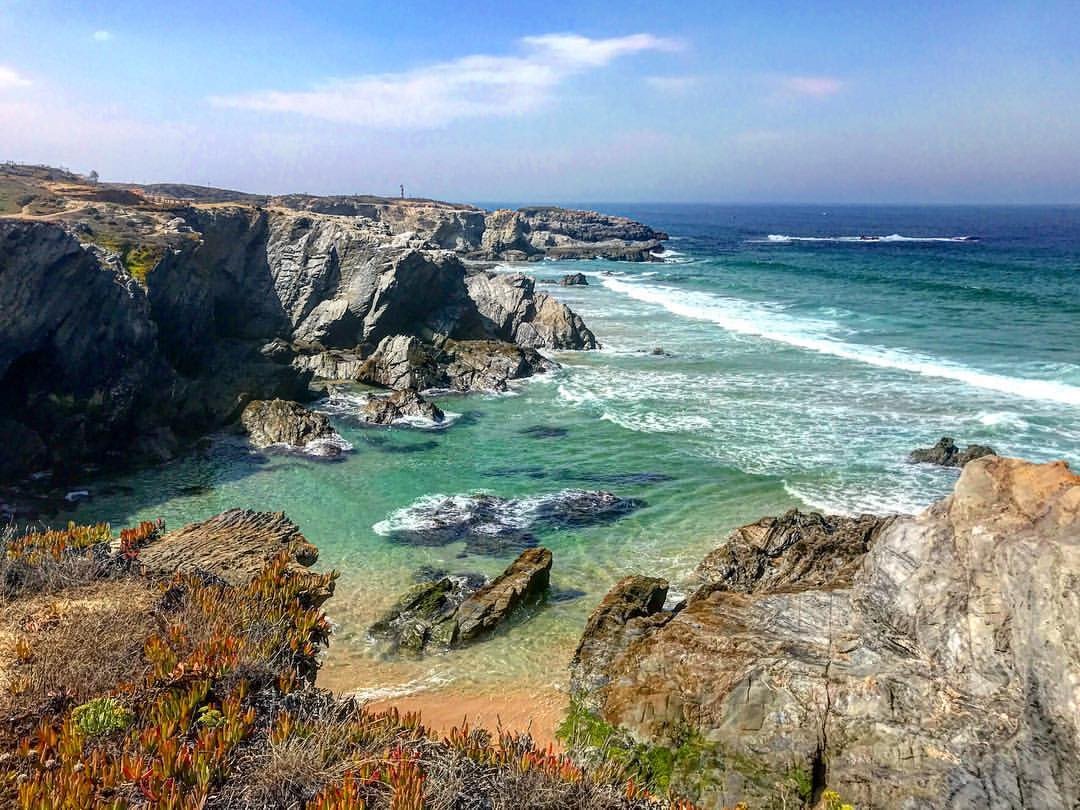
Praia Espingardeiro, Praia Vermelha and Praia dos Buizinhos are small sandy beaches on the rock-cut coast, creating almost wild and intimate environments.