The obesity epidemic is sweeping the nation at an alarming rate. Adolescent obesity has been growing steadily over the past few years as well. For our case study subject, Michelle, a 15 year old student with obesity, we will try to understand her personal health issue and her age specific population. Michelle is considered morbidly obese by her doctor because of her BMI and she is taller and overall bigger than the other kids her age. It is stated that she doesn’t get much exercise besides her one gym class per week. The case study also said that she skips breakfast but does eat school lunches, then goes home to snack on a bowl of cereal before dinner.
The case study, though gives clues to her life, leaves much to the imagination as far as her family dynamic and financial status. Michelle, like many others her age, are at a vulnerable time in their lives as they develop into young adults. Their choices now can affect the rest of their lives. Habits formed as children followed them into adolescence and weight issues, if left unmanaged, could result in serious health issues carried into adulthood. In order to get a better understanding of adolescent obesity, we will look at the prevalence in the U.S, symptoms, causes, health effects, and potential prevention and treatment options.
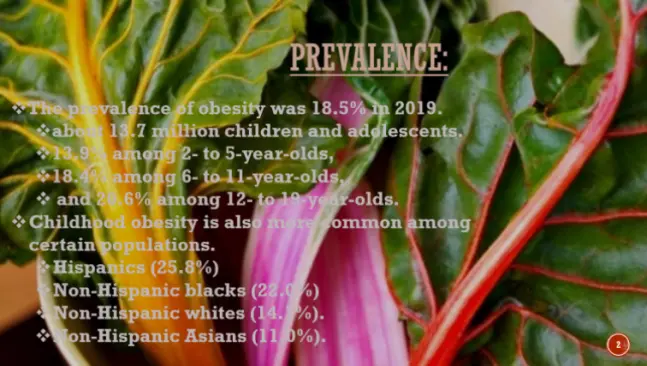
In a study by Telese et. All, on the economic, social, and environmental impacts of obesity it is stated that the prevalence for adult cases of obesity in the U.S was 35.3% in 2013. They go on to say “even more worrying, however, is the significant prevelance of obesity recorded among children because, excess weight in preteen and teen age, is a predictor of the presence of obesity in adulthood, more than a third of children and about half of teenagers, in fact, keeps this condition as adults” (Telese et all, 2016).
The data collected in this study suggest obesity in adolescence continued into adulthood is a risk factor for serious and often disabling chronic disease. Our case study subject Michelle, being considered morbidly obese at 15, is at risk for developing disease in adulthood. In a study from Nepal about knowledge of obesity among school aged children, Pandey A Sapkota, writes
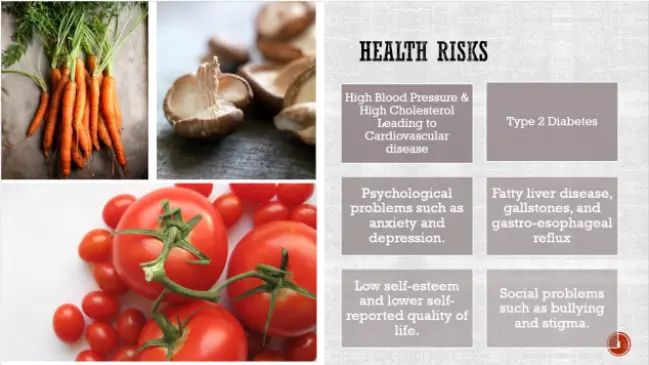
"the consequences of childhood and adolescent obesity are far reaching, not only including health related physical outcomes, such as high blood pressure, high cholesterol, metabolic syndrome, type 2 diabetes, orthopedic problems, sleep apnea, asthma, and fatty liver disease, but also psychological, social and behavioral consequences, such as a risk for problems related to body image, self-esteem, social isolation and discrimination, depression, and reduced quality of life” (Sapkota, 2018).
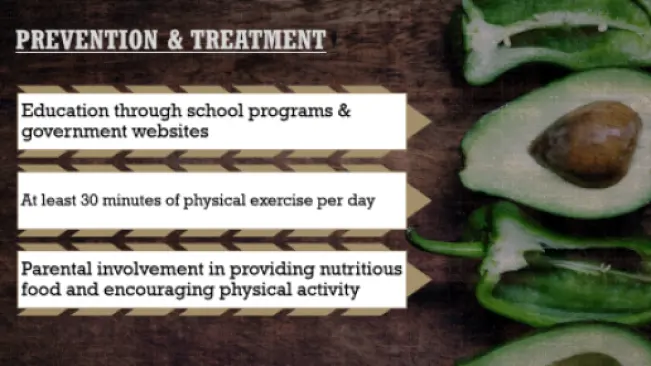
As we can see, there are significant health concerns for over-weight children and teens. In order to avoid and prevent unwarranted weight gain and potential health issues we must figure out what causes weight gain and why it has become and increasing issues over the past years. What type of foods are these kids eating now that are different than they were 50 years ago, and also what types of physical activities are they or are they not partaking in? Michelle P Maidenberg did an investigation in the inner city Central Harlem to see how lower income families were affected by financial burden and if this affected the rates of obesity in these neighborhoods.
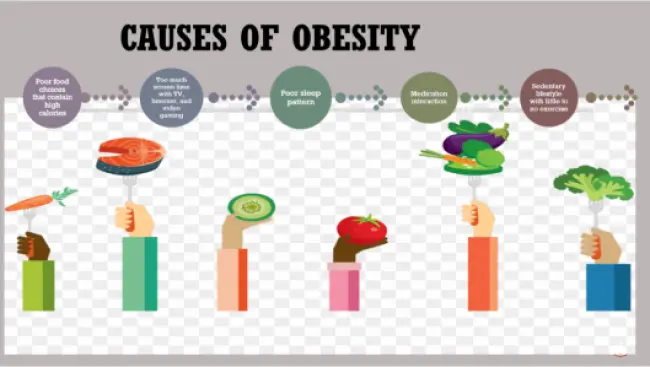
According to her findings, in 2012 more than one third of children in the U.S were overweight and that fact has doubled in children and tripled in adolescents in the past 30 years. Ethnic communities such as African American and Hispanics show a 40 percent rate of overweight or obese children. In Maidenberg’s research she found that obesity in children can be related to “a high caloric intake, a sedentary lifestyle including excess television viewing, high fat foods, and large portion sizes” (2016).
Our case study subject Michelle only exercises once a week in gym class leading us to believe the rest of her time is spent sedentary, predictably in front of a television or computer. Maidenberg further explains in depth the food choices lack a variety of fruits and vegetables, in fact, more than eight in ten adolescents say they eat fewer than five servings of fruits and vegetables a day. They also state that they don’t get the recommended amount of daily exercise either.
Much of the weight gain in children isn’t contributed solely to the foods they’re eating, but to the beverages. Full fat milk, sugared soft drinks and fruit juices also contribute significantly to caloric intake. In Maidenberg’s research she found that $866 million was spent by beverage companies in advertisement aimed at children in 2013 through youth based web sites.
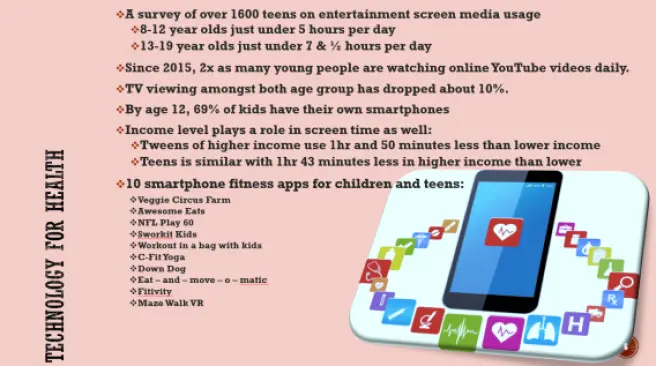
Income levels can also significantly affect the occurrence of obesity in children and teens. Many studies focused on “understanding how the variation in prices can influence the quality of the diet, calorie intake, and body weight.”, “parts of the population with medium to high levels of income and high education the percentage of obesity appears to be quite low, in the parts of the population with low incomes and primary education the rates of obese individuals appears to be much higher (Telese, et all, 2016).
This indicated that people of low income cannot afford the more expensive healthier foods. They are forced to buy prepackaged meals that are lower price tags and typically contain a higher calorie, higher fat, higher sugar, and higher carbohydrate content. Higher income families have the means to buy fresh produce, dairy, and meats with a higher price tag and higher nutritional content. Our case study subject Michelle chooses to eat a bowl of cereal after school most days. This could be an indicator that she may be from a lower income family if a prepacked food option is chosen over say a fresh piece of fruit for snacking.
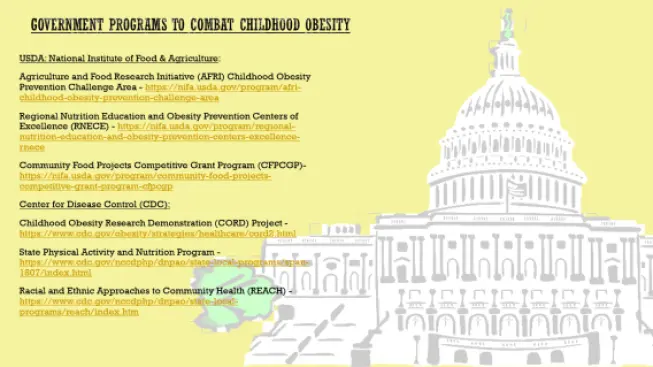
Prevention efforts of weight gain and obesity in children and teens should be obvious such as regular physical exercise such as sports and outdoor activities and limited screen time. Also a balanced diet recommended for children and teens consisting of multiple servings of produce, proteins, and whole grains, and limited amounts of fats and sugars.