My recent walks through the park have yielded many natural surprises, specifically several mycological discoveries. I'm referring to several species of mushrooms I've never encountered before in Silesian Park.
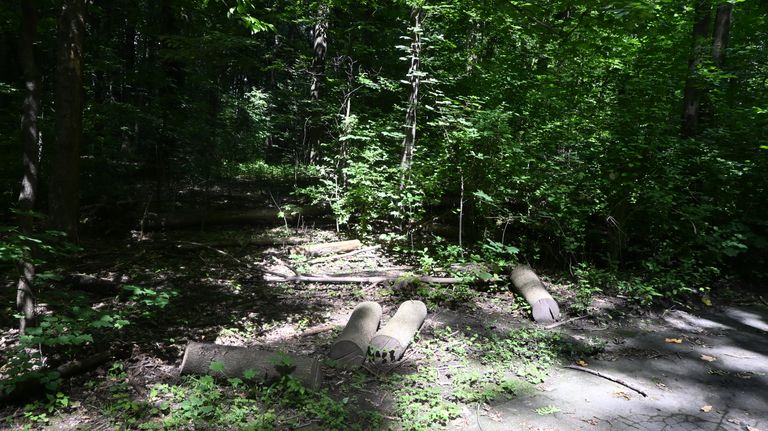
I think that the presence of rare species of mushrooms in the park is a sign that the area is becoming more wild, and that the ordinary park forest, planted by man over 65 years ago, is starting to resemble the natural forests I visit from time to time outside the city.
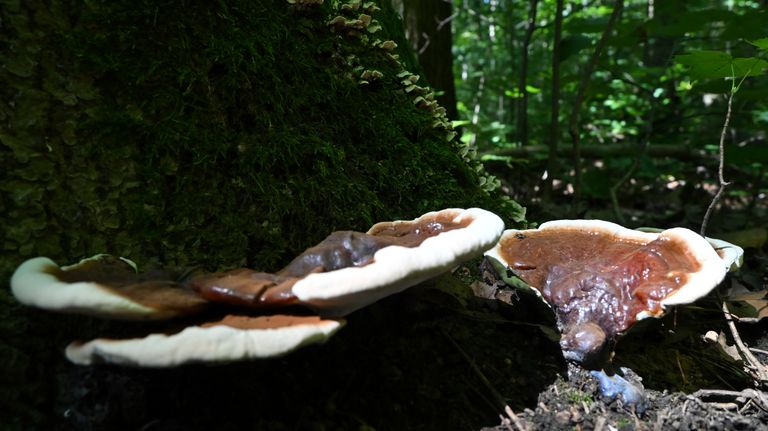
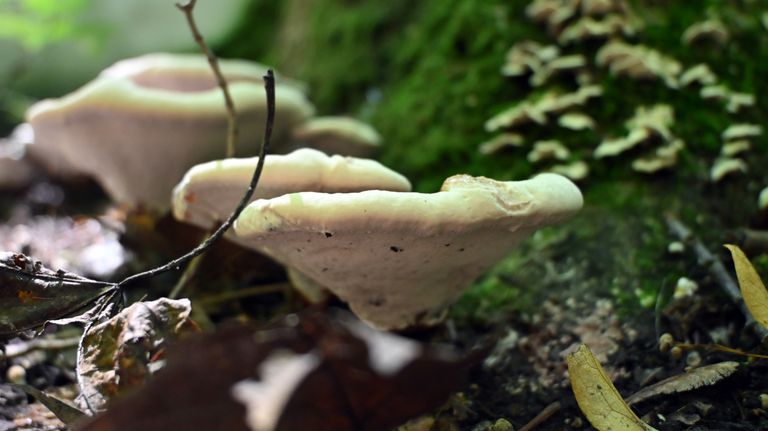
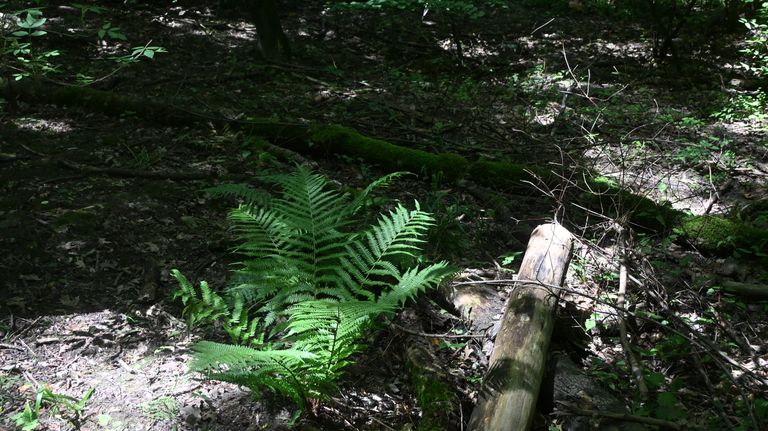
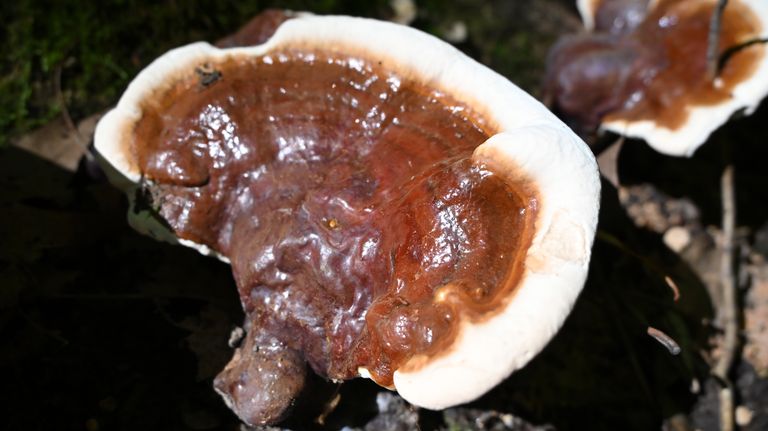
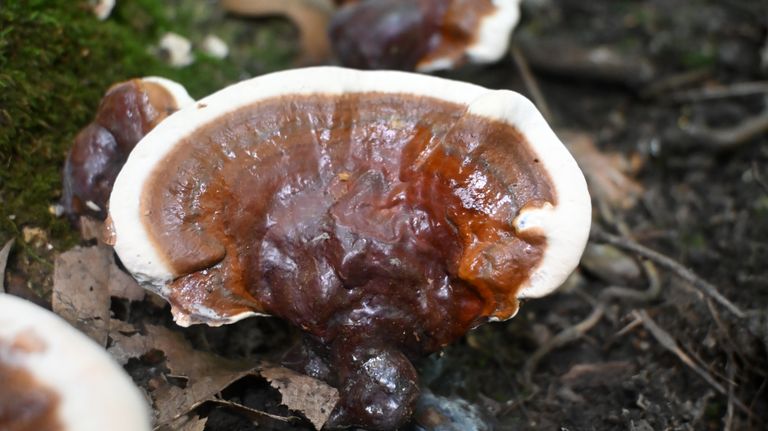
Today, one of the first discoveries I made while walking in the park was the Ganoderma lucidum.
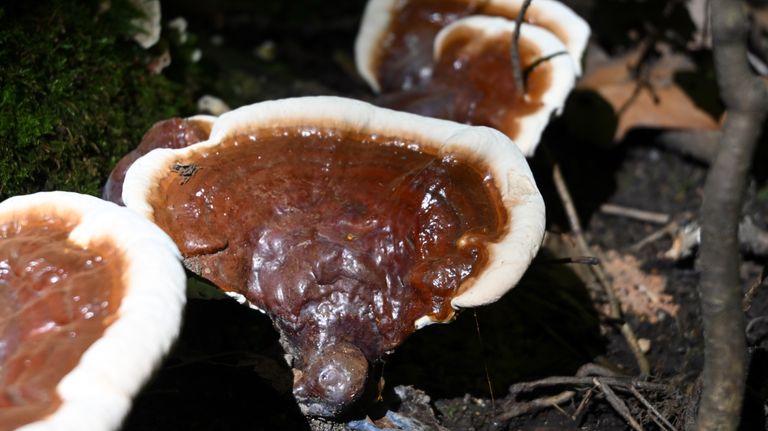
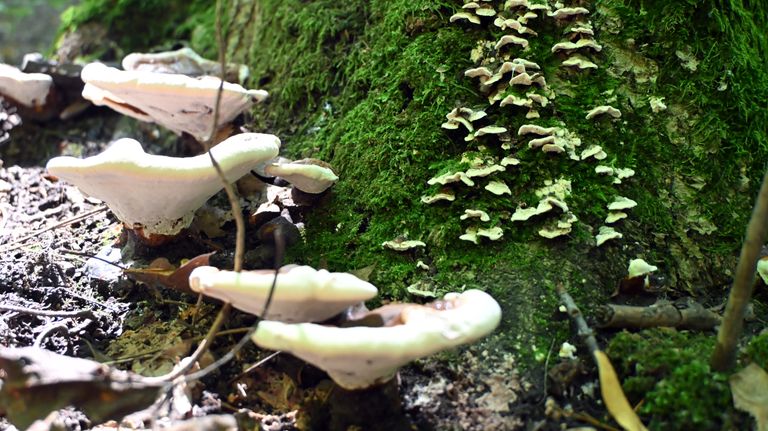
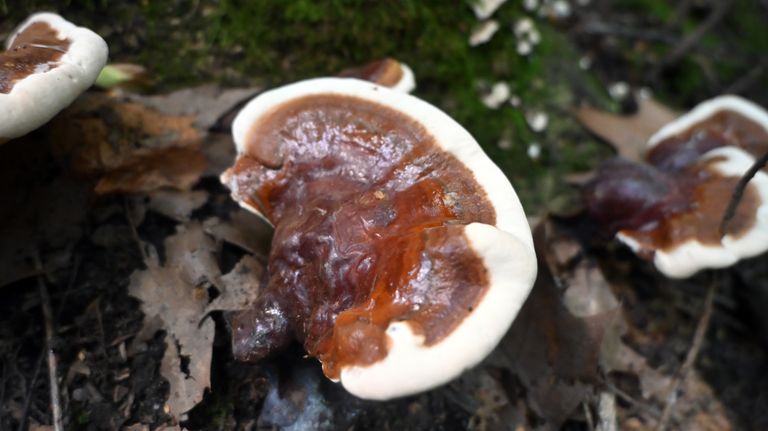
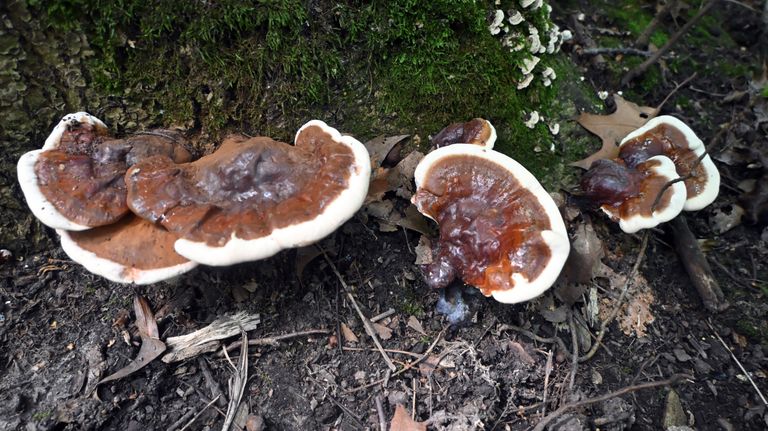
I encountered this species of mushroom in the park for the first time, and at various stages of development. From tiny spheres to fully developed fruiting bodies.
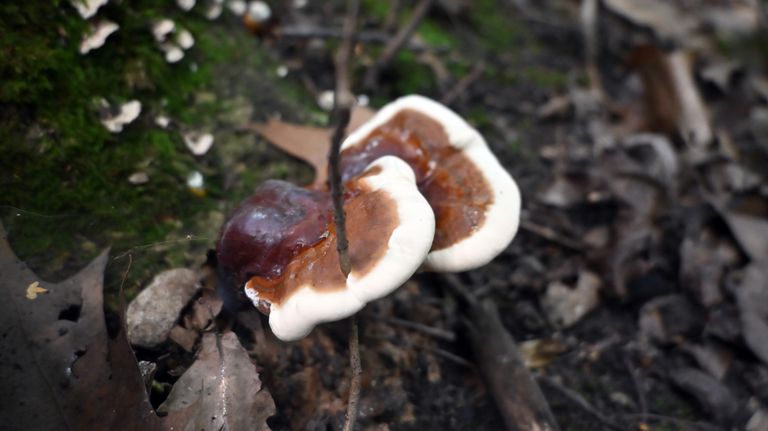
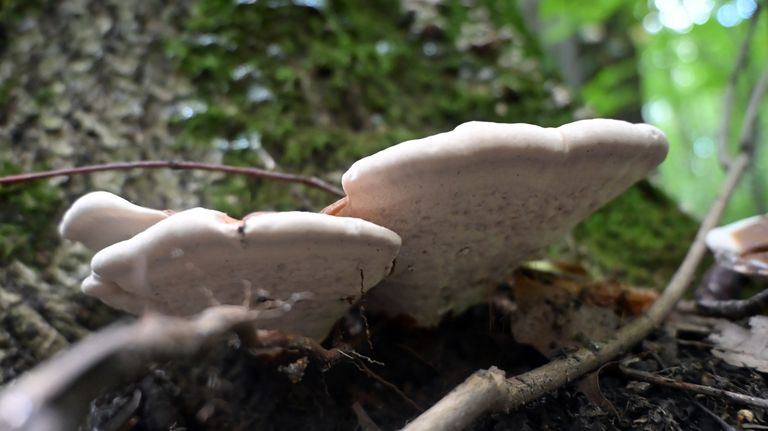
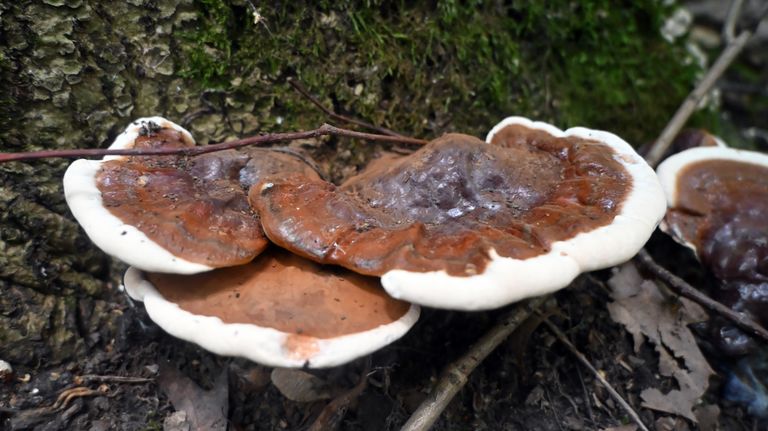
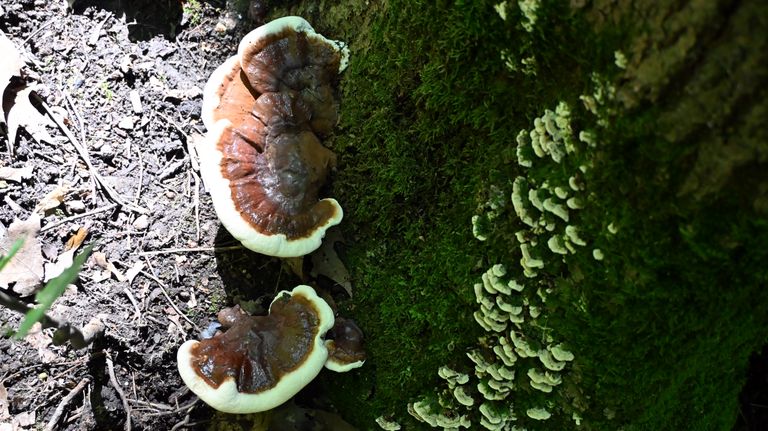
The brownish-black lingzhi mushroom belongs to the lingzhi mushroom family and is found primarily on dead coniferous trees. In this case, the lingzhi mushroom was growing on the trunk of a standing, living tree, which surprised me even more.
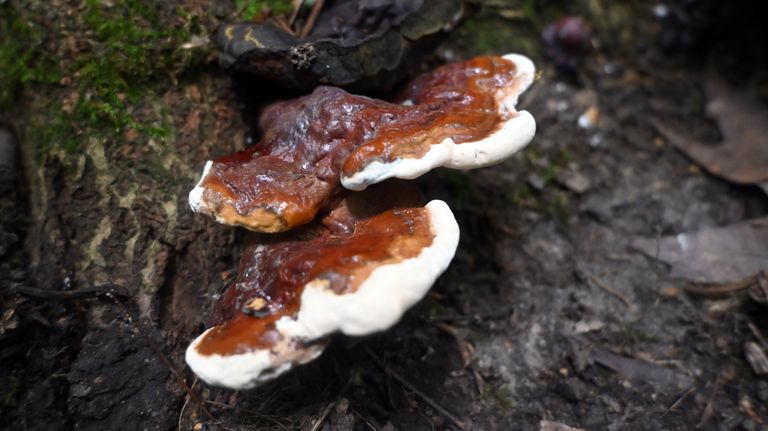
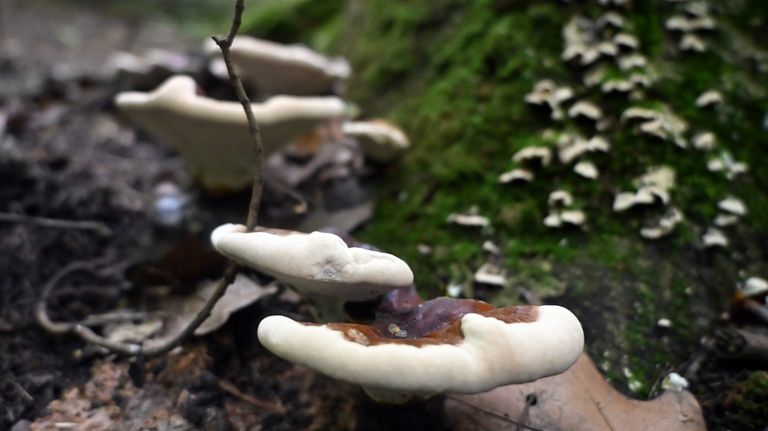
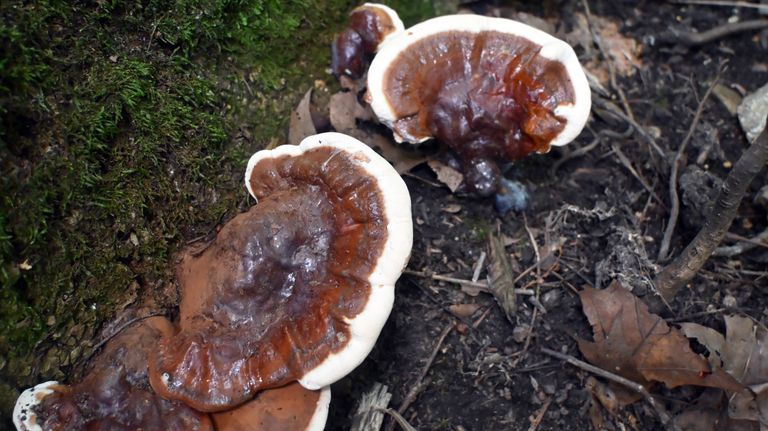
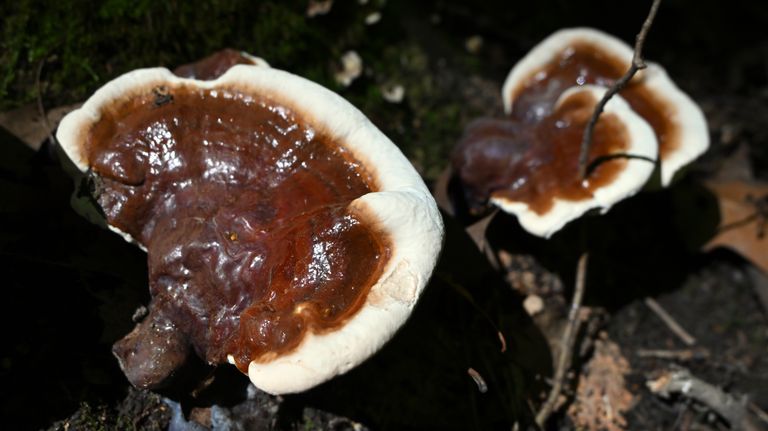
The brownish-black lingzhi mushroom is an annual mushroom. The mushroom has a kidney-shaped, oval cap, varying in color from brown, and toward the stem, to black. The edge of the cap, which is the growth zone, is usually white, contrasting sharply with the rest of the mushroom. The cap surface is shiny.
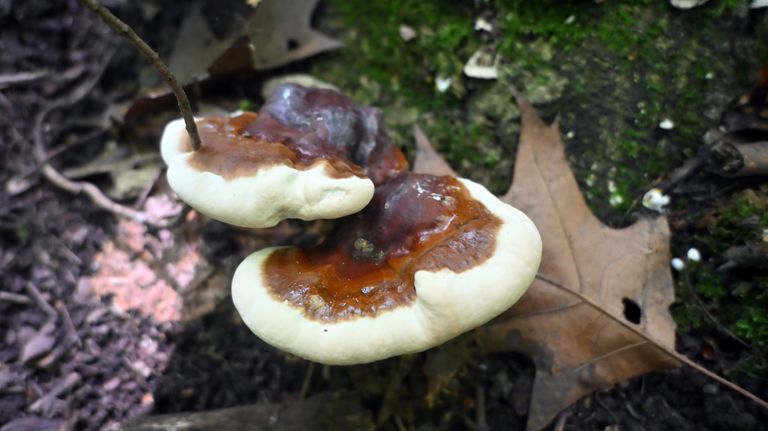
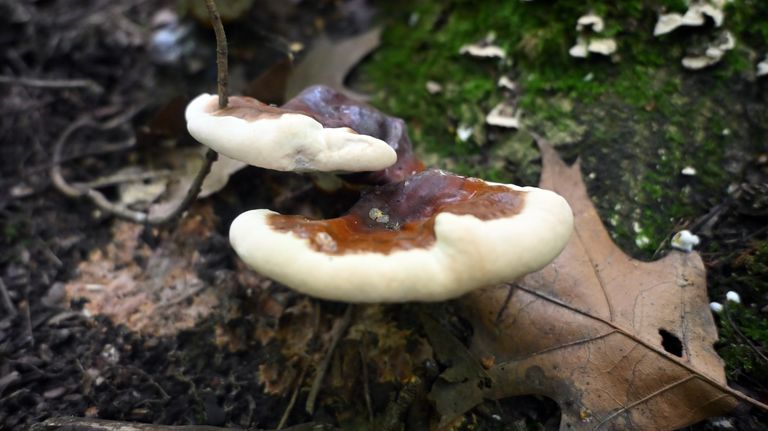
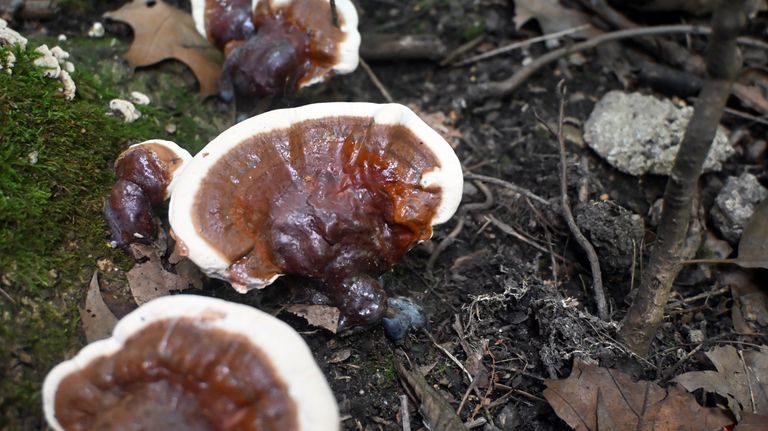
The leg is attached laterally, has a barrel-shaped, oval, irregular shape, and the color is usually dark brown, black and also shiny.
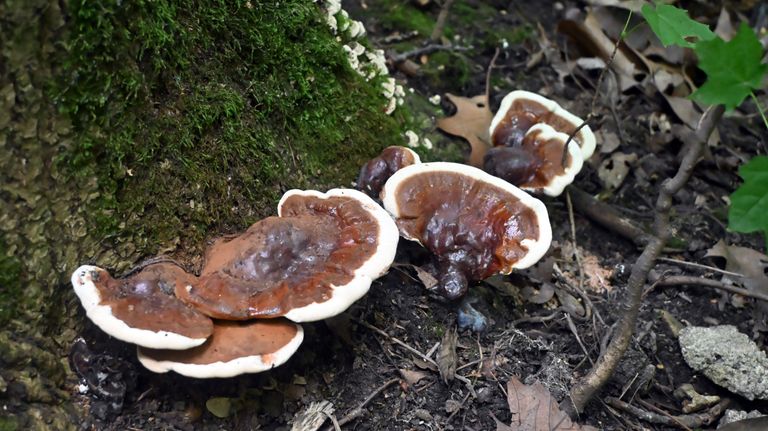
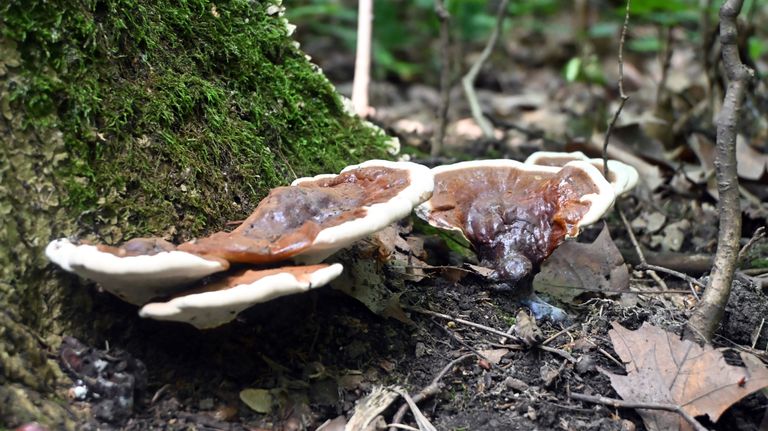
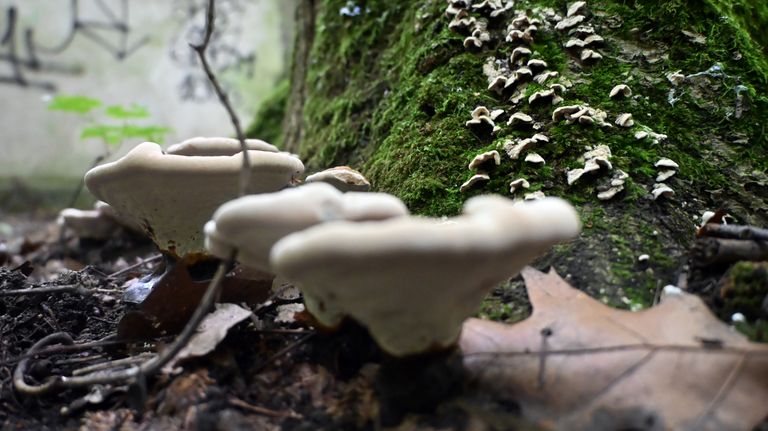
The pores and tubes, or hymenophores, are usually white or cream in color, turning brown with age. Older fruiting bodies are rusty-brown due to the spores on their surface. This gives the mushroom the appearance of a matte surface.
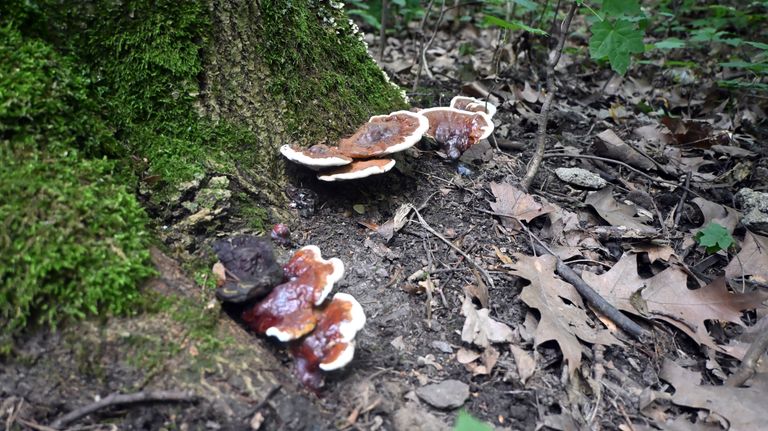
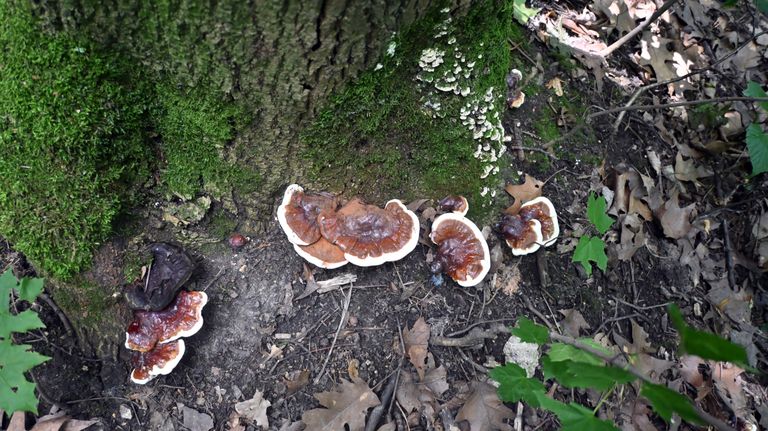
The mushroom is not poisonous, on the contrary, it is used in folk medicine, but it is inedible due to its corky flesh and not very pleasant taste.
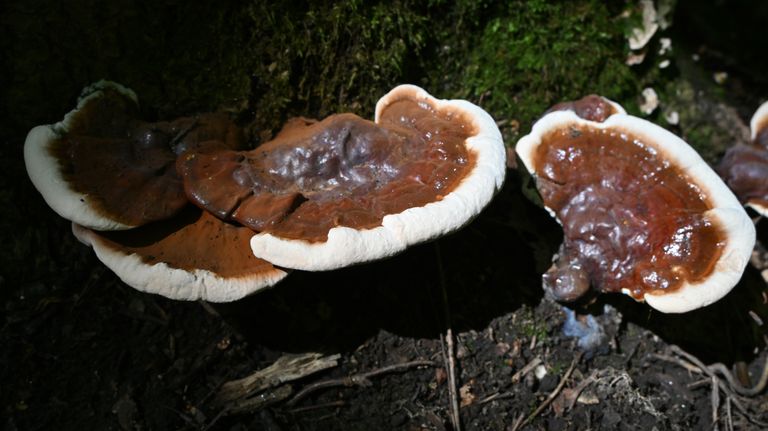
Although native to North America and Europe, this fungus is rare. It can be found in summer and autumn on the trunks of dead coniferous and sometimes deciduous trees.