
Last night I watched this Legal Eagle video, and it struck me that several novelty products operate almost EXACTLY the same as an NFT, just off-chain, which comes with many attached negative stereotypes about the value and legitimacy of NFTs as a whole.
So, today I want to explore what NFTs looked like before blockchain technology, address some of the valid criticism I've been hearing and see if there's any real value in reinventing the wheel.
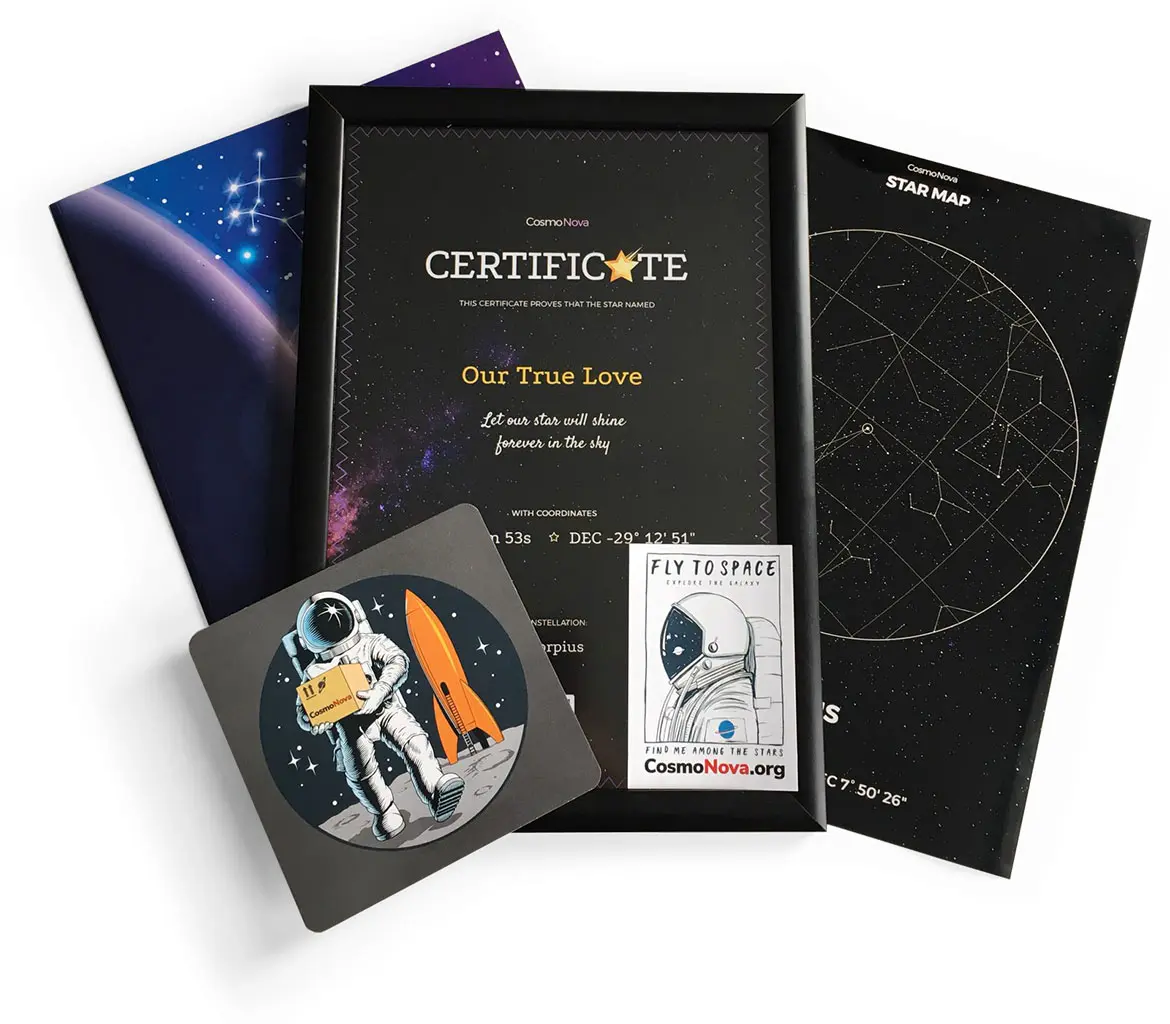
Can You Really Buy A Star?
The short answer is obviously no. But that hasn't stopped companies from trying to 'sell' stars since as far back as 1979.
By now, we know that novelty 'adopt a star' programs are essentially buying a spot in a private digital registry. NOT a physical star in the night sky.
And unsurprisingly, some people are really upset about this.
If you purchased a certificate expecting to actually own a physical star, I'm sorry to say you've been had. And yet these programs continue to exist because, for most people, it's a fun, sometimes sentimental purchase meant to make a loved one smile. Not a real estate investment.
Maybe you have a young child who dreams of becoming an astronaut, and a fancy certificate with a star named after them sounds like a cute birthday gift. Or maybe you want to surprise your spouse with a sweet romantic gesture.
And in some cases, it's a memorial meant to honour a loved one who has passed away.
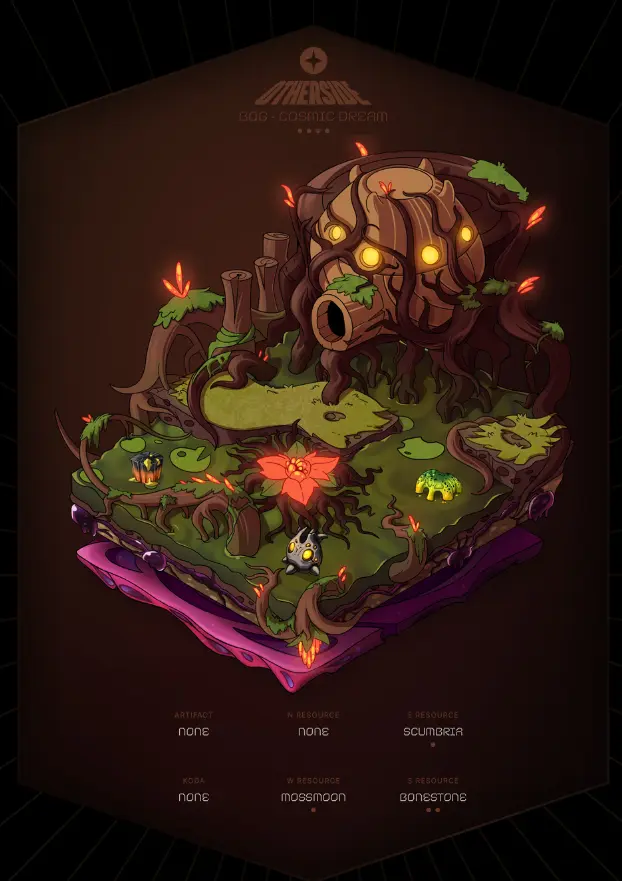
I think it's important to acknowledge the thin line that adopt-a-star registries walk between a scam and a novelty product because NFTs are plagued with many of the same criticisms.
People who buy plots of 'land' from projects like Otherdeed for Otherside by OthersideMeta 'own' those plots about as much as your great uncle 'owns' land in Scotland because he has an Established Titles certificate.
Does that make these projects a scam? Umm. Kind of.
It entirely depends on your expectations about what you believe you are buying. If you understand that NFTs are not (usually) tied to real-world assets and that the chances of 'investing' in something that will make you millions are pretty low, then it's an enjoyable, safe purchase.
In many ways, NFTs mirror buying game skins or MTG packs.
Technically, you 'own' a digital asset only tradable in that game marketplace. And sometimes those digital assets can become worth a lot of real-world money, like CS: GO skins or Robux.
But it's not guaranteed because resell value entirely depends on the subjective evaluation of people who already want that item. And that's okay.
NFTs are not inherently a scam anymore than buying a star in a registry or fancier skins in Roblox is a scam. It may seem stupid, but that doesn't make it immoral or scummy to create, buy, sell or trade NFTs.
People can spend their money on all kinds of dumb, silly things. And there is an obvious precedent that novelty collectibles have always had a market if adopt-a-star registries are anything to go by.
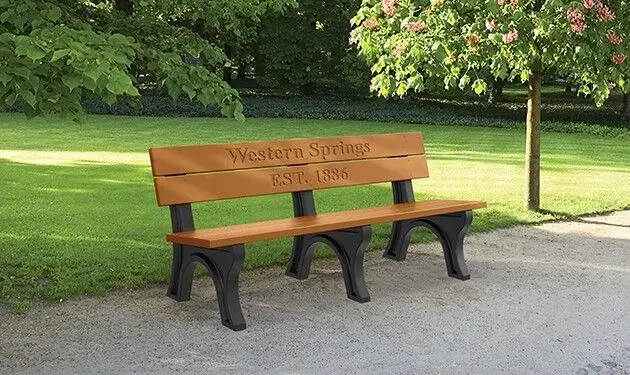
Charity Initiatives and Donor Plaques
Have you ever been out on a walk and noticed a picnic table or a park bench with a little brass plaque memorializing someone? Maybe you've participated in raising money to build wells in a foreign country or paid money to 'sponsor' a child.
These are all remarkably similar to how NFTs work.
Often donors are 'given' unique plaques, get bricks named after them or receive short letters updating them about the puppy's progress from the local animal shelter they 'sponsored.'
In all of these cases, you don't physically own anything.
I could insist on trying to live on a park bench I 'donated' to the local community center. But I will be arrested for it even though I paid for it.
I do not 'own' the puppy I sponsored. In reality, I gave a charitable donation and received a small gesture to make me feel more included in the donation process.
NFTs projects are sometimes similar.
I've seen a lot of comments lately that insist NFTs are not 'for the artist' because art theft and the lack of response from NFT marketplaces when it comes to 'taking down' stolen artwork are instances of clear exploitation.
But I think there is also a massive opportunity for NFTs to act as a vehicle for Kickstarter-type projects and charitable programs meant to make the world slightly better. And it would be a shame to put down the entire ecosystem because of a few bad apples trying to make a quick buck.
NFTs are for or against the artist about as much as charities are for or against helping people.
Some organizations are scummy and just looking to make a quick buck. But on the other hand, some organizations use your donations to build physical projects in the real world that do a lot of good.
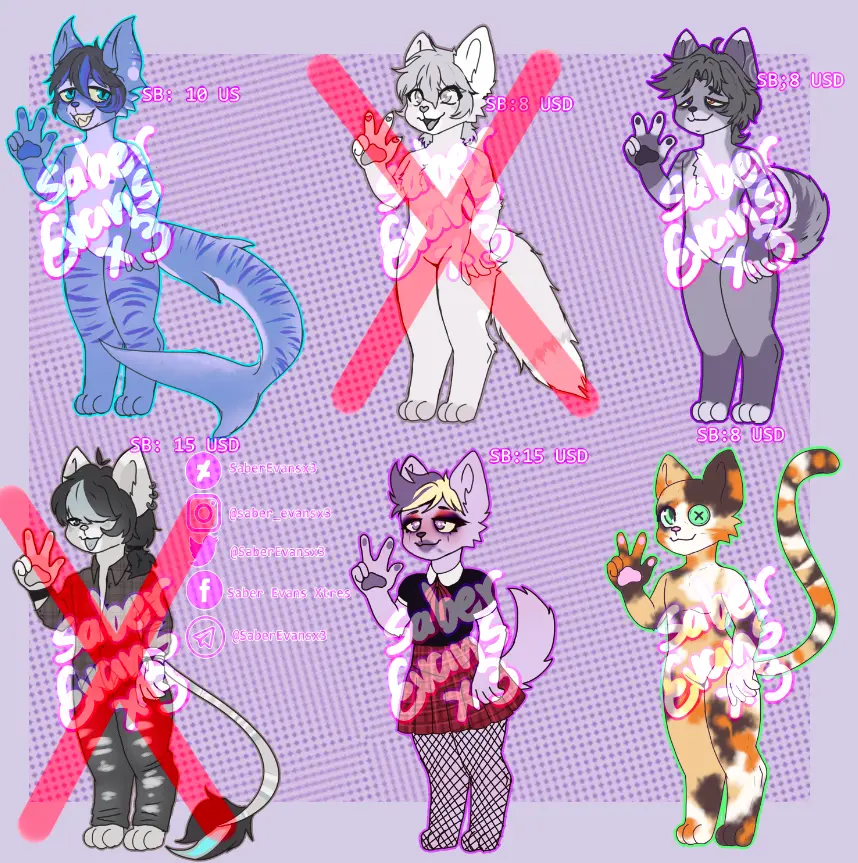
Adoptables
I'll admit it. I'm a little out of my depth with this one.
I am not 100% sure exactly what an Adoptable is. Still, I've found a few good explanations, like this one from StarshineBeast on Deviantart, and they sound remarkably similar to buying and selling OCs, avatar art or NFT characters. Only, Adoptables have been around for much longer.
While I've never personally commissioned artwork for an OC or purchased a pre-made Adoptable, I know plenty of people willing to pay good money for quality work like what the furry community has been pumping out for years.
Whether you think an 'ugly monkey wearing various hats' is worth 18 BTC or not, it's pretty clear there are enough people in the world willing to buy pre-made characters.
But what makes Adoptables so interesting is that they are essentially the same as purchasing the licensing rights to an original character. Not just a single piece of artwork. And the furry community has been managing this system independently for years without issues.
Something NFT creators haven't quite figured out.
While companies like Bored Ape Yacht Club claim you have certain reproduction rights to your unique Bored Ape, the licensing rights haven't exactly been mapped out with a clear understanding of how Creative Commons and Copyright Law works.
I think the criticisms regarding ownership rights of NFT characters could be straightened out if creators were willing to take a page out of the furry communities book and look at how the Adoptables system operates as smoothly as it does.
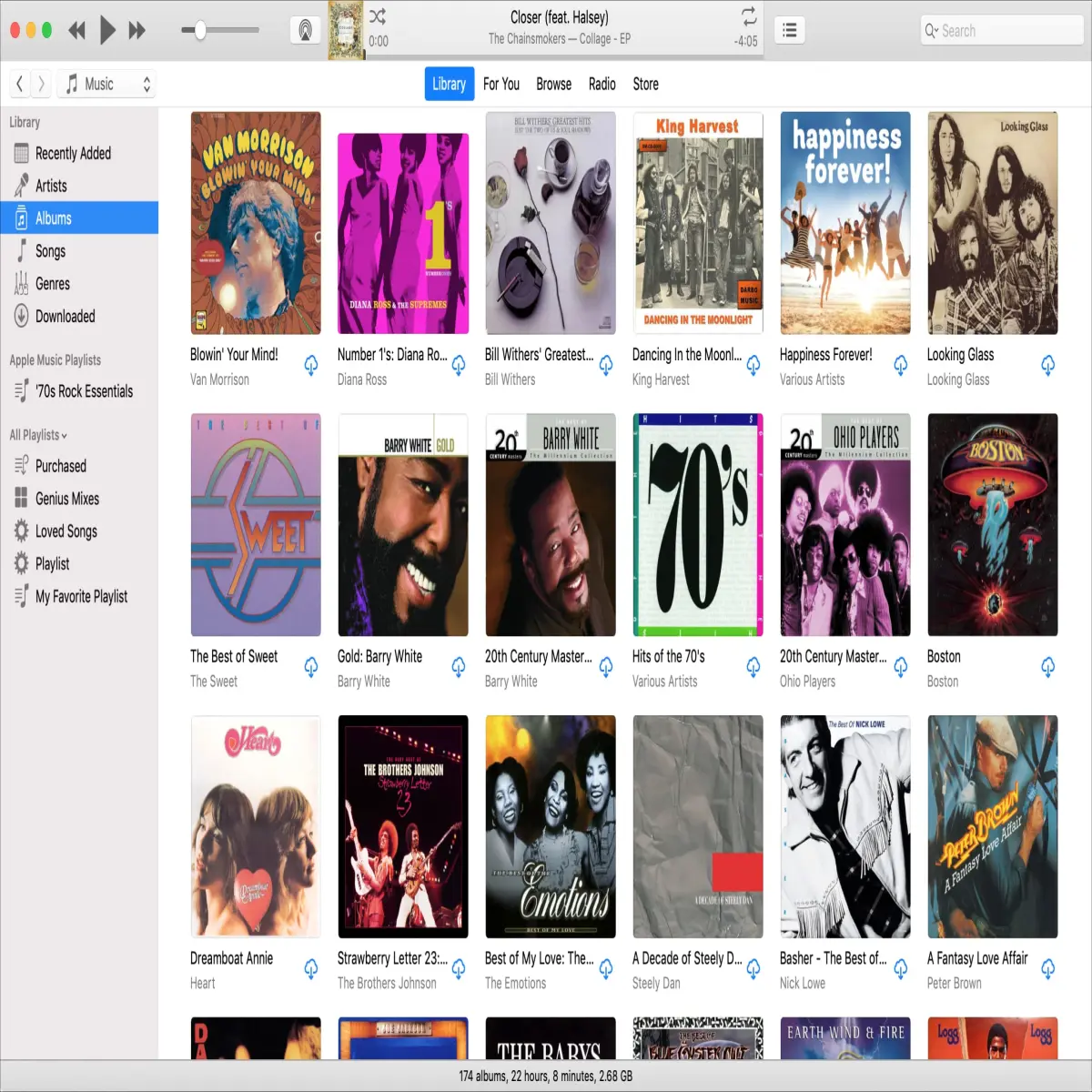
Itunes Music Library
Of all the things on this list, I have a personal beef with Itunes Music. I probably put a couple of thousand dollars worth of music in my Itunes library from gift cards, free Starbucks downloads and my spending over the years.
Which was great until ONE DAY; I switched from a shared family Itunes library to a personal one. I lost a lot of music that wouldn't transfer over. But I figured it was a small price to pay. Fast forward to when I completely lost my original Itunes library because my computer was horrifically murdered by gravity.
After a fresh install and recovery of my Itunes account on a new device, all but 20-30 of my songs remained, with no way to redownload the music I had paid for. (I'm still not sure why this happened to me. Normally music purchased through Itunes is backed up in the cloud).
I was crushed and swore never to use the program again.
All the music I'd burned from my CD collection was easy to recover and import into my Musicbee library, which is better, faster, more customizable and superior in every way.
(I will die on this hill).
But there were many songs I bought through the Apple Store that I couldn't get again without repaying for them, and I refused to spend the same money twice.
Itunes and Apple Music are great examples of services where you purchase a license, not a physical copy of a work. And for most people, this system works just fine!
But this is the one example on the list where NFTs get a leg up. I couldn't recover my purchased music because, for whatever reason, it wasn't recorded as a purchase in the ledger for my account anymore.
However, I've never heard of the same thing happening when buying or selling anything on the blockchain.
Sure, people have 'double spent' BTC before or found odd quirks to steal money. But you always know which products are registered to which wallet and where they came from. In addition, the ability to trace distribution and verify ownership of thousands of assets at a time could be great for situations like music libraries, where one person holds many legitimately purchased digital files in one place and might need to recover them at some point.
Final Thoughts
Despite how 'obviously' ridiculous, scammy or worthless NFT purchases might seem to a lot of people, there is a long historical precedence for buying and selling products just like these. The only difference is that one marketplace is still in its infancy and has a lot to learn if it wants to be competitive.
As a buyer. Be wise. Only purchase things you truly want or see a lot of potential for because, like a novelty land parcel or a rare Roblox face design, there is no guarantee your NFT will be worth millions in a few years.
If you're backing a unique project or a charitable program, do your research and understand what it is you are actually receiving with your purchase because there are good projects and bad projects.
As a creator, consider familiarizing yourself with Creative Commons terms and licensing rights so you can offer more reliable contract terms.
There are a lot of legitimate criticisms concerning the weaknesses and long-term value of NFTs. But I think all of these issues can be addressed with some common sense and the willingness to look at similar businesses that have succeeded or failed and how you can learn from them.






