
As we close out 2025, the US stock market continues to wrestle with high valuations and mixed macroeconomic signals. While retail investors are chasing the latest AI rallies, the "Smart Money" seems to be taking a decidedly different approach. The most glaring signal comes from Omaha, where the latest disclosures reveal a massive shift toward safety. Warren Buffett is building a historic cash fortress, a move that suggests he sees little value in the current overheated market.
The "Sell" Signal We Can't Ignore
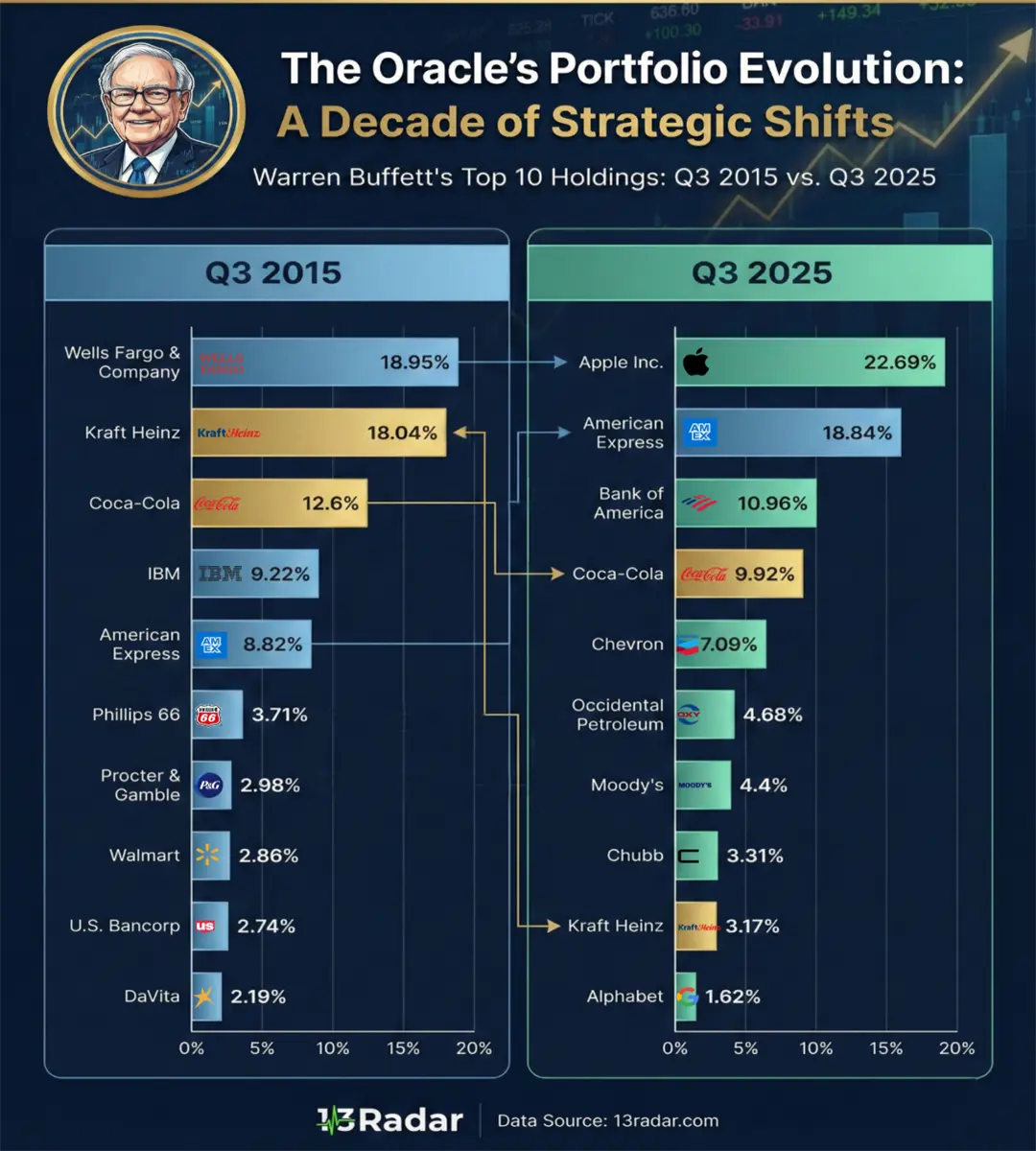
For decades, investors have looked to Berkshire Hathaway as a proxy for the health of the American economy. However, the recent trend has been one of liquidation rather than accumulation. By systematically trimming massive stakes in technology giants and reducing exposure to the banking sector, the conglomerate has signaled a defensive pivot. This isn't just routine portfolio maintenance; it is a loud statement about risk/reward ratios in the S&P 500.
Investors analyzing the berkshire hathaway top holdings q3 2025 will notice a stark contrast compared to previous years. The aggressive buying of the early 2020s has been replaced by patience. The message is clear: Return of capital is currently prioritized over return on capital.
⚠️ WARNING SIGNS: What the Portfolio Says About Risk
Why is the world's most famous investor sitting on the sidelines? The composition of the current portfolio highlights three specific market fears:
- Valuation Compression: Selling high-flying tech stocks suggests a belief that P/E ratios have detached from reality.
- Financial Instability: The continued exit from major bank stocks points to lingering concerns about the credit cycle.
- Liquidity Needs: Hoarding Treasuries indicates a preparation for a potential buying opportunity—or a market shock—in 2026.
Navigating Uncertainty in 2026
Does this mean you should sell everything? Not necessarily. However, it does suggest that blindly following index funds might be risky heading into the new year. The strategy now requires a focus on companies with fortress balance sheets—much like Berkshire itself. If the greatest investor of our time is hesitant to deploy capital, retail investors should perhaps be equally cautious about chasing all-time highs.






