
A system of its own. A medium of international payment. A protector of the downtrodden.
The gold standard was first introduced in the United Kingdom in 1821 (some sources say 1717) followed by the US, Germany and France. Unfortunately it was set aside by all countries in 1937 for political reasons that might justify their decision. The international monetary system adopted the dollar and other paper currencies, and gold’s official role in world exchange was at an end.
Advantages
- It is used a means of protection against inflation and deflation by limiting the amount of paper currency issued by a national government to the amount of gold held by that country.
- Gold standard protects the value of citizen's money from corruptible individuals.
Disadvantages
- The supply of recently mined gold does not adapt to the demands in the international economy.
- A country who adopted the gold standard may become vulnerable if other countries enter an international economic recession, depression or inflation.
- Adjustment becomes tedious and time-consuming if there is an increase in unemployment or economic growth
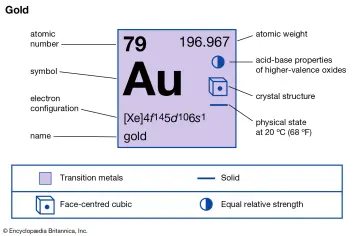
History
The metal was beautiful in the eyes of its first beholder.

- It became the symbol of royalty and glamour in all cultures, dating back to 40,000 BC in Spanish caves.
- First signs of melting was 3600 BC with Egyptian goldsmiths.
- The Greeks began mining around 550 BC in the belief that it was made from water and sunlight.
- The Romans started 100 BC with advanced technology producing more pure forms of gold.
Goldsmith's Hall in London became the first valuation system to determine and verify quality in 1300 AC. In the 15th century it was already minted to produce coins with ease. I found a graph showing the gold price history in USD:

Look at the price change since the start of the millenium. I might as well call it the 'golden millenium'. That % though.

For informational purposes, not financial advice ;)






