
 Overview
- Name: Cardano
- Symbol: ADA
- Launched: September 29, 2017
- Creators:

- Total Supply: 45 billion ADA
- Current Circulating Supply: 35886473001 ADA
Ada Lovelace, after whom the Cardano token ADA is named, is widely acknowledged as the world's first computer programmer. Here's a fun fact about her:
- First Computer Program: Ada Lovelace wrote what is considered the first algorithm intended for implementation on Charles Babbage's Analytical Engine, a theoretical mechanical general-purpose computer. Her notes included what we now recognize as the first computer program, specifically an algorithm to compute Bernoulli numbers. This was well before the first actual computer was built, showcasing her visionary insight into the potential of computing machines far beyond mere calculation.
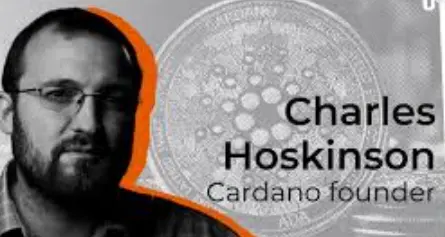
The Genesis of Cardano Cardano was conceived by Charles Hoskinson, one of Ethereum's co-founders, who sought to address some of the perceived shortcomings in existing blockchain systems. The project emphasizes a research-driven approach to blockchain development, with a focus on peer-reviewed academic research. Cardano's development is split into several phases, each adding new features to the platform.
Technology Behind Cardano
- Ouroboros Protocol: Cardano uses Ouroboros, a Proof of Stake (PoS) consensus mechanism designed to be more energy-efficient and secure than Proof of Work systems.
- Layered Architecture: Unlike many blockchains, Cardano is built with a dual-layer system - the Cardano Settlement Layer for ledger of accounts and the Cardano Computation Layer for smart contract execution.
- Smart Contracts: With the Alonzo upgrade, Cardano introduced smart contract capabilities, aiming to compete in the DeFi and dApp arenas.
Market Performance
- Market Cap: Cardano often ranks among the top cryptocurrencies by market capitalization, reflecting investor interest.
- Price History: ADA has experienced volatile price movements, with significant peaks during the broader crypto market booms.
- Adoption: While still growing, Cardano has a passionate community and partnerships aimed at real-world application, particularly in developing countries.

Use Cases
- Identity Management: Projects like Atala PRISM aim to provide secure identity solutions, particularly in underdeveloped regions.
- DeFi and dApps: With smart contracts now live, Cardano is seeing an increase in DeFi projects and decentralized applications.
- Interoperability: Cardano's design allows for potential interoperability with other blockchains, enhancing its ecosystem's utility.
Strengths
- Academic Approach: Cardano's development is heavily research-oriented, potentially leading to more robust and secure solutions.
- Energy Efficiency: Its PoS mechanism is seen as more environmentally friendly compared to PoW systems.
- Community Engagement: There's a strong, supportive community behind Cardano, driving development and adoption. For example Cardano's meme coins blend humor with blockchain, capitalizing on Cardano's reputation. They often feature playful names and themes, engaging the community while offering speculative fun. However, they lack the technological depth of ADA, focusing more on cultural trends and community spirit.

Challenges
- Adoption Rate: Despite its potential, Cardano's real-world application and adoption have been slower compared to some competitors.
- Smart Contract Competitiveness: With a later entry into smart contracts, Cardano faces stiff competition from established platforms like Ethereum.
- Complexity: The academic approach can sometimes make the platform less accessible to non-technical users or developers.
Future Outlook
- Ecosystem Growth: Continued development in DeFi, dApps, and real-world applications could significantly increase Cardano's utility and adoption.
- Scalability: Cardano aims to offer high scalability with its layered architecture, which could become a key differentiator.
- Global Impact: Projects focused on identity and financial inclusion in less developed economies could expand Cardano's footprint.
Cardano positions itself as a blockchain for the future, with a methodical, research-based approach to development. Its potential in areas like identity management, scalability, and now smart contracts, could make it a significant player in the blockchain space. However, its journey from theory to widespread practical application remains to be fully realized.
Investment Considerations
- Volatility: Like all cryptocurrencies, ADA's price can be highly volatile, influenced by market trends, development milestones, and broader economic factors.
- Long-term Vision: Investors might consider Cardano for its long-term vision, particularly if they believe in the impact of its projects on global finance and identity.
- Diversification: Given the speculative nature of crypto investments, Cardano should be part of a diversified investment strategy to mitigate risks.
Understanding Cardano's unique approach, its roadmap, and the broader blockchain market dynamics is crucial before investing in ADA.





