The Optimism Network’s L1 & L2 Protocols Explained & Why the Publish0x Switch is Beneficial
*This will be the first post in a series of posts so as not to bombard readers with too much information in one post. This post is specifically regarding the Layers structure and its benefits. If you are interested in how the Optimism Network functions as a whole and information on the new tipping tokens Publishx0 will be offering; $OP and $ETH be on the lookout for more posts coming soon*
In lieu of Publishx0 implicating the “Optimism Network” (as well new tipping tokens $OP and $ETH) on their platform I figured users of the platform would have an interest in learning about the Optimism Network, how it functions, and what to expect from the switch.
The Optimism Network functions using the Layer 1 (L1)/ Layer 2 (L2) structure. For those that are not familiar with this eco structure of Cryptocurrency and the benefits it offers I will explain!
Despite increased popularity recently, the “Layers structure” has for the most part, been a silent veteran in the Cryptocurrency eco structure. Some layers, such as Layer 1 have been around for as long as Bitcoin when it first launched in 2009. Alternatively, layer protocols such as Layer 2 have been more recently implemented in order to resolve scalability issues.
While the Optimism network functions using the L1 and L2 structures, there are four structures, 0-3, that I will go over briefly so you get an understanding of the workflow and functionalit6y of the four layers.
Layer 0 (L0):
Layer 0 is the initial stage of all the stages of the Blockchains. You can think of Layer 0 as the Blockchain as a whole, if we were comparing the Blockchain layers structure to a human body Layer 0 would be the body itself. Layer 0 needs other components for it to function accordingly (internet, hardware, traffic, etc.) just as the human body needs all of its different systems to properly function, (IE; respiratory, pulmonary, reproductive etc.)
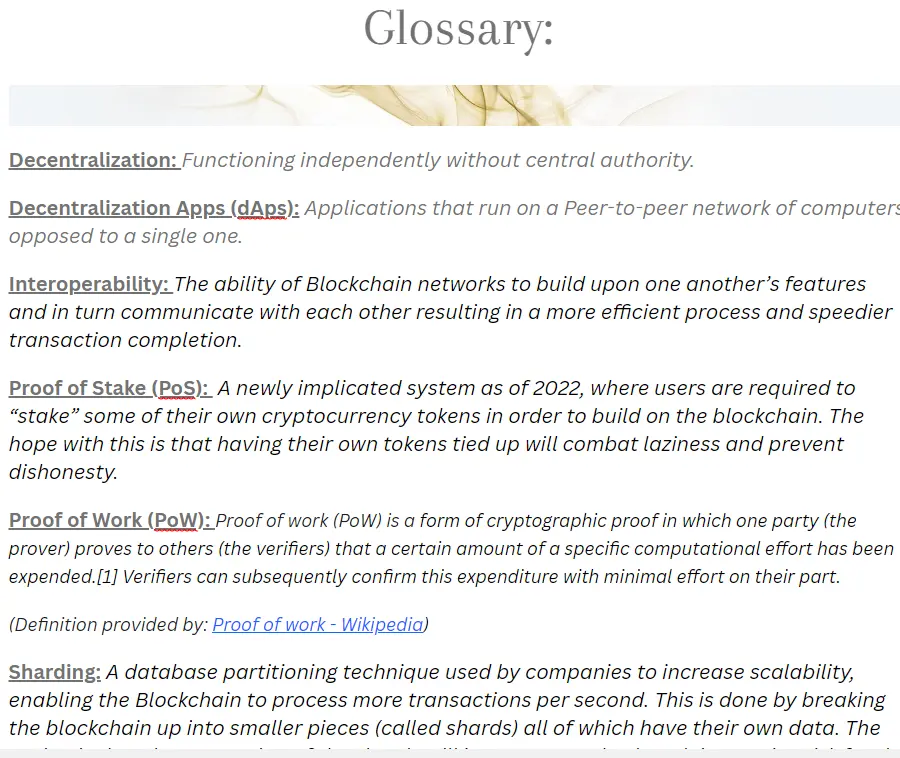
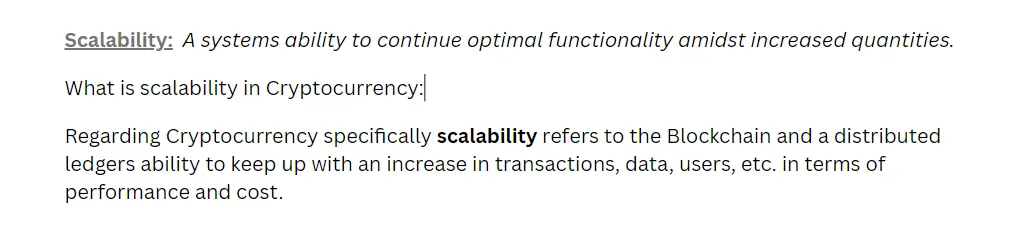
Layer 0 protocols are the underlying infrastructure of the Blockchain as well as the infrastructure for Layer 1 Block chains to be built (as Layer 1 is to Layer 2 and so forth). Since Layer 0 is the foundational Layer of Blockchains, many of its customs aim to resolve common problems within the trade, for instance, scalability and interoperability. (See Glossary)
Layer 1 (L1):
L1 is the base blockchain that is used by creators to build the decentralized applications (Daps) that are commonly used today. L1s tend to be more secure and prefer a decentralized environment. An example of a Layer 1 scaling solution is a change to the parent networks protocol. An example of this is Ethereum’s Proof of Stake (POS) consensus mechanism (See Glossary). The Proof of Stake mechanism is replacing the Proof of Work (PoS) system previously used. (See Glossary)
Layer 2 (L2):
L2 is a network that sits on top of L1 (for example ETH) aiming to increase the speed of transactions while also reducing the cost. L2 also functions to resolve scaling issues and ease transactional loads produced by L1.
Layer 3 (L3):
Layer 3 is the application layer that is Blockchain based. Common applications supported by Layer 3 include games, wallets and so forth.
While not all Blockchain ecosystems can be classified within this range (some may exclude layers etc.) this is the common structure of most Blockchain ecosystems. Delving into L1 and L2 specifically, it is important to note that Layer 1 and Layer 2 both work to improve efficiency and most importantly security of the blockchain. In doing so they keep the blockchain functioning optimally. While L1 and L2 serve similar functions (to provide security) they do differ greatly as well.
I’ll explain.
Differences Between L1 & L2:
- Layer 1 solutions are more secure than Layer 2 solutions.
- Layer 1 solutions prefer a decentralized environment.
- Layer 1 is the main blockchain in charge of on-chain transactions (See Glossary).
- A layer 1 network refers to a blockchain as whole.
- Layer 1 uses “Sharding” (See Glossary) technique to improve speeds.
- Layer 2 protocol refers to a third-party unification that can be used simultaneously with a Layer 1 blockchain.
- Layer 1 examples include: Bitcoin, Litecoin, and Ethereum, just to name a few.
- Layer 2 sits on top of Layer 1 networks.
- Layer 2 is designed to improve the speed of transactions while reducing the cost.
- Layer 2 focuses on keeping confirmation time speedy.
- Layer 2 handles all burdens of the primary blockchain.
- Layer 2 is the connected network in charge of off chain transactions (See Glossary)
Now that you hopefully understand the differences between L1 and L2 lets get into the specific function that each provide to optimize the blockchain experience!
L1 Function:
Being the first layer of security L1 is responsible for guaranteeing that transactions are legitimate, as well as verifying the signatures of the transactions. L1 does so in a quick, yet efficient, manner. L1 protocols are more secure than L2 protocols and prefer to keep a decentralized network.
L2 Function:
L2 is the second layer of security and sits atop L1 with a responsibility of ensuring that transactions are recorded correctly on the blockchain. The primary focus of L2 is guaranteeing quick confirmation times, speedy transactions and keeping gas fees at an affordable price. L2 protocols relieve congestion built up in L1.
Why the L1 experience is improved with L2 on top of it:
Layer 1 blockchains are considered first generation blockchains and until recently were faced with a dilemma when it comes to scalability, decentralization, (See Glossary) and keeping the blockchain secure, the problem being that one of these traits needs to be sacrificed in order to keep the others, leaving blockchain companies with a choice of which is the most important. In reality all three are very important in keeping the blockchain running optimally.
For Example:
Ethereum trades scalability for decentralization and security as transaction are stored securely, however, the more users the network gets the slower the transaction speed is. For example, Ethereum’s TPS (transaction per second) speed is about 15, which is relatively slow, with even Bitcoin sporting a TPS of 7. This is where Layer 2 protocols come into play. The idea behind Layer 2 protocols is not making any sacrifices in scalability, security, decentralization, or speed.
Let’s talk about some Layer 2 protocols:
- Nested blockchains: Decentralized networks that allow a larger network to be interconnected within a certain parameter, housing a network of secondary blockchains. The idea is that utilizing these secondary blockchains scalability will be improved having no impact on the primary blockchains security or decentralized nature.
- State Channels: The State Channels protocol utilizes a unanimous consent structure that requires all channel participants to digitally sign off on any network updates.
- Roll ups: Smart contracts that act as a relay between the primary chain and Layer 2. Roll up protocols store transaction data on the primary chain, moving transaction activity to the sidechain. The main and sidechain run parallel and can continue to communicate. The ending result is less congestion on the main chain as overflow traffic has been moved to the sidechain. This is done without sacrificing security because the sidechain still has the support of the main chain which harbors the security factor.
If you are still wondering what benefits, there are in switching to the Optimism network here are a few:
- For growing sites (such as this one) this structure offers decongestion for the growing population resulting in quicker speeds yet not sacrificing security.
- Optimism utilizes rollups which reduce gas fees up to 100x compared to layer 1 protocols.
- Transaction throughput is improved by compressing data and sending it through the Ethereum mainnet.
- Improved scalability.
- Compatibility with Ethereum.
- Trustless Finality.
As always thanks for reading! Lookout for more posts regarding this topic!