JPMorgan Needs Smarter CEOs
Exploring Financial Perspectives: Jamie Dimon, Crimes, and Celebrity Views.
In a recent congressional hearing, Jamie Dimon, the esteemed CEO of JPMorgan Chase, took center stage by vehemently opposing the Bitcoin and crypto market, sparking fresh debates within financial circles. Dimon's dissent reached a crescendo when he hinted at the potential of shutting down these digital currencies, offering a unique perspective on the ongoing discourse.
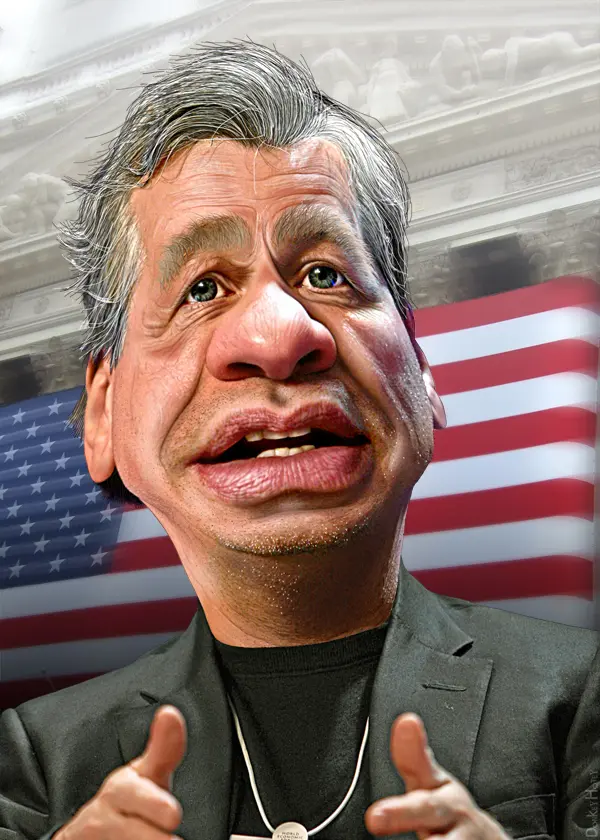
Dimon's Stance on Crypto: A Closer Look
Dimon, a figure historically associated with skepticism towards cryptocurrencies, reiterated his concerns during the hearing. He emphasized the government's authority to regulate or, in his view, potentially shut down the crypto space. "I've always been deeply opposed to crypto, Bitcoin, etc. The true use case for it is criminals, drug traffickers, anti-money laundering, tax avoidance. And that is a use case," asserted Dimon, echoing his past characterization of Bitcoin as a "fraud."
However, amid his reservations, Dimon acknowledged the broader applications of blockchain technology. "It is somewhat anonymous, not fully. And because you can move money instantaneously because it doesn't go through 'know your customer,' sanctions, OFAC — they can bypass all of that. If I were the government, I'd close it down."
While Dimon seemingly ignores almost 100 years of US bank fraud, theft, scams, and all else that US traditional dollars have been used for, even killed for, it would certainly also ruin his day to learn that Bitcoin can't just be "shut down," as he put it, which he would know this of course if he wasn't so gleefully willing to dismiss the facts surrounding the tech before commenting such a thing about Bitcoin.
Bitcoin vs. Traditional Money: A Banker's Dilemma
Examining the differences between traditional money and Bitcoin, particularly through the lens of a seasoned banker like Dimon, adds another layer to the narrative. Traditional currencies are subject to stringent regulations, 'know your customer' protocols, and sanctions enforced by financial institutions. Bitcoin, operating on a decentralized platform, provides a level of anonymity that raises concerns about its potential misuse.
Criminals are not hesitant to leverage blockchain technology, and it has become prevalent for online criminal activities to seek cryptocurrencies such as Bitcoin as payment in ransomware attacks. However, Bitcoin is not the exclusive choice among criminals, and many scams are openly perpetrated using chains like BNB.
While Bitcoin operates on a public ledger, most criminals opt for privacy-focused tokens such as Monero. Meanwhile, fiat currencies like the US dollar continue to reign as the most widely exploited currencies in the world, frequently used in the majority of illegal activities.
In 2021, there were notable instances of scams utilizing BNB (Binance Coin). Various fraudulent schemes operated on the Binance Smart Chain, taking advantage of its accessibility and fast transaction speeds. One prevalent scam involved deceptive token offerings and rug pulls, where scam artists created fake projects, attracted investments, and then abruptly pulled funds, leaving investors with substantial losses. Reports suggested an increase in phishing attempts and fraudulent token sales within the BNB ecosystem during the year.
Examples of ransomware attacks include several high-profile ransomware attacks targeting certain organizations across multiple industries, demanding payments in Bitcoin. Notable examples include the Colonial Pipeline attack, where hackers disrupted fuel supply in the U.S. and demanded a ransom in Bitcoin. Another instance involved the REvil ransomware group targeting the IT management company Kaseya, affecting numerous businesses through a supply chain attack. These incidents highlighted the cybercriminals' preference for Bitcoin due to its relative anonymity and ease of transfer, contributing to the cryptocurrency's association with ransomware payments.
Statistics on USD in Crime:
Despite the rise of cryptocurrencies, statistics from various law enforcement agencies consistently underscore the enduring dominance of the USD in illicit activities.
According to reports, the US dollar remains the most widely used currency in money laundering, drug trafficking, and other illegal transactions globally.
Law enforcement agencies have documented numerous cases where large sums of USD are involved in financial crimes, emphasizing the continued significance of traditional fiat currencies in the realm of criminal activities.
-
Money Laundering Cases:
- Notable instances include a money laundering operation where over $300 million was funneled through complex financial networks to conceal its illicit origin.
- In another case, authorities uncovered a scheme involving real estate transactions, with laundered funds exceeding $150 million.
-
Drug Trafficking Investigations:
- Seizures during drug busts have revealed substantial cash amounts, such as a raid where law enforcement confiscated $5 million in drug proceeds.
- Investigations into major Mexucan drug cartels have documented large numbers of transactions involving tens of millions of dollars in cash. Where US dollars are the main currency, over the Peso, and Bitcoin.
-
Financial Fraud Schemes:
- High-profile Ponzi schemes have seen fraudsters amass fortunes, with one case reaching a fraudulent gain of over $1 billion US Dollars.
- Corporate embezzlement scandals over the years have exposed executives diverting funds, with some cases involving embezzled amounts surpassing $50 million.
Keeping in mind the legal cases involving crypto, like FTX, Binance, and others, historically cash has been the main objective in crimes related to fraud.
Crimes to Remember:
Shifting focus to the realm of financial crimes, one cannot ignore the historical significance of cases involving traditional U.S. dollars:
- Enron Scandal (2001): The colossal accounting fraud leading to the bankruptcy of Enron, a corporate giant, exposed vulnerabilities within the traditional financial system. Enron's bankruptcy resulted in the loss of billions of dollars for investors and employees. The exact amount lost is challenging to quantify due to complex financial dealings, but it's estimated to be in the tens of billions.
- Bernie Madoff Ponzi Scheme (2008): This infamous scheme orchestrated by Bernie Madoff showcased how traditional financial structures could be manipulated for personal gain. Investors lost an estimated $65 billion, making it a catastrophic event with widespread repercussions that didn't require Bitcoin to facilitate.
- The German Wirecard Scheme: The Wirecard scandal shocked the financial world as the German payment processing company faced allegations of a massive financial fraud. The scandal involved inflating profits and falsely representing the company's financial health. The fraudulent activities led to the company's insolvency, with the disappearance of nearly €1.9 billion (equivalent to over $2 billion) from its balance sheet. (Source: Financial Times, regulatory reports)
- 1MDB Scandal (2015): The scandal involving the Malaysian state fund highlighted international money laundering and corruption on a grand scale. Perhaps hundreds of Billions of dollars were allegedly siphoned off for personal gain, impacting the Malaysian government and its people significantly.
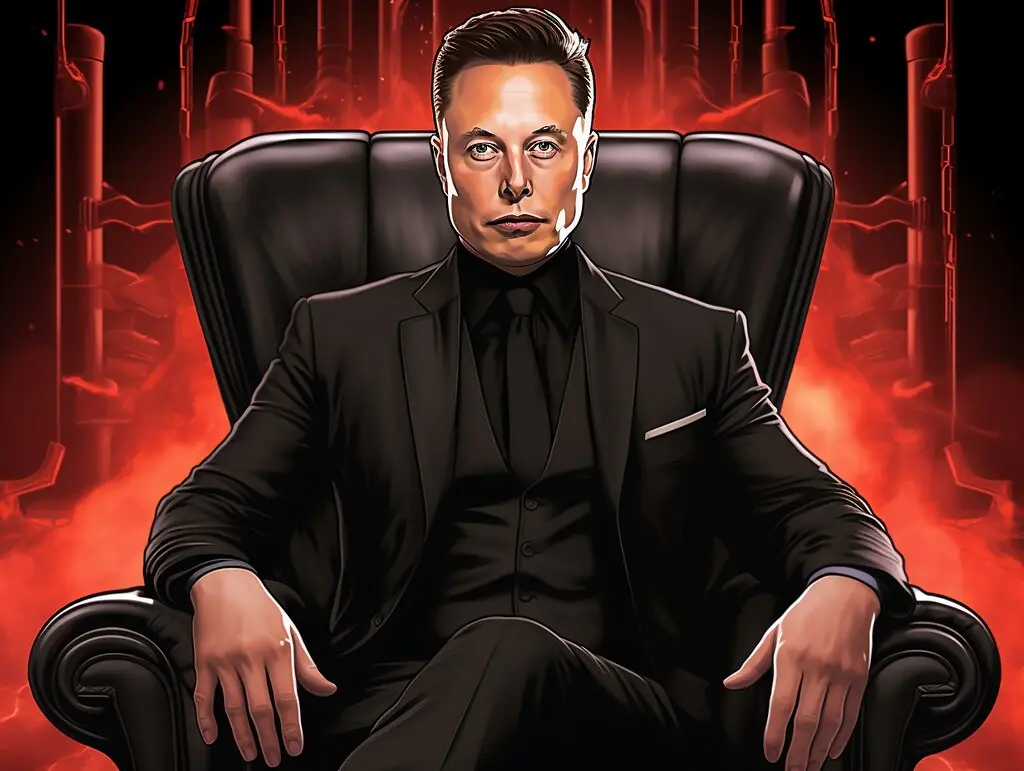
Voices in the Crypto Space: Listen to Celebrity Perspectives, or Ignore Them?
Celebrity views on cryptocurrencies further complicate the discourse. Mark Cuban, billionaire entrepreneur and owner of the Dallas Mavericks, has expressed both positive and negative sentiments. While acknowledging the potential of blockchain, he has criticized Bitcoin for its lack of intrinsic value.
Then again, we can look at how some notable celebrities used their position of power with having hundreds of millions of online followers, and manipulating the crypto markets for their own benefit. While as the author of this article, I've decided not to disclose which celebrities or celebrity I'm describing, but I believe most readers can decipher that one on their own. The point being, it's not just negative comments that can and have hurt the crypto industry, it's also what I call "False Positives," when celebrities use their positions to make personal gains. Shilling is one thing, market manipulation is another ball of wax.
On the flip side, Bill Gates, co-founder of Microsoft, has expressed a more cautious optimism, recognizing the innovation behind cryptocurrencies while warning about their environmental impact.
In the same manner he once addressed the internet? Right? I mean, let's be fair about facts, and the industry itself. There are far more damaging environmental impacts ongoing in this world disguised as environmentally friendly, and green energy-related then there are impacts from crypto. Unless you think Colbalt, Copper, and Lithium mine themselves?
It's imperative to balance skepticism with an open mind. Cryptocurrencies, despite their challenges, represent a dynamic force shaping the future of finance, and economy. As Nobel laureate Milton Friedman aptly said, "I think that the internet is going to be one of the major forces for reducing the role of government. The one thing that's missing, but that will soon be developed, is a reliable e-cash."
Keep yourself ignorant of loud voices filled with negativity, and stay positive about your own future, because that is all that matters.
The journey continues... ignore the FUD!
Consider tipping in Ethereum-based currencies to Betasyndicate.eth using the Ethereum Name Service (ENS). Your support through ENS-based tips is welcomed by the author and greatly appreciated. It's a seamless way to show appreciation for the content provided, contributing to the continued creation of valuable and engaging material. Thank you!






