
Intro
With the growing popularity of cryptocurrencies like Bitcoin and Ethereum, knowing how to safely store and manage your digital assets is essential. This is where cryptocurrency wallets come into play. In this guide, we'll break down what a cryptocurrency wallet is, the different types available, and how they work.

What is a Cryptocurrency Wallet?
A cryptocurrency wallet is a tool that allows you to store, send, and receive crytocurrencies like Bitcoin. But unlike a physical wallet that holds cash, a crypto wallet doesn’t actually store the currency itself. Instead, it stores something even more important: the keys to access your cryptocurrencies.
When you own cryptocurrency, what you really own is a private key—a secure piece of information that proves your ownership and allows you to spend or transfer your coins. Think of it as your personal password that gives you access to your funds. Without it, you wouldn’t be able to access or use your cryptocurrency.
How Many Types of Wallets Are There?
- Hot Wallets: Online wallets connected to the internet, ideal for quick access but less secure.
- Cold Wallets: Offline wallets, highly secure for long-term storage but less convenient for daily use.
- Virtual Cryptocurrencies: Digital assets like Bitcoin and Ethereum that exist electronically, secured by blockchain technology.
Cryptocurrency wallets come in a variety of forms, and they generally fall into two categories: software wallets and hardware wallets.
1. Software Wallets
Software wallets are digital applications or programs that allow you to manage your cryptocurrencies. These wallets can be further divided into:

Mobile Wallets:

These are apps installed on your smartphone, allowing you to store and access your cryptocurrency on the go. Popular examples include Trust Wallet and Mycelium. They are convenient but can be vulnerable if your phone is lost or hacked.
Desktop Wallets:
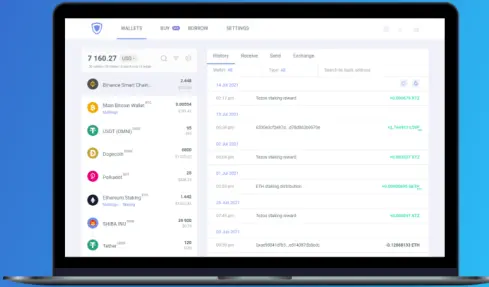
These wallets are installed directly on your computer and offer more security compared to mobile wallets since your private keys are stored on your device. Examples include Exodus and Electrum.
Web Wallets:
These wallets operate through your browser and are stored on a third-party server, like MetaMask. While they are easy to access from any device, they rely on the security of the hosting service, which means they’re more vulnerable to hacking than other types of wallets.
2. Hardware Wallets
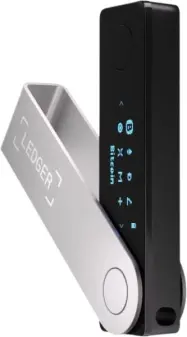
A hardware wallet is a physical device that securely stores your private keys offline. This makes it one of the most secure options for storing cryptocurrency. Unlike software wallets, hardware wallets like Ledger Nano S and Trezor are immune to hacking because they aren’t connected to the internet. They are a great option for long-term storage or holding large amounts of cryptocurrency.
3. Paper Wallets
A paper wallet is simply a piece of paper with your public and private keys printed on it, often in the form of QR codes. Because it’s offline, a paper wallet is very secure, but if you lose or damage it, you could permanently lose access to your funds.

What is a Cryptocurrency Wallet Address?
A cryptocurrency wallet address is like a bank account number—it's used to send or receive funds. Each wallet generates a public address and a private address, and both play crucial roles in managing your cryptocurrency.
Public Address (Public Key)
A public address is a string of letters and numbers that people use to send you cryptocurrency. It’s safe to share publicly, as it doesn’t give anyone access to your wallet. It’s like your email address, allowing others to send you funds.

Private Address (Private Key)
A private address, or private key, is what you use to access and manage the funds in your wallet. It’s essentially the password to your wallet and should never be shared with anyone. If someone has your private key, they can access and take control of your funds. Losing your private key means losing access to your cryptocurrency permanently.
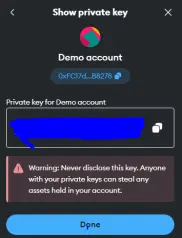
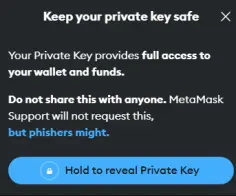
To sum it up: a cryptocurrency wallet account gives you a snapshot of how much cryptocurrency you own, but the real ownership lies in the private keys.
Conclusion:
Cryptocurrency wallets are the key to securely storing and managing your digital assets. Whether you're using a software wallet for convenience or a hardware wallet for long-term, secure storage, it’s important to understand how these wallets work. The most critical aspect is safeguarding your private key, as losing it means losing access to your funds. As the world of cryptocurrencies continues to grow, having a reliable wallet and understanding how it functions will ensure you can safely participate in this financial revolution.
Always choose the wallet that best suits your needs, whether it's for daily transactions or long-term investment.





