
Visa will support the release of Zap Bitcoin startup payment card

Lightning Network developer and founder of startup Zap, Inc. Jack Mullers on Thursday announced the launch of the Strike product in the open beta phase. Strike will allow you to receive transfers in bitcoin through direct bank deposits in the same way as it works with dollars. The startup also prepares its own card in the Visa system. This year, Visa accepted the Fold cryptocurrency cashback distribution startup into the Fast Track program. There is also a debit card that allows you to pay with cryptocurrency. What option will be offered to Zap card holders is unknown.
Visa confirmed the information on working with Zap, but declined to comment further.
The Bank of Japan is preparing to begin testing the national digital currency.

The Bank of Japan will conduct testing of the national digital currency in order to study the technical feasibility of issuing such an instrument, writes Cointelegraph.
The regulator announced the interest in creating evidence of the concept of the digital yen for the first time. The launch dates for this project are unknown. It is also unclear how far the Bank of Japan will advance in its research regarding the People's Bank of China, which has already completed the technical training of the digital renminbi and is now involved in legal aspects.
In a report entitled “Technical Issues of Central Banks' Digital Currencies (CBDC),” the Japanese regulator intends to begin “assessing the viability of CBDC from a technical perspective, collaborate with other central banks and relevant institutions, and consider issuing a CBDC.”
The European Commission awarded 5 million euros to six blockchain projects as part of a public program.

The European Innovation Council awarded 5 million euros in grants to six winners of the Blockchain for the benefit of society program. Grants are aimed at encouraging the development of blockchain initiatives in the public and economic spheres. In total, 176 teams from 43 countries took part in the competition; 19 participants were outside the European Union. These included international candidates, corporations and public institutions. The winners of the competition are projects specializing in such areas of application of the blockchain as control and accounting; fair trade and circular economy; transparency in technological processes and the quality of information; expanding access to financial services and renewable energy. The following projects were named as winners: WordProof, PPP, GMeRitS, OXBBU, CKH2020 and PROSUME.
MetaMask Ethereum Browser Released with Enhanced Privacy Features.

The developers of the MetaMask extension for interacting with the Ethereum blockchain announced the release of the eighth version of their software with improved privacy and other new features.
As the developers explain, when connecting to a site, MetaMask V8 allows the user to select one or more accounts that he wants to associate with this site, or create a new account only for this site. It is assumed that this way the user will be able to control what data he reveals in each case.
“Most wallets today either manage a single account or open the current user account for all connected sites, freely distributing private information. In MetaMask V8, you decide what each site has access to, ”they write.
In February, the number of MetaMask users exceeded 1 million.
The US Internal Revenue Service is interested in private cryptocurrencies and the Lightning Network.
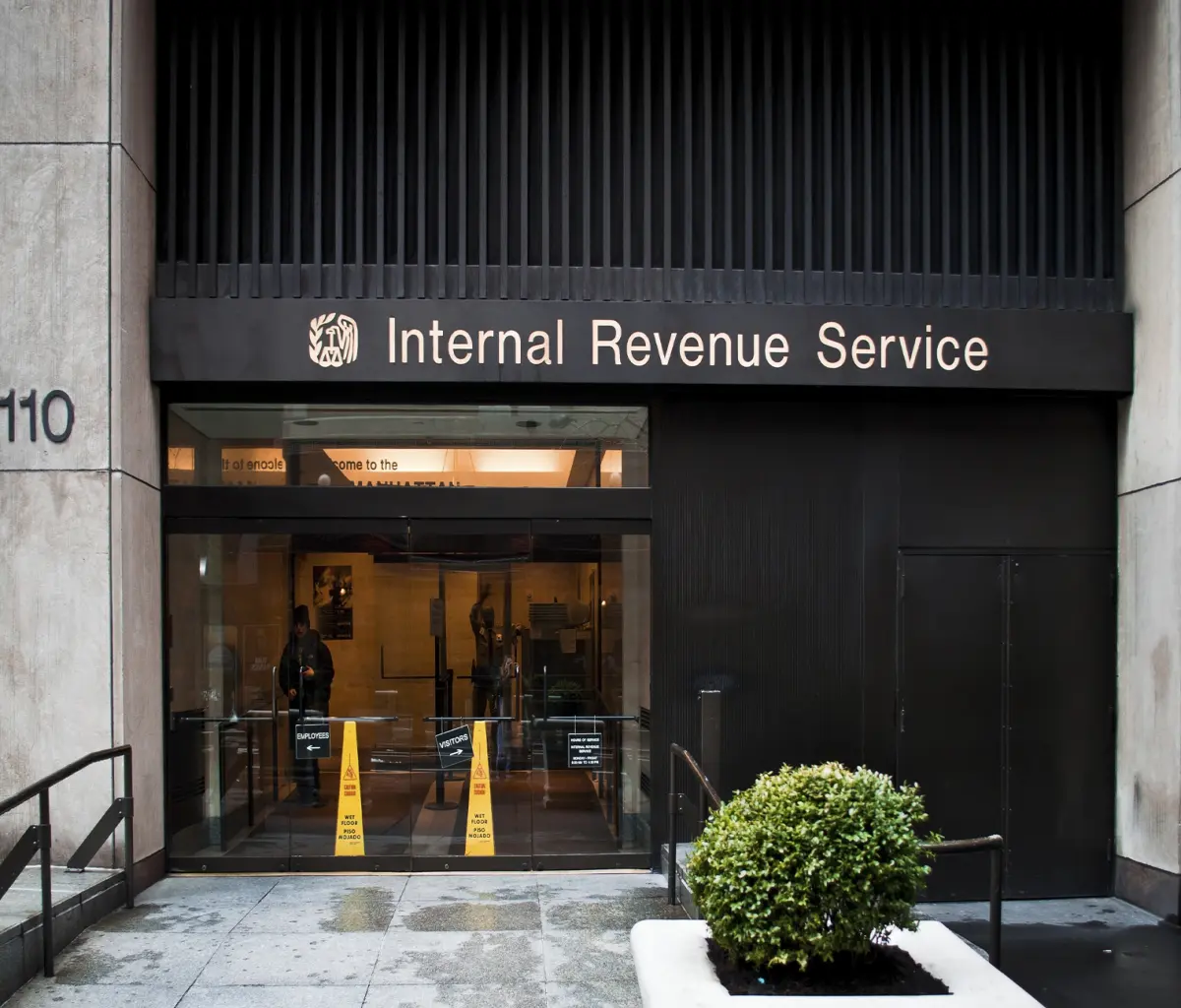
The United States Internal Revenue Service (IRS) is looking for tools to track various types of cryptocurrency transactions as part of an investigative pilot program, writes The Block. Instrument requirements include support for private coins and second-tier protocols such as the Lightning Network.
“Information is needed on systems that allow developers and testers to conduct analytical studies of distributed ledger transactions related to private cryptocurrency coins (such as Monero (XMR), Zcash (ZEC), Dash (DASH), Grin (GRIN), Komodo (KMD), Verge (XVG) and Horizon (ZEN)); off-chain protocols of the second level (such as Lightning Network (LN), Raiden Network, Celer Network); sidechains (such as Plasma and OmiseGo); and solve the difficulties with tracking after integration of the Schnorr signature algorithm), ”the notification says.
Earlier it became known that the IRS attracted the Coinbase cryptocurrency exchange to provide him with analytical tools.
The BitPay processing service adds SegWit support for bitcoin transactions.
BitPay Product Director Sean Rolland explained that now is the “good time” to integrate SegWit based on feedback from sellers using the service. As BitPay itself notes, SegWit reduces the cost of sending a transaction by up to 30%. With the latest update, the company also added a fee calculation mechanism, which will additionally reduce the cost of transaction processing by 5-10%. The annual turnover of BitPay is estimated at $ 1 billion. In April 2020, the service processed 100,718 payments, of which 91.93% in bitcoin. To date, the share of SegWit transactions in the Bitcoin blockchain has reached 62%, and with the addition of BitPay it will increase even more.






