
THE "NICE UI" TRAP: WHY "NO-RISK" TRADING IS THE NEWEST, SLEEKEST ILLUSION IN TOWN
We have all seen them. Those sketchy, bare-bones websites that popped up twenty minutes ago, flashing comic-sans text promising that you can turn $10 into a Lamborghini by next Tuesday. They are easy to spot, easy to laugh at, and easy to avoid.
But what happens when the scammers finally hire a decent graphic designer?

Enter UpsideOnly.com, a platform that launched with a massive PR blitz, boasting over 100,000 users within weeks of its debut [Nasdaq]. It features a gorgeous user interface, ultra-smooth animations, and a pitch so seductive it could make a seasoned cynic do a double-take: "Trade the markets, make real profits, but never lose a single dime of your own money."
It sounds like financial heaven. In reality, it is a masterclass in corporate gaslighting, behavioral traps, and some of the most hilarious logical contradictions ever printed in a legal document. Join the GrayRabbit Tech team as we peel back the beautiful UI and look at the gears grinding underneath.
GrayRabbit Tech went to the trouble of registering and getting a more detailed insights of some key things to look out for — oh the things we do for y'all. Images of these setup will be provided below.
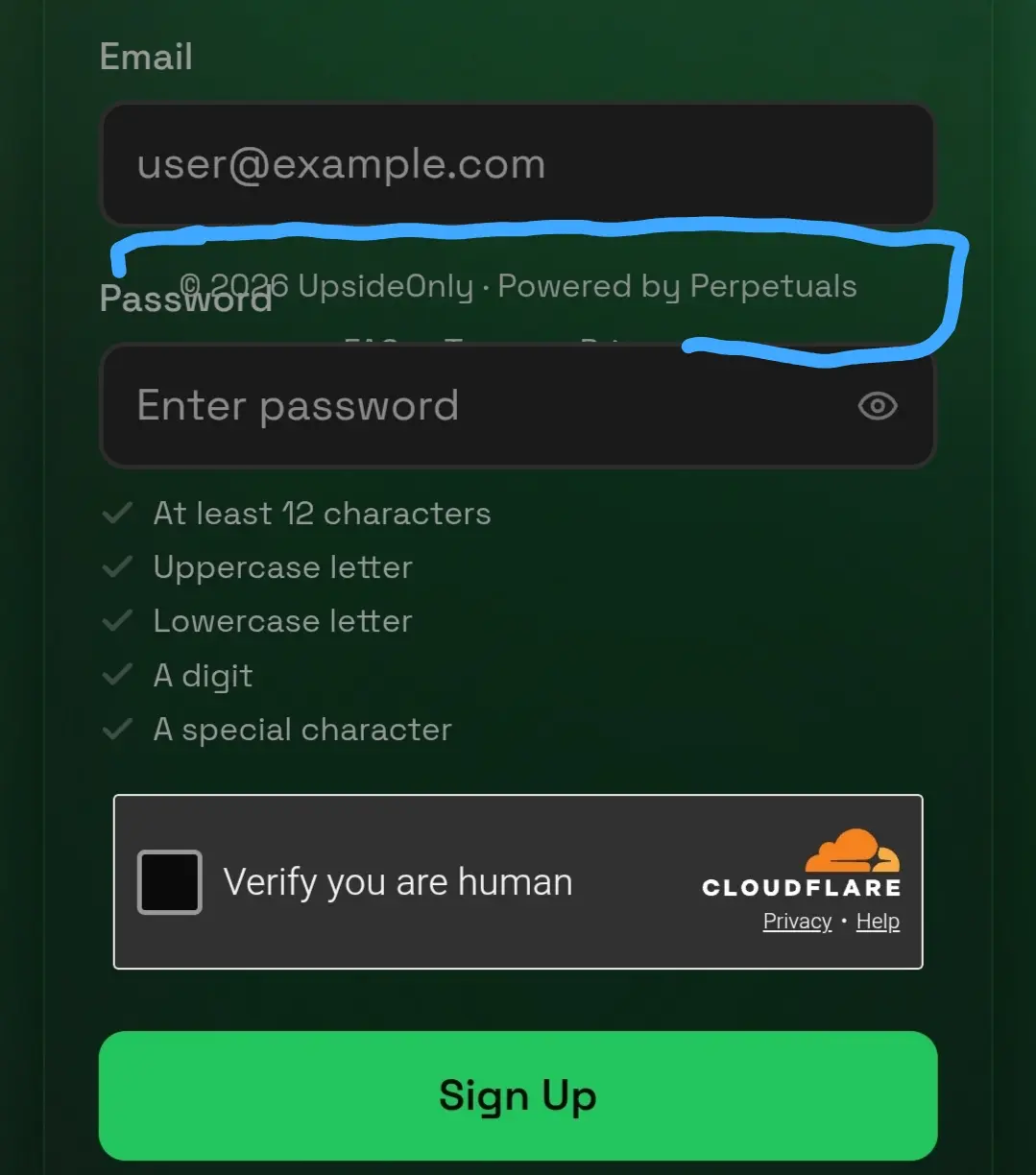
BAD UI DESIGN (Like something rushed on desktop using bootstrap or tailwind, but didn't have time to correct the tiny bits of residual mistakes left by these CSS frameworks). That section best fits the footer.
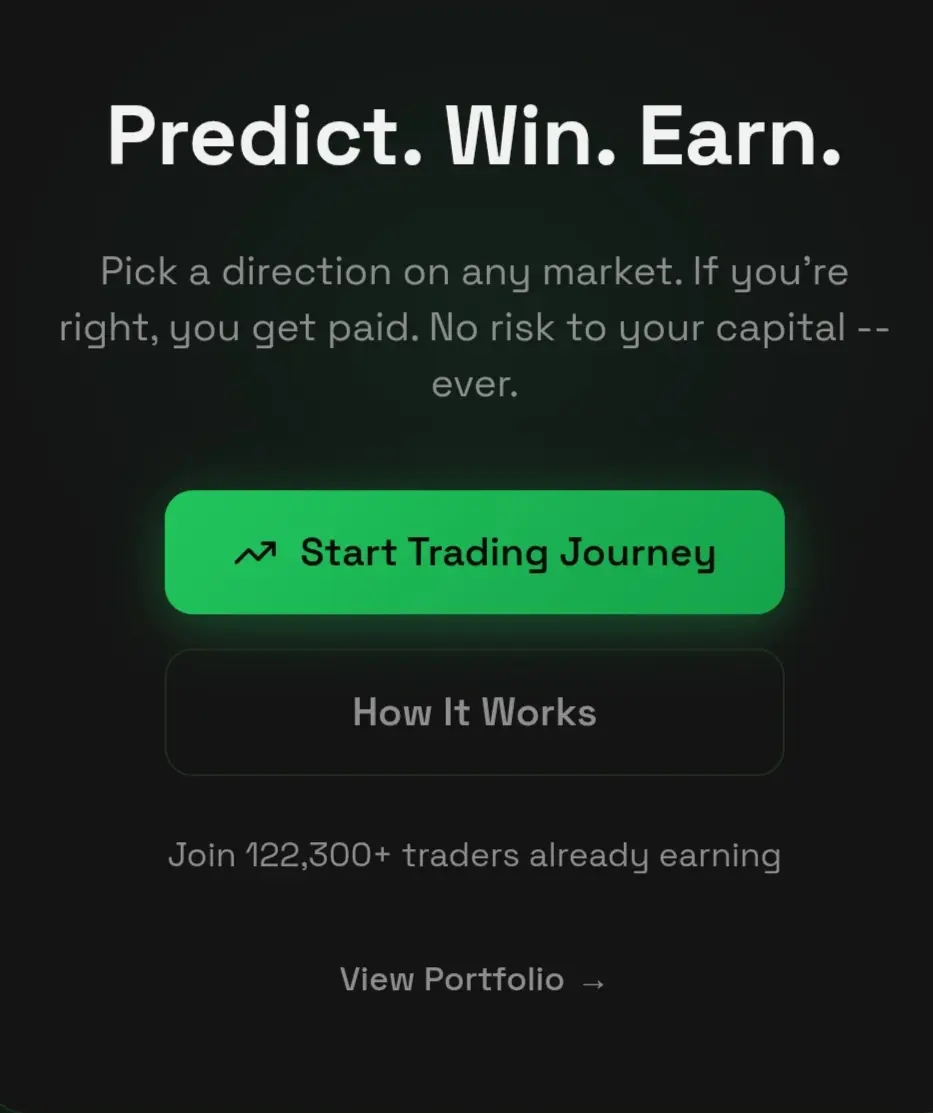
HOW IT WORKS!
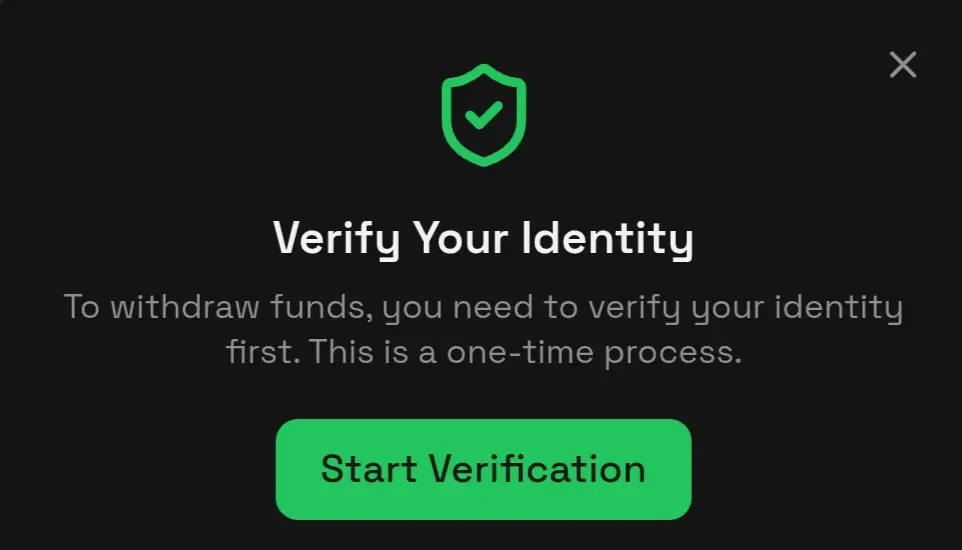
K-Y-C(KNOW YOUR CUSTOMER)
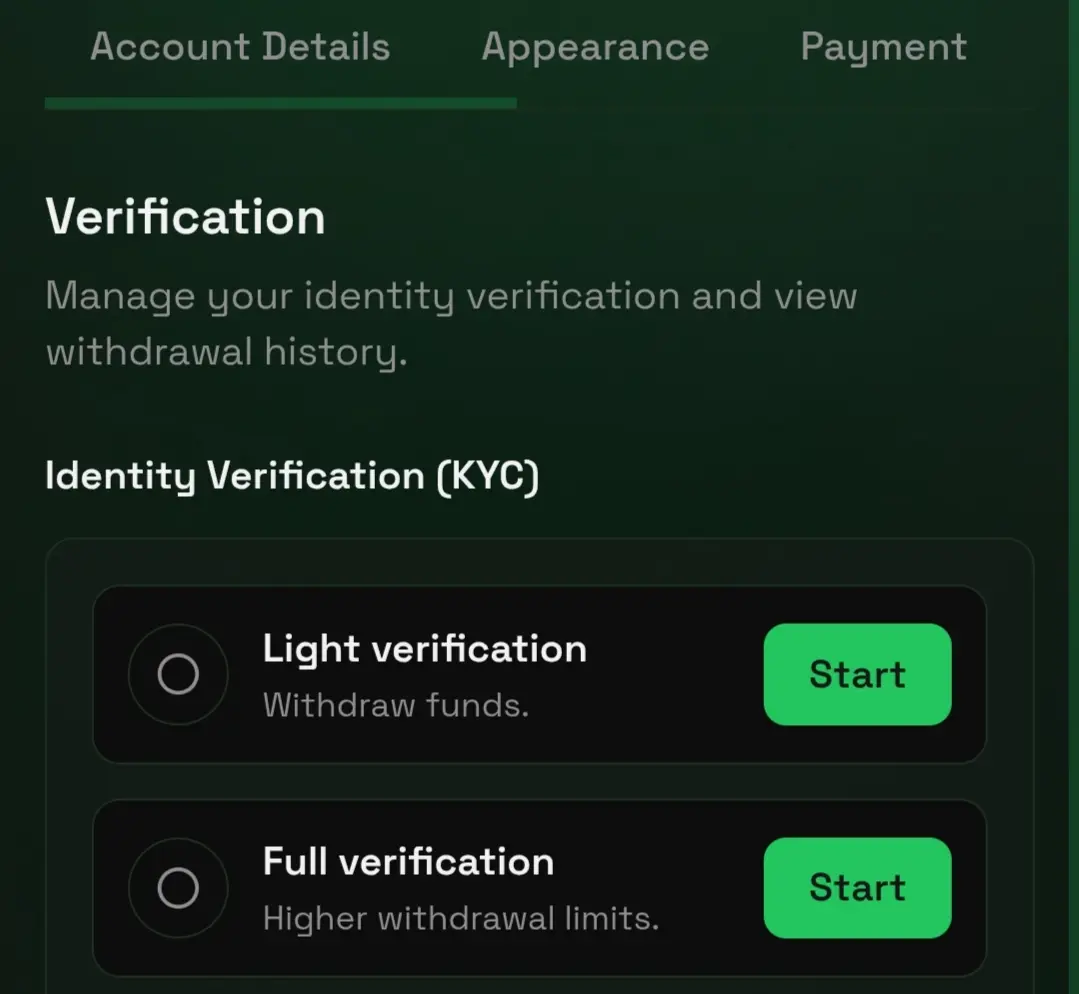
TWO FEATURE KYC
THE EXECUTIVE HERITAGE: RED FLAG NUMBER ONE
Before we even look at the charts, we have to look at the lineage. UpsideOnly wasn’t built by two guys in a basement; it was launched by Perpetuals.com Ltd, a company led by Patrick Gruhn [Nasdaq]. For those with a short memory in the crypto space and those who are relatively new to crypto, Gruhn is the former head of FTX Europe.
Yes, that FTX. The one that collapsed into a multi-billion-dollar black hole of corporate fraud.
Now, legally speaking, everyone deserves a second chance. But when someone from the executive circle of history’s most infamous crypto collapse knocks on your door offering a "risk-free" way to get rich, you don’t just open the door—you put on a hazmat suit and bolt it shut. Launching a "no-loss" financial platform with that corporate pedigree is like hiring the captain of the Titanic to steer your new luxury cruise liner because he has "deep experience with icebergs."
THE LOGIC DEFYING "BOT PROTECTION" DEPOSIT
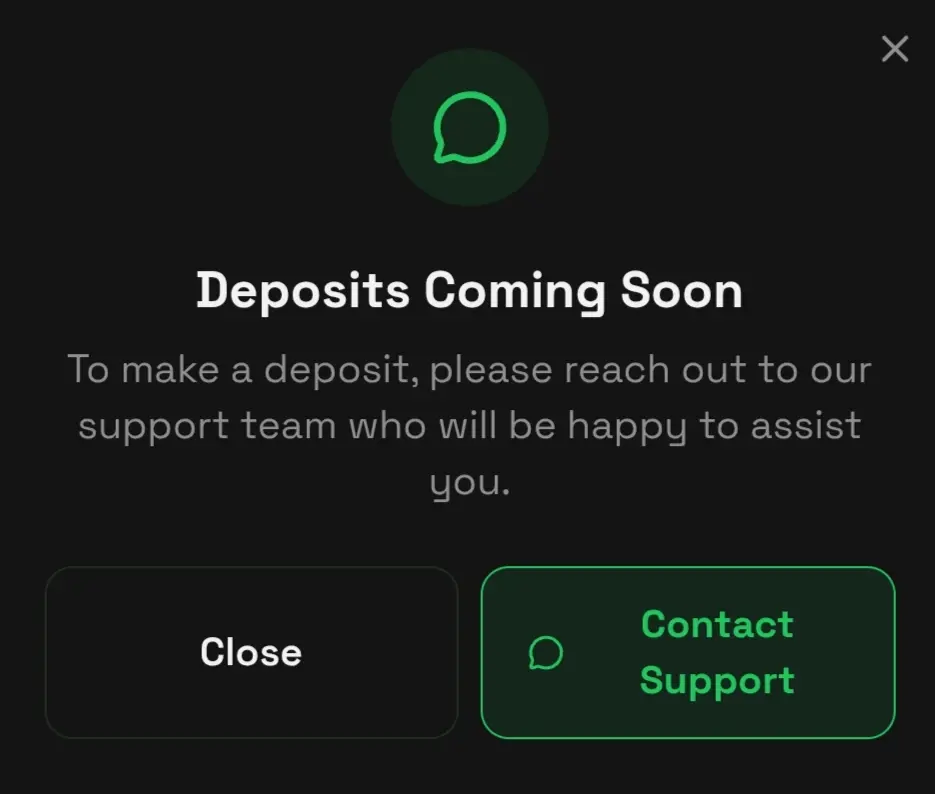
Let’s talk about the absolute peak of the comedy here: the deposit system, or as a sharp reader of our blog pointed out, the "Great Human Verification Paradox."
According to the platform's public faces (including a representative named Ruder), the platform requires you to deposit money. But wait, didn't they say you don't need capital to trade? Ah, yes! They claim your money isn't actually being traded. It is simply sitting in a "safe deposit spot"—supposedly yielding nice safe returns in US Treasury bills—and you can withdraw it whenever you want.
So why do you need to deposit it? "To prove you are a human and not a bot," they claim — well that makes sense — right?
Let's pause and appreciate the sheer, unadulterated absurdity of this logic. Since when did CAPTCHA codes get a $500 price tag? Last time I checked, selecting which squares contain a traffic light was free.
If the sole, innocent purpose of this deposit was to ensure that a flesh-and-blood human is sitting behind the screen, a $1 deposit would do the trick perfectly. Bots don't have credit cards or verified bank accounts to toss single dollars around. A $1 gate keeps the bots out.
But UpsideOnly doesn't just want $1. Their system is tiered. If you stay at the bottom, you make pennies. But if you deposit up to $500, suddenly your "profit multiplier" skyrockets.
Hold on a minute. If my money is just sitting in a digital vault as a "human ID card," why does looking at a larger pile of my money magically "motivate" your trading algorithm to give me bigger payouts? Does their AI have a psychological preference for larger numbers? Does the AI get lonely unless it's sitting next to exactly five hundred dollar bills?
The contradiction is glaring: They claim they don't use your money to trade, yet the size of your profit is directly tied to how much money you give them. That isn't bot protection. That is a capital raise disguised as an identity check.
PSYCHOLOGICAL TACTICS USED BY THESE KINDS OF LEGITIMATE SCAM

— Banner-Ad Traffic: A link-back-to I got from their link indicates tracking parameters (&utm_source=bitmedia), proving they are paying for aggressive banner advertising on crypto-ad networks to rapidly reel in retail users. While this is not a crime worthy of torture, it is still something to consider when dealing with such issues — It screams "desperate".
— Artificial Scarcity: Using countdown timers or "limited spots left" alerts to force quick, emotional decisions.
— Fabricated Social Proof: Deploying networks of fake social media profiles and chat groups (Telegram/WhatsApp) to simulate a winning community.
— Gamification: Using flashy dashboards, progress bars, and virtual balances to make the user feel like they are accumulating wealth rapidly.
THE REALITY: YOU ARE FREE LABOR FOR THEIR AI
So, what is actually happening here? If they aren't trading your money, how does the platform work?
Welcome to the world of gamified data harvesting. When you log into UpsideOnly, you aren’t actually interacting with the live global markets. You are playing a simulation. You are pressing buttons, making predictions on volatile assets like WTI Crude or Bitcoin, and watching digital numbers go up and down [Nasdaq].
The platform uses an AI framework called "BayesShield." Every time you make a trade, you are giving that AI free data. You are showing it how retail traders think, how crowds react to price movements, and what positions people take.
In short: The product isn't the platform. The product is you.
Perpetuals.com Ltd takes your aggregated crowd intelligence, plugs it into their proprietary algorithms, and uses their corporate capital to place real, highly profitable trades on the actual market. They get a massive army of humans trading for them for free, refining their AI models, all while the users take 100% of the behavioral effort for a fraction of the digital reward.
THE ULTIMATE GOTCHA: READ THE FINE PRINT
If you think you can outsmart them by just playing their game, racking up massive virtual profits, and withdrawing your funds, the [UpsideOnly Terms of Service](https://upsideonly.com/terms/) are here to give you a harsh reality check. The legal text reads like it was written by a corporate lawyer who wanted to make sure they could legally pull the rug whenever they felt like it.
According to their terms:
1. Virtual Tokens Have Zero Value: The balance you see on your screen consists of virtual units. Legally, they have no real-world monetary value.
2. It’s Just a Game: The document explicitly defines the entire ecosystem as an online "prediction analytics game."
3. No Obligation to Pay: Because it is legally classified as a game and a simulator, the platform is under zero regulatory or binding legal obligation to pay out a single cent of your accumulated virtual profits.
If they decide tomorrow that your account is "suspicious," or if the parent company decides to pivot, they can wipe your balance clean, and you have absolutely no legal recourse. You can’t complain to financial regulators because you weren’t investing—you were playing a video game.
THE VERDICT
These platforms are almost universally high-risk fraudulent schemes, typically operating as Ponzi or pyramid models that inevitably collapse. They exploit psychological triggers like FOMO (fear of missing out) and financial urgency to trap victims before vanishing.
The Mechanics of the Scam
— The Illusion of Payouts: Early "proof of payment" screenshots are usually fake or funded entirely by the deposits of newer members.
— The Exit Scam: Once deposit volumes peak or slow down, the creators lock withdrawals, delete the website, and disappear with the funds.
— The Liquidity Trap: Platforms often require users to recruit others or pay "first time activation fees" to unlock their initial earnings.
Key Red Flags to Highlight
— Extreme Returns: Promising double-digit daily returns or guaranteed passive income with zero risk.
— Recent Domain Registration: Websites claiming years of experience but whose domain data shows they were registered days ago.
UpsideOnly is a fascinating evolutionary step in the world of online financial traps. It doesn't look like an old-school scam because it doesn't need to steal your deposit instantly to make money. Instead, it uses a stunning UI to lower your guard, exploits the "sunk cost fallacy" by forcing you to park hundreds of dollars in their ecosystem just to unlock decent payouts, and harvests your intellectual labor to enrich its parent company.
They get interest-free liquidity from your deposits, free data from your trades, and a massive user base to pump their NASDAQ stock profile [Nasdaq]. You get the privilege of looking at a very pretty dashboard while crossing your fingers that they actually feel like letting you withdraw your money today.
Our Advice: If a platform needs $500 to prove you aren't a robot, treat them like one—and press the shut-down button.
Disclaimer
GrayRabbit is a web3 enthusiast and software engineer who sometimes provides educational content, investigative journalism, and commentary on online platforms, cybersecurity, and consumer awareness. GrayRabbit is not a registered financial advisor, broker-dealer, or legal professional.
Nothing contained in this article constitutes financial, investment, trading, legal, or tax advice. The analysis provided above is for informational purposes only and is based on publicly available corporate listings, terms of service, and user observations.
Cryptocurrency trading, prediction models, and online financial ecosystems carry a high risk of capital loss. Readers should perform their own due diligence, consult with certified financial professionals before committing capital to any platform, and never deposit funds they cannot afford to lose. GrayRabbit Tech assumes no liability for financial actions taken based on this content.
REFERENCES:
BUSINESS WIRE
NASDAQ






