
Today I read a section on breakouts, and one thing finally clicked for me. We all want those clean trades where the pullback holds perfectly above the breakout level and everything feels controlled. But the book basically said: the market doesn’t owe us clean pullbacks. We want that perfect scenario where price breaks out, pulls back, holds above the level, and we can slap a breakeven stop and relax. But the book pointed out a few things that made me rethink it.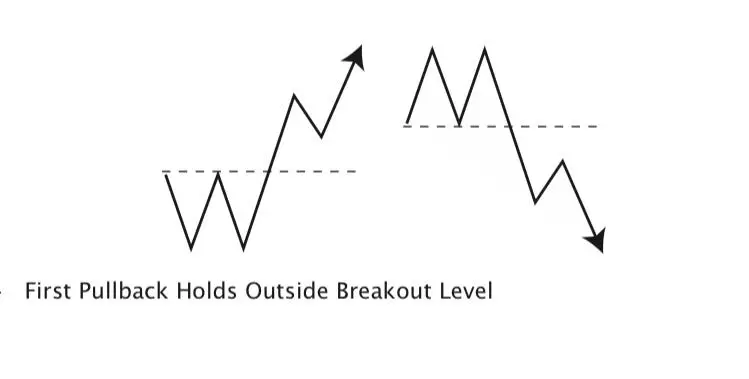
For example, big players who built positions inside the range might actually want price to dip back in. They’re not defending that breakout level like it’s some sacred line — some of them wouldn’t mind price coming lower so they can add more. Another example the book mentioned was how many breakout trades that don’t hold cleanly above the level still end up extending just fine later. And the wild part is, when you actually categorize a big sample of trades, the clean ones don’t always perform better than the messy ones.
What I personally got from this today is that I need to stop treating every dip back as a “failed breakout” or immediately flipping direction to recover a small loss. Instead of reacting, I should pause and ask why price is doing what it’s doing. Maybe it’s shaking out weak hands. Maybe larger players are reloading. Or maybe it really is failing — but the point is, I should look deeper, not just emotionally label it.
It made breakout trading feel more real to me. Less magical lines, more understanding the behavior behind them.






