
I confess I had to read this news twice to be sure. Blast, once one of the leading Ethereum Layer 2 networks in terms of total value locked, announced this Friday that it will be shutting down operations. The reason is the one that always scares those working in our field: keeping the process running costs more than the revenue it generates. In a post on X (see below), the team said they don't see a way to make the project economically sustainable and requested that everyone withdraw their assets and return them to the Ethereum mainnet.
With this, the waiting period for withdrawals will drop to 24 hours, but there's an annoying detail: withdrawals will be temporarily unavailable while Blast unwinds its positions in Lido assets, something that should take about a week to complete. After that, the network interface will accept withdrawals until October 26th. After that date, the funds will remain accessible, but it will be necessary to interact directly with the bridge contracts on Ethereum. In any case, the team promised to publish the instructions clearly before the stipulated deadline.
To understand the magnitude of this drop, we need to remember where Blast came from: the founder is Tieshun “Pacman” Roquerre, the same name behind Blur, that NFT marketplace that arrived in October 2022 targeting professional traders and, by the end of that same year, had already surpassed OpenSea in trading volume. In November 2023, he presented Blast with a seductive proposal: native yield in Ether and stablecoins, along with a points program linked to an airdrop. This worked very well, and the network attracted more than $2 billion in deposits even before the mainnet went live in February 2024.
The problem is what came after that: according to data from DefiLlama, the value locked in DeFi on Blast reached around $2.2 billion in June 2024 and, since then, has plummeted by more than 98%, a true freefall. Blur followed a similar path, going from over $200 million at its peak to around $27 million. In my interpretation of this information, these numbers once again illustrate an old story that the market insists on ignoring: money earned through points, rankings, and airdrops isn't revenue that's here to stay, but rather a temporary stay. It arrives quickly, does what it needs to do, and leaves just as fast.
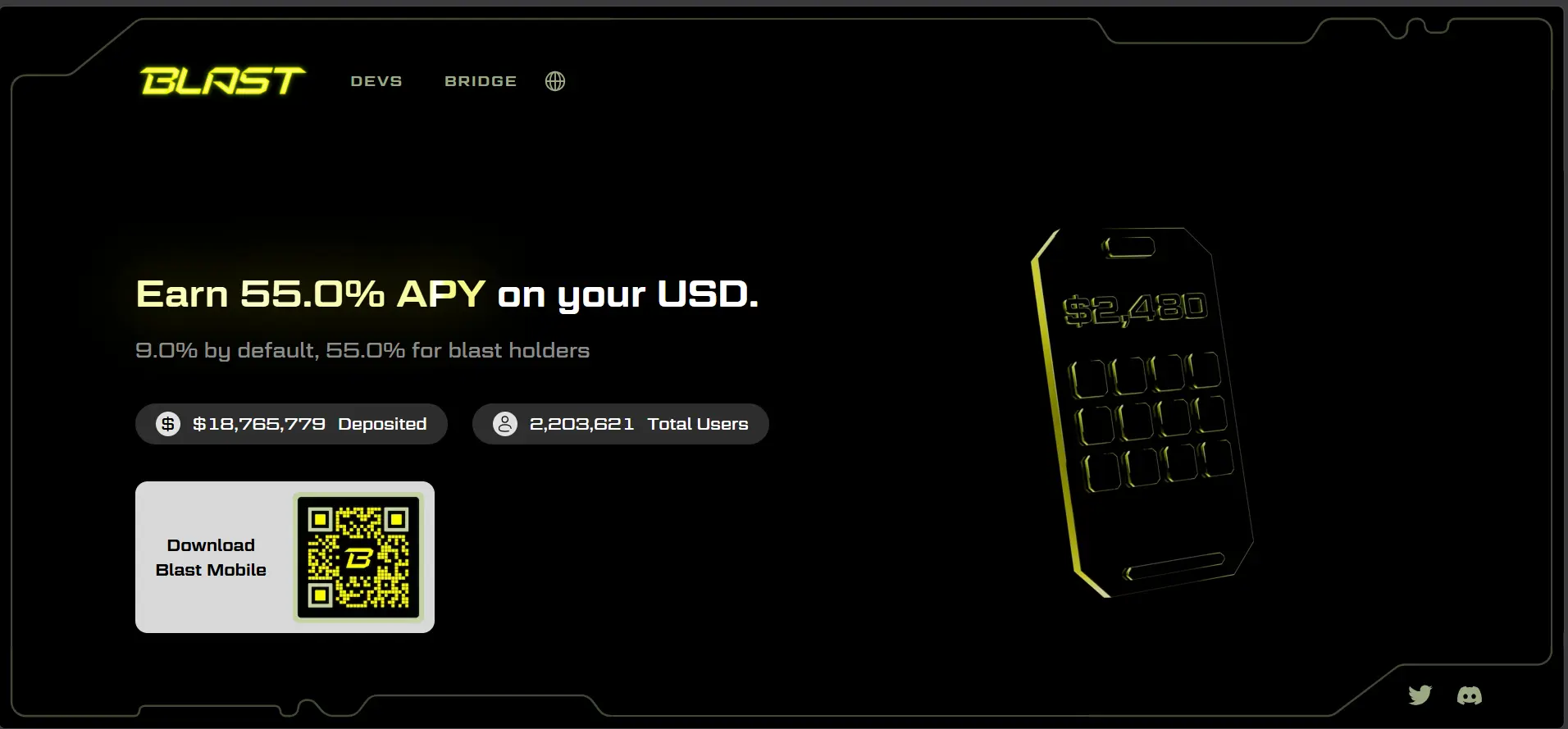
And this, in my opinion, is where the real lesson of this story lies. Anyone who has ever maintained any kind of production system knows that infrastructure, backend, hosting, website address, among other things, cost money every month, with or without hype surrounding the influx of revenue. For example, I've been following Web3 games for a long time and I've seen this movie many times: the incentive brings the crowd, the dashboard looks great, everyone celebrates, and when the reward dries up, there's a server running for almost nobody. TVL (Total Usage Rate) is a vanity metric when it's not accompanied by real usage, fees being paid, or people who would stay there without any reward in the end.
That said, we need to give the team at least some credit for the following understanding: ending operations with a warning, a defined deadline, and an exit strategy for users is a dignified attitude, much better than disappearing overnight, and I don't need to say that we've seen this ending many, many times. What makes me think is the question that remains for the other Tier 2 companies: how many of them are currently paying to exist, hoping the next cycle will solve the problem? Blast was honest in admitting that the economics no longer made sense. I suspect that, unfortunately, it won't be the last to have this conversation.






