
I've not been a big fan of Halloween. It seems to be a hotch spotch mixture of tradition, scariness and meaningless activities with loads of fun promised for the kids. I've always been reluctant to participate due to possible links with the occult and religious insanity that surrounds it. I did a bit of reading and this just left me more confused.
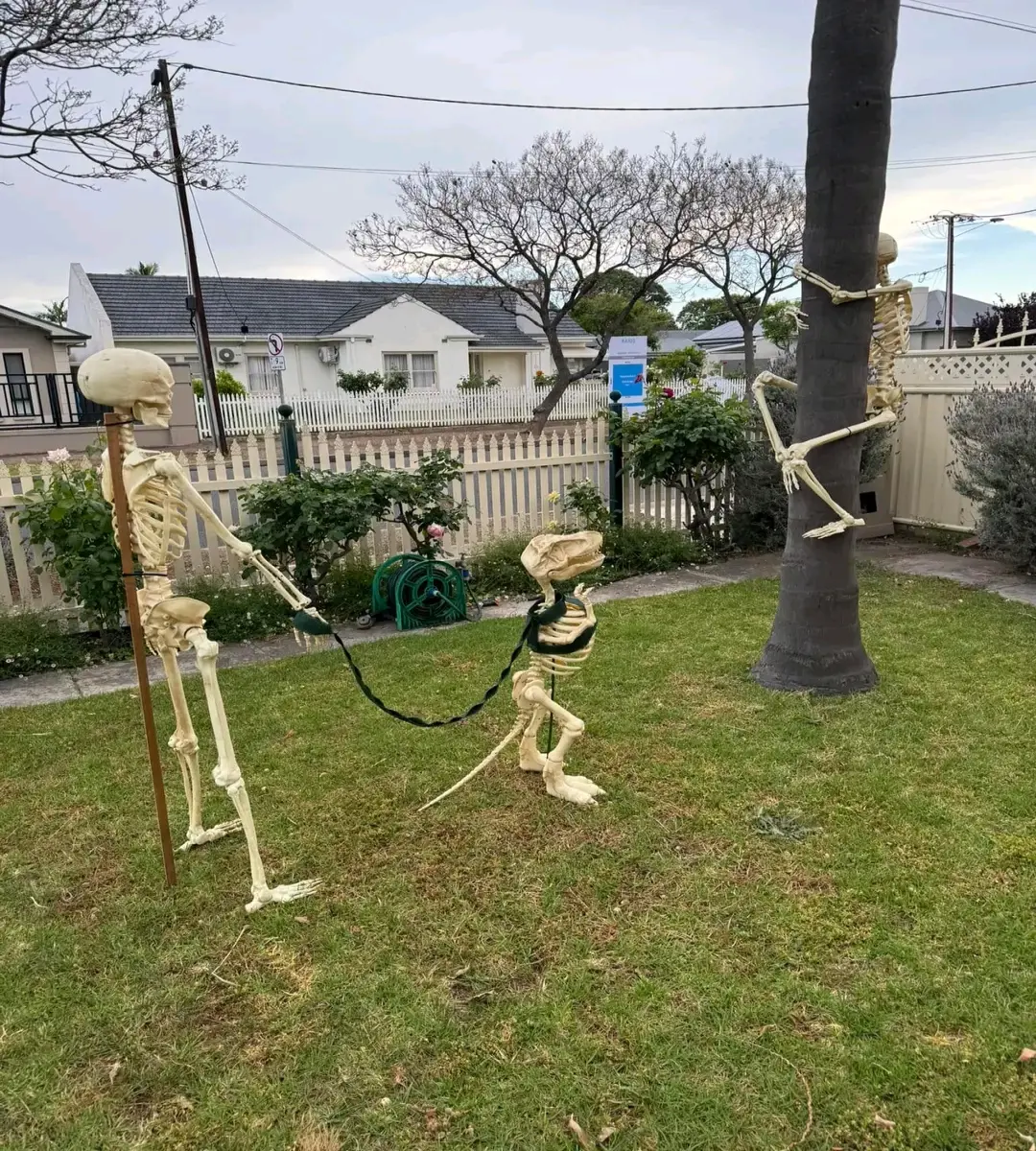
Halloween's origins go back to the ancient Celtic festival of Samhain (pronounced "Sow-in"), celebrated in what is now Ireland, the UK, and northern France around 2,000 years ago. For the Celts, November 1 marked the beginning of the new year and the transition from the light of summer to the dark of winter, a season associated with death. The Celts believed that on October 31, the boundary between the worlds of the living and the dead blurred, and the spirits of the dead returned to Earth.
To ward off any harmful spirits and ensure good fortune for the coming year, the Celts would light bonfires, wear costumes made of animal skins, and make offerings to deities. They believed that the presence of these spirits made it easier for Druids (Celtic priests) to predict the future.
As Christianity spread throughout the Celtic lands, the early Christian church attempted to supplant Samhain with All Hallows’ Eve, later shortened to Halloween. All Hallows’ Eve was celebrated on October 31st, the evening before All Saints’ Day (November 1st), which honored the saints and martyrs of the Christian faith.
Over time, Halloween evolved into the holiday we know today, blending ancient Celtic traditions with Roman and Christian elements.
By the time Halloween arrived in America with European immigrants in the 19th century, it began to develop some of the customs we recognize, like trick-or-treating and carving pumpkins. These practices became widely popular in the United States in the 20th century, with the holiday morphing into a secular celebration centered on costumes, parties, and community fun.
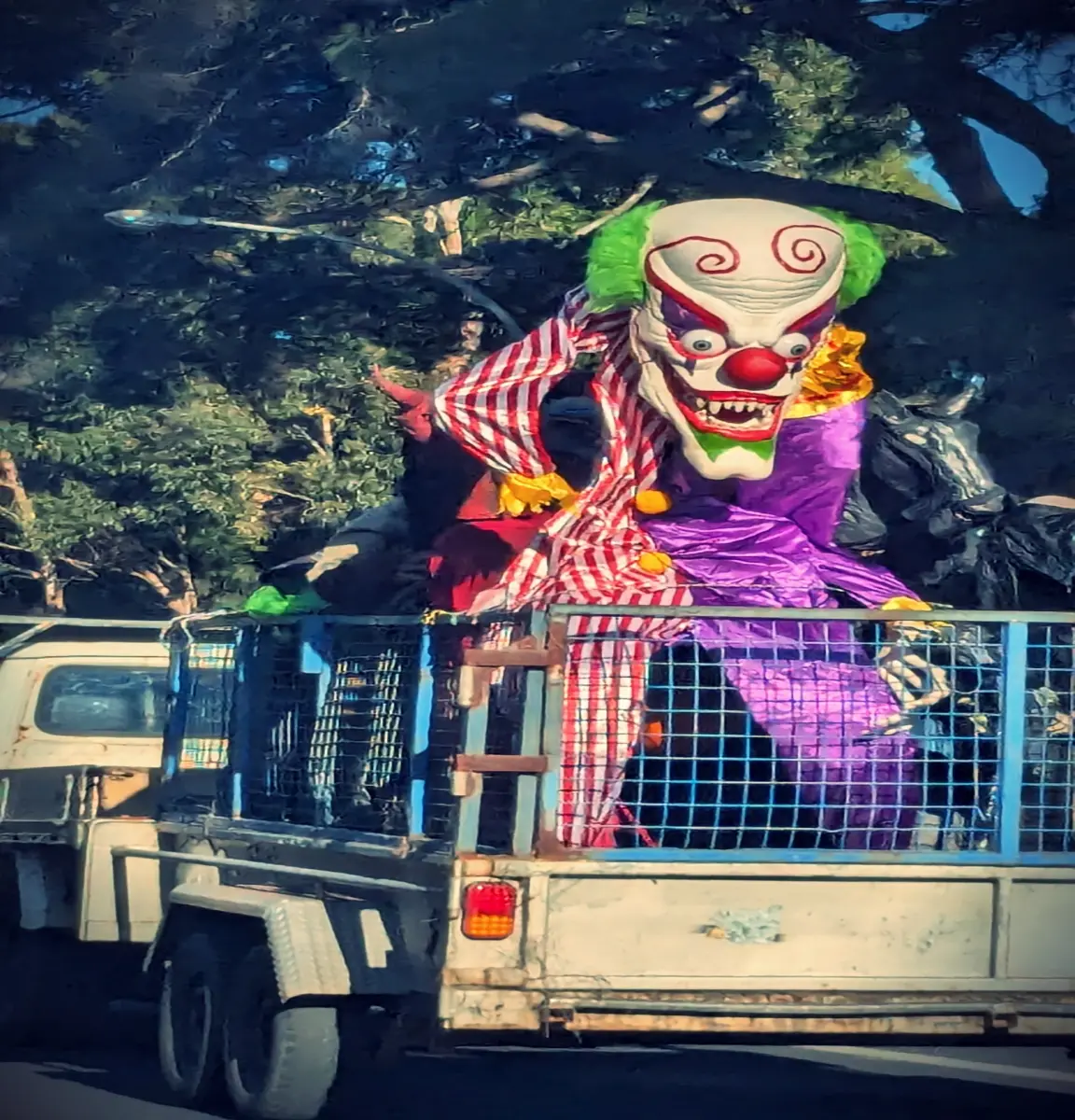
So is it against Christian beliefs?
Halloween has complex roots, blending pagan, Christian, and secular traditions, which can make its relationship to Christian beliefs a bit nuanced.
Historically, Halloween has some Christian connections: in the 8th century, Pope Gregory III established All Saints’ Day on November 1, which aimed to honor Christian saints. October 31, the night before, became known as All Hallows' Eve—eventually shortened to Halloween. During this time, the church encouraged customs that blended pagan practices with Christian celebrations, hoping to create a more unified religious culture.
However, Halloween also has clear connections to pagan traditions from the Celtic festival of Samhain. This festival involved practices meant to honor the dead and protect people from spirits. Some elements of these pagan origins, such as bonfires and wearing costumes, were eventually incorporated into Halloween traditions, though often stripped of their religious meaning.
In modern times, some Christians feel Halloween conflicts with their beliefs, especially with themes that can emphasize the occult, death, or supernatural. Others take a more relaxed approach, viewing Halloween as a secular, cultural celebration focused on fun, costumes, and community gatherings, without any spiritual significance. Some churches even hold "harvest festivals" or "trunk-or-treat" events as family-friendly alternatives.






