
Social Media statistics show that the recent Bitcoin pump is getting people excited that the Bull Market is back. In this short article, I will give my perspective on why the Bull market is NOT here yet, but we're getting closer and closer.
This is how you lose money in a bear market. Getting tricked by the bears that the market is over so that you FOMO in and they pull out the floor once again and take all your money.
Ask yourselves - what has really changed to prove that the bear market is over?
- Inflation coming down ? Powell already said that there won't be a pivot until we reach the 2% target which we are still far away from and could still take the whole of 2023 to CONSIDER stopping rate hikes, let alone going back to quantitative easing!

Inflation is a measure of the rate at which the general level of prices for goods and services is rising and subsequently purchasing power is falling. The Federal Reserve, led by Chairman Jerome Powell, has a target inflation rate of 2%. Recently, Powell has stated that the Fed will not pivot from its current monetary policy stance until the 2% inflation target is reached. This means that the Fed will continue to raise interest rates, if necessary, to keep inflation in check.
However, it is important to note that the Fed's 2% inflation target is an average over time, rather than a ceiling. This means that inflation may temporarily rise above 2% before eventually settling back down to the target level. Furthermore, it could take the whole of 2023 for the Fed to consider stopping rate hikes, and even longer for them to go back to quantitative easing. This is because the Fed will want to ensure that inflation is well-anchored at 2% before making any changes to its monetary policy.
In summary, while inflation may be coming down, the Federal Reserve is not likely to pivot from its current monetary policy stance until the 2% inflation target is reached. This may take until the end of 2023 or even longer. It is important for investors and businesses to keep this in mind when making economic forecasts and decisions.
- Economic climate ? War still ongoing, recession still looming, earning reports still showing negative growth, Rate hikes still filtering into the economy from 6 months ago, Supply chain issues still present

The current economic climate is characterized by a number of factors, including ongoing war, the threat of recession, negative growth in earning reports, and the continued impact of recent interest rate hikes. The ongoing war, whether it is in the Middle East or other regions, can have a significant impact on the global economy. The disruption of trade routes and destruction of infrastructure can disrupt the supply chain and lead to higher prices for goods and services.
Additionally, the uncertainty created by war can lead to reduced investment and consumer spending, which can further slow economic growth. The threat of recession is also looming as some indicators such as GDP growth, unemployment, and inflation are pointing to a potential downturn in the economy. The negative growth in earning reports also adds to the uncertainty as it indicates that companies are not performing as well as expected. Interest rate hikes that were implemented 6 months ago are still filtering into the economy and are affecting the cost of borrowing for businesses and consumers, which can slow down economic growth.
Furthermore, supply chain issues, such as shortages of raw materials and transportation disruptions, continue to be present and are adding to the cost pressures facing companies. In summary, the current economic climate is characterized by a number of challenges, including ongoing war, the threat of recession, negative growth in earning reports, and the continued impact of recent interest rate hikes.
Additionally, supply chain issues are still present and are adding to the cost pressures facing companies. These factors are creating a challenging environment for businesses and investors, and it is important for them to closely monitor economic developments and make strategic decisions accordingly.
- Technical analysis? BTC dominance still very low, altcoins still overvalued, BTC halving still 14 months away

Technical analysis is a method of evaluating securities by analyzing statistics generated by market activity, such as past prices and volume. In the context of cryptocurrency, technical analysis can be used to analyze the performance of Bitcoin and other digital currencies. Currently, the dominance of Bitcoin (BTC) in the cryptocurrency market is still relatively low. This means that other digital currencies, known as altcoins, are still relatively more valuable compared to BTC.
This indicates that the market is still highly speculative and investors should be cautious when investing in altcoins, as they may be overvalued. Additionally, the next Bitcoin halving event, in which the reward for mining new Bitcoins is cut in half, is still 14 months away. This event can have a significant impact on the price of BTC and it is important for investors to consider this in their investment decisions. Historically, the halving event has led to a bull run in the price of BTC, but it's important to note that past performance does not guarantee future results.
In summary, technical analysis of the cryptocurrency market currently indicates that the dominance of Bitcoin is still relatively low, and that altcoins may be overvalued. The upcoming halving event is also an important factor to consider in investment decisions. As always, it's important to do your own research and consult a financial advisor before making any investment decisions
- Fundamental analysis? Grayscale and Genesis still under pressure, Regulation still coming up, XRP lawsuit still to conclude, Exchanges still facing liquidity crunches.
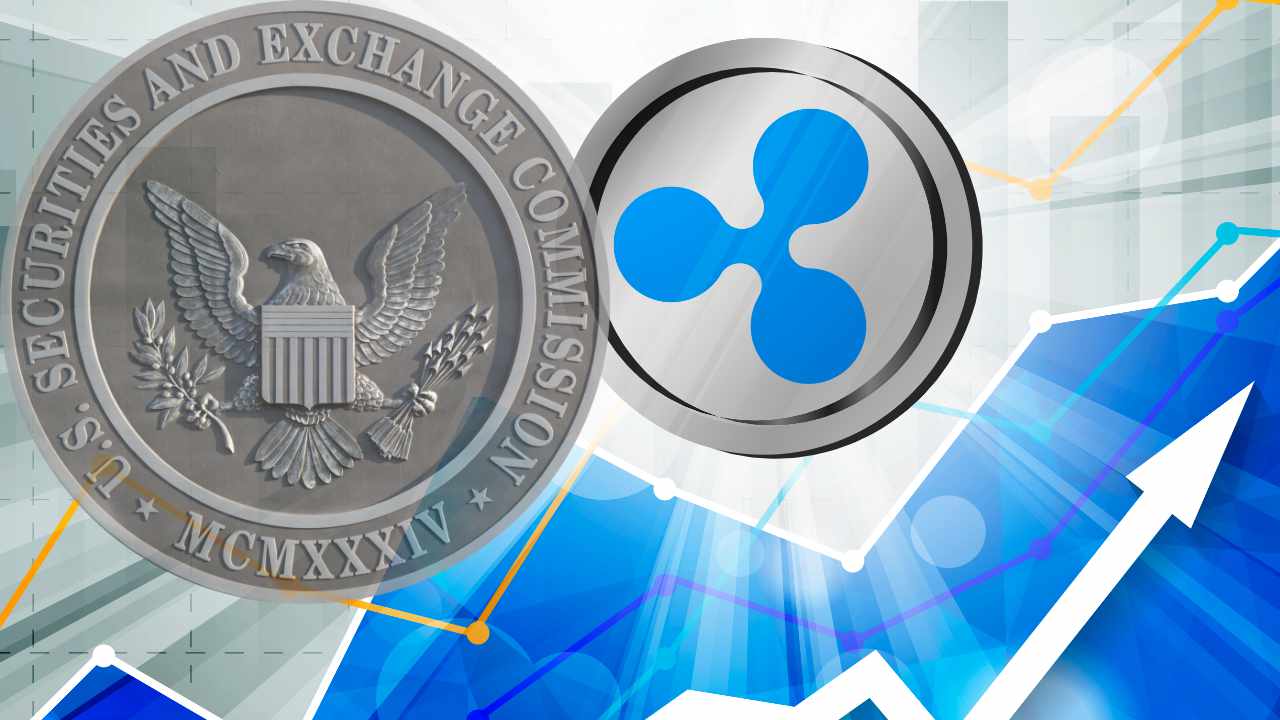
Fundamental analysis is a method of evaluating securities by analyzing the underlying factors that affect the performance of a company or asset, such as financial and economic conditions, industry trends, and management quality. Currently, in the cryptocurrency market, Grayscale and Genesis, two major institutional investors, are still under pressure. This is due to the market conditions and regulatory environment. Additionally, the regulatory landscape is still evolving, and new rules and regulations are being proposed, which can have an impact on the market.
The ongoing XRP lawsuit, in which the SEC (Securities and Exchange Commission) is accusing Ripple Labs, the issuer of XRP, of conducting an unregistered securities offering, is yet to conclude and can have a big impact on the cryptocurrency. Moreover, Exchanges are still facing liquidity crunches, which can affect trading volumes and the price of digital assets.
In summary, the fundamental analysis of the cryptocurrency market highlights that Grayscale, Genesis, and exchanges are still under pressure, regulatory environment is still uncertain and the XRP lawsuit is still ongoing. All these factors can affect the performance of digital assets and it's important to consider them when making investment decisions.
Just because the price goes up, doesn't mean the situation can sustain it. IF we do indeed start a bull run now, we will just come crashing down even harder & possibly cause a decade-long recession/depression as inflation will come back even stronger like it did in the 70s.
We're getting closer - but we're not there yet.
Not financial advice.






