
Hello Everyone,
In this post, I'll be sharing my optimism about the long-term prospects of the crypto market and how I convey this enthusiasm to friends and family in a straightforward manner. I did a post on this earlier, (read it here) but this is an updated version, with more reason to treason on the bank!
Adolescent Banking in 1998
Flashback to 1998 when I was a 13-year-old with my first bank account at Absa Bank in South Africa. At that time, the allure of a bank lay in the interest it offered on stored money. Though I didn't have much, the perks of being young included receiving cash gifts for birthdays. Fast forward to 2024, and I've bid farewell to Absa, realizing that contemporary banking excellence is measured by minimal fees rather than attractive interest rates.
Changing Landscape of Banking
The shift is evident when you consider historical interest rates in South African banks. In 1998, it reached a staggering 22%, a far cry from the contemporary landscape.

Why Crypto?
When faced with inquiries about my enthusiasm for cryptocurrency, I often find myself drawing a sharp contrast with traditional banking. Picture this scenario: the desire to transfer money across borders. In the realm of traditional banking, this endeavor comes with a price tag in the form of fees, and the recipient is left grappling with a considerable waiting period. It's a less-than-enticing prospect, to say the least.
Delving deeper into the realm of international banking transfer fees, the associated waiting times and financial burdens can be disheartening, especially when navigating the complexities of various currencies and banking institutions.
Adding to the list of traditional bank drawbacks, let me share a personal experience. As the owner of a mobile DJ company, I recently decided to sell some of my sound equipment. I posted the items on social media, attracting several potential buyers. One individual showed up at my house, presenting what seemed to be a "legit" proof of payment from the bank. However, since the money hadn't yet reflected in my account, I wisely chose not to release the equipment.
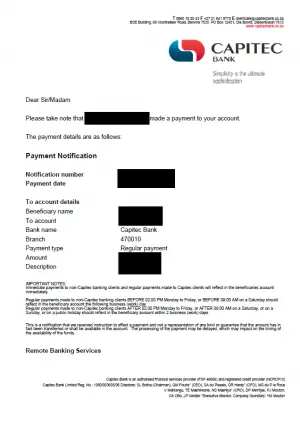
Fast forward 48 hours, adhering to the frustratingly slow norm of traditional banks, the payment still hadn't appeared. I informed the individual that his attempt to scam me wouldn't succeed. Here's the catch: traditional banks allow customers to reverse transactions even after services or goods have been delivered. This leaves the service provider or seller empty-handed and in distress, often with the bank placing the blame on them.
Crypto, on the other hand, addresses this issue seamlessly. With crypto transactions, all I need is the transaction hash, enabling me to promptly confirm whether the transaction occurred or not. Additionally, I can verify the wallet address, providing a level of security and transparency that traditional banking lacks.
Crypto's Solution
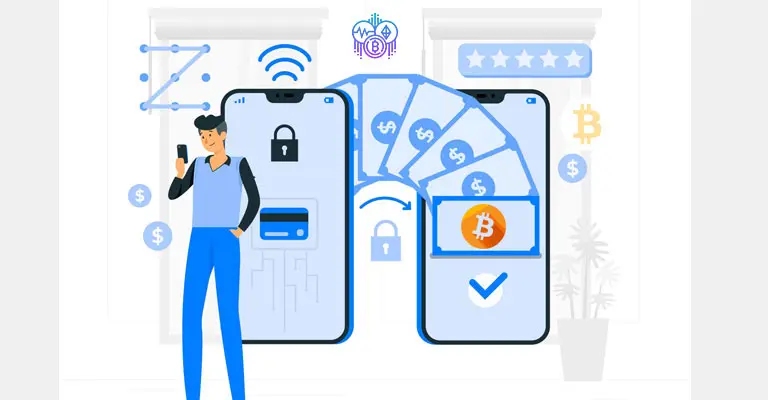
Now, consider the alternative that cryptocurrency provides. Let's take a practical example: I have assets in Matic, XRP, ADA, or any other digital currency, and I wish to send you $50. With the efficiency of crypto, I can effortlessly calculate the equivalent amount in Matic, initiate the transfer to your wallet, and presto! Within minutes, you have the funds at your disposal, all with nominal fees and without the constraints of geographical boundaries.
What sets crypto apart is not just the speed and cost-effectiveness; it's the absence of holding fees within your wallet. Unlike traditional banks, where maintaining an account often incurs additional charges, crypto wallets offer a breath of fresh air by not imposing such fees. Moreover, users are liberated from the intricate lending practices employed by traditional financial institutions, fostering a more transparent and straightforward financial landscape.
Beyond Traditional Banking
If you're content with your bank, think about this: the bank ensures your money's safety by lending it to others and charging them interest, while also charging you for the privilege. It's a win-win for the bank, but not so much for you.
Unveiling the Global Banking Crisis
We are facing a global banking crisis rooted in fractional reserves, where banks lend out your money multiple times, leaving it out of their possession. Traditional banks prove to be ineffective, slow, and costly. In light of these drawbacks, turning to crypto seems like a logical choice.
Closing Thoughts
Your money might not be as secure in the bank as you think, given the practice of fractional reserves. With its inefficiencies, sluggish processes, and high costs, traditional banking is losing its appeal. The question arises: Why not embrace crypto?
Feel free to share this post with friends who might benefit from this perspective. If you enjoyed the post or have thoughts to share, drop a comment.
And if you haven't already, consider joining Binance—a more sensible alternative to traditional banking!
Thanks for reading.






