
As you may know, centralized stablecoin issuers, Circle (USDC) and Tether (USDT), are able to remotely freeze funds in your wallet. These two stablecoins have a feature in the token contract that allows them to be blacklisted, preventing their spending, sale, and transfer. These freezings are theoretically triggered by serious violations and illegal acts. However, despite a massive theft from a DeFi protocol a few weeks ago, Circle, which manages USDC, has decided not to intervene.
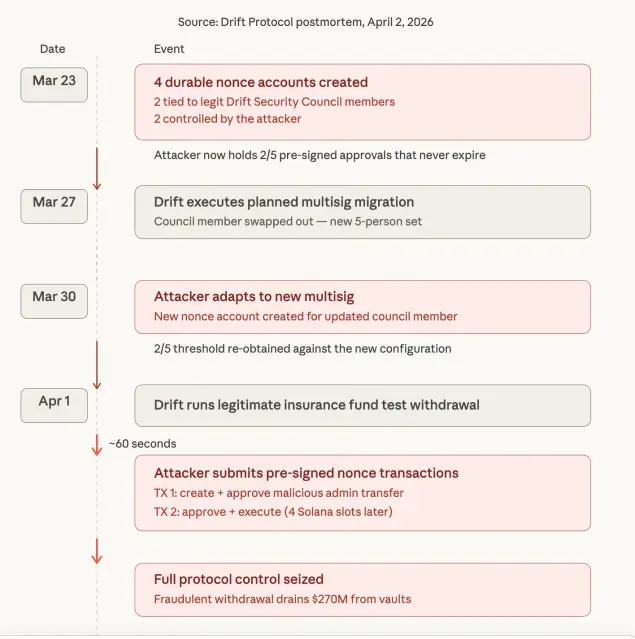
Circle's controversial decision not to freeze USDC, following the attack on Drift protocol that stole $270 million, appears to be leading to a lawsuit filed by users themselves. This decentralized exchange (Drift) was drained on Solana by a group of hackers (who infiltrated the company) who posed as quantitative traders and studied the protocol for several months. Attackers used Circle's bridge (Cross-Chain Transfer Protocol) to transfer funds from Solana to Ethereum, and despite an eight-hour window to act, Circle decided not to freeze the funds. Other funds were transferred using a Wormhole bridge and then through mixers with Tornado Cash.
Renowned investigator ZachXBT asks: "Why would cryptocurrency companies (and others) continue to use USDC if Circle doesn't guarantee the protection of these funds?".

It's called decentralization, bro. Decentralization. I know many people would like DeFi to become similar to traditional finance and chains similar to banks, but personally, I hope a modicum of decentralization remains. The difference between those who are "old school" in the blockchain sector and those who started a few years ago is precisely this: not giving "decentralization" the importance it deserves.
Circle's response, however, was ambiguous and controversial, stating that they freeze funds in the event of:
1) Sanctions.
2) Police orders.
3) Lawsuits and court cases.
It's a controversial view, in my opinion, almost as if there are some (courts and law enforcement) who have the right to demand freezing. According to data from TRM Labs, approximately $141 billion in stablecoins were used for illicit activities last year. According to ZachXBT, $420 million in USDC was not frozen despite being linked to illicit activities. Meanwhile, Tether helped Drift by repaying part of the lost funds ($148 million) on the condition that USDC be replaced with USDT.
Are you interested in ways to earn crypto bonus? Check it out here: Some Sites To Earn Crypto Bonus (Old & New)






