
Good day everyone,
I hope you are all having a good day, welcome to CryptoGod-1's blog on all things crypto. In this post I will be looking at the decline in crypto scams during the final month of 2024.
Crypto Scams Down in December 2024
The final month of 2024 saw a decrease in the amount lost to cryptocurrency scams. It was the least damaging month of the year, with $28.6 million in recorded losses. The crypto industry had a decline in losses due to scams, exploits, and hacks as the year came to a close, with the $28.6 million in December marking a significant drop from the $63.8 million in November and $115.8 million in October. This comes from blockchain security firm CertiK.
It was revealed by CertiK on the 31st of December 2024 that the year that exploits had been the biggest concern, with $26.7 million taken in this manner. These included a $2.1 million exploit on decentralized finance (DeFi) platform GemPad where the hackers managed to leverage a smart contract vulnerability to steal assets.
PeckShield, another blockchain security firm, reported similar findings as they noted hack-related losses were $24.7 million which showed a 71% decline from November. They noted over 25 hacks throughout the month of December, and confirmed that the LastPass exploit between the 16th and 17th of December being the worst. This saw $12.3 million drained from users’ wallets and the theft was associated with a December 2022 data backup theft. PeckShield also highlighted a December 2 security breach involving DeFi market protocol Yei Finance, which lost $2.2 million.
The Cyvers 2024 Web3 Security Report noted that $2.3 billion worth of cryptocurrency managed to be stolen in 165 incidents throughout 2024. This showed a 40% increase from the total of $1.69 billion stolen in 2023. It still remains below the all time high of $3.78 billion stolen in 2022.
The blockchain security platform Immunefi have claimed that the cryptocurrency industry saw a total loss of $1.49 billion in 2024 from hacks and fraud, which showed a 17% decrease from 2023. Their report outlined how hacks were overwhelmingly the primary cause and accounted for a total of $1.47 billion or 98.1% of the total losses. A total of 192 incidents of hacks took place in 2024. Fraud meanwhile, which includes rug pulls and scams, represented just 1.9% of the losses or $28 million. However, this did see a 72% increase from 2023.
Their report noted two high-profile incidents as the year’s largest losses. These were Japan’s DMM Bitcoin exchange, which saw a loss of $305 million in a private key breach back in May. The other was WazirX, India’s top crypto exchange, which lost $235 million in July after hackers compromised their Ethereum-based multisig wallet. These two incidents accounted for 36% of the total losses.
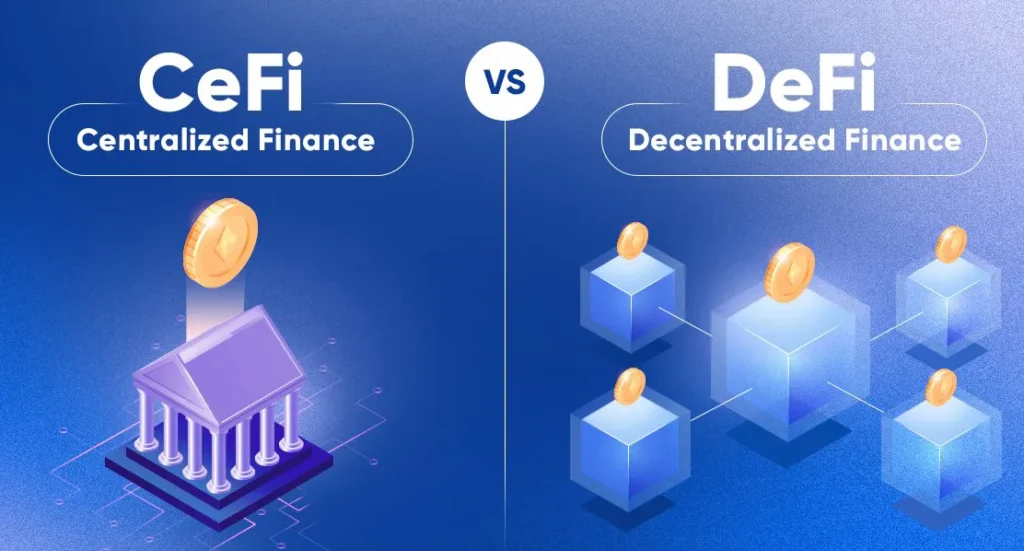
It showed that decentralised finance (DeFi) protocols remained the primary targets from hackers, with 51.4% of all losses originating from DeFi. In terms of centralised finance (CeFi) platforms, a total of 48.6% of losses originated there. CeFi losses have risen 77.5% year-on-year and have now reached $726 million. The most attacked chains were Ethereum and Binance Smart Chain, with Ethereum facing 104 incidents that led to 44% of total chain losses.
While the world experience advanced security measures and blockchain analytics things are becoming increasingly difficult for hackers, but it is clearly not stopping them as they look for exploits. Blockchain analytics collect transactional data from publicly accessible blockchains and this assists in identifying and tracking any illicit activities such as money laundering and fraud. It helps to give risk scores to wallets and transactions and these tools can then help law enforcement and compliance teams in their fight against financial crimes. These tools also allow for things such as funds flow mapping and behaviour profiling. This creates a clearer picture of suspicious activity and helps to create real-time predictive analytics to flag risky crypto wallets.
When it comes to the future of blockchain risk management it is important to understand how Enhanced Security Measures will be crucial. Having better auditing practices and robust development protocols will help to limit the amount that hackers and fraudsters can steal from victims. Given that many smart contracts continue to have vulnerabilities, continuing to complete ongoing audits and security reviews is crucial. Making cross-chain security solutions will be important as both Ethereum and EVM chains continue to see attacks. Security practices must adapt and Advanced Security Tools will be key to this. One of the most important things to prevent scams and frauds is user education and awareness, as user errors and the potential of phishing scams remain real and dangerous threats to users funds.
There have been Fintech start-ups in Asia and other regions which have been making use of smart contract escrow. This is a feature which automates payment processes and holds user funds until certain conditions have been met. It can help to reduce potential fraud and disputes, although it is not a perfect system. Smart contract escrow automates payments and combining them with Multi-Signature Authentication and Time-Locked Transactions can help to enhance security further. Smart contract escrow is also usually cheaper than other, more traditional, financial services. It makes use of blockchain technology to ensure the contracts code and terms are immutable (cannot be changed) once deployed.
While there has been a decline in cryptocurrency hacks in December 2024 compared to previous months, it has still been a difficult year overall. The high number of incidents throughout the year underscores the need for continuous improvement in crypto software and tools. Users need to be more vigilant as scams and hacks continue to evolve. While the advancement in security tools continues to improve the defence against hackers, we must also be aware that the hackers are continually advancing their ways and means to target and snare victims.
Have a great day.
Peace. CryptoGod-1.
Referral Links and Follow Me:






