1-) Aperture and Shutter Values
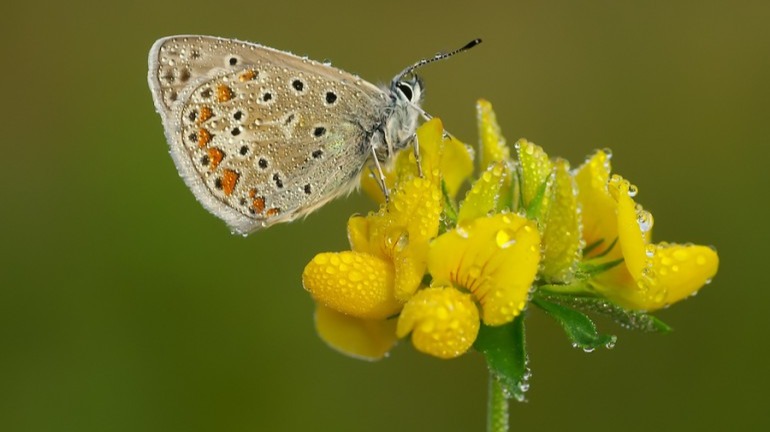
We want to draw a butterfly or insect that we encounter in nature. We can achieve this with a high aperture value. When taking pictures in nature, it is useful to use aperture values such as F / 8 or F / 11, depending on the size of the subjects. With these values, we can get the chance to draw our object exactly. It is easier to take clear photos with hand shutter speeds such as 1/200, 1/125.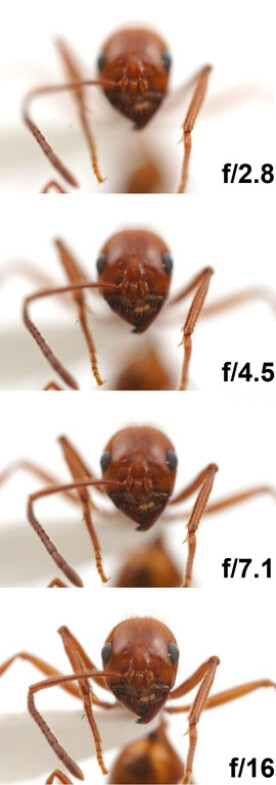
2-) Shooting Hours
The best times for shooting in nature are very early in the morning (such as 5-6 o'clock). During these hours, the creatures in nature are in a state of sleep and are therefore very suitable for photography. Also at these times, there is a wonderful shade of dew and accompanying daylight on our objects in nature. Especially the butterflies that are under the dew are incredibly beautiful.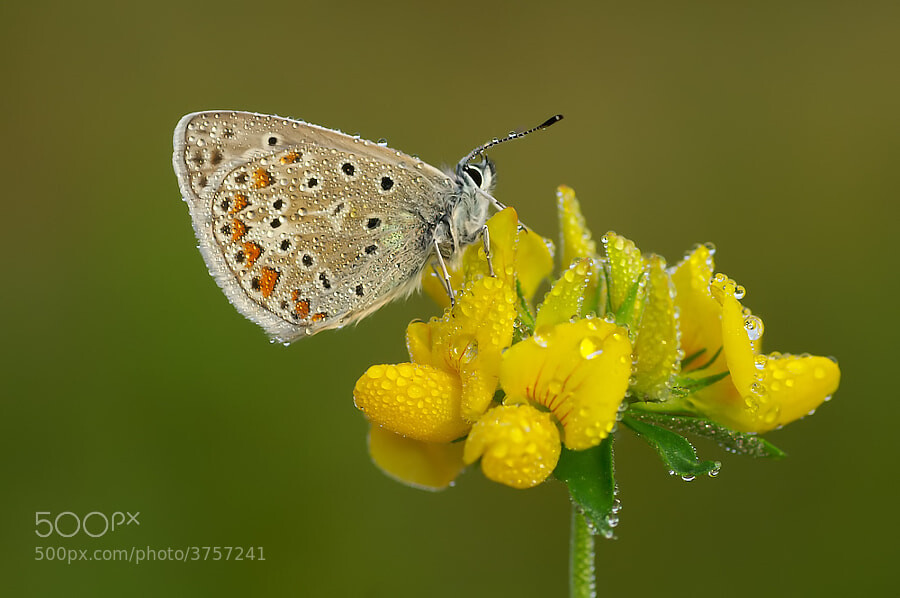
3-) Flash Usage
Using flash is an important factor in nature. Living things often run into dark corners or under leaves. It is not possible to use natural light at these points. Especially in a 1: 1 magnification, the flash is a must. In such cases, the flash saves lives. In addition, the use of flash allows us to use a fixed shutter speed. However, the use of flash should be avoided as much as possible. Because we do not want to harm the eyes of creatures in nature.
4-) Machine Color Settings
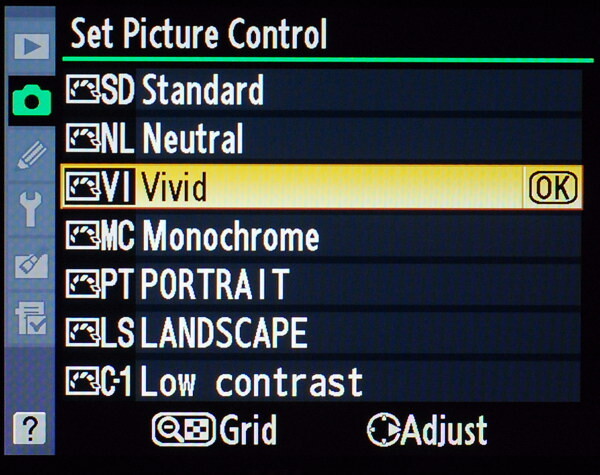
There are some color settings in your Nikon camera (Set Picture Control). When shooting in nature, “Vivid” color setting must be selected. This setting helps you achieve impressive photos by giving more vivid colors.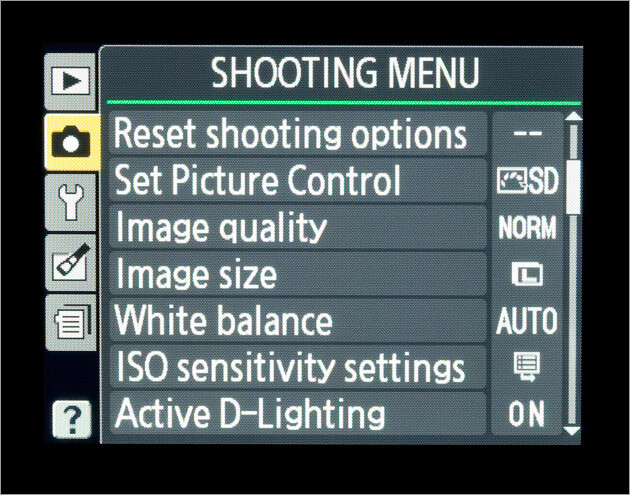
5-) Shooting Angle
When shooting in nature, it should be tried to make use of sunlight as much as possible. Sunlight always gives a better and higher quality image than artificial flash light. It is important that you do not drop your shadow on the objects during your shooting. Sunlight and flash light should be combined as much as possible.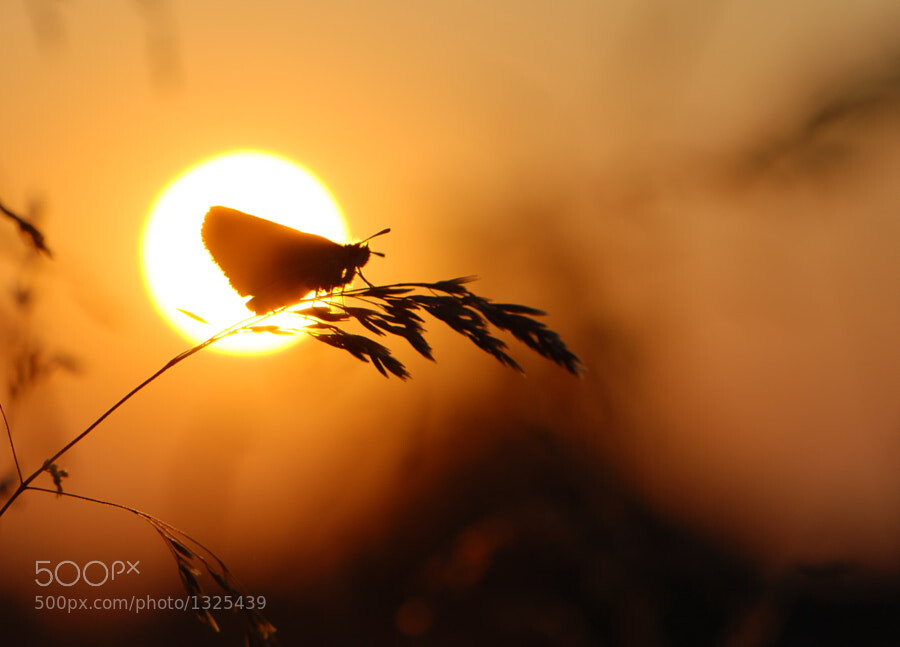
6-) Approaching to Objects
Try to approach objects in nature as slow as possible, close to the ground and from the back. Also, trying to approach the objects with our eyes in the viewfinder will provide an advantage for fast shooting. Lifting the machine next to objects often scares the animals.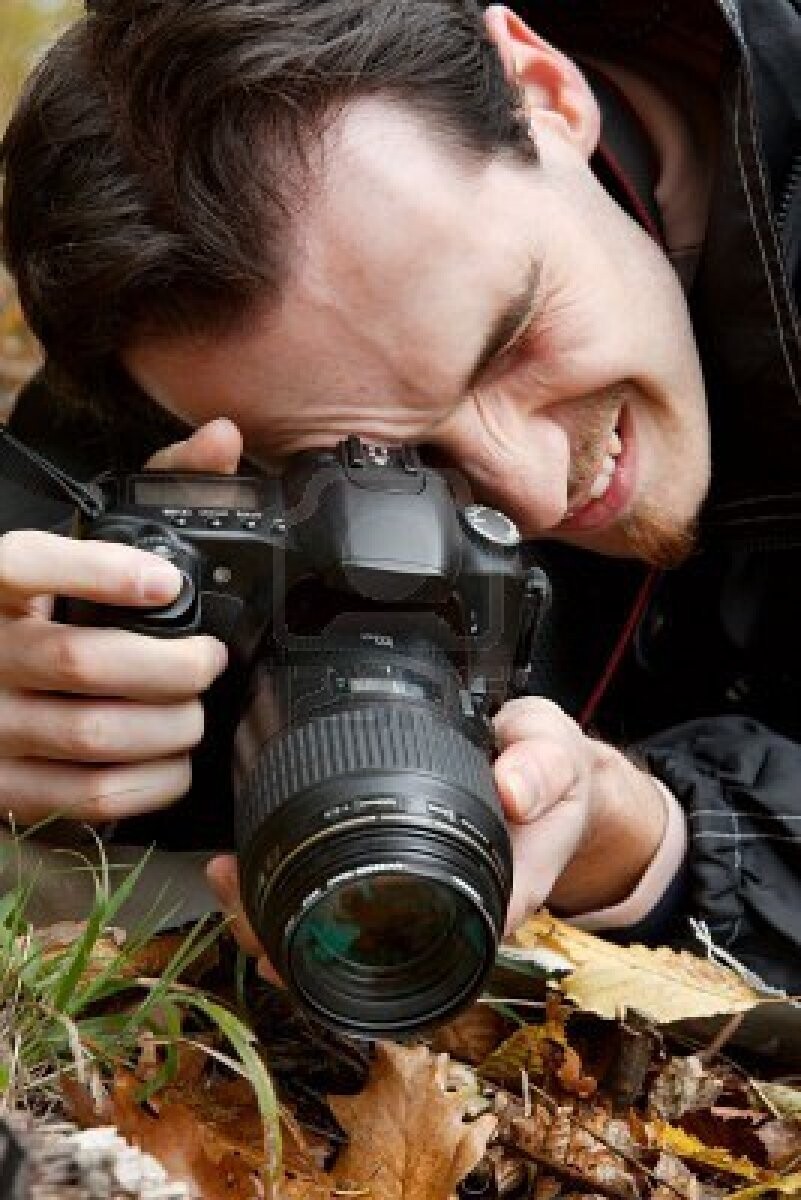
7-) Clarity Areas of Objects
It is preferable that the eyes are clear. It is important to have clear eyes in the macro world of objects shot in nature. For this reason, first of all, the objects you plan to shoot should be clear.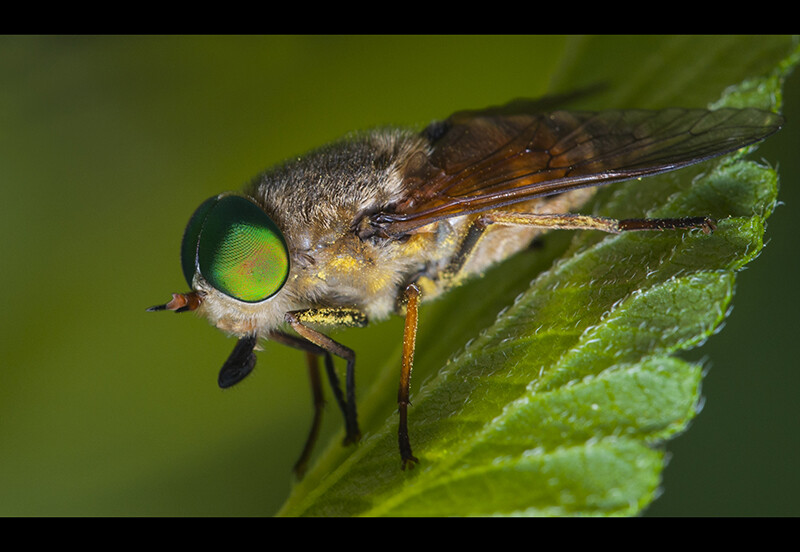
8 -) Locations
In nature, living creatures are often found around water's edges or flowers with plenty of pollen. Although the situation changes according to the species, you can be sure that you can find more varieties in these wetlands.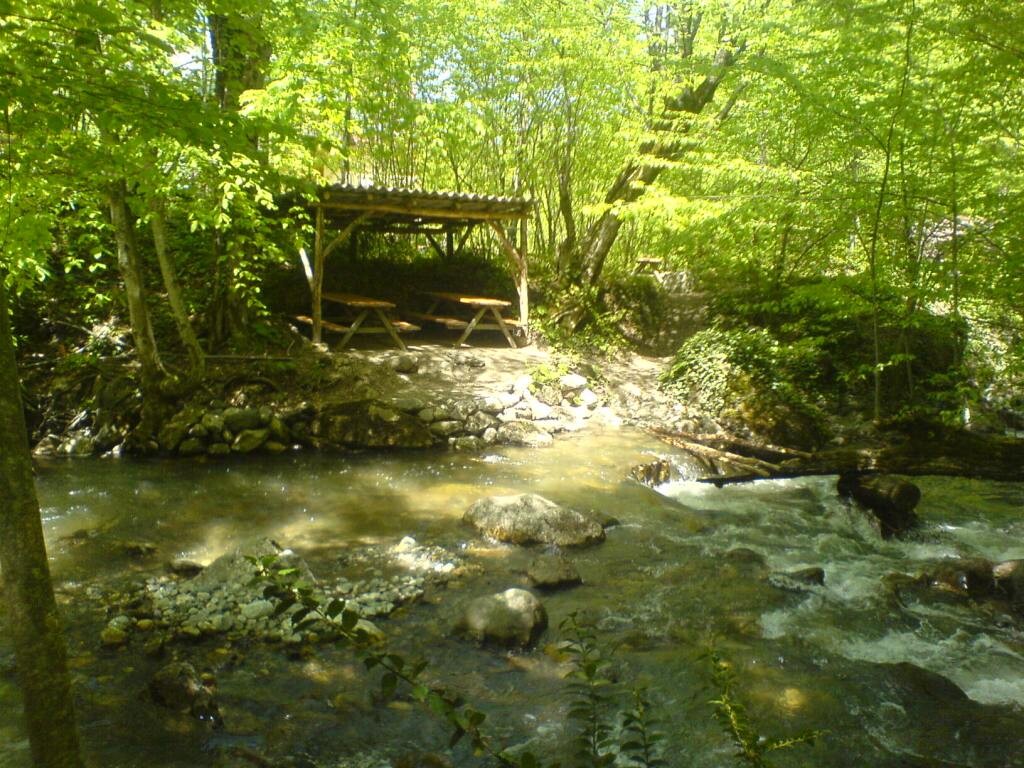
9-) Respect for Animals and Nature
For macro photography, definitely, natural life should not be harmed. Animals should not just be killed or detained for photography. Photographing should be done without forgetting that they are also alive.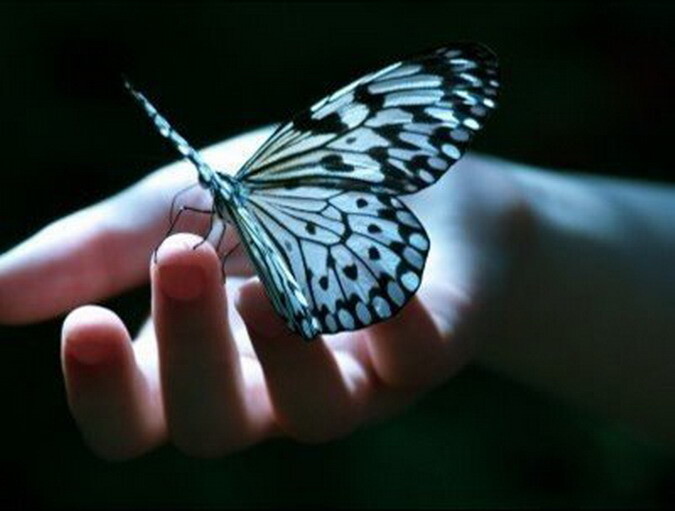
10-) Personal Protection
Some aggressive creatures in nature may appear during the photo shoot. It is also present in very poor thorny plants. Against such situations, trousers and shoes should be used in your field tours. Since macro shots are on the ground most of the time, it will be very useful to have knee pads. Having a hat against the sun should never be old.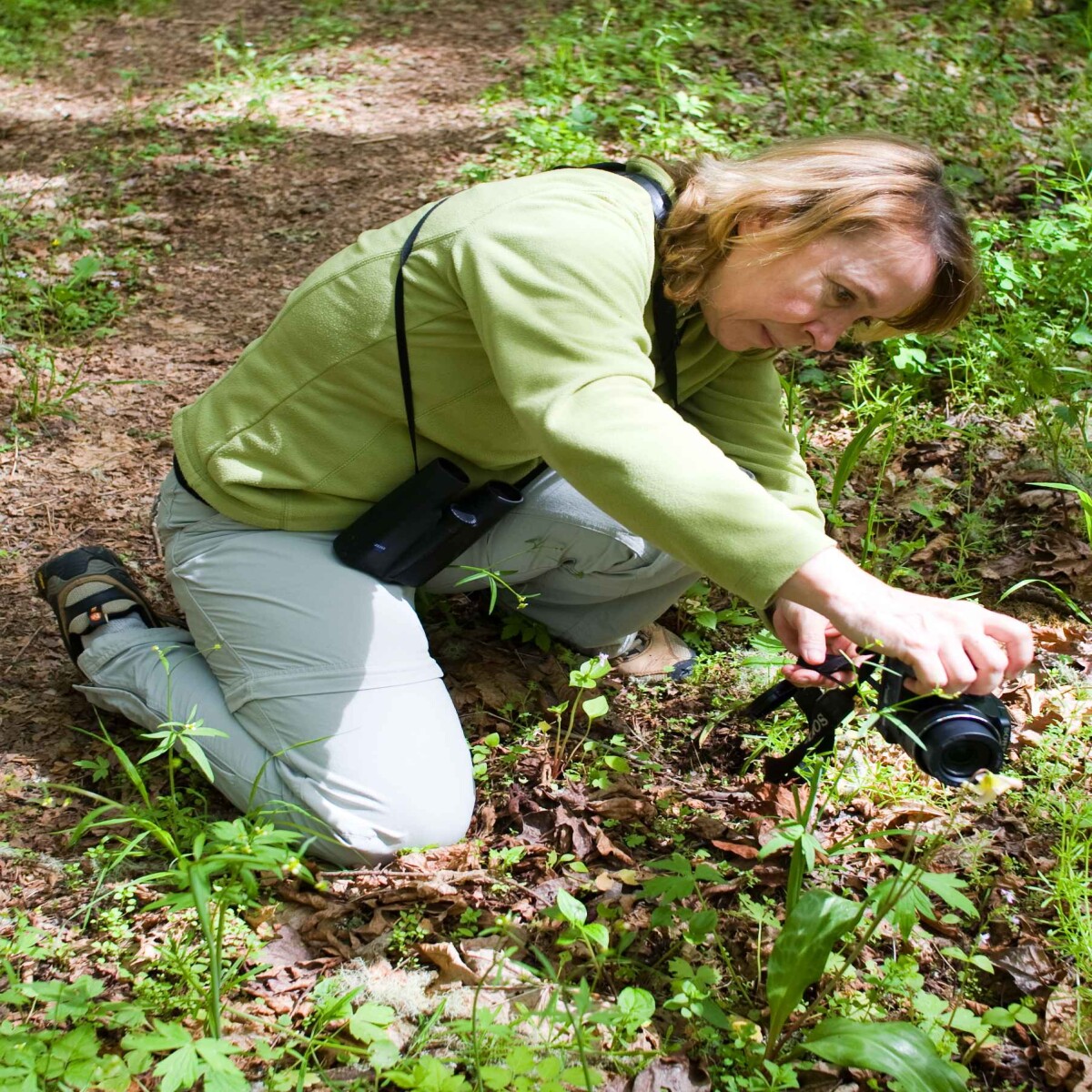
10 tips for taking macro photos
By I'm cripto's tesla | cryptoanalysiss | 29 Apr 2020
How do you rate this article?
2

Analyze coins and helping you. :) I'm cripto's tesla

To teach terms on crypto sites, to show the unknown. I'm cripto's tesla

Send a $0.01 microtip in crypto to the author, and earn yourself as you read!
% to author / 80% to me.We pay the tips from our rewards pool.
9 hours ago
3 minute read


4 hours ago
1 minute read


10 hours ago
3 minute read
