
AI, otherwise technically referred to as artificial intelligence, has become ubiquitous and as much of a reach-for tool as the dictionary was before computers. That said, anyone with regular application of the tool is finding it to still be lacking in the details. At first, AI seems to be very accomplished. However, problems, missed details and small but critical factors seep in showing that it's still not ready for prime time. As in programming, the slip-ups are just as evident in writing as well.
Deli Food Galore
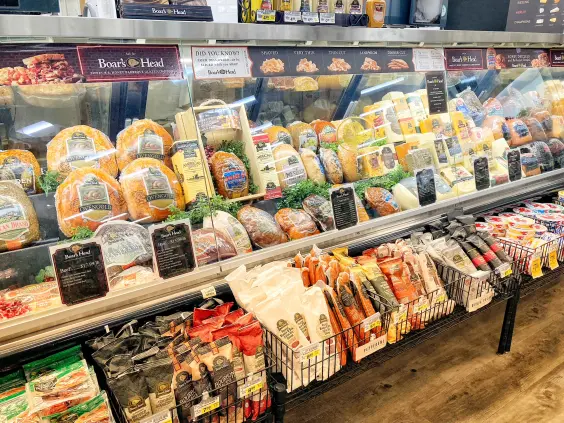
My favorite stop at the grocery store when it's time to stock up on food for the household is the deli. You can go through aisles and aisles of pre-packaged food, but it just doesn't compare with the fresh taste of deli food, cold cuts, meats & cheeses, and salads. There's just something real about the food in the deli that makes the rest of the grocery store stock fade in comparison. However, when you talk to AI tools about a deli, something starts slipping apart. At first, if you look at the topic from a distance, everything seems to be okay.
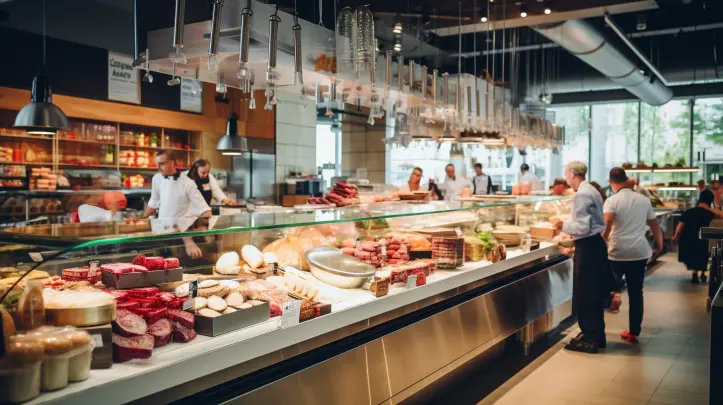
There are slight hints of something being off, but it's very professional and inviting. It's only at a closer look that the AI image design falls apart.
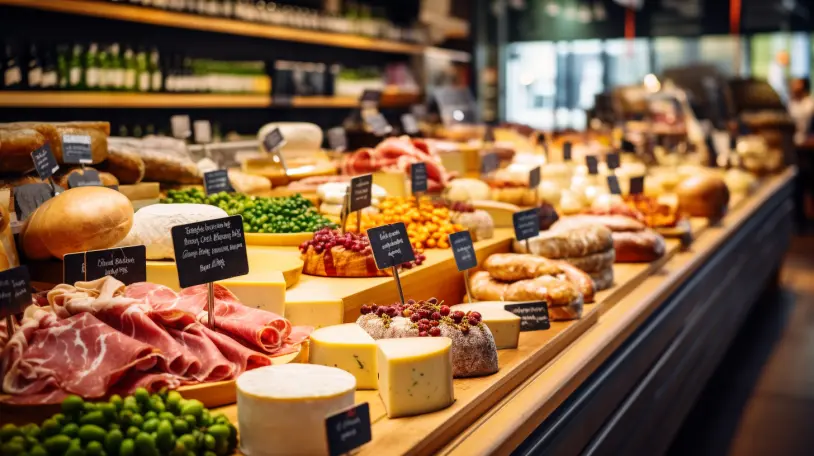
Text embedded in generated images is almost always the automatic giveaway. The size ratio of products and things tends to be off as well, just slightly, but enough to be noticed.
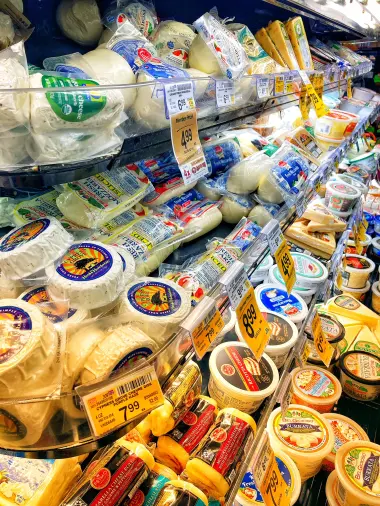
The details just don't add up 100 percent when compared to a real photo above.
It's Not Just Writing
Then, when we get into writing itself, AI comes across flat, generic and missing the key zest that brings a reader deeper into a topic, ideally to convince them to go to the nearest deli and get lunch if designed with a marketing goal or similar.
Let's look at this paragraph from chatGPT:
A deli offers a diverse array of delicious, freshly prepared foods that cater to a variety of tastes. From stacked sandwiches made with premium meats like roast beef, turkey, and pastrami to homemade salads, soups, and sides, delis are known for their quick, yet high-quality meals. The shelves are often lined with gourmet cheeses, artisan breads, and pickled vegetables, all made to complement the main dishes. Many delis also feature hot options such as freshly grilled paninis, breakfast items, or daily specials, providing a casual and convenient dining experience.
Well, yes, those statements and adjectives are technically correct. But here's how a human writer might generate the same paragraph.
I walked into my local deli and my senses were smacked punching bag silly in the first few seconds by the rich smells of sausages, freshly-cooked soups and the waxy preservatives of lingering cheeses stocked full on the front shelves. While jostling between other just-as-hungry customers trying to get today's lunch order in before the pastrami ran out, I kept getting distracted by visions of artisan breads, pickled vegetables drenched with inquisitive spices, gourmet cheeses and, of course, those meaty cold cuts you can't find anywhere else in a grocery store. Best yet, I could get my sandwich served hot off a panini grill with the cheese melted into the meats and toasted on both sides by thick, sourdough bread slices. Oh, the olfactory heaven I'm in before lunchtime! Oh wait, what's the daily special?
Now which version just made you a slight bit hungry reading the above? Yup, probably the human one because we can all relate to that experience of being confronted with real, genuine food.
AI can do a lot of things, but it can't do them well, at least not yet. The world might be a bit of a colder place when it can. I'd rather sit in my local deli and just write like a hungry human.






