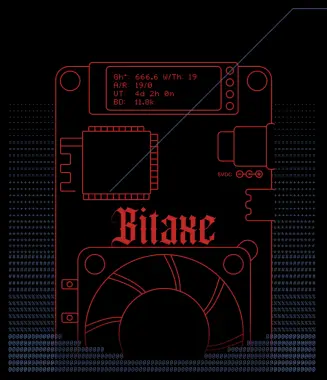
Bitaxe is quickly dominating the reference category for the Bitcoin lottery ticket, sharing a very compact stage with Nerdaxe Q++ and a few others. In reality though, while these little Asic gadgets are fun to play with, any actual performance comes down to actual hashing power. On average, the typical Bitaxe Gamma 601 or similar gets about 1-1.5 Th/s, well below the current difficulty level of almost all Bitcoin pool opportunities, solo or shared. That said, there is still plenty of room for real return and function for a Bitaxe in other arenas that share the same SHA-256 algorithm mined for BTC.
Both Digibyte (DGB) and BitcoinCash (BCH) use the SHA-256 algorithm for blockchain mining. And, more importantly, both chains have a difficulty level for mining that is well within reach of the common Bitaxe Asic setup. For Bitcoin, the current difficulty level is bouncing around 990 Gh/s to 1.03 Th/s, which is well within range for a Bitaxe. Digibytes chain is at 211 K - 4.97 M. Of course, differences exist, depending on the pool, actual miners at the time, chain progress and more. So, while you could let your Bitaxe run as a shiny shelf gadget for a year and see nothing in BTC, there's a very real possibility of finding a block with Bitcoin Cash as well as an even greater chance per week with Digibyte.
Doing so is a simple as accessing the Bitaxe OS for your machine and, under the Pool category, redirecting the Bitaxe to work with a designated pool other than the original one for BTC. Then, it's a simple matter of being registered in the pool, having your wallet ID submitted, and confirming you have connected to that pool network. Both solo and shared pools can be worked with a Bitaxe.
Personally, I'm playing around with SoloPool at the moment aiming for a BCH block or two. The platform gives a nice overview when connected, and progress is apparent.
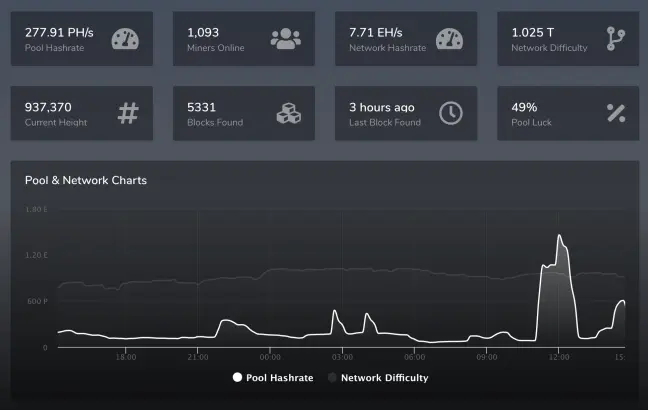
They also provide an easy to read dashboard perspective for overall pool performance as well as user-specific activity.
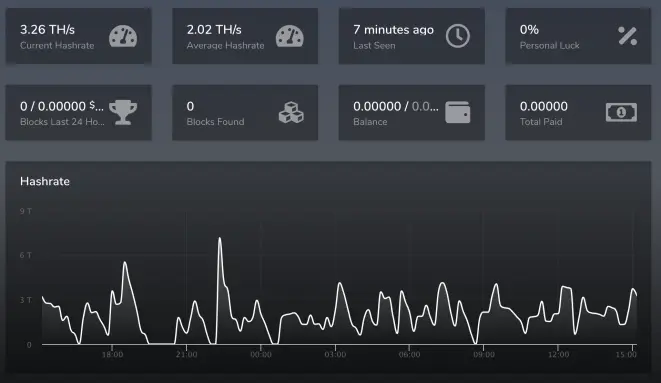
As you can see, I'm averaging 3.2 Th/s, well over the minimum difficulty needed for a block find, but I'm also fighting it out with 1,000 miners in the same pool. The overall pool is running at a 50 percent luck level, so that does provide more promise of hitting something this month versus 12 months of nothing with BTC.
So, the moral of the story is, a tool might designed for one thing but you catch more fish with a bigger net and flexibility. I'm not really too worried about a BTC block lottery ticket. Simply finding one BCH block every two months would more than pay 12x what I paid for my Bitaxe. That's a very attractive ROI for a very low cost ASIC.