
Getting into cryptocurrency can feel like diving into a huge ocean. Your crypto? That’s your treasure, and you want to keep it safe. That’s where a crypto wallet comes in. But with so many choices out there, picking the right one can be tough. The truth is, there’s no one-size-fits-all wallet. The right one for you really depends on what you need.
What is a "Good" Wallet?
- Let's quickly glance through the most essential attributes that render a good crypto wallet before going into the detail of recommendations:
- Security: Priority number one. Look for wallets that boast strong encryption, two-factor authentication (2FA), and an excellent reputation.
- Ease of Use: A wallet with too much complexity is a headache wallet. Especially if you're a beginner in the field of crypto, make it easy and accessible to use.
- Coin Support: Does the wallet support the coins you plan to own? Check out the list of supported assets!
- Control of Private Keys: "Not your keys, not your coins." That's a maxim from the ages. Non-custodial wallets (where you hold your private keys) are more secure, but also more onerous for you.
- Fees: Some wallets charge fees for transactions. Understand the fee system before you choose a wallet.
- Backup and Recovery: What happens if you lose your phone or damage your hardware wallet? A good wallet has a robust backup and recovery system.
My Top Contenders (And Why)
And now, the best part! Here are some top-rated wallets that always get mentioned, with something for every kind of user:
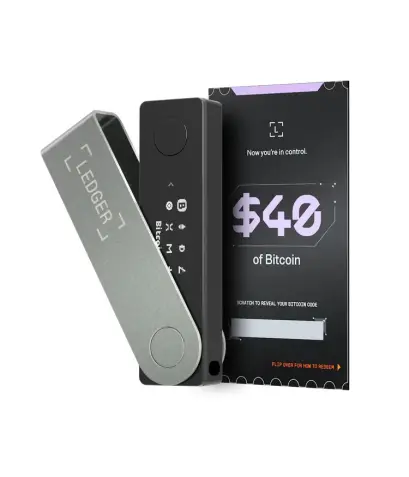
1. For the Security-Conscious Hodler: Ledger Nano X (Hardware Wallet)
Link To Buy : https://shop.ledger.com/products/ledger-nano-x
Hardware wallets are these little gadgets that keep your private keys safe and offline, which makes them really tough for hackers to crack. The Ledger Nano X is a solid choice since it works with many cryptocurrencies and is easy to use. It might cost you a bit, but it’s worth it if you care about keeping your assets secure over time.
Pros and Cons
Pros: Excellent security, many coins supported.
Pros: Free, widely supported, user-friendly.
Cons: Less secure than software wallets, requires a physical device.
2. For the Mobile-First Trader: Trust Wallet (Mobile App)
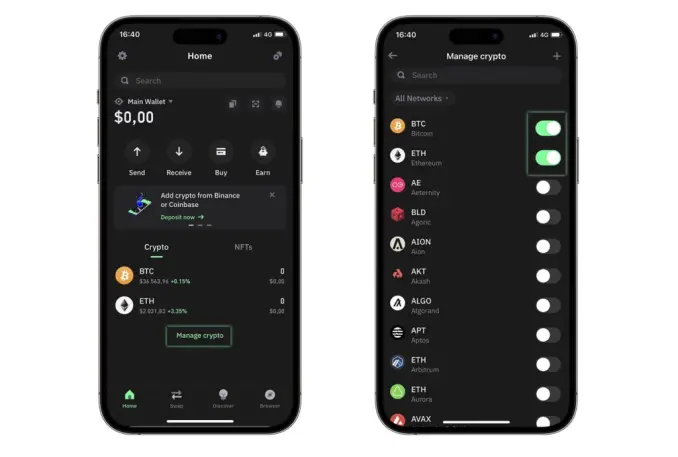
Trust Wallet is a mobile-only wallet that only exists on the mobile platform and is best used for on-the-go transactions and dApp usage. It is user-friendly, supports a humongous amount of cryptocurrencies and tokens, and supports Binance, one of the largest crypto exchanges.
Pros and Cons
Pros: Convenient mobile access, supports a vast array of tokens, built-in Web3 browser for dApps.
Cons: Less secure than hardware wallets, relies on mobile device security.
3. For the Beginner: Exodus (Desktop & Mobile)
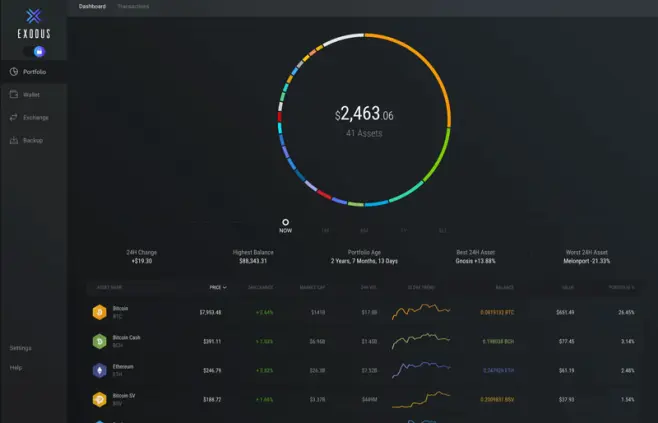
Exodus has a nice and easy-to-use design. You can use it on both desktop and mobile, which is really handy. It supports a good range of popular cryptocurrencies and lets you swap one coin for another without any hassle.
Pros and Cons
Pros: User-friendly interface, built-in exchange, available on multiple platforms.
Cons: Not fully open-source, slightly higher fees for in-app swaps.
The Bottom Line
Choosing the "best" crypto wallet is a personal preference. Consider your security needs, your technical skill level, and the coins you must hold. Experiment with a few and see which one works best for you. It's perfectly fine to have multiple wallets for different uses! Always backup your recovery words and keep them safe!
What is your go-to crypto wallet and why? Let us know in the comments below!
Thank you for your time. I appreciate it.





