
There are things they never teach you in school. For example, that the right car can outperform gold. Not as a metaphor — literally, in percentage returns.
According to the HAGI Top Index, collectible automobiles appreciated by more than 500% over the decade leading up to 2019. In 2025, auctions and online sales of collectible cars grew by 10% to $4.8 billion. Online sales alone jumped 12%, reaching $2.5 billion.
To put the scale into perspective, consider one specific example. A 1985 Porsche 911 Carrera had a sticker price of about $32,000 when it left the showroom. Today, the average sale price for the same model is around $124,820. No restoration required — just time. That’s nearly a 4x increase in value, and that’s for an average example. Well-preserved cars often sell for significantly more.
But some people realized something even more interesting: if a single car can appreciate that much, what happens to the value of an entire automotive brand with a century of history behind it? Instead of buying individual cars, they bought the brands themselves. So, based on this, I want to share the list of top 5 entrepreneurs who became owners of iconic automotive brands with you.
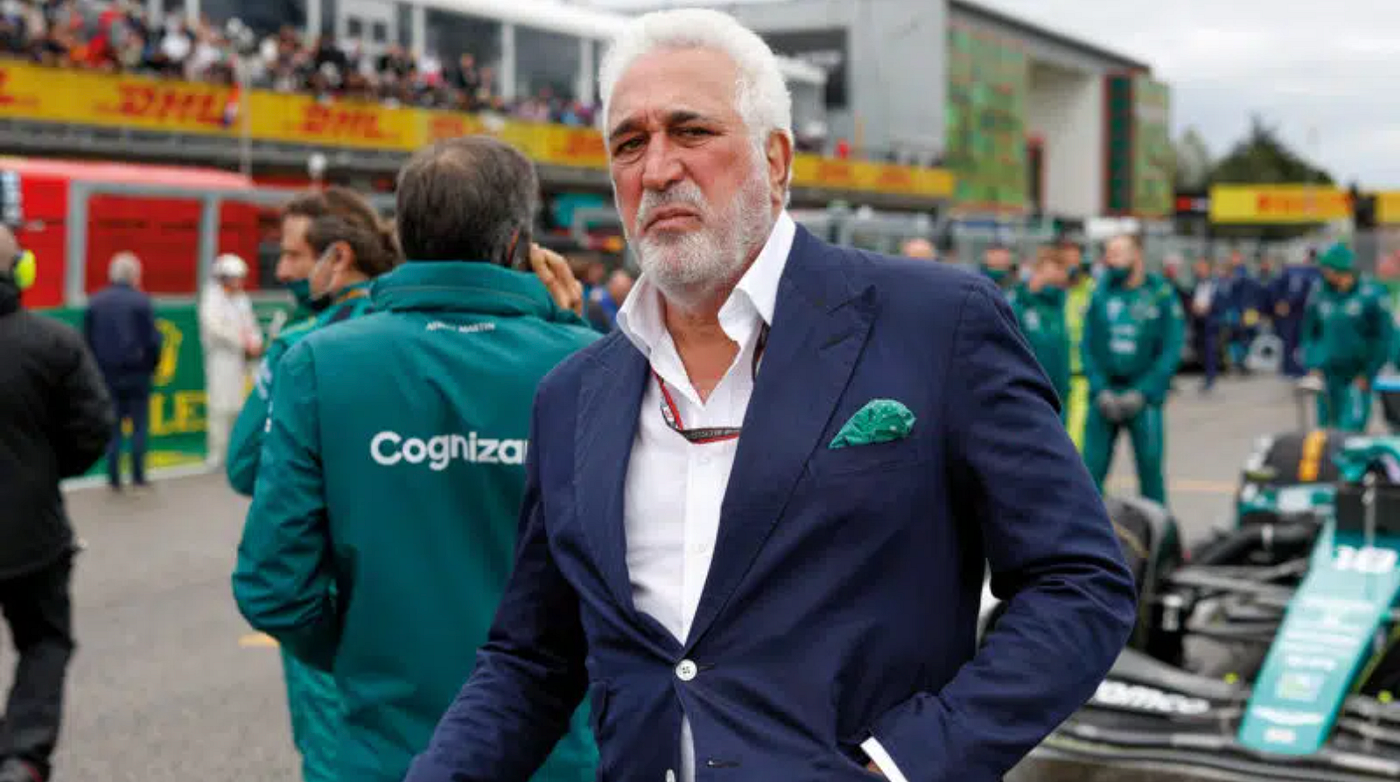
1. Lawrence Stroll — From Ralph Lauren to Aston Martin
Interesting case: Lawrence Stroll followed a simple formula: identify iconic brands with strong recognition but weak management, then unlock their potential. He did it with Ralph Lauren, Tommy Hilfiger, and Michael Kors. The pattern was always the same: buy, build, and create value.
In 2020, he turned his attention to Aston Martin. If you don’t know, it’s a company with more than 110 years of history and a brand synonymous with James Bond, yet one that had struggled for decades to achieve consistent financial performance. Stroll invested £182 million, became Executive Chairman, and began doing what he knew best: strengthening the brand.
Under his leadership, Aston Martin returned to Formula 1 for the first time in over 60 years. And you know what? It significantly raised the company’s global profile. His total investment in the business has since exceeded £600 million.
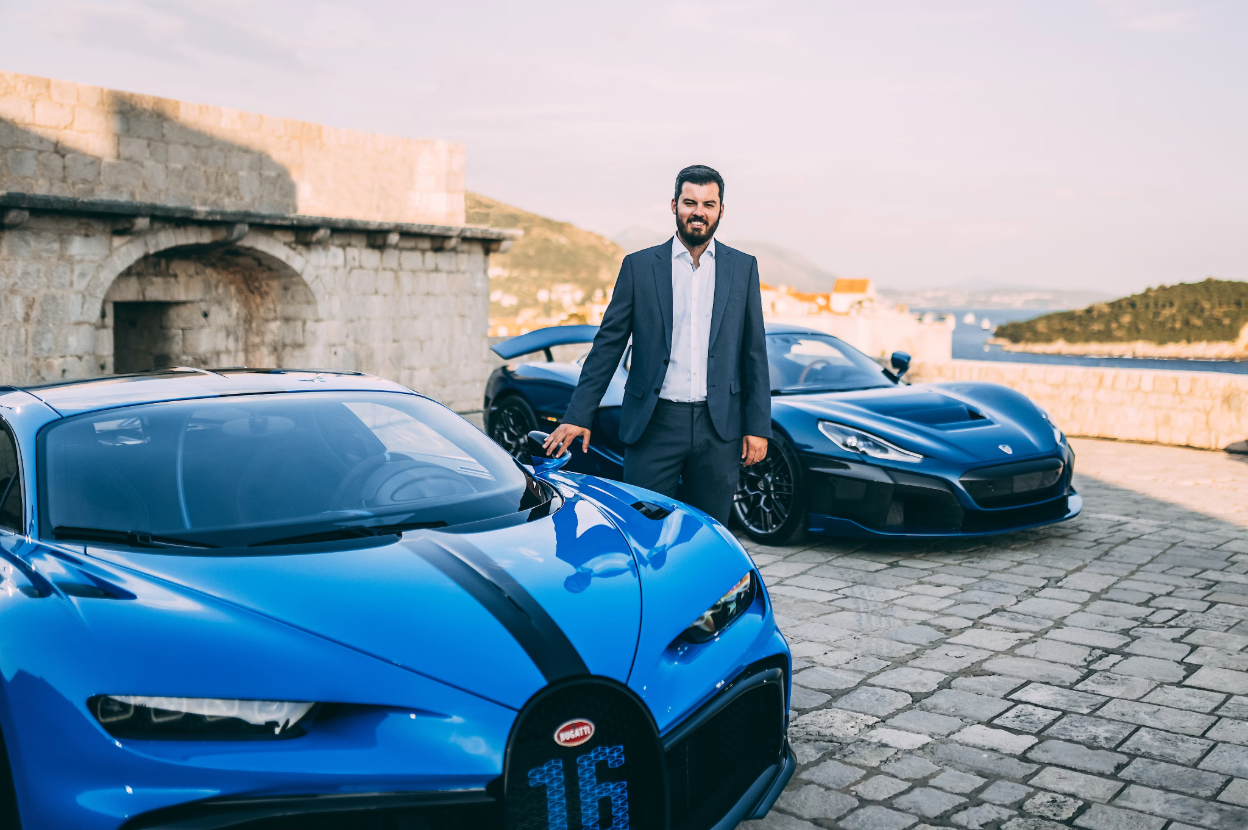
2. Mate Rimac — From a Garage to Bugatti
At the age of 19, Mate Rimac converted an old BMW into an electric car in his garage. Not for a competition, not for a grant — simply because he wanted to. He later founded a company that became a supplier of battery technology for Ferrari and Porsche. The same Ferrari and Porsche that would never have bought components from a kid working out of a Croatian garage — if he hadn’t built some of the best technology in the industry.
In 2021, Volkswagen Group decided to part ways with Bugatti. For VW, the legendary marque was a prestigious but unprofitable asset. Rather than keeping it in-house, the group handed control to Rimac — a 33-year-old entrepreneur with no automotive dynasty behind him.
The deal created Bugatti Rimac, with Rimac Group holding 55% and Porsche owning 45%. Around the same period, SoftBank and Goldman Sachs invested €500 million in Rimac Group at a €2 billion valuation.
From a garage-built electric BMW to becoming the majority owner of Bugatti — it took just 14 years.
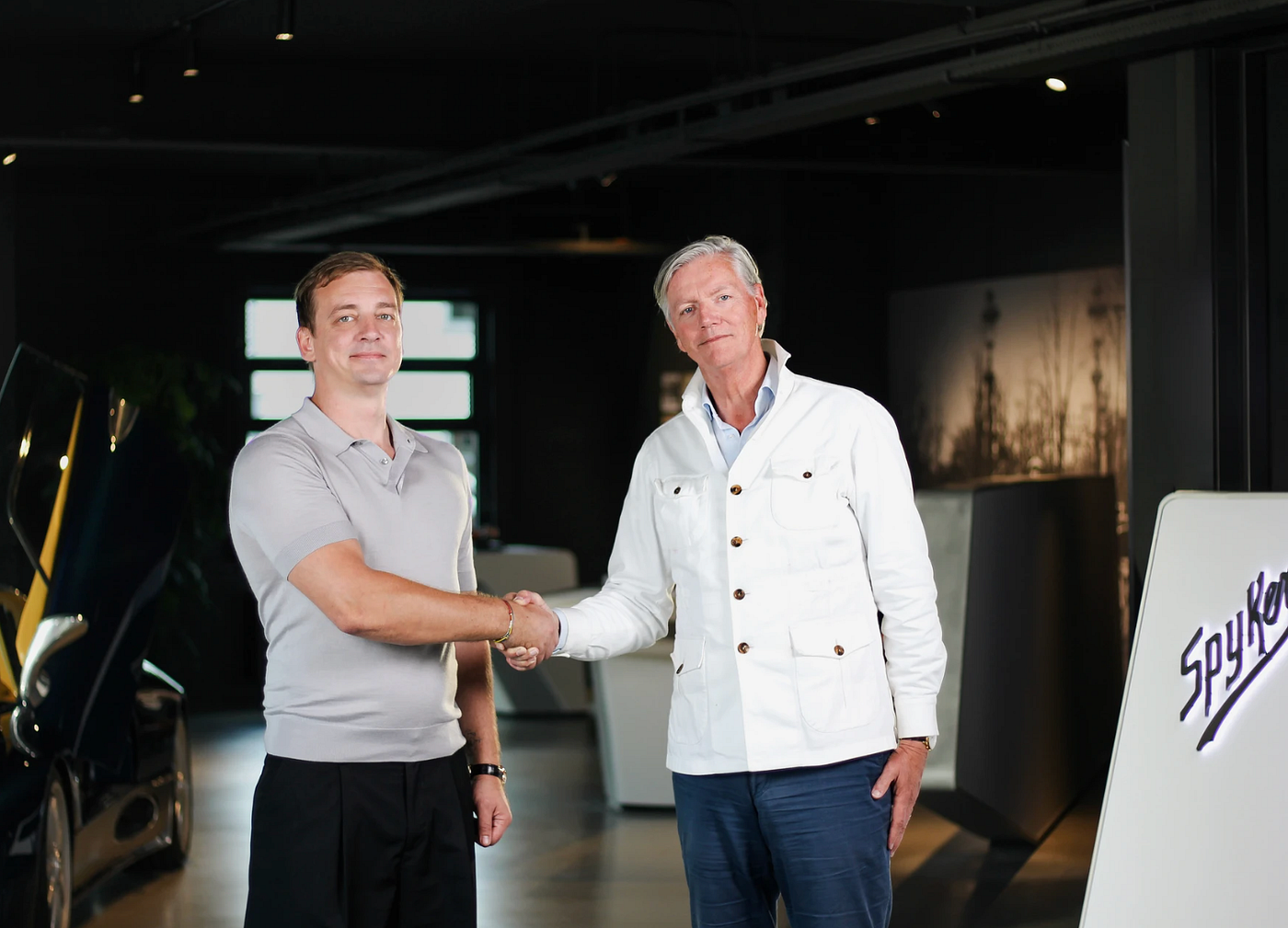
3. Volodymyr Nosov (W Group) — From Web3 to Spyker
Most entrepreneurs on this list acquired automotive brands personally. Volodymyr Nosov, founder and president of W Group and WhiteBIT, did it through his business — and that is precisely what makes his case one of the most interesting.
His W Group is an ecosystem centered around WhiteBIT, the largest European cryptocurrency exchange by traffic. Volodymyr Nosov launched WhiteBIT in 2018 during a bear market — arguably one of the most challenging times to enter the industry. It started from a small startup and now, the group is entering the world of ultra-luxury automobiles through Spyker, the legendary Dutch marque with nearly 150 years of history.
Spyker is a brand that has built carriages, aircraft, supercars, and hypercars — and is now preparing for its next chapter together with W Group. A key stage of this transformation will be the launch of Spyker Digital — an innovative company that will develop a unique blockchain infrastructure for the premium automotive sector.
A Web3 ecosystem built into a 146-year-old automotive brand has never been seen before in the automotive industry.
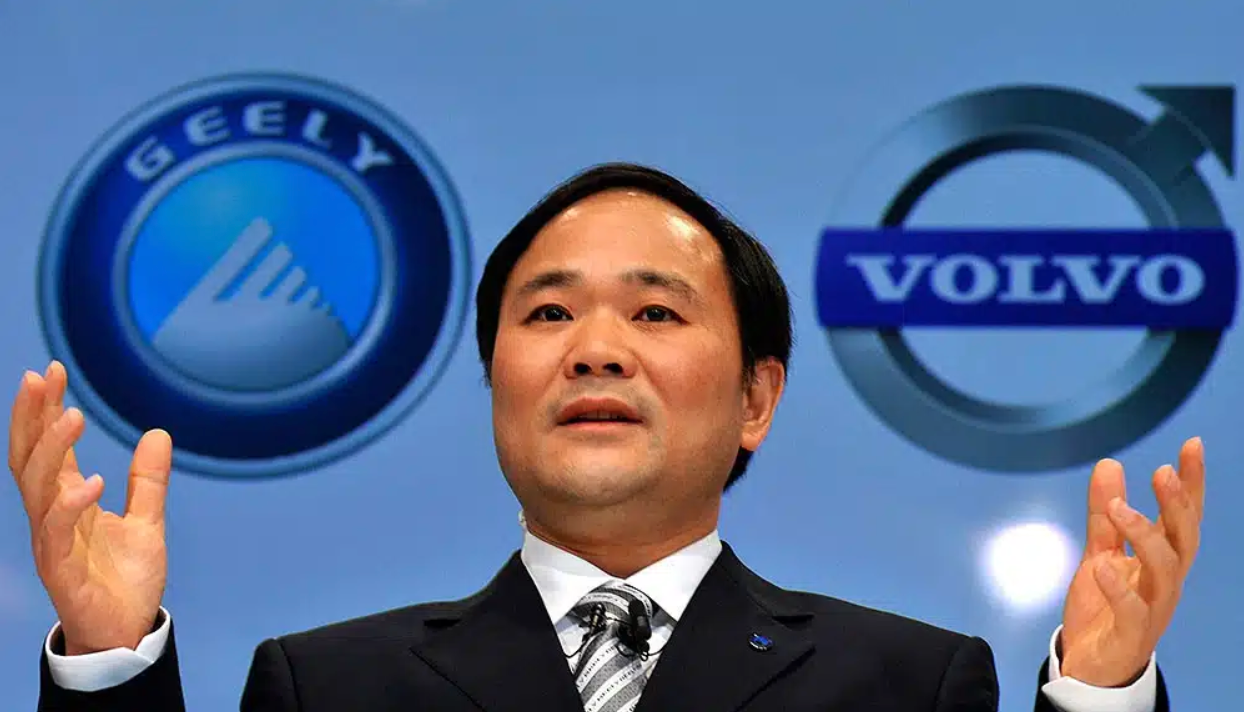
4. Li Shufu — Volvo, Lotus, Aston Martin
Li Shufu is the founder of Geely, one of China’s largest automotive groups. In 2010, Geely acquired Volvo Cars from Ford for $1.8 billion, gaining full ownership of the Swedish premium brand along with its intellectual property, technologies, and manufacturing operations. The 84-year-old automaker came entirely under Geely’s control. Today, Volvo sells around 700,000 vehicles annually and operates as a profitable global company.
But Volvo was only the beginning.
Geely later acquired the British sports car manufacturer Lotus, became a major shareholder in Aston Martin, and launched Polestar, its own premium electric vehicle brand. In effect, the company has assembled a portfolio of some of Europe’s most recognizable automotive names under a single corporate umbrella.
Rather than merging them into one identity, Geely manages each brand as a distinct premium asset. The result is one of the most successful examples of global automotive brand ownership in the modern era.
5. David Beckham — From Football to Electric Rolls-Royce
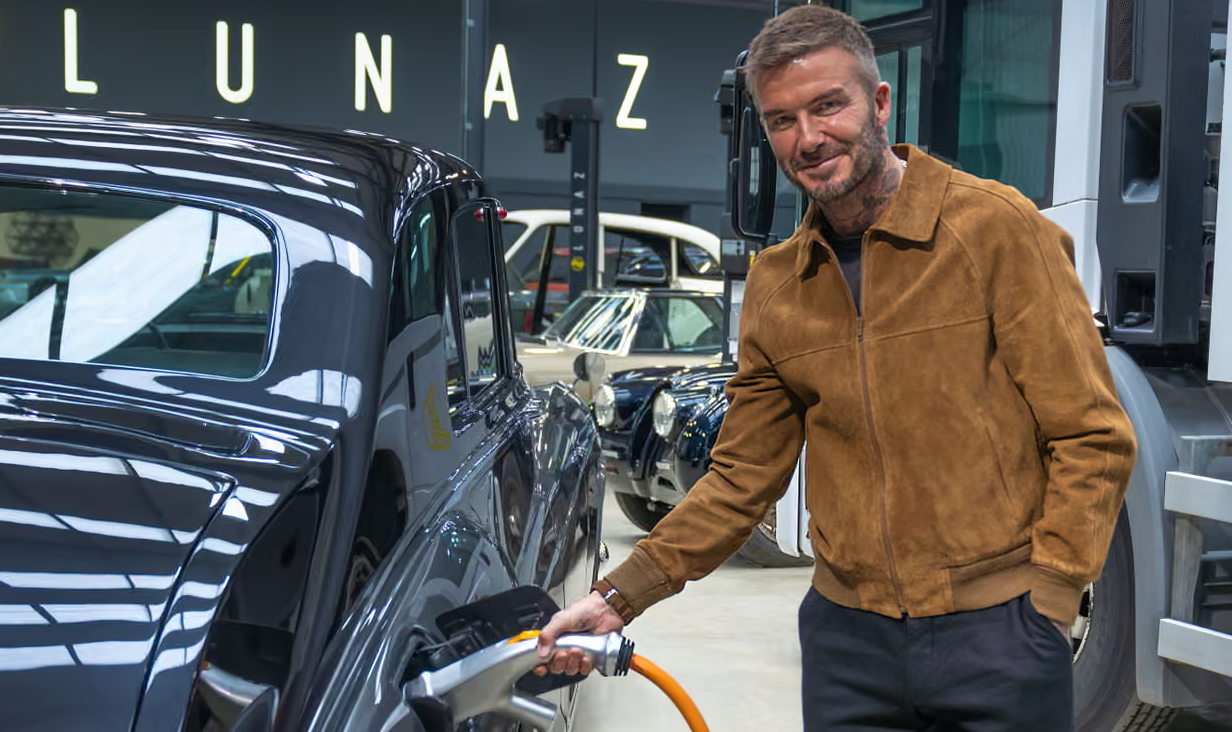
It was unexpected for me but in 2021 David Beckham acquired a 10% stake in British startup Lunaz. The company specializes in the electric conversion of premium classic automobiles, taking original Rolls-Royce, Bentley, and models. It replaces their powertrains with fully electric systems while preserving the cars’ original design, interior, and character — so unique.
Beckham joined Lunaz as a business owner rather than a brand ambassador. The company operates in a highly specialized niche: clients receive a classic British automobile with its heritage and aesthetics intact, but equipped with modern electric technology.
Lunaz serves both private collectors and corporate clients. Beyond luxury vehicle restorations, the company has secured contracts to electrify commercial vehicles for major organizations, expanding its reach beyond the collector car market.
Beckham recognized an opportunity at the intersection of nostalgia and electrification long before it became a mainstream business trend. Sometimes the best market analysis is simply paying close attention to where the world is heading.
Conclusion
Five people, five completely different industries, and one shared idea: a historic automotive brand is an asset that can’t be recreated from scratch. You can’t manufacture heritage, copy a legacy, or build decades of reputation overnight. You can only acquire it. And as long as there are people who understand the value behind these names, their worth is likely to keep rising.
Disclaimer: This is not financial or investment advice. Do your own research before making any decisions. Use at your own risk.






