
Users don’t trust your USDT wallet? It’s not the tech... it’s the message. Discover today 3 not obvious reasons why wallets fail to build trust (and how to fix your copy, UX, and conversion flow today).
You built a wallet that’s fast, secure, and optimized for stablecoin transfers.
You added 2FA, passed audits, designed slick UI animations, and maybe even launched a staking feature.
Your tech-savvy users are really really happy. Some even left glowing reviews on the App Store.
And yet... your market share is stagnant.
New users aren’t signing up. You can´t understand why they visit your site once and never come back.
No feedback. No complaints. Just silence. Almost like they ghosted you.
Let’s talk clear: you don’t have a product problem. You have a trust problem.
In a world where 39% of non-adopters avoid FinTech services because they don’t understand them, and 29% cite trust issues, clarity and connection matter more than raw features.
If you’re a CMO or founder of a USDT wallet, this guide is for you.
Are You Talking to Experts... or Just Making Users Feel Dumb?
Repeat with me:
I am not selling to crypto PhDs...
I am not selling to crypto PhDs...
I am not selling to crypto PhDs...
Most people looking for a USDT wallet don’t care about ZK-rollups, liquidity routing, or account abstraction. They just want to send money to a friend, receive it fast, and of course, not get scammed.
But your homepage reads like it was written for the Ethereum Foundation.
That’s the Curse of Knowledge in action:
When you know too much, you forget how it feels to know nothing.
So you over-explain the tech… and under-deliver the solution.
The result? Users don’t feel impressed. They feel lost, dumb, and it's more than likely they end up thinking, "Damn, this world isn’t for me." And they bounce.
Let´s see a real testimonial: Matheos, 27 – Brazil“Man, trust me!! I googled ‘best USDT wallets’ and opened like 3 websites.
Every single one looked like a crypto conference brochure.I had no idea what KYC was, or what the hell APY even meant.
There were too many buttons, weird terms, nothing felt clear.I even checked their blogs hoping to find some guides or help... but nope, just more complicated stuff.
Thank Goodness I found this wallet with a super simple design, and a clean guide on how to get started. That’s the one I still use.”
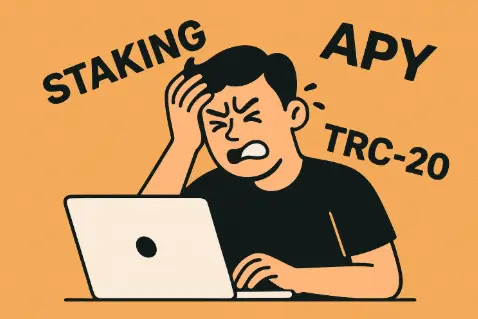
📌 How to fix this in your wallet
Rewrite your homepage as if you were helping your mom send her first stablecoin.
Use everyday language: “with our wallet get paid in USDT, no bank needed” > “Non-custodial wallet ...Best APY...non-KYC”.
Create a Help section with actual guides, not just blog posts for SEO.
Your Wallet Seems Legit... But Users Still Don’t Trust You?
Think about it: your wallet has passed audits, it's legally compliant, and maybe it’s even backed by solid reserves. But guess what? Nobody beyond the tech-savvy knows that.
Why?
Because you have hidden it deep in your blog, footer, or Terms & Conditions (that nobody reads).
If the first thing your users see isn’t a reassuring sign that says "Hey, relax. Your funds are safe here,” they're not going to dig around looking for it. They’ll assume you're just another crypto app that might vanish tomorrow without saying goodbye.
And believe me, they won't send you a feedback form explaining why.
Let´s see another real testimonial: Rose, 24 – London.
“I landed on the wallet homepage and got a bad feeling straight away. I’d been watching the news—so many stories of people in the world losing life savings in crypto scams. That made me super cautious with everything related to crypto.
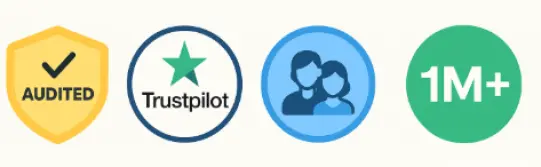
so, when I didn’t see any badges, reviews, or team support, I bounced immediately. No audit logos. No faces. Felt like an app that could disappear overnight and left me stunned.That´s why I only stuck with wallets that shout ‘your money is safe here’ the second they load.”
📌 How to fix this ASAP:
Show your audits clearly: Put audit badges or certification front and center—not hidden in some blog nobody visits.
Use real, human reviews: Highlight genuine App Store reviews, tweets, or Trustpilot quotes. Social proof beats marketing jargon every time.
Let your team do the talking: A quick video or picture of your team builds instant credibility. It says: "Real people run this show, and they're accountable."
Be transparent about traction: "1 million+ users," "Over $500 million transacted securely," these aren’t bragging rights—they’re proof you're legit.
Bottom line: if you don't immediately show proof that your wallet is legit, your users have zero reason to stick around.
Remember: in crypto, trust is the currency that really matters.
3. Your CTA Is Not Selling—It’s Just Sitting There
Be honest: does “Sign Up Now” really make anyone click in 2025? Think again...
Neither does “Start Today” or “Explore Our Features.” Sound robotic and overused and completely forgettable...they don´t trigger emotion...from your potential customer.
These aren’t CTAs. They’re exit signs.
A call-to-action should sell the next big step—not just tell people where to click. It needs to answer:
“What do I gain if I hit this button right now?”
Here is what you should do instead:
1. Make It Benefit-Driven
Don’t just tell them to start—give them a reason.
-
Instead of: Sign Up Now
-
Say: “Start earning 7% yield on your USDT in 3 minutes”
-
Or: “Send stablecoins globally with zero fees—try it today”
2. Add Social Proof + Urgency
-
“Join 500,000+ users sending stablecoins safely, every day”
-
“Claim your free wallet setup before midnight—no fees, no KYC”
Tech Alone Won’t Make You Win. Trust Will.
There are dozens of wallets out there offering the same promises: fast USDT transfers, low fees, slick UI.
What actually makes one stand out isn’t the tech—it’s how clearly and confidently it speaks to real users.
In my experience as a crypto copywriter, the wallets that grow fast and build loyal communities aren’t always the most advanced.
They’re the ones that talk like humans, not PhD papers.
They educate without overwhelming.
They connect without flexing.
They explain without confusing.
Short blog posts, user-first research articles, clean ads, helpful tweets...every word your brand puts out builds or breaks trust.
And in crypto, where most people default to “this might be a scam,” you can’t afford to sound like everyone else.
Your wallet might be rock-solid.
Now it’s time your message feels the same.
✍️ Written by El Salvador CopyBiker — Crypto Content Specialist.
Helping your audience actually understand your Web3 product (no PhD required).





