
During the times when regulations were beginning to crack down on centralized exchanges, it became more clear that Decentralized Exchanges (DEXs) was necessary for the future of the cryptocurrency and the blockchain ecosystem. Early blockchains such as Ethereum did not start out with their own DEX built into its network so that's where the team behind 0x (ZRX) stepped in.
Start of the Prefix
Pronounced “zero-ex”, it is an open protocol to allow anyone to decentrally exchange and trade any ERC-20 token on the Ethereum blockchain.
Launched in August of 2017, 0x's mission is to "Create a tokenized world where all value can flow freely." With problems of economic freedom, part of the solution is to build public infrastructure, have more liquidity, make assets more accessible, and empower enterprising teams.
We believe public blockchains have potential to act as a potent equalizing force for the world. As more assets are tokenized and moved onto blockchain rails, public blockchains have a greater chance of democratizing access to financial services in the same way that the internet has democratized access to information.
The name 0x is derived from the hexadecimal system that is a combination of letters and numbers. In programming, 0x is used as a prefix and is used in the Ethereum wallet address that always begins with the number zero and the letter x.
Along with the protocol, 0x has its own token ZRX that can be used to pay trading fees for Relayers. Relayers are those that host nodes that maintain the off-chain order book. ZRX is also used to governance voting for upgrades to the protocol system.
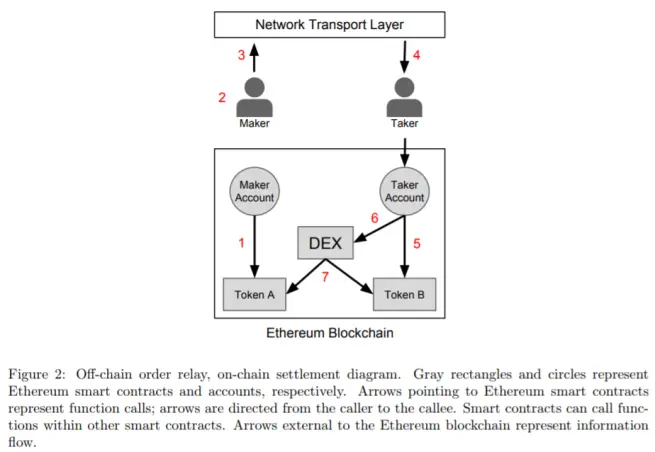
Read the Whitepaper for full details.
Also in addition to the protocol and token, 0x also released its consumer financing product 0x OTC. The 0x OTC allows users to exchange Ethereum tokens without the need of a Relayer if they connect with the counterparty directly.
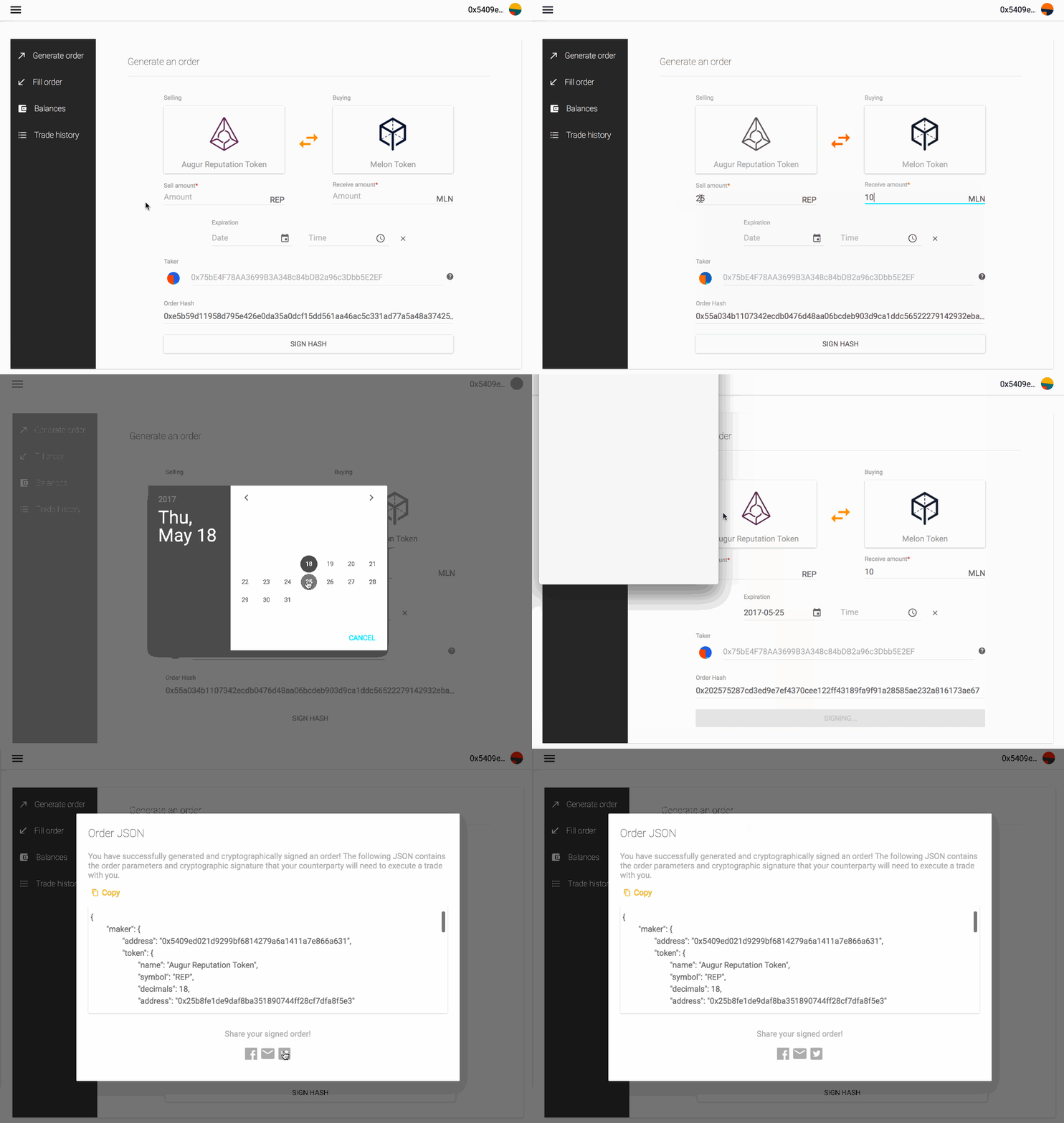
At What Cost
The main issues that have been with DEXs are that they are expensive, low liquidity, slow, and can't operate with other DEXs. When operating an order book on a blockchain, orders are held to block confirmation times and fees for every interaction. 0x protocol addresses these issues and the protocol can be applied to all orders on the books that are relayed off the blockchain. Orders have to go back on the blockchain when they are settled rather than at every transaction and in turn, eliminates unnecessary fees and speeds up the process.
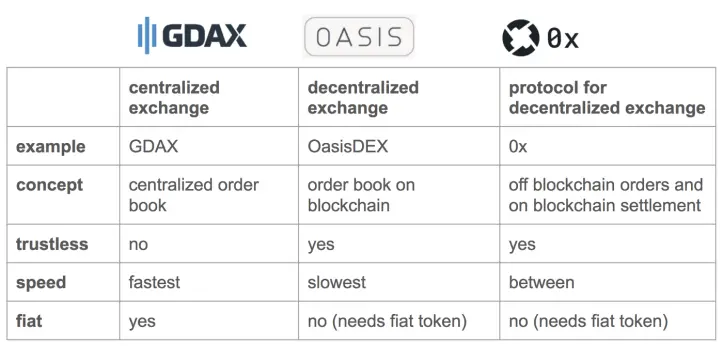
0x does not have fees. However, Relayers can choose to charge fees.
Growth
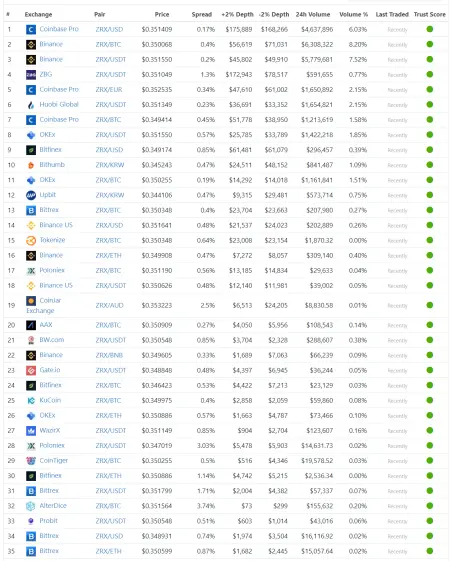
In just a couple of years, adoption for the ZRX token showed mass growth across centralized exchanges and you can view a long list on CoinGecko.
Along with the token, the 0x protocol has seen adoption and growth with the list of DEXs and platforms that have active Relayers.
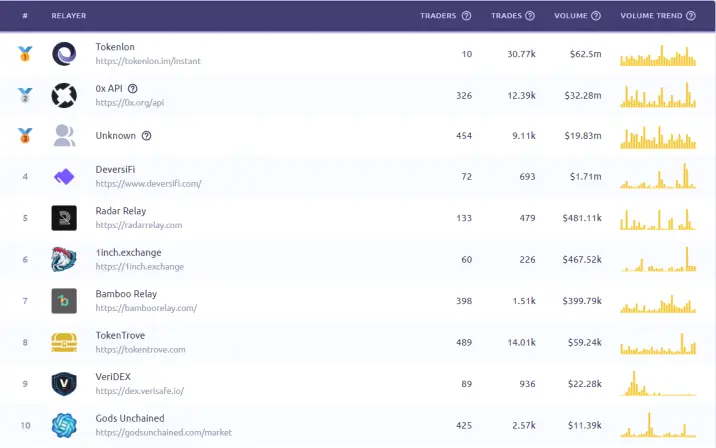
https://0xtracker.com/relayers?statsPeriod=month
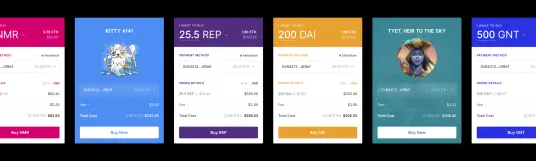
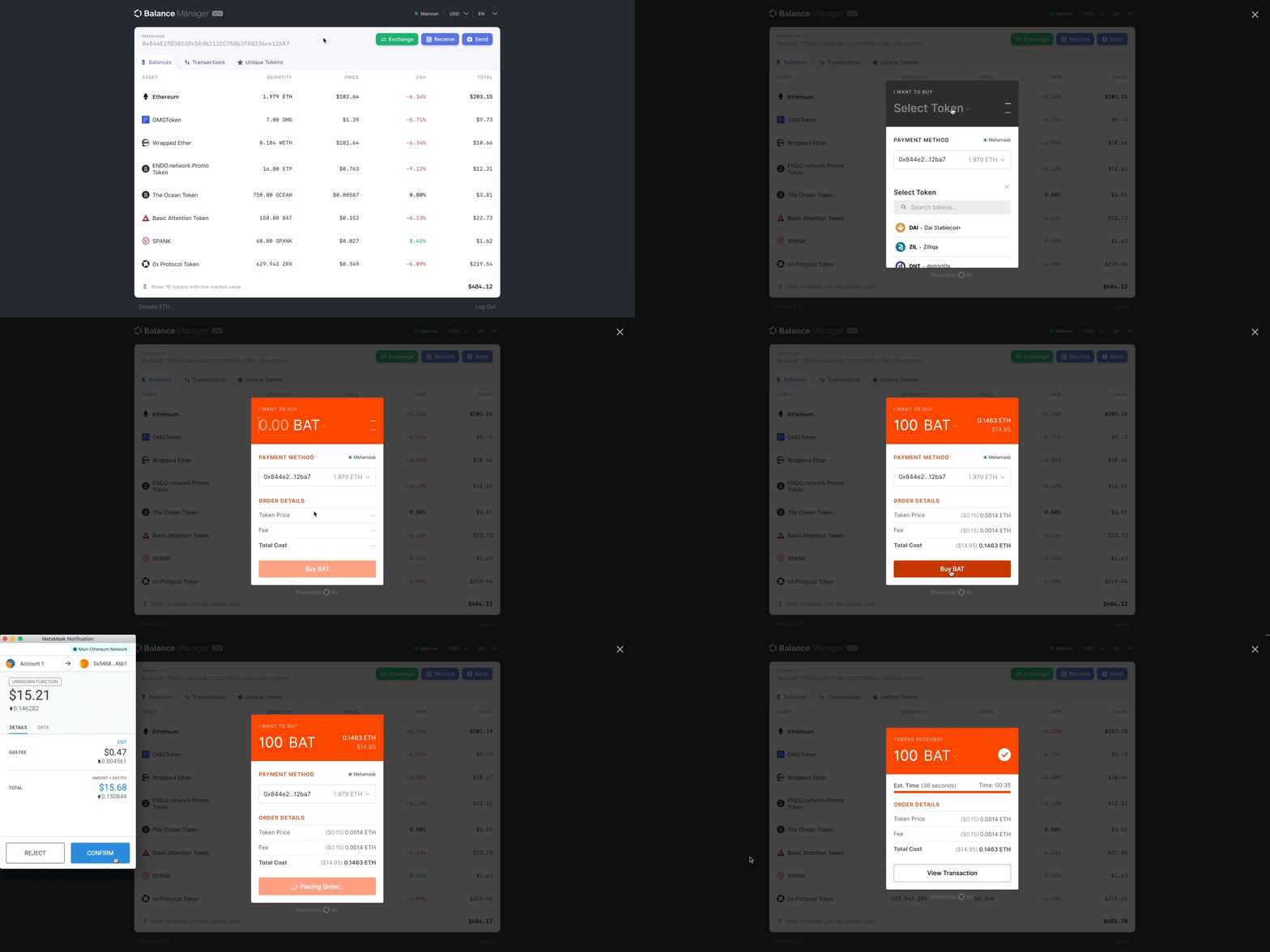
At the end of 2018, 0x released 0x Instant, which is essentially a widget that can be implemented to any app or website and allow crypto purchasing.
Since the protocol had its start, it has gone through 3 upgrades. V1 enabled features such as:
- Reduce development time
- Ability to tap into pools
- Enabled developers to create better users experiences
- Lower trading costs
V2 upgrade included:
- New smart contract architecture; seamlessly support new token standards. Support for ERC-721 at launch
- More efficient order matching and cross-relayer arbitrage
- Support for new signature types and custom verification logic
- Open source framework for “forwarding contracts.” Easy user on-boarding, abstraction of WETH, and trade widget support.
- Ability to create “filter contracts” for permissioned liquidity pools
- Bulk order cancellations with a fixed sized transaction
However, due to a potential exploit, the V2 smart contract was shut down and migrated over to the latest V3 that included a long list of changes.
Changes to order fills
- The introduction of protocol fees
- Order fees can now be charges in arbitrary assets with the new
makerFeeAssetDataandtakerFeeAssetDatafieldsmarketBuyOrdersandmarketSellOrdershave been deprecated- The addition of
marketBuyOrdersFillOrKillandmarketSellOrdersFillOrKill- All of the
marketBuy*andmarketSell*functions now allow multiple different assets to be bought or sold (be careful with this!)- The ordering of transfers during a single fill has changed. A fill now first transfers an asset from the taker to the maker, opening up the ability to integrate the
ERC20BridgeProxy(along with other similar contracts)Changes to order matching
- The addition of a new matching strategy with
matchOrdersWithMaximalFill- The addition of new functions for matching batches of orders,
batchMatchOrdersandbatchMatchOrdersWithMaximalFillChanges to order cancellations
- The
cancelOrderfunction is much less strict and will only revert if called with an invalid contextChanges to 0x transactions
- The addition of new
expirationTimeSecondsandgasPricefields to 0x transactionsexecuteTransactionnow takes aZeroExTransactionstruct as an inputexecuteTransactionnow emits aTransactionExecutionevent upon successful execution- Addition of
batchExecuteTransactionfor atomically executing multiple 0x transactionsChanges to signature validation
- The
Validatorsignature type now expects the verifying contract to beEIP-1271compliant, allowing it to validate individual fields of orders or transactions- The addition of a new
EIP1271Walletsignature type that allows a wallet contract to validate individual fields of orders or transactionsChanges to developer experience
- The introduction of rich reverts
- The addition of a helper function for simulating actual transfers
getOrdersInfohas been deprecated (an external contract can be deployed for querying the state of multiple orders in a single call)Miscellaneous changes
- All non-administrative functions that can write to state have been made
payableto allow paying protocol fees in ETH- The EIP-712 domain hash calculation now includes a
chainId
More recently in 2020, the 0x Project has been showing signs of continued growth despite the current pandemic. 0x announced the beta launch of the latest DEX interface utilizing the protocol.
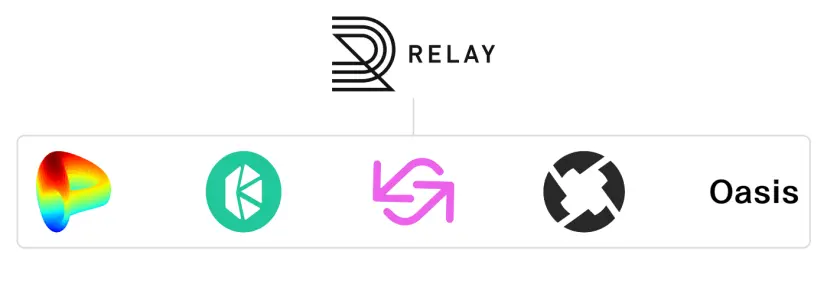
The v3 upgrade allowed for Relayers to take advantage of the changes. Radar Relay is relaunching its DEX platform to support more wallets, liquidity sources, better prices, and user experiences.
The era of checking multiple DEXs to find the best price on the assets you want to trade is over. Thanks to the latest 0x upgrades (v3, Mesh, and 0x API bridge orders) RELAY now offers smart DEX routing, giving users access to liquidity from multiple sources. In addition to the 0x orders we’ve always offered, bridge orders afford access to better prices by tapping into liquidity on Curve, Kyber, Uniswap, 0x, and Oasis, with more on the way. RELAY is now your one stop destination for buying and selling Ethereum tokens peer to peer, at the best prices available in DeFi.
As blockchain projects work through the current pandemic. 0x is one of the many blockchain projects that continues to show growth and development. ZRX is the #36 coin by market cap at the time of this writing and shows what it is doing for the crypto community, the Ethereum blockchain, and beyond. The ability to exchange between tokens decentrally and simplified ways for websites and apps to utilize crypto helps make it for a wider adoption. With the launch of Matcha and other upgrades and features in the works, things are looking up for the protocol and the ZRX token.
This is not trading advice. Always do your own research.






