If it looks to good to be true, it usually is.
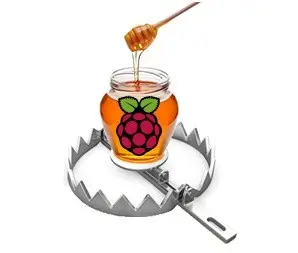
Private keys provide access to crypto wallets, but importing an existing one can land you falling victim to modern crypto scams known as honeypots.
A honeypot scam is where someone tempts an unknowing victim into doing something they wouldn't normally do by promising a reward to the target, and making that reward look too good to miss out on.
In the context of cryptocurrencies, a honeypot typically involves creating a tempting target, such as a wallet or a smart contract, that appears vulnerable or valuable to potential attackers. The goal is to attract cybercriminals who are looking for opportunities to steal funds, exploit vulnerabilities, or engage in other malicious activities.
Honeypots are not crypto specific. The "Nigerian prince" phishing scams of the 2000s are an example. The Nigerian Prince scam, also known as the "419 scam" or "advance-fee fraud," is a type of financial scam that has been circulating in various forms for decades. While it has evolved over time, the core concept remains the same: the scammer poses as a wealthy individual, often claiming to be a Nigerian prince or a member of a royal family, and contacts potential victims via email, social media, or other communication methods. The scammer then lures the victim into a fraudulent scheme with the promise of a large sum of money. The crypto honeypot scam is the same concept, but is a sophisticated version that makes use of smart-contracts to usurp funds from tech savvy individuals. It's a lot more anonymous than a traditional honeypot scam and can be used to target countless individuals at once, unlike email phishing, which requires an extended one-on-one dialogue to convince the target to part with their money, a well designed cryptocurrency honeypot can fool people who have their guard up a little bit more, as it reverses the traditional honeypot requirement of an easy target that needs guidance with a "smart" target who thinks that they can take advantage of information that has been shared that shouldn't have.
People fall for cryptocurrency honeypots because they see a cash grab. They don't need to be coaxed into sending funds, instead they hurry to leap on an opportunity that looks too good to be true. The proverbial keys to the car are left in the door, and the unwitting target thinks to themselves that they got lucky, only to fall into a trap that unfolds as such:
Specific to crypto, modern honeypots usually happen as such:
- A group or an individual will circulate a farcical social media post, circulating the private keys of an Ethereum wallet "asking for help" getting it out of there. Usually the wallet will contain no Ethereum but other valuable tokens that the victims can see but not send without paying the send fee in Ethereum. USDT is common.
- Individuals will import the private key, thinking they can be the first to get to this money.
- When the victims send the necessary ETH, a series of pre-deployed smart contract functions put in place by the scam artist[s] redirect the ETH, never allowing it to reach the wallet.
This works well because smart contracts are extremely complicated to read by most people who would fall for such a trap, and the notion that owning the private key means owning the assets is true - but a trap of a smart contract can make the wallet into a scam that requires an expert eye to spot where the "fine print" in the coding means that their funds will be redirected.
It's an ingenious thing, as we are constantly told to keep our private keys safe because "owning the key means owning the assets."
However, the term "key" is actually misleading in this way. A private key is more like the combination to a lockbox. If it's shared on social media, or if you get it from someone else, there is no way to be sure that you are the sole owner of your wallet. With this in mind, make a note that your most secure wallets need to be self-made. Private keys are a fundamental concept in the world of cryptocurrencies, particularly in blockchain-based systems like Bitcoin and Ethereum. They play a crucial role in securing your digital assets and authorizing transactions.
Don't fall for scams. Educate yourself and your friends.
Blog Updates: Top 3 Donors of the month will receive a 50/30/20 split of our 20 000 BTT giveaway. We are supported by donations between 0.05$ and 2$, and operate at no profit. This month we are striving to encourage on-blockchain tips in low-send fee coins.
End Note: Bitformation_Publish0x is entirely supported by tips and affiliate links. If you enjoyed an article, please Like, Tip, Follow or click here to support us by checking out our list of the best ways to earn crypto in your spare time.
Additionally, if you'd like to tip a small amount of crypto here's all the ways you can support us, we only list coins that cost close to nothing to send. Our donations are few and far between. Put a smile on our faces and send 25c if you can :) Comment if your favorite payment method is unlisted.
LTC: LPtb8P49tnBHeGdhCoM4jrRKo28sctESE9

TRX - BTT - JST - BTT - USDTTRC20: TTDqtHcJkA3Rrhw5RWTjkewdc623VjppMm

XLM - GCUXDW3P24XXXRFW5YJJCYHOK7KJHIPXBLZSFGGNZ62L7KHZZSPCMTL7
Memo- 1643968031

DASH - XrG2Cwo9SeQ9uC7hgPYcxnJnkeqJQjcziN

XRP - rKyNc3N5m4RUe17gPp6th69ri8WHaX3HQP
Tag - 1643968107

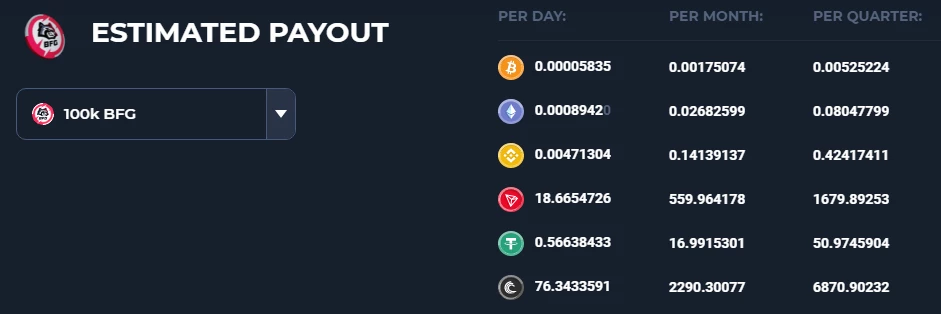
For those of you familiar with the online crypto casino Betfury, which was the subject of my last post linked here, and will be re-reviewed tomorrow, here's a quick spoiler: In a way to redeem how terrible their Bitcoin faucet has become [1.25 satoshis every 20 minutes], they've also introduced a BFG faucet that actually pays really well. BFG tokens can be traded off the site now, so they're actually giving away withdrawable crypto essentially. I myself even use the faucet.
Click the banner to check it out.
CHECK OUT BFG STAKING ON BETFURY
Sign up for BC Game if you haven't done so yet and get a Lucky Spin for free coins every day.

Check out the end of the page for the best casinos and free crypto sites around. Click on any banner and fly right over,
Gamble for fun. Do not gamble more than you can afford to lose.
If you or a loved one has a problem with gambling visit https://www.begambleaware.org/