
DEC Power --- Building A Global New Energy Ecosystem Based On Blockchain
Based on the development needs of the new energy industry and the various problems that the industry needs to solve urgently. DEC power adopts advanced emerging technologies such as the Internet of Things, blockchain, big data, artificial intelligence, and multi-party computing to integrate global high-quality industrial producers and operators to reshape the productivity and production relationship of the new energy industry chain. Both sides of new energy supply and demand provide a series of intelligent solutions.
The DEC system architecture is composed of the bottom layer (blockchain, Internet of Things, AI), storage layer, logic layer, application layer and front end.

Blockchain + Internet of Things + AI
Bottom
1. IoT deploys sensors, GPS, environmental detectors, monitoring and other IoT devices on distributed power grids, charging piles, personal charging devices and other terminal devices, and uses LoRa, ZigBee, Wi-Fi and other technologies for device interaction, Health testing and data collection.
2. DEC as a new energy token, the non-tamperable and decentralized nature of the blockchain determines its irreplaceable importance in the DEC energy network system architecture.
3. The structured and unstructured data generated by the Internet of Things and application platforms are stored with key technologies such as IPFS, HDFS, ELS, and DB for on-chain certification.
4. There are three main points in the application of artificial intelligence. The first is data, the second is algorithm, and the third is computing power. In the field of data, AI can be combined with blockchain technology. On the one hand, it starts from the application level. Both perform their duties. AI is responsible for automated business processing and intelligent decision-making. Blockchain is responsible for providing credibility at the data layer. Data; on the other hand is the data layer, the two can penetrate each other.
Logic Layer
The blockchain uses a "main chain + side chain" architecture. The main chain guarantees the stability of the business, while the side chain guarantees the expansion of the business.
Application Layer
The three major modules of the basic platform, core services and derivative services constitute the application ecology of the DEC Energy Network.
Front End
According to the needs of different roles and application scenarios, the DEC front-end includes web, mobile app, WeChat applet, DApp, two-dimensional code and other service methods to meet the user's application needs in various scenarios.
The application layer is the core of the entire product operation and maintenance. The following mainly introduces the application scenarios of DEC power
In the DEC network, users in different regions and microgrids can conduct energy trading and sharing in daily life through APP (Android / IOS). The APP wallet can help users manage token assets. The wallet can create new accounts, implement DEC transfers and other future DEC public chain ecological tokens, import and export private keys, and view the usage and transaction records of DEC. DEC is also involved in the future energy needs of machines and machines. It is first applied to the scenarios of new energy vehicles and charging piles, giving digital identities and wallets on the blockchain of new energy vehicles in the future, unified payment methods and power sources, and let The energy vehicle can meet the charging and payment actions in an unattended state, and activate the supply and dissipation of clean energy nearby.

The charging pile is connected to the distributed energy storage equipment in the microgrid. As long as the new energy vehicle is connected to the charging pile in the DEC community, it can go to the corresponding energy exchange to purchase electricity in an unattended state and pay digital energy assets (illegal currency) transaction).
DEC POWER can obtain financing through the "innovative blockchain + energy network" asset securitization financing method. In the DEC POWER energy network, clean energy sources such as solar energy, wind energy, hydropower, distributed microgrid and other energy subsystem nodes use Orderly linked encrypted blocks to verify and store related energy transaction data information, and suppliers holding these energy sources can conduct buying and selling transactions in the DEC network. This makes it possible for blockchain technology to apply energy industry financing.

The DEC social network covers media, advertising, social networking, voting, and more. Provide users with a way to publish, share, and obtain content.
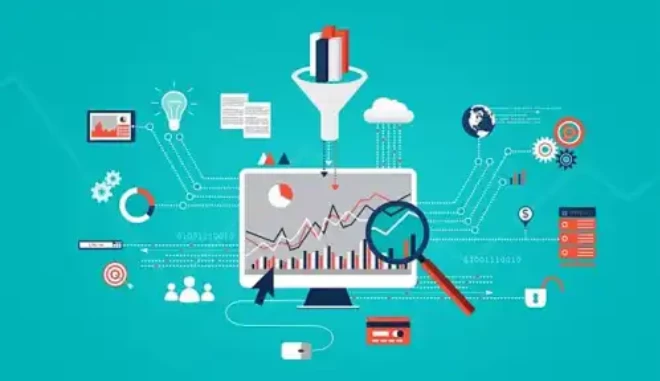
In the DEC mall network, it collects and manages information through offline users. As the number of users continues to gather, it can attract a series of suppliers related to new energy. Users can purchase a series of products related to new energy in the mall.
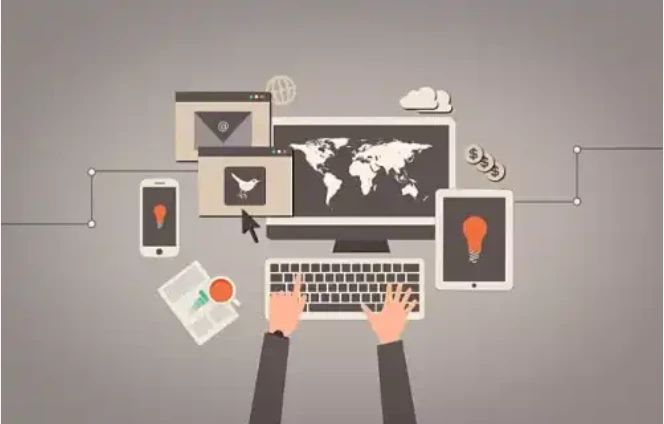
In the DEC mall network, it collects and manages information through offline users. As the number of users continues to gather, it can attract a series of suppliers related to new energy.
Cheers






