
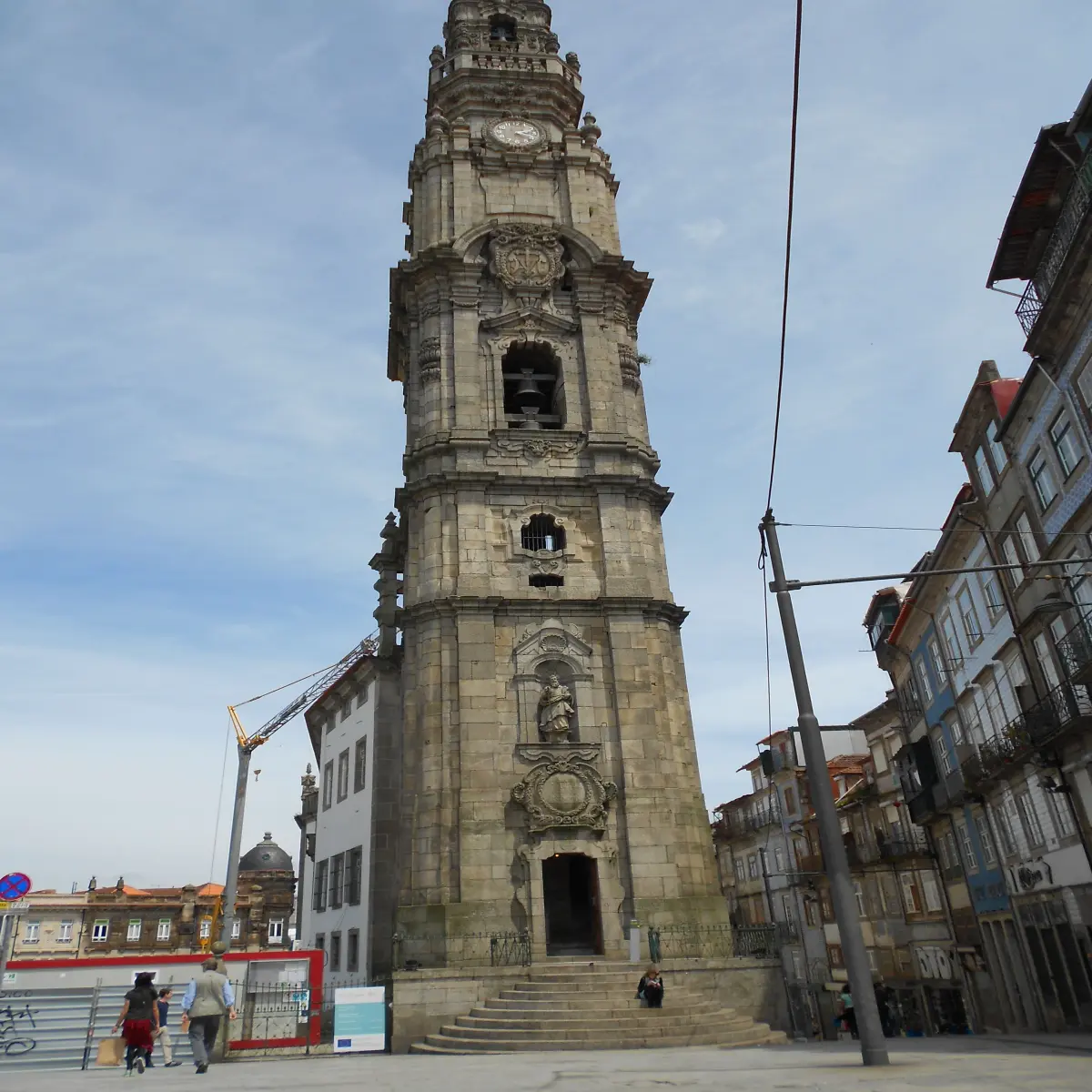
In addition to the iconic two-tiered bridge that spans the Douro River, another significant landmark in Porto is the Torre dos Clérigos Tower. This tower served as a lighthouse for merchant ships entering the harbor for many years and offers a breathtaking view of the city and river leading to the Atlantic Ocean. It is considered a true symbol of Porto by the locals.
Designed by Nicolo Nasoni, the tower was built in the style of Italian Renaissance architecture. Nasoni was born in Siena and studied there, then interned in Rome before completing an assignment in Malta. There, he met the brother of the bishop of Porto and was invited to redesign the ancient port city. The tower's name comes from the religious order that owned the church it was built next to.
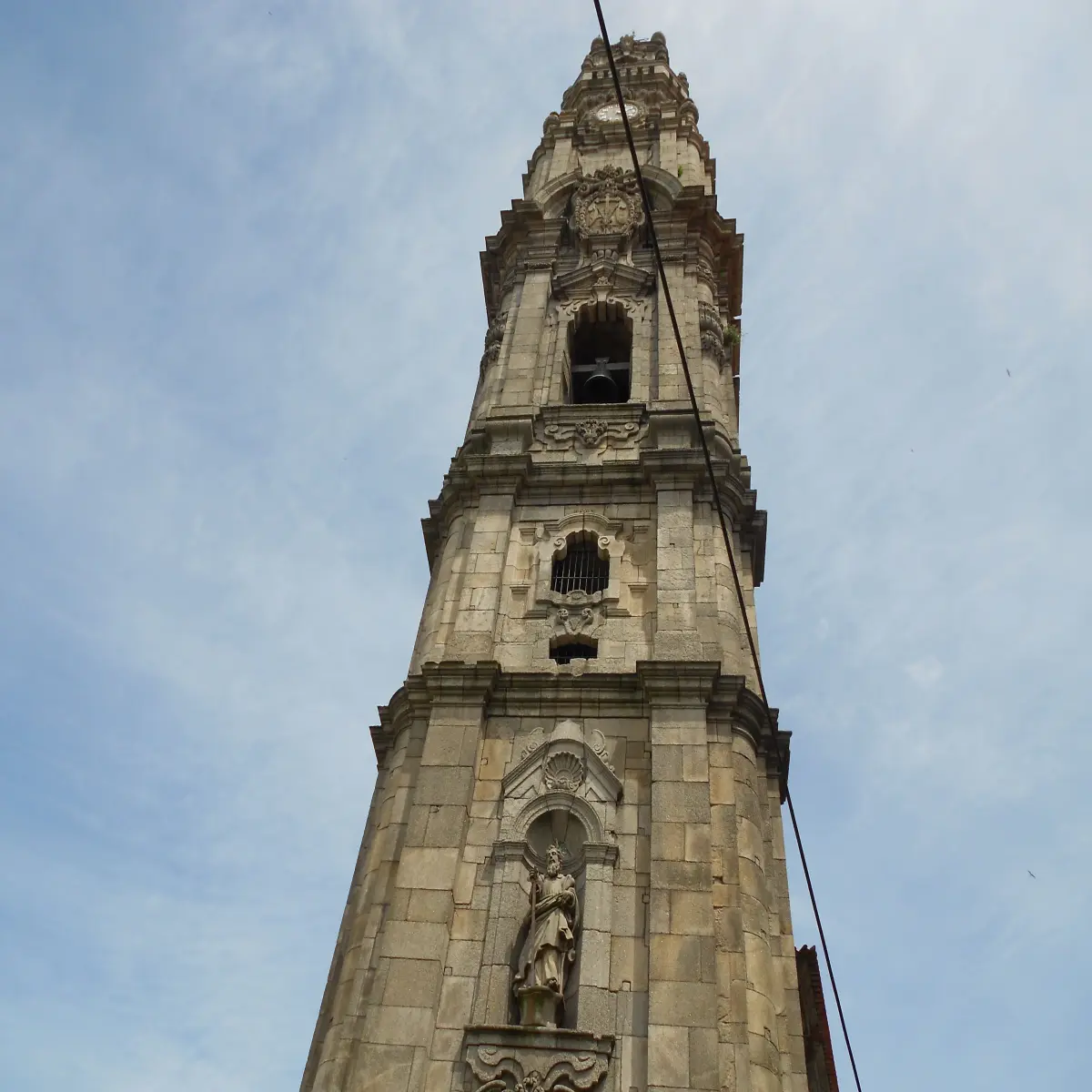
Construction began in 1732 and lasted several decades, ending in 1763. With his customary grace, the Italian architect successfully solved the challenges of constructing such a grandiose structure at the time. Given the limited space available for construction, he opted for a single tower instead of the two originally planned. And thanks to its height of 76 meters, decorated with various shapes, the tower dominates the surroundings and gives the place a monumental feel.
Inside the church, the originality of the design remains intact. The rectangular facade meets an oval vault, a solution quite rare in Portuguese architecture. The facade is adorned with granite slabs, while granite was used on structural elements like pilasters, doors, and windows on the side walls. This creates a visual hierarchy of volumes. The interior stands out for its rich decorations, combining elegant stone sculptures with gilding and wall paintings.
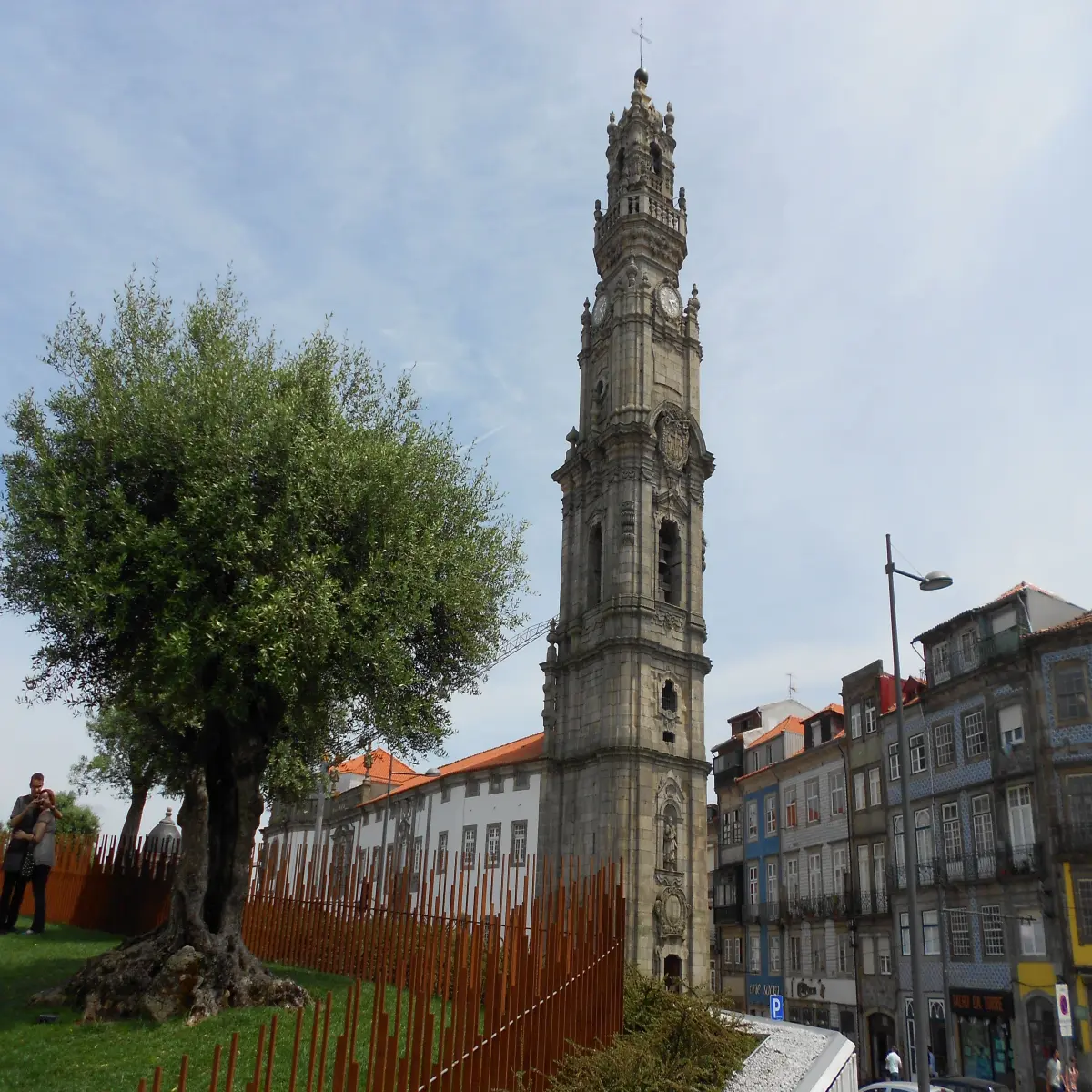
And here are some interesting facts about this symbol of Porto:
The Portuguese Baroque architect who designed the tower is buried next to it, in the Clerigos Church. However, no one knows exactly where his grave is located.
For many years, the tower served as a beacon for the city's merchants. When a steamer arrived from England with money for exported goods, balloons were released from the tower to signal that people could go to the post office to collect their money.
In the 1920s, the tower became the stage for a successful advertising campaign by Raul de Caldevilla in Porto. Two young Spanish men climbed the exterior of the tower and hosted a tea party at the top. This promotion helped to promote the product on the Portuguese market.
In 2013, the Torre dos Clérigos celebrated its 250th anniversary. To mark the occasion, various celebrations were held and the tower underwent reconstruction in order to continue welcoming visitors from all over the world.





