
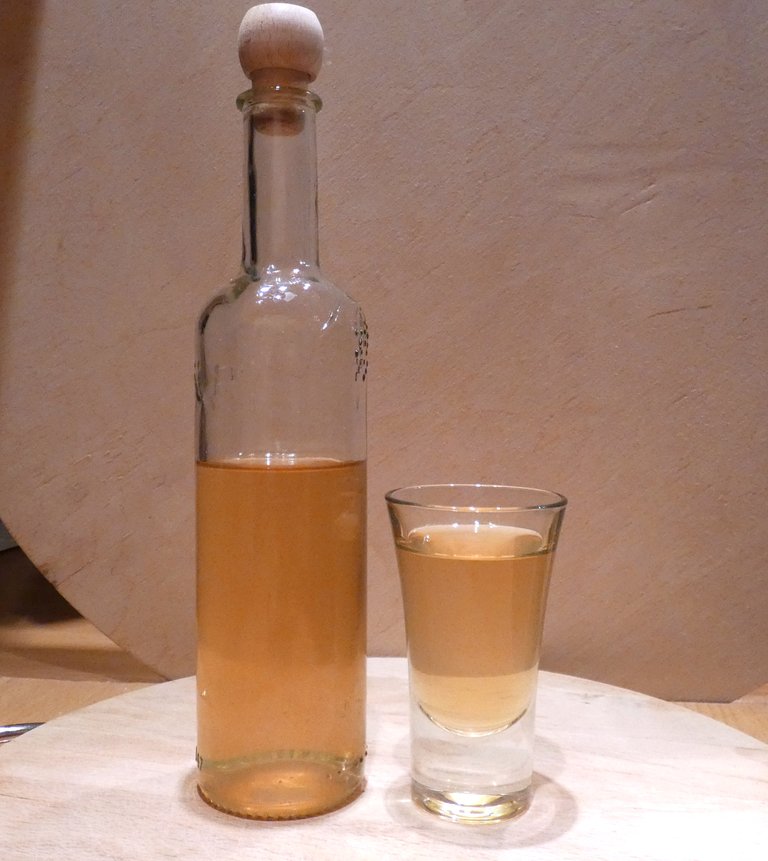
Quince is a popular fruit in Europe and the world in terms of its occurrence. We often see this tree in gardens, but it is usually decorative. Few people know that quince is one of the oldest cultivated plants in the world. It has outstanding taste properties, but also a treasury of vitamins and therefore has many healing properties.
Pigwa to popularny owoc w Europie i na świecie jeśli chodzi o występowanie. Często widujemy to drzewko w ogrodach, ale pełni one zazwyczaj funkcję dekoracyjną. A mało kto wie, że pigwa należy do najstarszych roślin uprawnych na świecie. Posiada wybitne właściwości smakowe, ale również jest skarbnicą witamin i przez to ma wiele właściwości leczniczych.
What a quince looks like
Jak wygląda pigwa

Common quince (Cydonia oblonga Mill) comes from Asia and it is a shrub or small perennial tree, even several meters high. Its fruits resemble yellow apples. They are very acidic and therefore rich in vitamin C. The fruit is perfect for preserves and has healing properties. In ancient Greece, quince was also considered an aphrodisiac.
Pigwa pospolita (Cydonia oblonga Mill) pochodzi z Azji i jest to krzew lub małe drzewko wieloletnie o wysokości nawet kilku metrów. Jej owoce przypominają jabłka koloru żółtego. Są bardzo kwaśne, przez co bogate w witaminę C. Owoce doskonale nadają się na przetwory i posiadają właściwości lecznicze. W starożytnej Grecji pigwa uważana była również za afrodyzjak.

What vitamins does quince fruit contain
Jakie witaminy zawiera owoc pigwy
Medicinal substances are obtained both from fruit and seeds, but the fruit is not suitable for direct consumption because it is too tart, hard and sour. Nevertheless, properly crafted. in the form of tinctures, they provide the body with many minerals, such as potassium, magnesium, iron, calcium and folic acid. They have a very high content of vitamin C, A, vitamins B2 and B6. The compounds from the polyphenol group, including procyanidins, neochlorogenic acid, and chlorogenic acid, also have very important healing properties.
Substancje lecznicze pozyskuje się zarówno z owoców jak i z nasion, niemniej owoce nie nadają się do bezpośredniego spożycia gdyż są zbyt cierpkie, twarde i kwaśne. Niemniej odpowiednio spreparowane . w postaci nalewki, dostarczają organizmowi wiele składników mineralnych, jak potas, magnez, żelazo, wapń oraz kwas foliowy. Posiadają bardzo dużą zawartość witamy C, A, witamin B2 i B6. Bardzo istotne właściwości lecznicze mają również zawarte w niej związki z grupy polifenoli, w tym procyjanidyny, kwas neochlorogenowy, kwas chlorogenowy.


Healing and health-promoting properties of quince
Właściwości lecznicze i prozdrowotne pigwy
Quince stimulates the appetite, prevents vomiting, diarrhea and flatulence, strengthens immunity, has antibacterial, antifungal and bacteriostatic properties, prevents anemia, regulates gastrointestinal disorders, inflammation, prevents cancer and cardiovascular diseases, supports the body in the treatment of colds and flu.
Pigwa pobudza apetyt, przeciwdziała wymiotom, biegunce i wzdęciom, wzmacnia odporność, działa przeciwbakteryjnie, przeciwgrzybicznie, bakteriostatycznie, przeciwdziała anemii, reguluje zaburzenia żołądkowo-jelitowe, stany zapalne, działa prewencyjnie w chorobach nowotworowych i układu krążenia, wspomaga organizm przy leczeniu przeziębienia i grypy.
And in the case of tinctures, it also puts us in a blissful mood 😁
A w przypadku nalewki dodatkowo wprowadza nas w błogi nastrój 😁
Recipe for homemade quince tincture
Przepis na domową nalewkę z pigwy
Ingredients
Składniki
1 kg dojrzałych owoców pigwy, 0,5 kg cukru, 1 l mocnego alkoholu (np. 70%), ewentualnie 2 łyżki miodu i goździki


Preparation of the tincture
Przygotowanie nalewki
The quince fruit has a peeling outer skin. To do this, the fruit should be thoroughly washed and scrubbed.
Owoce pigwy posiadają wierzchnią skórkę, która się łuszczy. W tym celu należy owoce dokładnie umyć i wyszorować.

Then cut the quince fruit into large cubes, getting rid of the seeds.
Następnie owoce pigwy kroimy w duże kostki, pozbywając się nasion.


Put the chopped fruit into the jar, sprinkling the sugar from time to time until the jar is full. Add spices, honey and set aside in a dark place at room temperature for 6 weeks!
Pokrojone owoce wkładamy do słoika, przesypując co jakiś czas cukrem, aż do zapełnienia całego słoja. Dodajemy przyprawy, miód i odstawiamy w ciemne miejsce o temperaturze pokojowej na 6 tygodni!


After 6 weeks
Po 6 tygodniach
Pour strong alcohol into the juice, mix it thoroughly and leave it for a few days in a dark place.
Do powstałego soku dolewamy mocny alkohol, dokładnie mieszamy i pozostawiamy na kilka dnia w ciemnym miejscu.


The last stage is just pouring the tincture into the bottle.
Ostatnim etapem jest już tylko zlanie nalewki do butelki.


Cheers!
Na zdrowie






