The Next Leap in AI Image Generation and Where the Future is Heading
I originally posted this story on Medium.
image generated with GPT-Image-2
Usually, I create lead images for my stories manually in Photoshop, using a template I've created. But the one you can see above was made by GPT image 2, the new image generation model from OpenAI. The model has been out for a week, and I can confidently say it can handle most image workflows.
Today, I will share with you the most important facts about the model and share some amazing use cases that the new capabilities unlock.
Let's get straight to it.

Meet GPT-Image-2
A few years ago, image generation models struggled with creating hands with the appropriate number of fingers. Today, not only its no longer the case. But the models can handle complex workflows, edit images, and even think.
Not too long ago, I wrote about Google's Nano Banana and how it can not only generate images, but also reason, and include accurate information in the images it creates.
Nano Banana 2: Image Generators Can Now Think
How people are using it, how to access it, and what this new AI model can do
GPT-Image-2 takes it to the next level.
To demonstrate it, I came up with this prompt:
Research the web and create a clean infographic inspired by MacOS, that showcases the leading AI-image generation models and their respective cost per image
After using its “Extended thinking” mode, this is the result it produced:
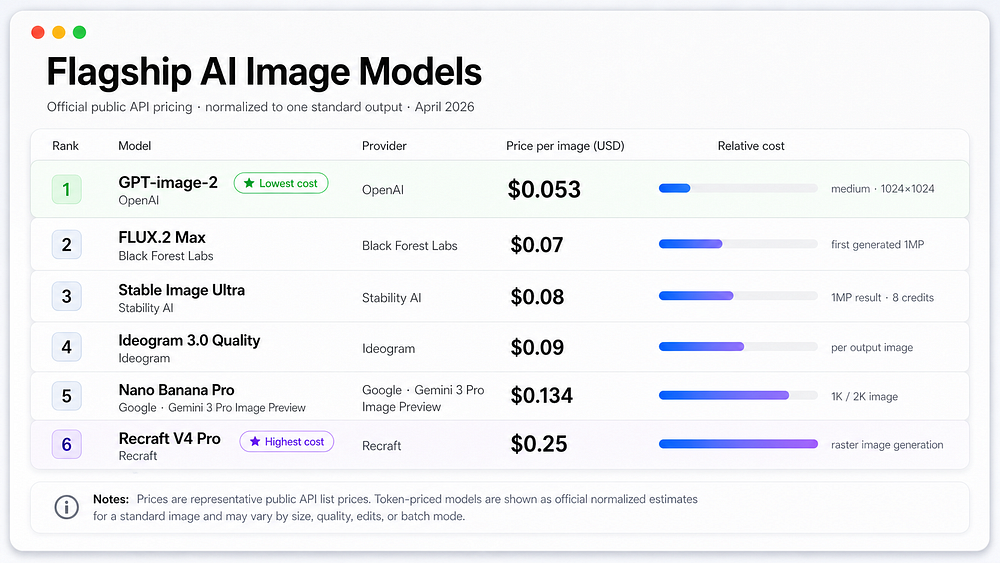
Image generated with GPT-Image-2
That's right. The model can now not only produce readable text accurately. It can also think and search the web for information to include in the images.
Before we move on to the fun part — looking at the model in action. I will mention a few more key things this model can do.
- Generate images with 2k resolution
- Works with aspect ratios up to 1:3
- Generates up to 8 images per prompt
- Thinking — gets data from the web to use in images (the “Extended thinking” already mentioned
- Gets text right, can handle small text, various languages
- Trained on UIs (can handle user interfaces exceptionally well)
- Improved character consistency.
- Generates 3D panoramas
Now let's get to the fun part.
GPT-Image-2 in action
We have talked a bit about the capabilities of this new model. But for an image model, there's no better way than to show some examples.
1. 3D images
Let's start with something I've never seen image models do natively before. 3D panoramas.
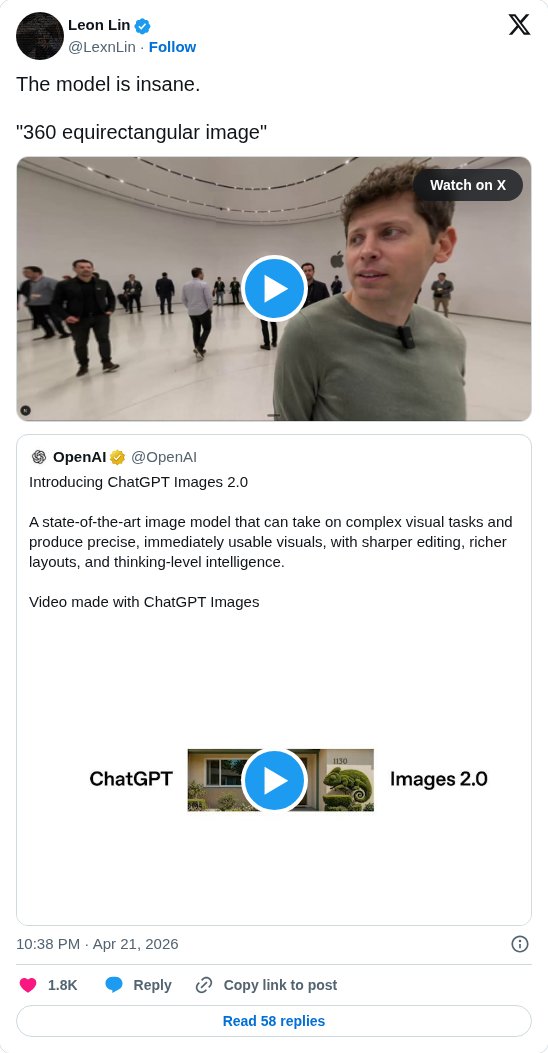
Being able to generate 3D panoramas is a new space for exploration and can potentially unlock some new cool use cases. Here's an interesting concept. A game that emulates the gameplay Geoguesrr, but with the addition of a dimension of time.
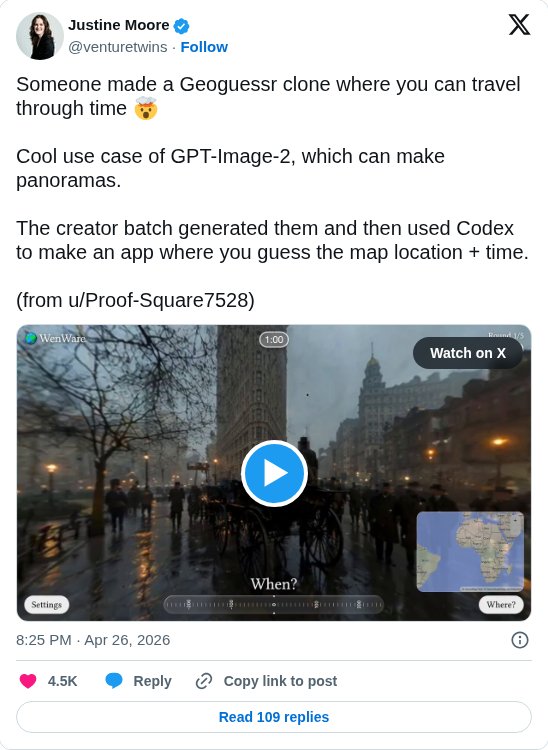
But now let's step back into 2 dimensions.
2. Functional QR and barcodes
This new model can also create QR codes and barcodes that are readable and work reliably. For the image below, I gave ChatGPT a screenshot of my x.com profile and asked it to produce a “Call to Action” based on the branding of my profile with a functional QR code that leads to following me on x.
And it actually works. Try it yourself. (Beware, you will follow me on x.com if you do.)
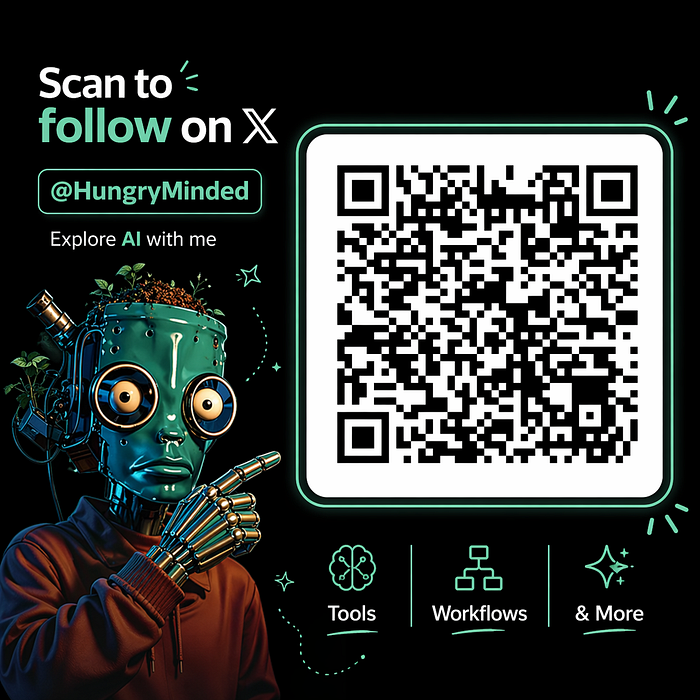
image generated with GPT-Image-2
But QR codes is not all it can do. It can also do barcodes. Check out the video showcasing it below:
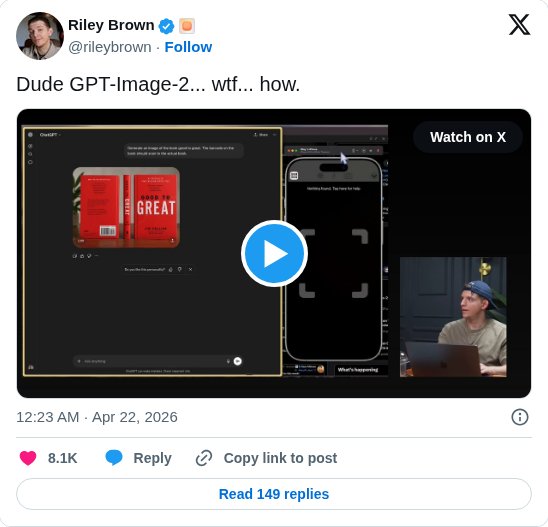
Both of these capabilities might be extremely useful when it comes to marketing and product photography.
3. Text, UI's, and different languages
This model no longer has any problems generating readable text. And it can do so efficiently in various languages. It also excels at generating user interfaces.
This example showcases all 3 of these capabilities:
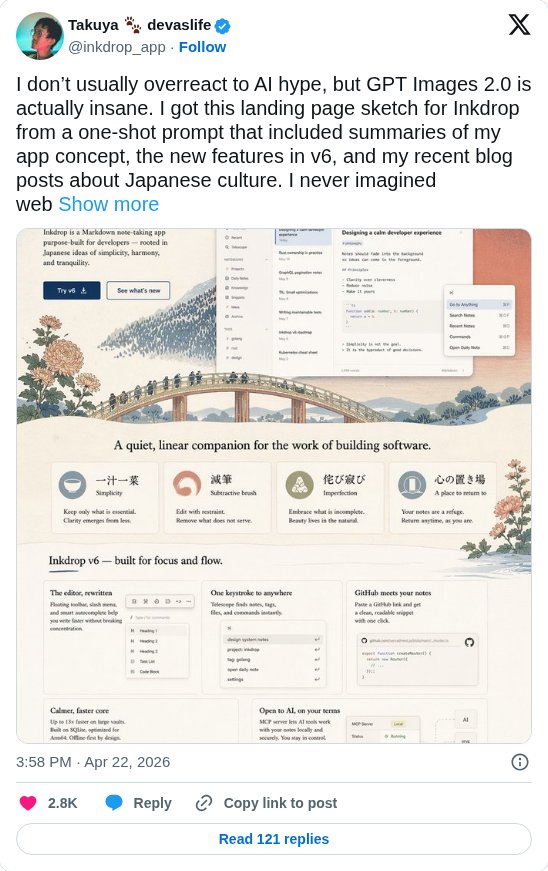
It has a clear understanding of how various user-facing elements look, popular UI styles, etc.
Here's an example where someone has generated what x.com would look like if it had a native MacOS app:
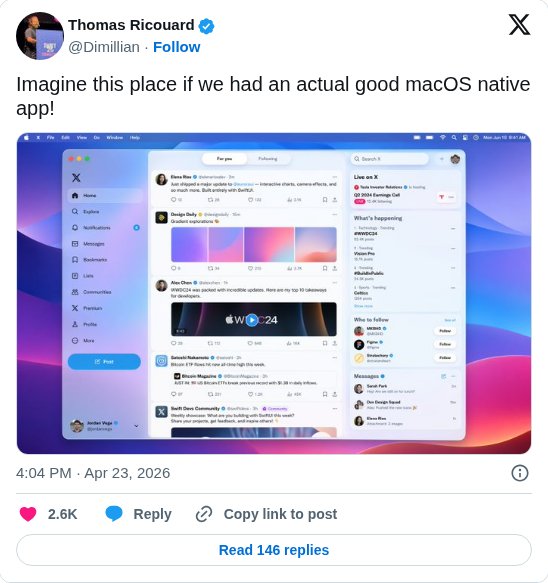
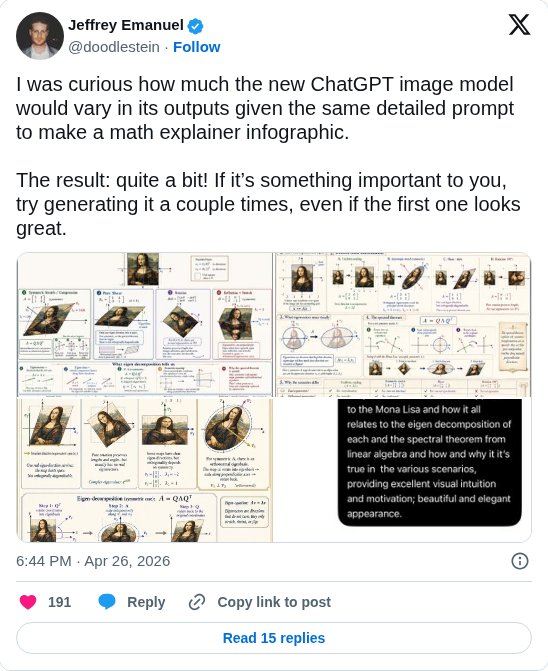
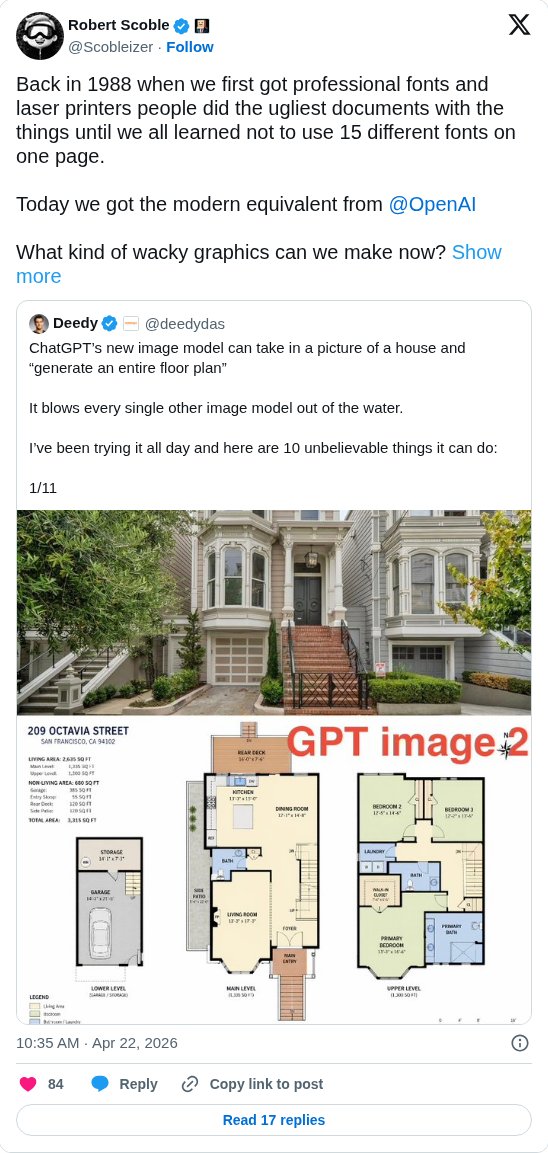
4. It can handle complex tasks
This image generation model really does feel different. It can handle a wide array of pretty complex tasks. Just look at these examples:
5. The true power of the model
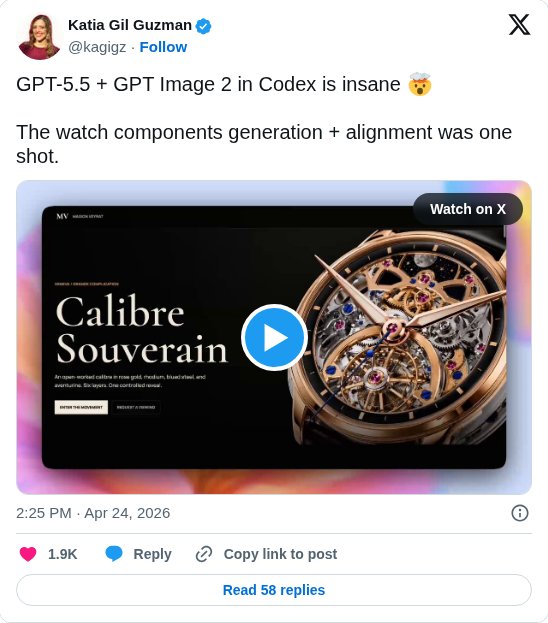
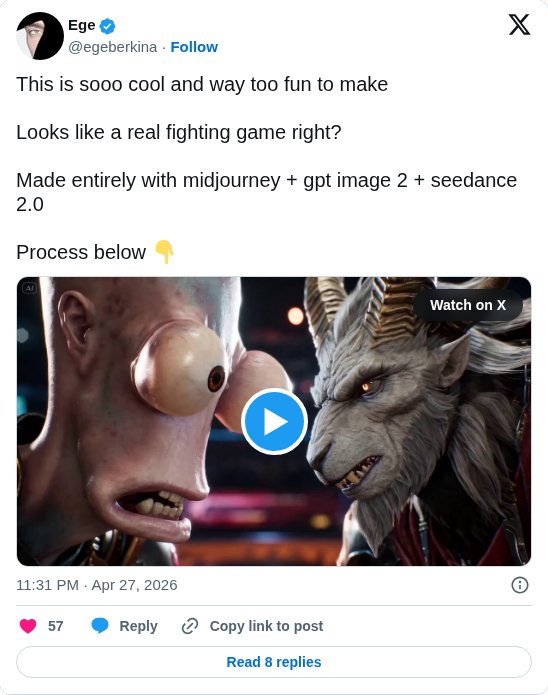
While all of these examples are impressive, the true power of the model is unlocked when you combine it with other state of the art tools that are available today.
When combined with the coding skills of models available via Codex, the model can turn fun ideas like this into reality:
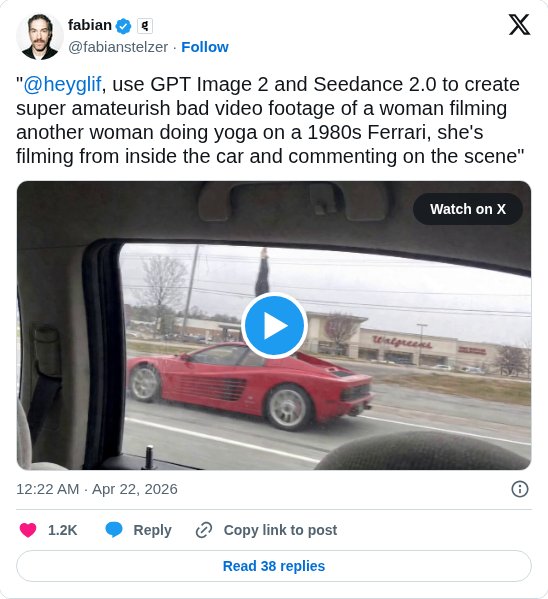
And with the help of state-of-the-art video generation models like Seedance 2.0 you can create engaging videos like this one:
Or create videos that are obviously AI-generated, but you just can't tell that easily anymore:
Where all of this is going?
This new image generation model is great. But it is only a part of the picture of what's happening. The AI space is now not only about a single model. It's not about text, images or even videos. It's about real work that can be done with these tools.
We are moving away from a system that uses single models or chatbots. And are steadily entering the age of agents. This is exactly the reason this new image model is so good at generating user interfaces. It is trained on the same data set that is being used to train models to use computers.
We have seen image generation models go from not being able to generate hands. To being able to solve complex tasks and display it all neatly. And text models from struggling with simple writing tasks to being able to write code better than most humans.
Now we are in the early days of computer use and agentic systems. And it still feels a bit weird and clunky. But if we look at how image models how progressed over just a few years, we can only imagine what the future of these agentic systems that handle real workflows will look like.
GPT-image-2 is a great reminder of the fact that we are living in times of great change. And the only way forward is to keep up with the new capabilities of the technology.