Hello. With you is my regular column "Small but Weighty Reasons to Visit Uzhhorod", which will be published under the hashtag #uzhhorodsculptures. Today, all attention will be focused on a person like Michael Strank. Who is he, and why did his scaled-down copy appear in Uzhhorod? Read on to get answers to these questions.
Who is Michael Strank?
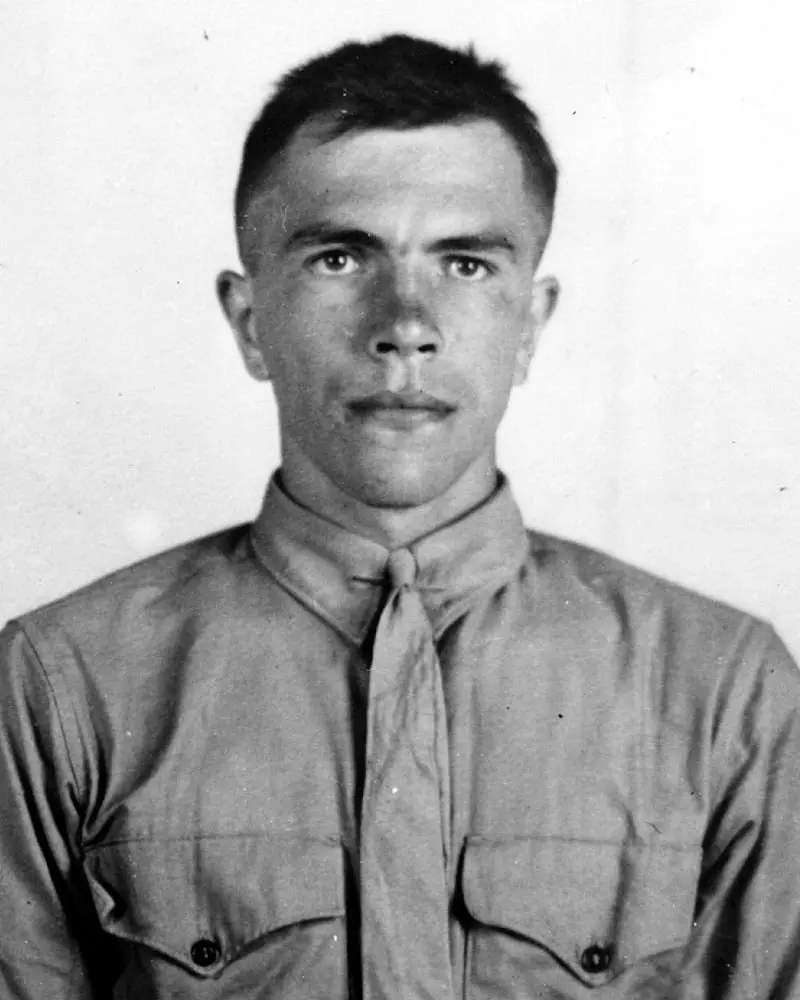
Photo Source - Wikipedia
Every fifth-grader in the USA, Canada, Australia and even Japan knows the name of this person. But in his native land to the question "Who is Michael Strank?" will be able to answer units. By the way, with this method, you can immediately find out that in front of you is exactly a graduate of the Faculty of History or a very socially active person who is really interested in his native land or what is happening in Ukraine.
The fact that an entire generation cannot answer this seems like a simple question related to censorship during the totalitarian Soviet period. In 2015, the whole of Ukraine learned about him as a special national hero, who became a kind of symbol of victory over Nazism during World War II.
Michael Strenk was born on November 10, 1919, into a Ukrainian Lemko family. At that time, his native village of Oryabin was located in the Czechoslovak Republic (now northeastern Slovakia) and was previously part of Transcarpathia. His parents, like most of the inhabitants of the region, were mostly Lemkos.
The Lemkos (better known as the Ruthenians) are an ethnographic group of Ukrainians from the Lemko region located in the Carpathian Beskids in modern-day Poland and Slovakia.
On August 4, 1922, little Michael and his mother were able to travel to New York City, where they were awaited by the head of the family, who had worked all year in a coal mine to bring his family to the United States.
He attended high school in Pennsylvania, and after graduating he managed to get into the civilian environmental corps and worked for 18 months first as a state road worker and then on highway construction.
Then begins the most interesting part of Michael's biography and the direct answer to why he received the title of hero.
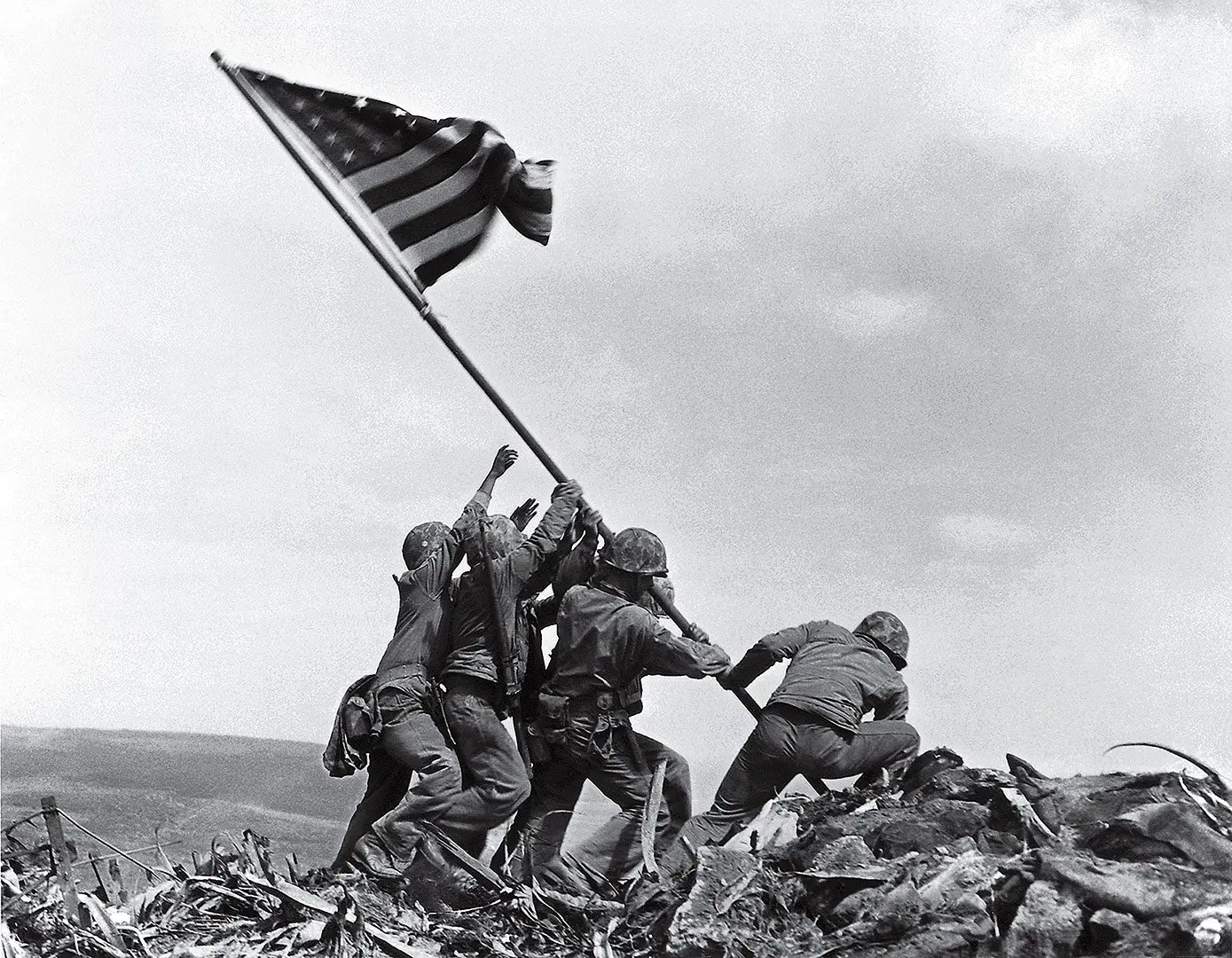
Photo Source - http://100photos.time.com/
How did Michael Strank go down in history?
On October 6, 1939, Strenk became a member of the United States Marine Corps and took part in several operations in the Japanese islands, which played an important role during World War II and the confrontation between the Japanese Empire and the United States.
On February 19, 1945, Michael, as a detachment commander, landed on the island of Iwo Jima, where on behalf of his command he was to climb to the top of Mount Suribaty in order to set the US flag with 5 of his comrades.
There, American photographer Joe Rosenthal took a photograph that entered the top 100 most iconic photo of human history and was also able to award its author the Pulitzer Prize. This significant moment took place on February 23, 1945.
Unfortunately, by the end of March, half of the heroes of this picture died during the battle. Among them was Michael.
And what about the sculpture?
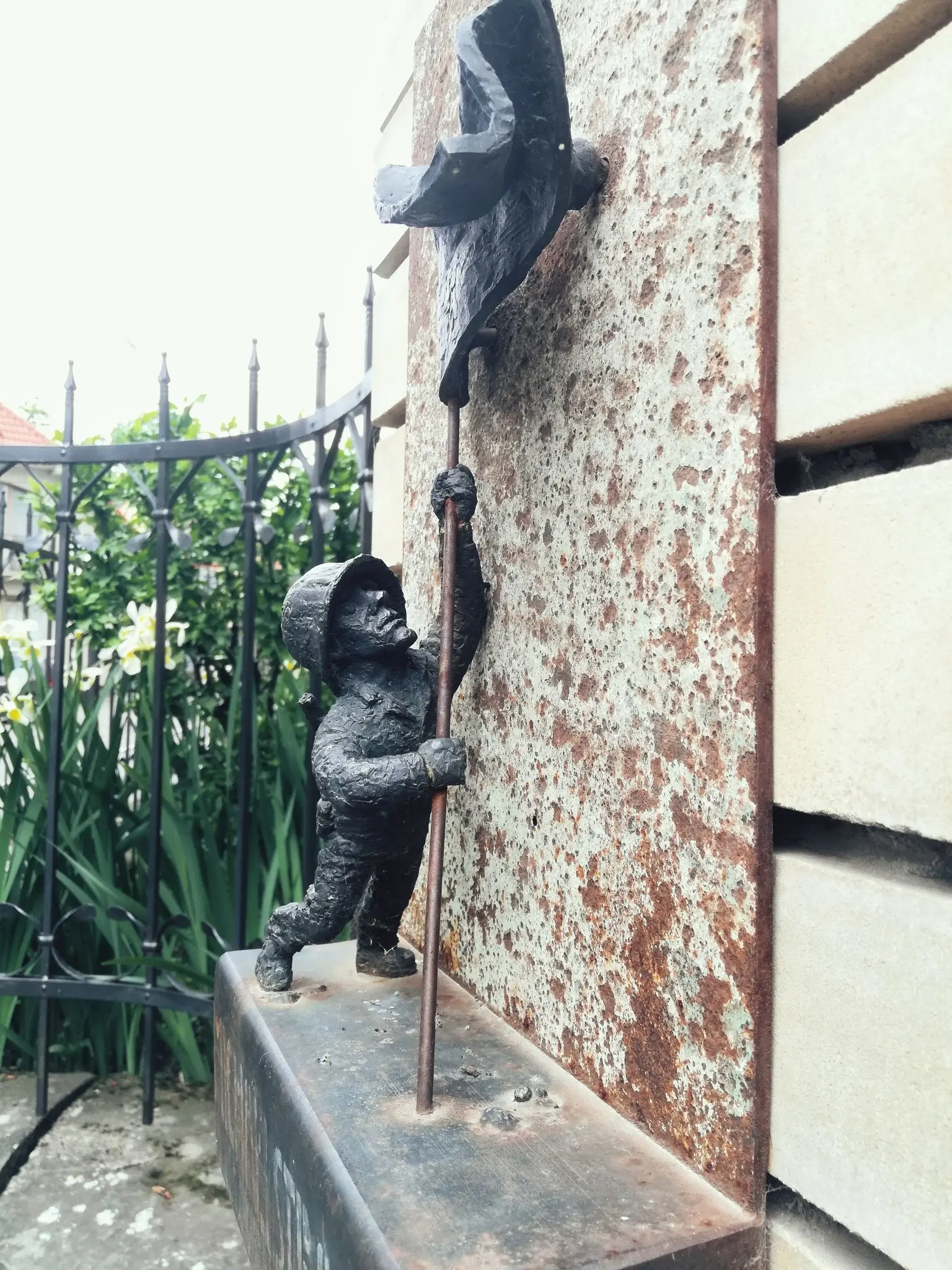
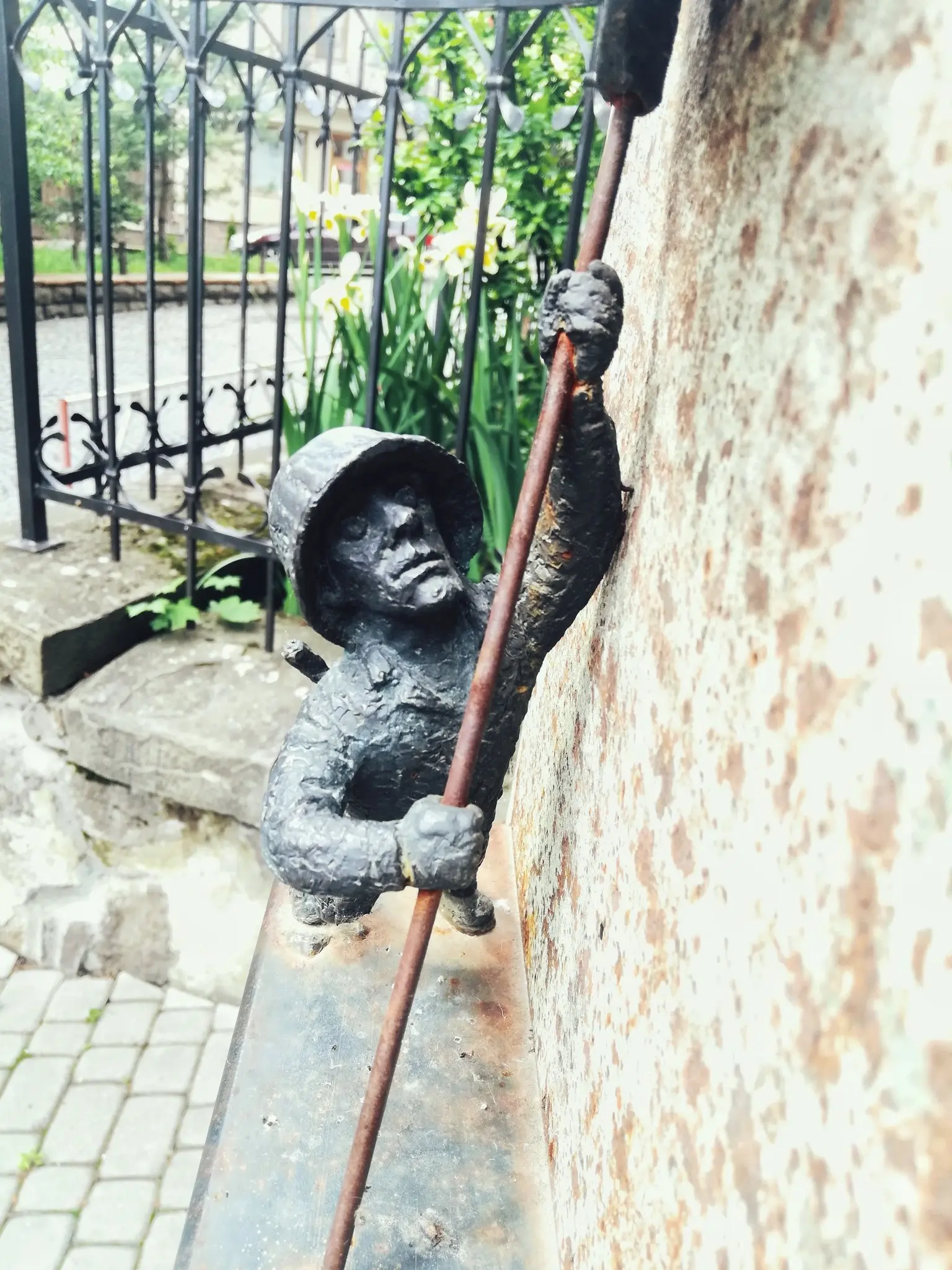
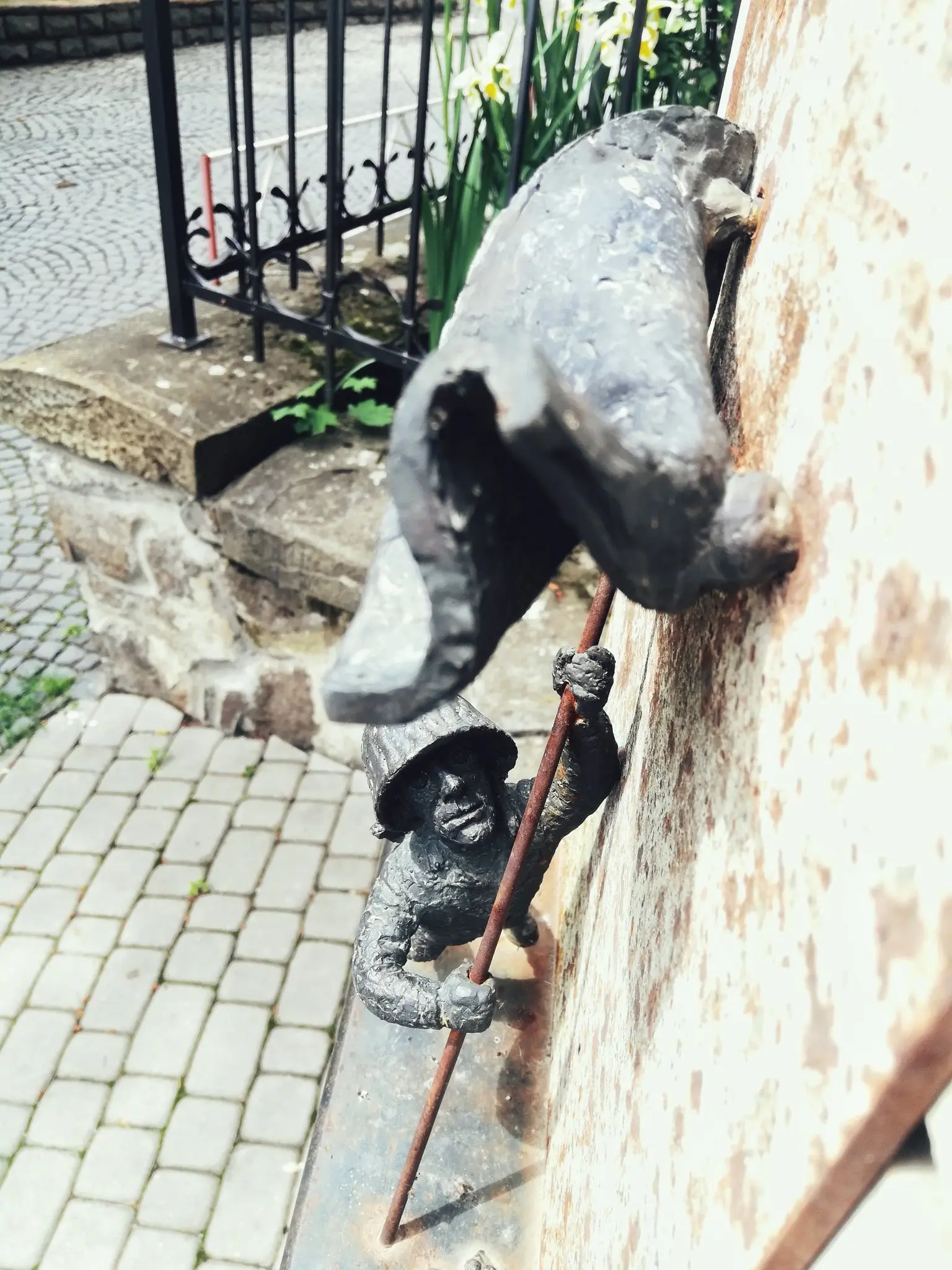
I almost forgot to tell you why we are here! The sculpture was traditionally created by Mykhailo Kolodko. As you can see, the sculpture depicts Strenk at the time of raising the flag.
And on February 17, 2015, it was installed on the wall of a school with Slovak as the language of instruction. In this way, the sculptor decided to symbolically crown the memory of our compatriot with the Slovaks.
Where can I find a sculpture?
The sculpture is located in the city of Uzhgorod on Tykha Street, 1
The exact GPS coordinates are 48.625937, 22.296445
You can also save this link to the Google map I created, where I will mark all the described sculptures - "Mini Sculptures Map"
Me on HIVE