
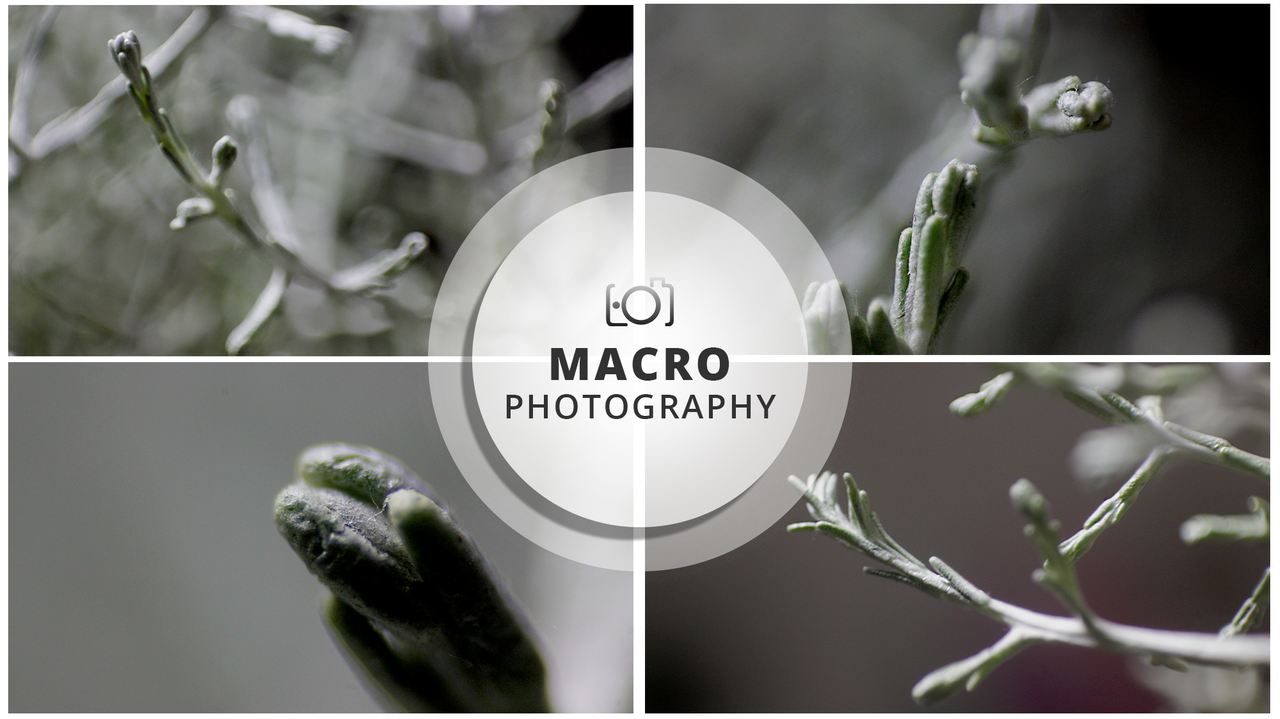
Hi everyone
Today we will visually scrutinize Calocephalus brownii, a plant that grows like a shrub with evergreen leaves.
This plant resists the cold but develops at an ideal temperature above 15ºC with direct exposure to the sun and its presence in coastal dunes is typical.
Its structure is quite similar in all its extension and hence the difficulty in making more than two different shoots.
Without more delays, let me present the model
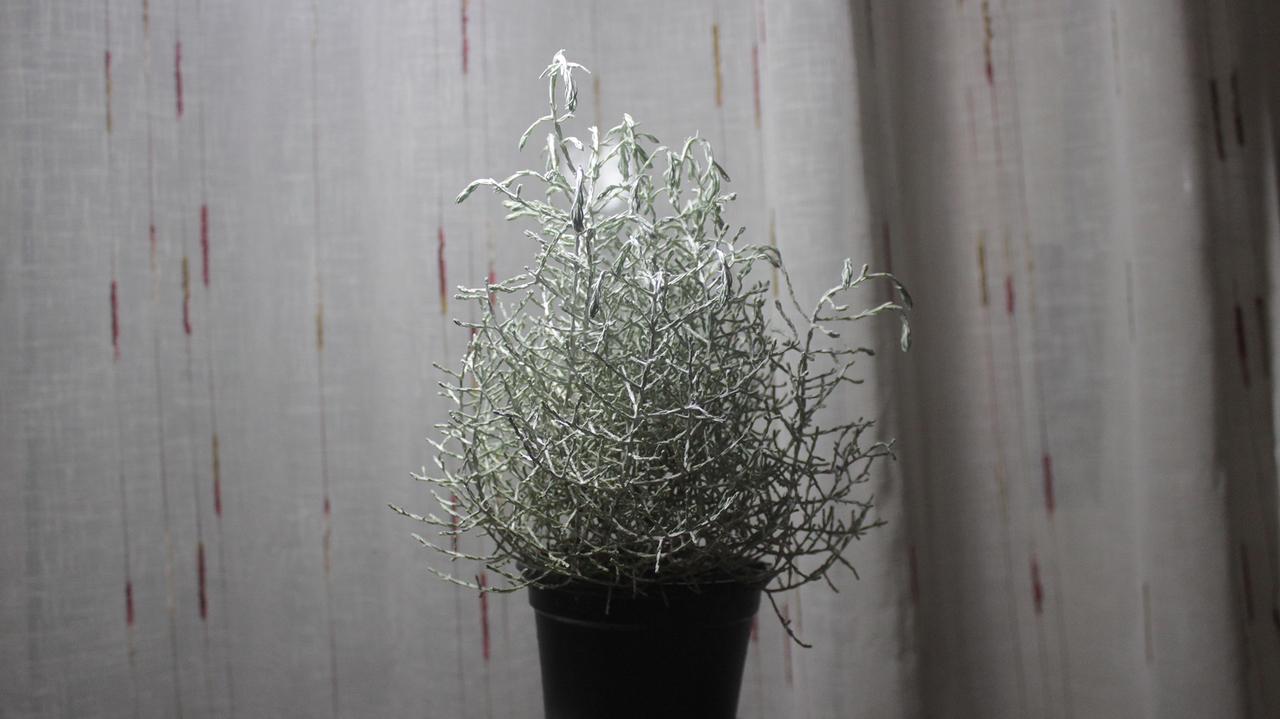
My introductory thoughts about macro photography:
It's amazing how macros with their blurred background can result in such different images full of contrasts and textures especially with this kind of subjects.
In the world of photography, especially macro photography, there is a universe of things available to everyone, enabling totally different and original approaches.
Before moving onto the result...
Feel free to check some of the previous macro photography sessions with a technique short description:
https://www.publish0x.com/aleister/macro-photography-session-brassica-oleraceae-acephala-xpwoee
https://www.publish0x.com/aleister/macro-photography-session-santolina-virens-xjnjqe
https://www.publish0x.com/aleister/macro-photography-session-grow-toward-the-light-xzmjxw
https://www.publish0x.com/aleister/macro-photography-session-small-twigs-in-form-of-tweezers-xvgnwp
https://www.publish0x.com/aleister/macro-photography-session-purple-contrasts-xwjeeg
Here i present the technique used through a short visual tutorial:
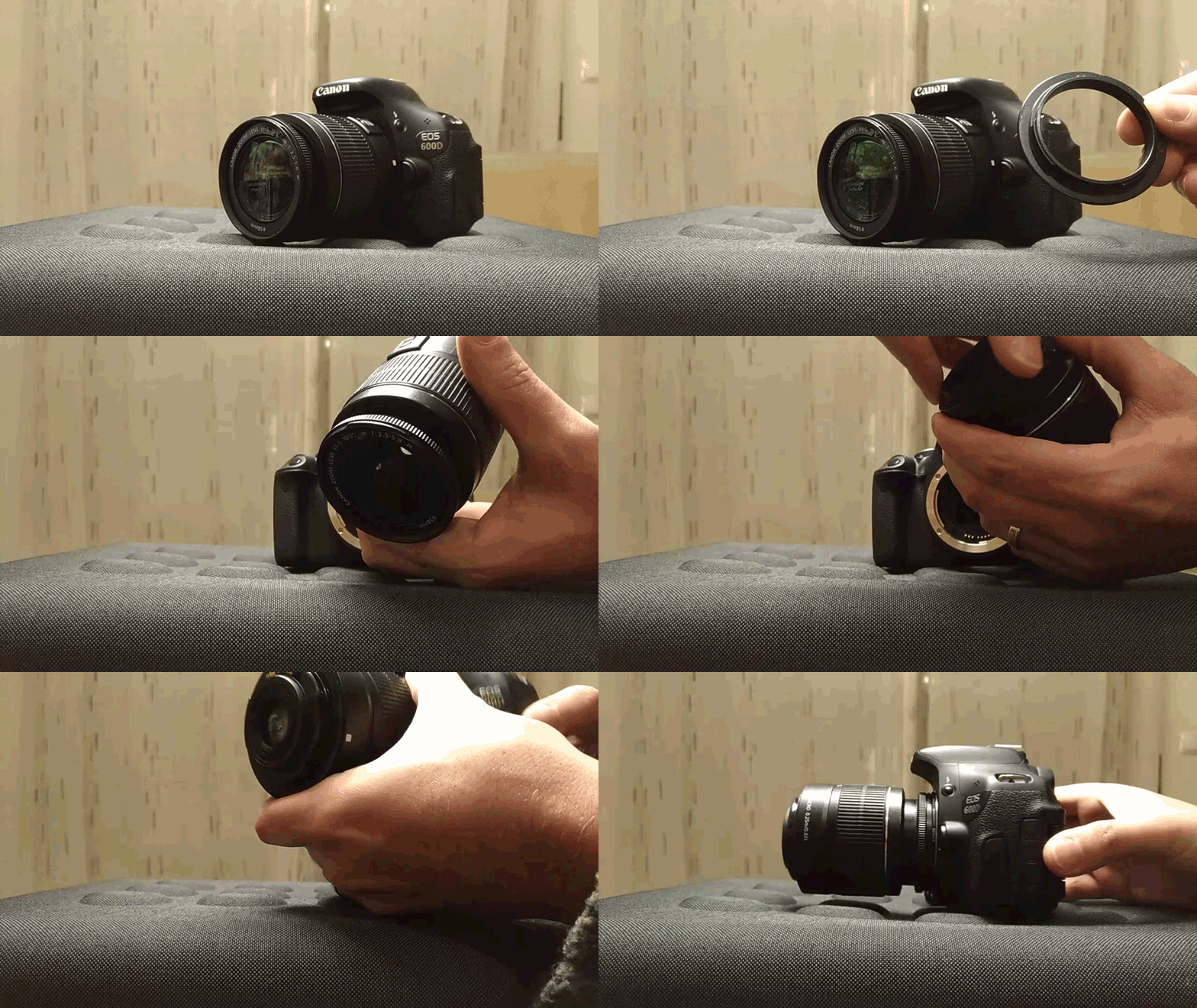
Among the various possible techniques to shoot macros, this is perhaps the most affordable and effective technique for those who have a camera with removable lens.
We can simply remove the lens and reverse the direction, and by using an inverter ring it ends up being more comfortable and facilitates the process.
Let's now move onto the result:
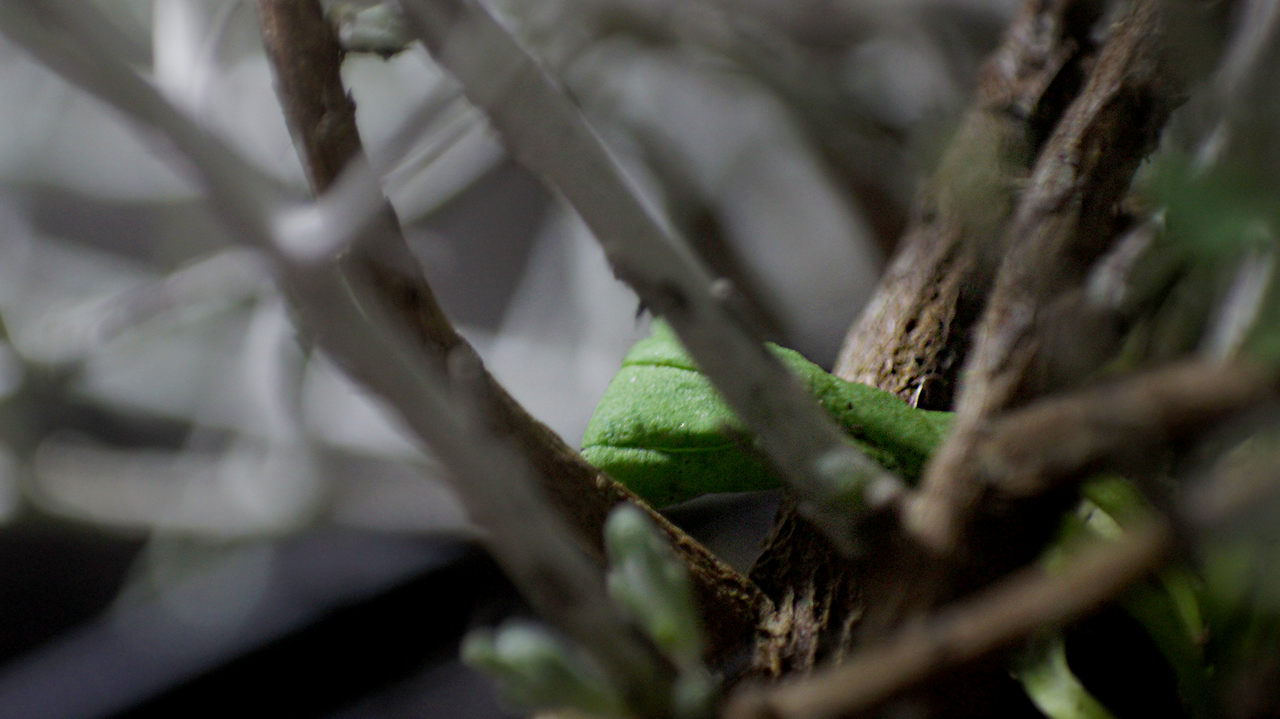
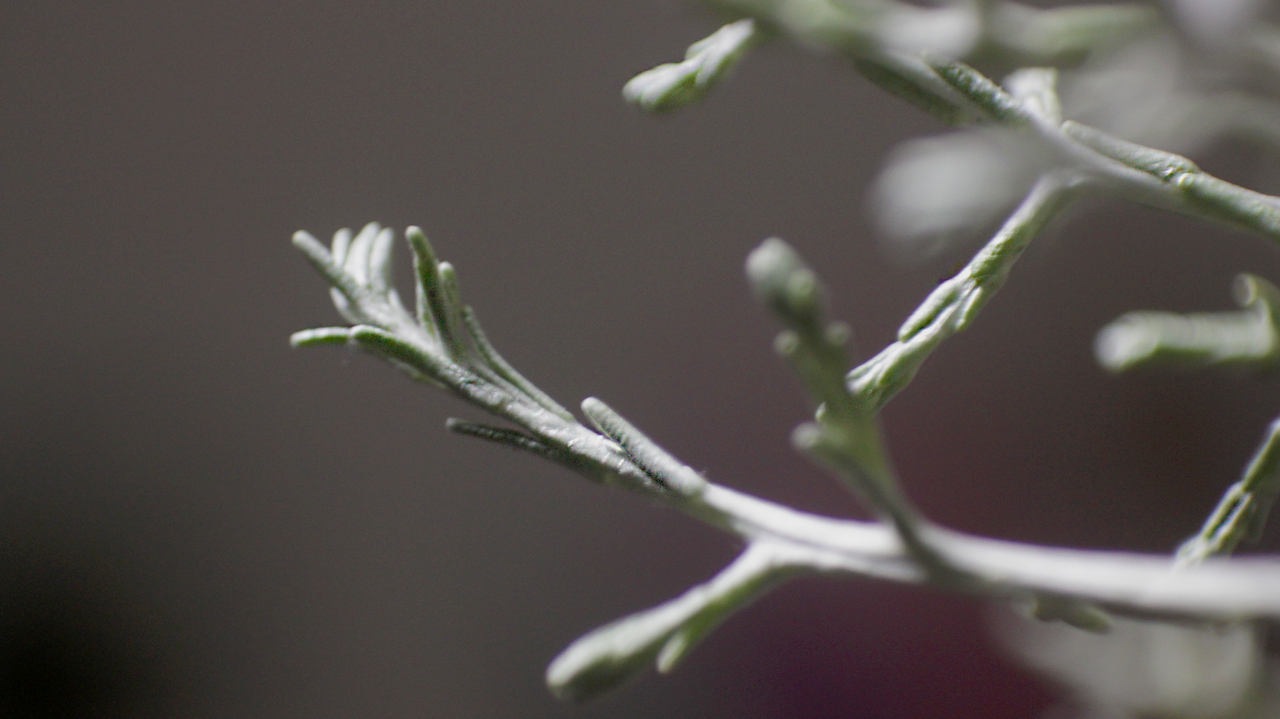
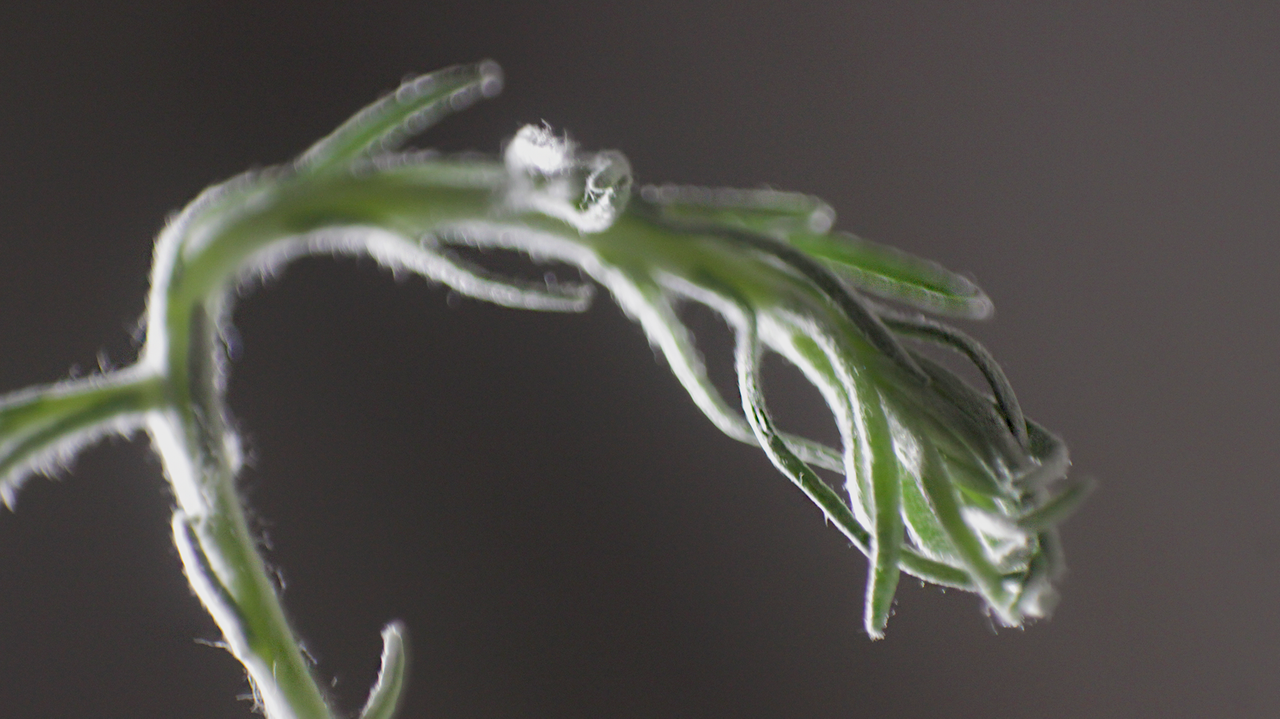
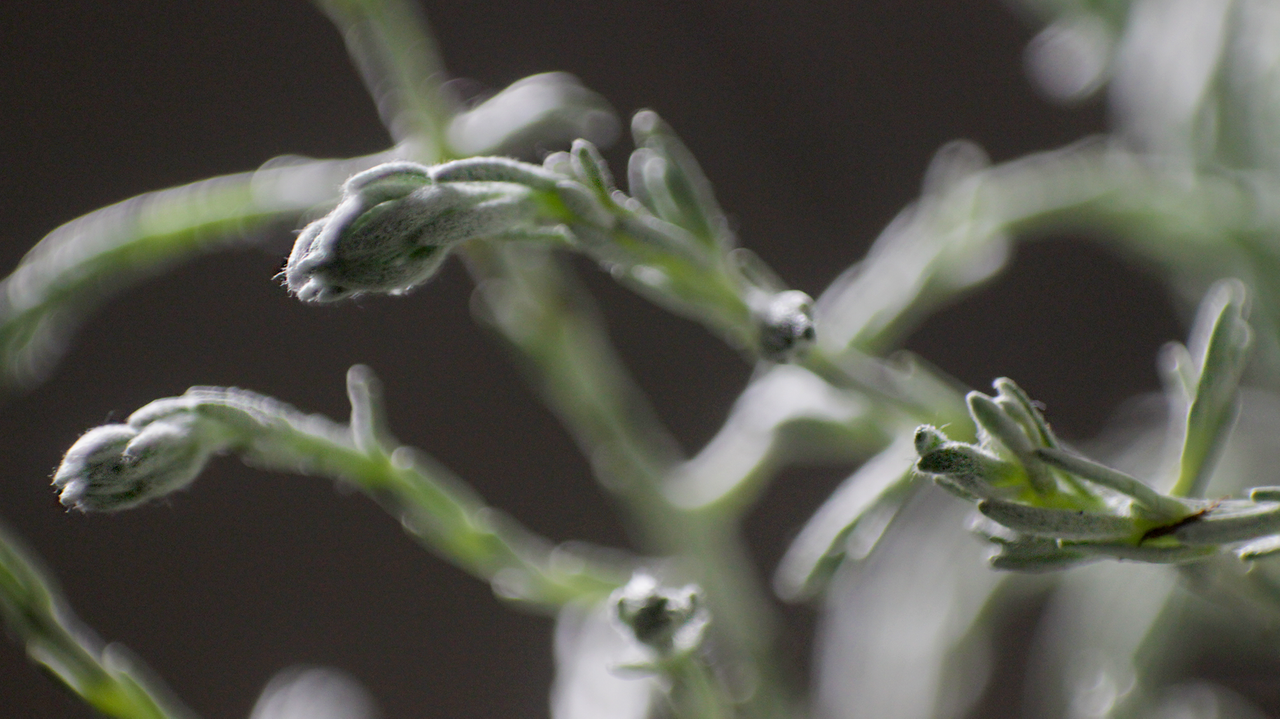
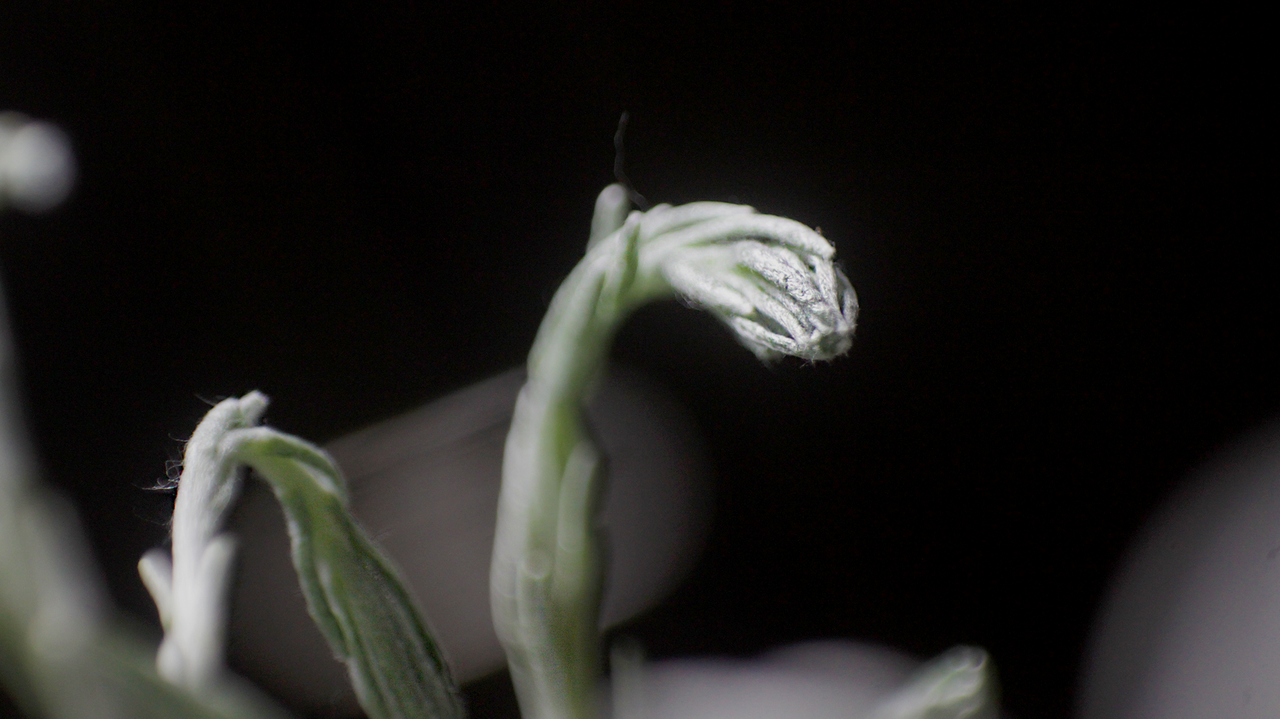
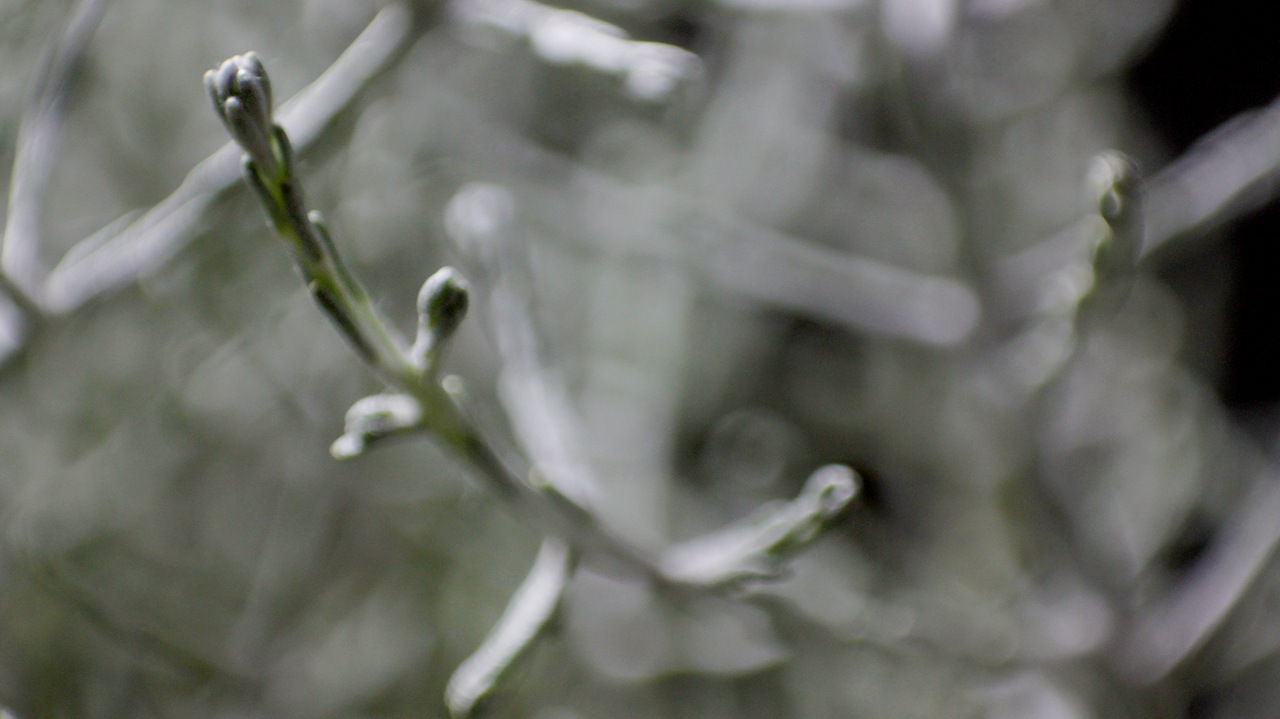
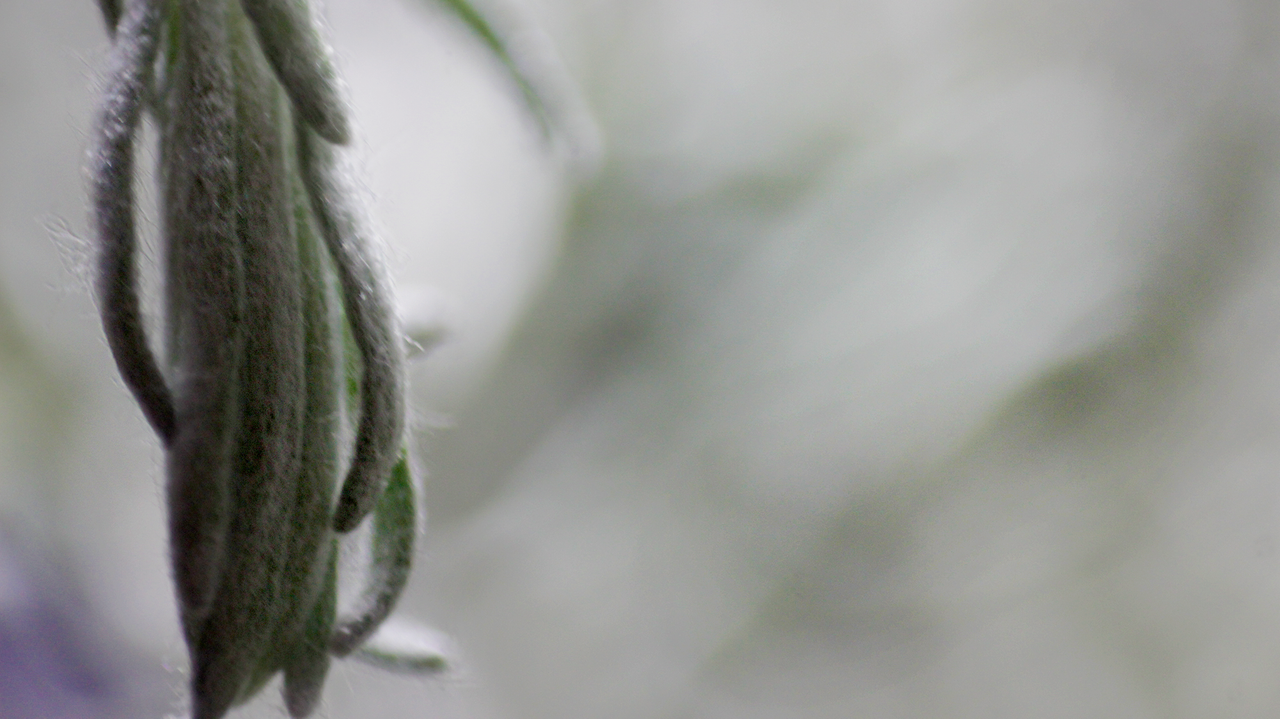
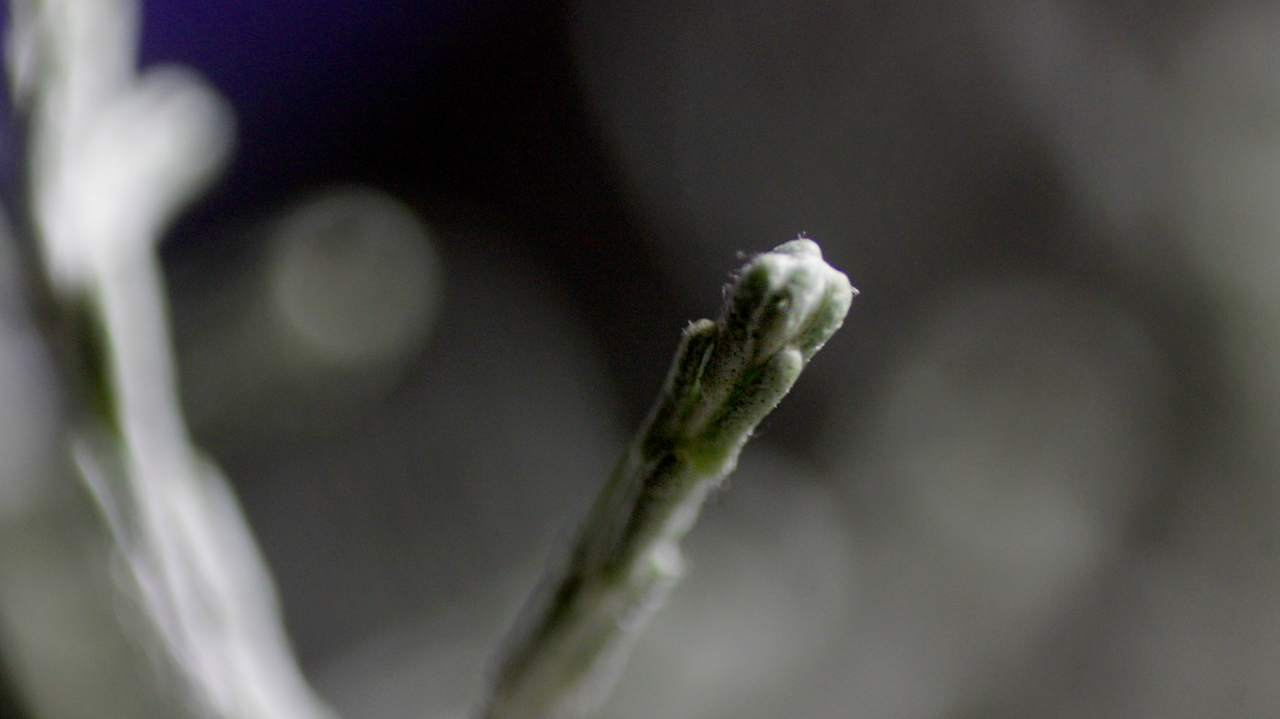
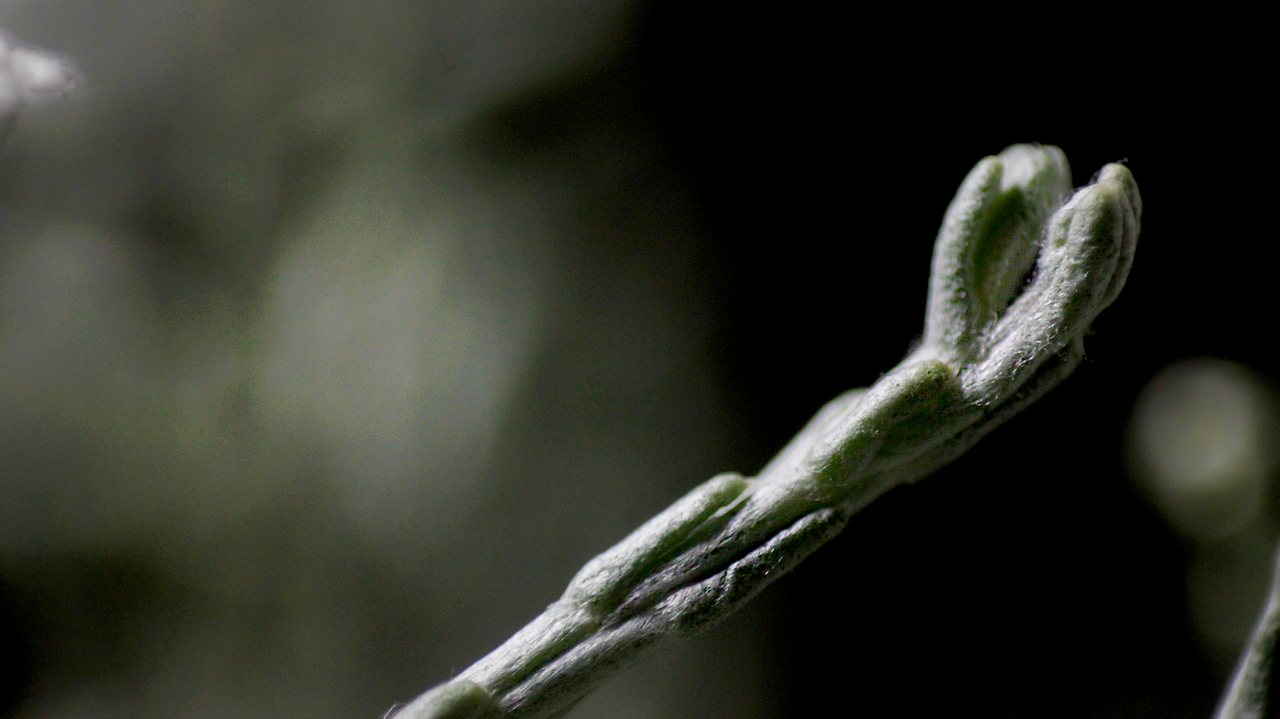
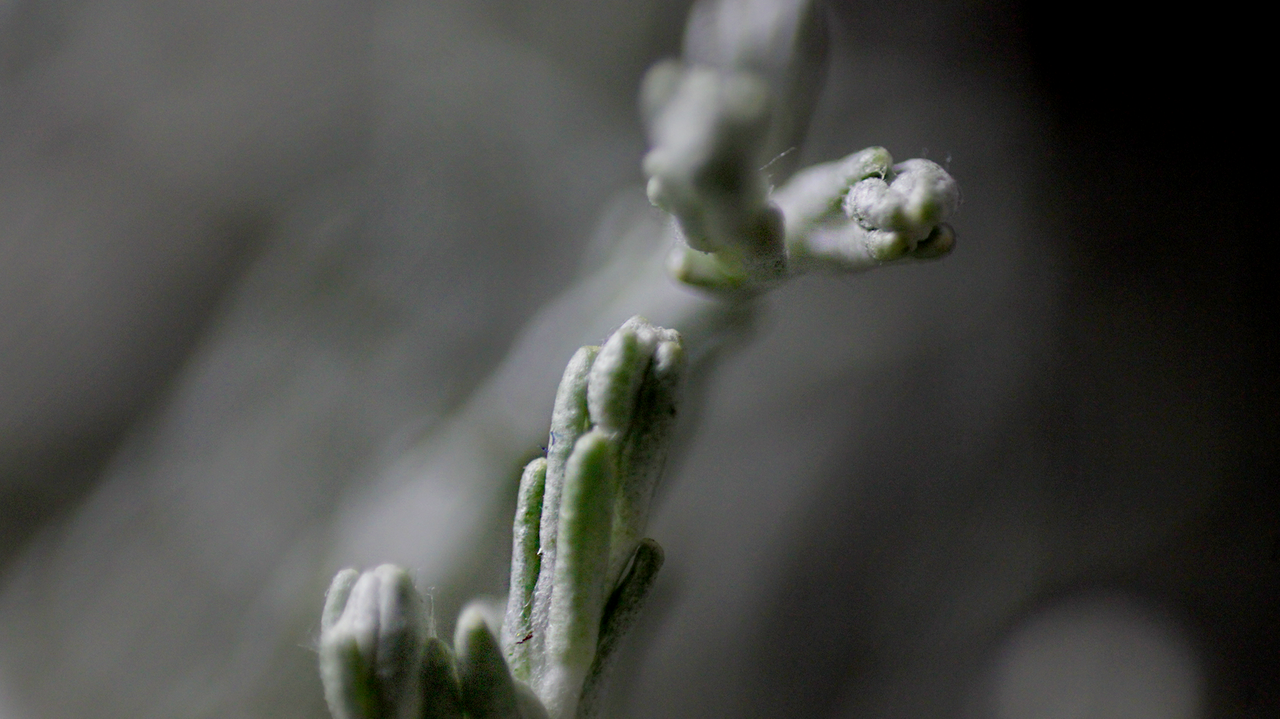
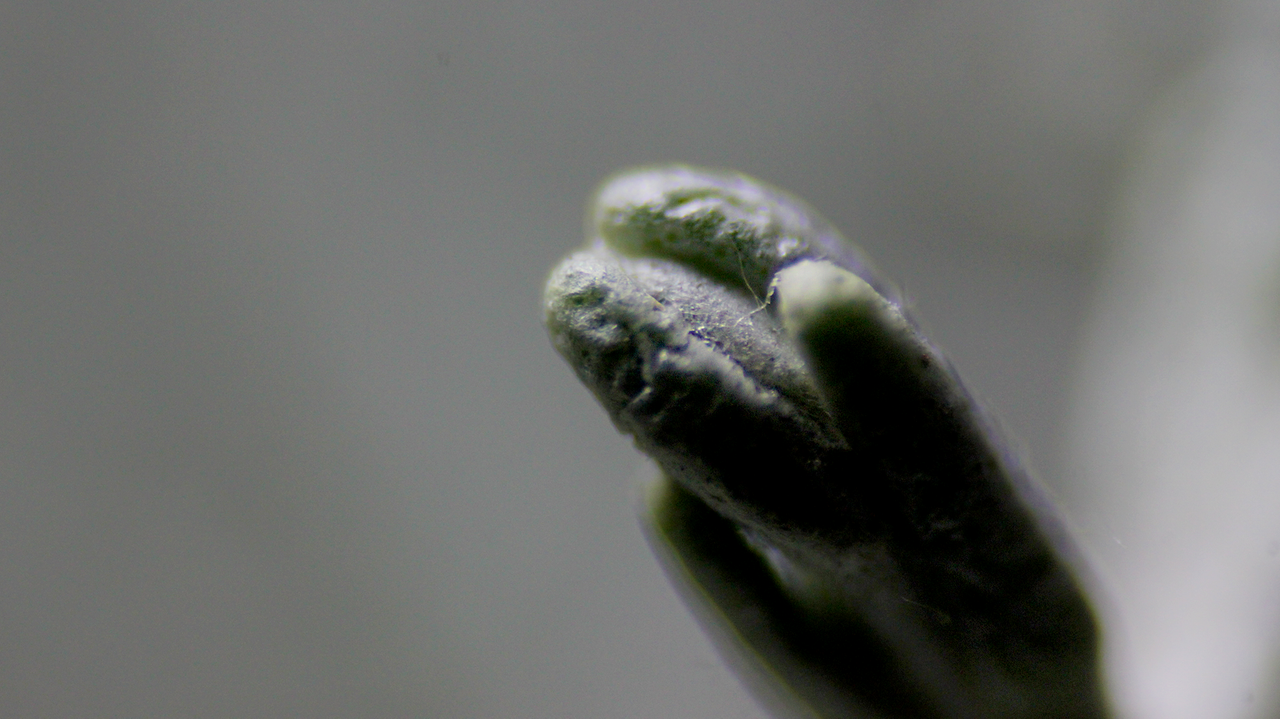
These photos weren't taken with a tripod.
That´s all for today :)






