
Unveiling the Secrets of Sleep: The Evolutionary Purpose Behind It
Have you ever wondered why we spend a third of our life sleeping? Sleep may seem like mere rest, but it has a more profound purpose. Today, we will explore the secrets of sleep and its evolutionary importance. Sleep's role extends beyond mere rest; it's crucial for our overall health and well-being. In our journey into the world of sleep, we'll reveal its hidden functions.
1. Evolutionary Pressure to Evolve Sleep
Sleep is a universal behavior in humans and animals. We will discuss the evolutionary forces that led to the development of sleep and its purposes.
Increase in survival chances
Sleep enhances survival by allowing organisms to conserve energy and avoid risks. Animals in the wild face predators, scarce resources, and environmental dangers. Sleeping reduces their exposure to these threats and improves their chances of survival.

Memory consolidation and learning
Sleep is crucial for memory consolidation and learning. It allows the brain to process and incorporate new information, strengthening neural connections and aiding memory retention. Studies indicate that lack of sleep negatively affects cognitive functions and the learning of new information.
Restoration and tissue repair
During sleep, the body undertakes growth, cell repair, and immune system strengthening, which are essential for maintaining health and well-being.
Hormonal regulation
Hormonal balance is also a significant sleep function. Various sleep stages impact hormone levels, with growth hormone, which is critical for tissue repair and growth, peaking during deep sleep. Sleep regulates cortisol, which controls stress.
Circadian rhythm regulation
Sleep's evolution is intertwined with circadian rhythm control, the internal clock that dictates our sleep-wake cycle and aligns our rest and activity with the day-night cycle, enhancing energy efficiency and physiological functioning.
Overall, evolutionary pressure has shaped sleep to support survival, learning, restoration, tissue repair, hormonal balance, and circadian rhythms.

2. Vulnerability While Sleeping.
The study of sleep evolution addresses the question of why organisms remain in a state of vulnerability during sleep. The exploration of sleep's purpose reveals a vital link between rest and survival.
The Biological Paradox
Sleep compromises an organism's alertness and response to threats, which appears counterintuitive for survival. This paradox prompts an examination of the evolutionary advantages and the biological mechanisms of sleep.
Restoration and Replenishment.
Sleep's primary function is believed to be bodily restoration and energy replenishment. As organisms experience wear and depletion of resources throughout the day, sleep facilitates tissue repair and memory consolidation, contributing to well-being.
Adaptations for Safety.
Despite its inherent risks, organisms have evolved safety mechanisms. For instance, birds and dolphins sleep with one brain hemisphere at a time, allowing them to stay aware of threats.
The Power of Group Sleep.
Group sleeping is a tactic used by some social animals to enhance survival, where some remain vigilant to watch for danger while others rest, thereby improving the group's defense system.
Hidden from Predators.
Species employ various strategies to decrease vulnerability during sleep, like burrowing underground or using natural camouflage. These adaptations help protect them from predators and maintain stable conditions for rest.

3. Physiology of Sleep.
Sleep is a complex physiological process controlled by sleep-wake homeostasis and the circadian rhythm, which together determine sleep's timing, duration, and quality.
Sleep Stages:
A sleep cycle includes several stages marked by specific brain waves and physical states.
a) Non-Rapid Eye Movement (NREM) Sleep:
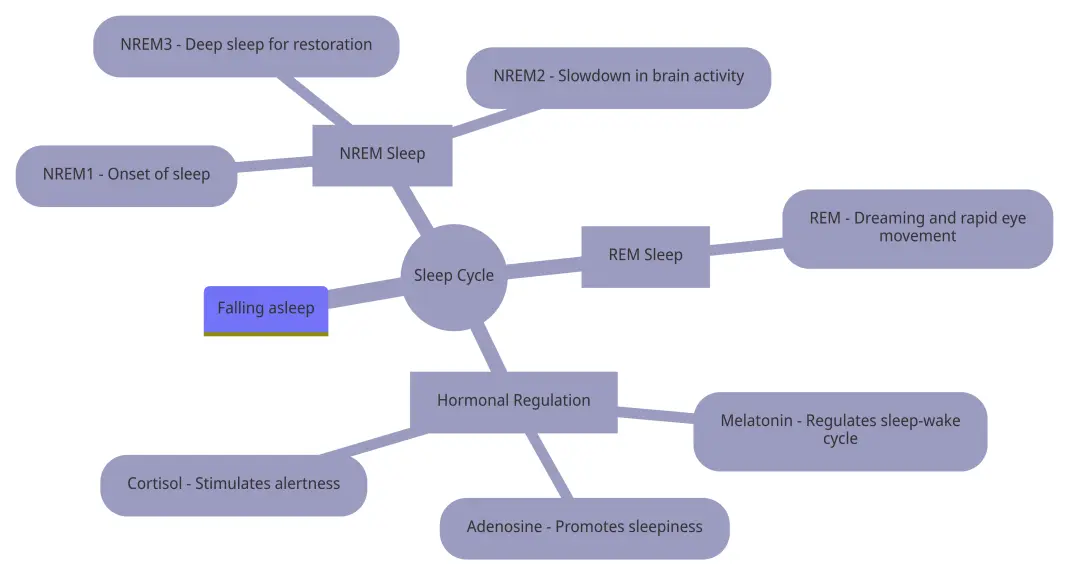
This phase transitions from light to deep sleep and is divided into three stages: NREM1 (the onset of sleep), NREM2 (marked by a slowdown in brain activity), and NREM3 (deep sleep vital for restoration).
b) Rapid Eye Movement (REM) Sleep:
During REM sleep, dreaming occurs, and eyes move rapidly. This stage is crucial for memory consolidation and emotional processing.
Hormonal Regulation:
Hormones like melatonin, adenosine, and cortisol play significant roles in the sleep-wake cycle.
a) Melatonin:
Secreted by the pineal gland, melatonin helps align our sleep-wake cycle with night and day, increasing in the evening to induce sleep and falling in the morning to assist wakefulness.
b) Adenosine:
Accumulating during wakefulness, adenosine promotes sleepiness and its decrease during sleep aids in feeling refreshed.
c) Cortisol:
Cortisol, which stimulates alertness, peaks in the morning to help with waking and diminishes throughout the day.
Body Temperature Regulation:
A drop in body temperature during the night aids in initiating sleep, with the lowest temperature occurring in the early morning.
💡 Key Takeaway: Sleep involves coordinated interactions between various body systems, involving stages of sleep, hormonal shifts, and changes in body temperature.
4. Molecular Biology of Sleep.
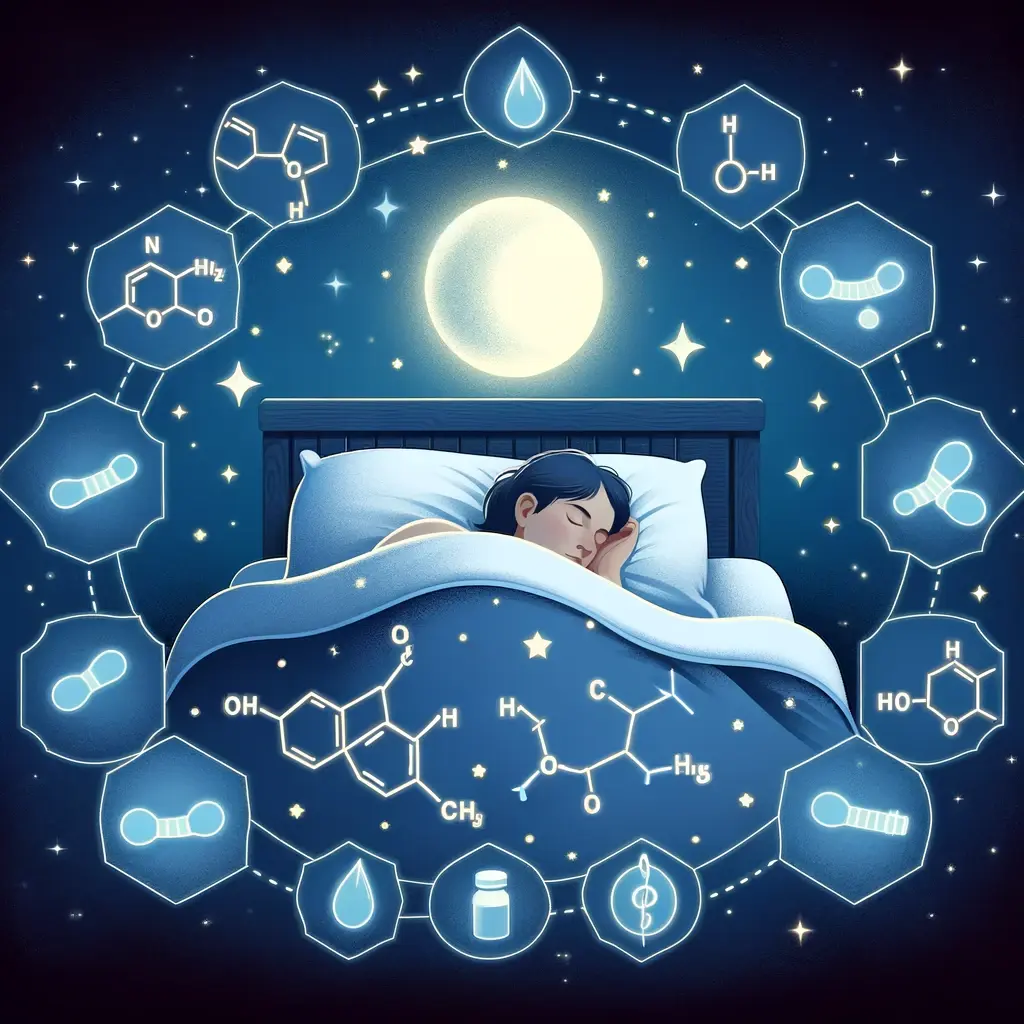
Understanding the molecular biology of sleep is essential for appreciating its evolutionary role. Sleep is an intricate interaction of molecular processes that manage physiological functions. We will delve into the molecular aspects of sleep.
The Role of Hormones:
Melatonin, generated by the pineal gland, is crucial for the sleep-wake cycle, increasing at night to induce sleep and decreasing towards morning to aid awakening.
Adenosine accumulates during the day as a cellular metabolic byproduct, promoting sleep by suppressing neurons that keep us awake. Its levels fall during sleep, contributing to a restful wake.
Sleep and Gene Expression:
Gene activity during sleep supports vital functions. Research shows that sleep activates genes linked to cell repair, immune function, and memory, while suppressing those associated with stress and inflammation.
NREM and REM Sleep:
Sleep consists of NREM for physical recovery, involving slow brain waves, tissue repair, memory consolidation, and growth hormone release. REM sleep features active brain patterns and eye movements, associated with dreaming, learning, and creativity.
Sleep Deprivation and Molecular Consequences:
Continual sleep loss interferes with these molecular processes, elevating cortisol levels and negatively affecting gene expression, which can lead to health issues such as heart disease, obesity, and cognitive decline.
In summary, sleep's molecular framework includes hormone interactions, gene expression modulation, and distinct sleep phases, underscoring its evolutionary importance and health significance.
5. Hormonal Changes in the Body During Sleep.
Sleep entails complex processes that include hormonal fluctuations vital for regulating bodily functions. Here's an insight into how sleep affects hormones:
Melatonin:
Melatonin, produced by the pineal gland, controls the sleep-wake cycle or circadian rhythm. Light exposure dictates melatonin levels, which increase in darkness to promote sleep and decrease with light to encourage alertness.
Growth Hormone (GH):
GH is released during sleep, fostering tissue growth, repair, and regeneration. It's critical for muscle and bone development and physical growth, with deep sleep stages being crucial for its optimal release.
Adrenal Hormones:
Among the hormones secreted by the adrenal glands is cortisol. It peaks in the morning, aiding wakefulness, and diminishes at night to help initiate sleep. Stress can disrupt cortisol's natural pattern, affecting sleep.
Insulin:
Insulin from the pancreas regulates blood sugar levels. Sleep enhances insulin sensitivity, thus the body can use insulin more efficiently to stabilize blood sugar, important for those with diabetes or metabolic issues.
Overall, sleep influences various hormonal processes, including those involving melatonin, growth hormone, cortisol, and insulin.

6. Sleep Disorders and Hormonal Imbalances.
Sleep disorders affect hormonal balance and disrupt sleep architecture, impacting the timing and regulation of hormone release. The relationship between sleep disorders and hormonal imbalances is crucial for effective treatment.
Insomnia and Cortisol Imbalance:
Insomnia can lead to an imbalance in cortisol, the hormone that influences sleep. Elevated cortisol levels during bedtime can contribute to sleep difficulties in individuals with insomnia.
Sleep Apnea and Leptin Resistance:
Sleep apnea interferes with hormone regulation, such as leptin, which controls appetite. People with sleep apnea may develop leptin resistance, leading to increased appetite and weight gain, which can worsen their condition.
Restless Legs Syndrome and Iron Deficiency:
Restless Legs Syndrome (RLS) is a neurological disorder characterized by a compelling need to move the legs during rest. Iron deficiency has been linked to RLS, and its treatment can alleviate symptoms, highlighting the importance of iron for sleep health and hormonal equilibrium.
Narcolepsy and Orexin Dysfunction:
Narcolepsy involves a deficiency in orexin, a hormone that maintains alertness. Insufficient orexin causes intense daytime sleepiness and disrupts the sleep-wake cycle in affected individuals, leading to fragmented sleep.
Hormonal Imbalances and Circadian Rhythm Disorders:
Disruptions in hormones like melatonin can lead to circadian rhythm disorders, where the sleep-wake cycle does not align with environmental light-dark cycles, affecting sleep quality and timing.
7. Achieving a Good Night's Sleep.
Setting the Stage for Sleep.
A good night's sleep is crucial for health and well-being, but issues like insomnia are common. To combat these, understanding sleep's evolutionary role is important.
The Evolutionary Pressure for Sleep
The Restoration Hypothesis.
Sleep is essential for bodily and mental restoration. It repairs cellular damage, boosts immune function, and replenishes energy, with processes like muscle repair and growth hormone release occurring during this time.
The Energy Conservation Theory.
Sleep has evolved as a means to save energy. It lowers metabolic rates during rest, conserving energy for critical functions, which was vital in environments where energy was scarce.
The Role of Circadian Rhythm.
Our internal biological clock, the circadian rhythm, regulates our sleep-wake cycle, influenced by the light-dark cycle, ensuring our sleep patterns are well-adjusted to environmental conditions.
Hormonal Regulation during Sleep.
Hormones such as melatonin initiate sleep, while cortisol, peaking in the morning, promotes wakefulness and decreases by evening to aid in sleep readiness.
Establishing a Sleep Routine.
Adhering to a consistent sleep schedule can enhance sleep quality by regulating the circadian rhythm.
Optimizing the Sleep Environment.
A conducive sleep environment, characterized by a comfortable mattress and pillow, controlled noise and light levels, and a calm atmosphere, is key for quality sleep.
8. Impact of External Factors on Sleep.
Understanding the influence of external factors is critical for improving sleep quality and health.
Light Exposure:
Natural light synchronizes the circadian rhythm, aiding alertness. Conversely, artificial blue light from screens can suppress melatonin production, delaying sleep onset.
Noise Pollution:
Loud noise can cause wakefulness, interrupted sleep, and potentially insomnia. White noise machines or earplugs can help mitigate this disruption and promote a peaceful sleep environment.
Temperature and Sleep Environment:
The right room temperature, maintained at 60 to 67 degrees Fahrenheit (15 to 19 degrees Celsius), is essential for sleep. A cool, well-ventilated space with comfortable bedding supports better rest.
Lifestyle Factors:
Caffeine and nicotine are stimulants that can impair sleep quality. Exercise can foster better sleep, but should be avoided close to bedtime to prevent delayed sleep.
Stress and Mental Health:
Stress and mental health issues can adversely affect sleep. Managing stress through relaxation techniques or professional assistance can be beneficial for sleep.
Sleep Hygiene:
Good sleep hygiene, including a regular sleep schedule, a soothing pre-sleep routine, and avoiding screen time before bed, is important for optimal sleep.
Factors such as light, noise, bedroom temperature, lifestyle habits, and stress levels play significant roles in sleep quality and duration.

9. Sleep and Health.
Sleep is vital for overall health and well-being, with extensive research highlighting its connection to physical and mental health. Adequate sleep supports the immune system by producing cytokines that fight off infections and diseases. Chronic sleep deprivation increases the risk of cardiovascular disease, diabetes, and cancer.
Mental Health:
Poor sleep is linked to mental health issues such as depression and anxiety. It disrupts the balance of brain chemicals, affecting mood, cognition, and emotion, leading to problems with concentration and decision-making.
Hormonal Regulation:
Sleep deprivation disrupts hormones that regulate appetite and metabolism, increasing the hunger hormone ghrelin and decreasing leptin, which signals fullness, contributing to weight gain and metabolic issues.
Cognitive Function:
Sleep consolidates memory and aids in learning. The brain processes daily information during sleep, improving memory retention and recall. Lack of sleep impairs these cognitive functions, affecting creativity and problem-solving abilities.
Physical Performance:
Athletic and physical performance depends on restorative sleep for tissue repair, muscle growth, and recovery. Sleep deprivation hinders these processes, negatively affecting performance and injury recovery.
Key Takeaway: Sleep is integral to immune function, mental health, hormone regulation, cognitive abilities, and physical performance. It's a foundational element of health.
Sleep and Cognitive Function.
Understanding how sleep affects cognitive function is critical. Adequate sleep allows for memory consolidation, where the hippocampus plays a key role. It also aids in maintaining focus, solving problems, and fostering creativity by integrating and processing information during REM sleep. Emotional regulation is also impacted by sleep, which supports learning and the acquisition of new skills.
Conclusion:
Sleep's importance is underscored by its evolutionary role in health and survival. It conserves energy, supports tissue repair, and regulates crucial hormones, enhancing brain and body functions. Remembering the evolutionary significance of sleep can give us a deeper appreciation for its necessity in our lives.





