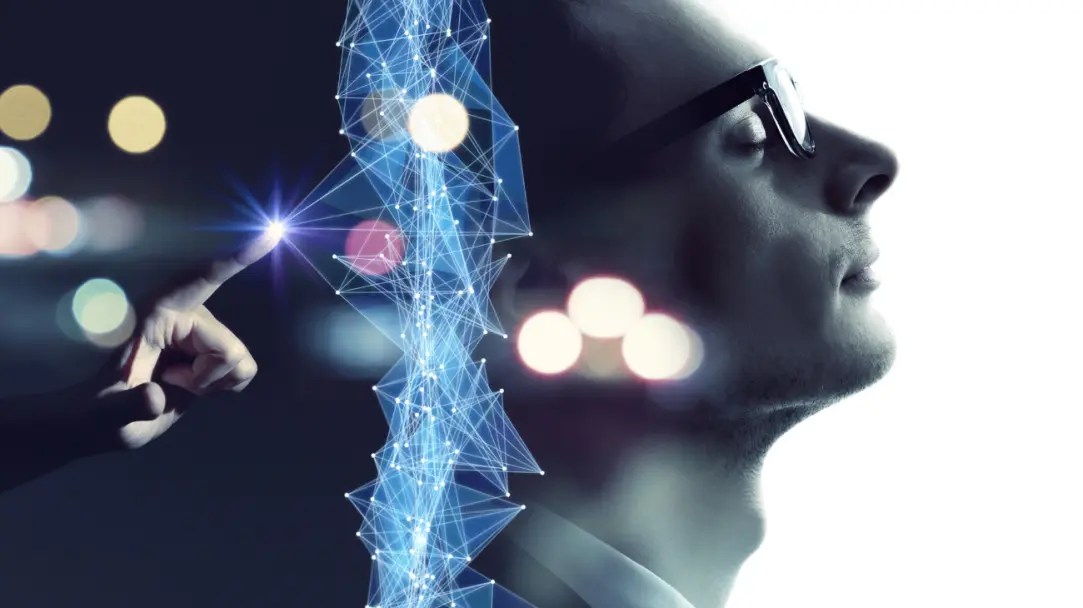
Artificial intelligence (AI) has been making waves in various industries for years, but it has also made a significant impact on the world of digital art. With the ability to generate unique and complex visual and auditory content, AI has the potential to revolutionize the creative process for artists working in the digital medium.
But what exactly is AI, and how is it being used in the world of digital art? AI is a broad term that refers to the development of computer systems that are able to perform tasks that would normally require human intelligence, such as learning, problem-solving, and decision-making. In the realm of digital art, AI is being used in a variety of ways, including the creation of original artwork, the manipulation of existing artwork, and the generation of music and sound effects.
One of the most exciting ways that AI is being used in digital art is through the creation of original artwork. Using machine learning algorithms, AI systems are able to generate unique and complex visual content based on a set of parameters or a "seed" image. This allows artists to explore new creative possibilities and generate entirely new works that would not have been possible without the use of AI.
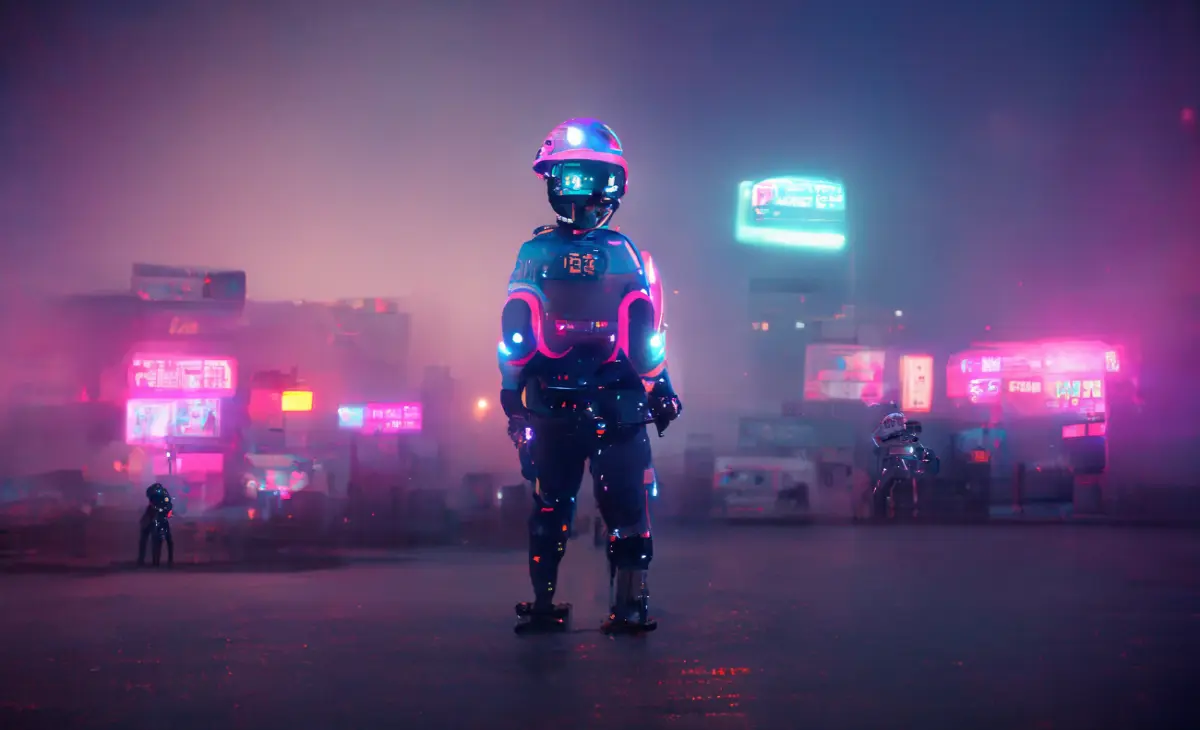
AI is also being used to manipulate existing artwork in a variety of ways. For example, artists can use AI to transform a photograph into a painting or to add elements to an image that were not originally present. AI can also be used to generate unique variations of an existing artwork, allowing artists to explore different creative possibilities and find new inspiration.
In addition to visual art, AI is also being used to generate unique and complex music and sound effects. By analyzing and learning from existing audio samples, AI systems are able to generate entirely new compositions and sound effects that can be used in a variety of creative projects.
Despite the many exciting possibilities that AI offers for digital art, it is important to recognize that it is only one tool among many in the artist's toolkit. While AI can certainly enhance and augment the creative process, it is ultimately up to the artist to use it in a way that is meaningful and authentic to their vision.
Overall, the intersection of AI and digital art is an exciting and constantly evolving area of exploration. As AI technology continues to advance, it will be interesting to see how it will continue to shape and influence the world of digital art. Whether you are an artist working in the digital medium or simply someone who appreciates the creative possibilities of AI, there is no doubt that this technology is revolutionizing the way we think about art and creativity.
Below, I'm sharing a YouTube link where is recommended the best platforms and apps for creating artistic content using artificial intelligence. Check it out to find out more about how AI can enhance your artistic process.
-
A case study of an artist who has successfully integrated AI into their creative process, including the challenges and benefits they have experienced.
-
An overview of the different types of AI tools and technologies that are available for digital artists, including software programs, mobile apps, and online platforms.
-
A discussion of the ethical considerations surrounding the use of AI in art, including issues of authorship, originality, and authenticity.
-
A tutorial or step-by-step guide for artists who are interested in using AI but are not sure where to start.
-
A round-up of some of the most interesting and innovative examples of AI-generated art, highlighting the range of creative possibilities that this technology offers.
-
An in-depth analysis of the ways in which AI is changing the art world, including the impact on the role of the artist and the potential for AI to democratize the creative process.
-
A look at the future of AI in digital art, including predictions about the direction that this technology is headed and the potential for even greater creative possibilities in the years ahead.






