
In the semi-annual Treasury Department report that examines currency practices of trading partners, the United States of America has designated Switzerland and Vietnam "currency manipulators", accusing the nations of intervening to limit the rise of their currencies against the US dollar. The report accuses Vietnam of trying to keep cost of exports low while Switzerland's designation is partly due to its response to the Covid-19 coronavirus pandemic-related financial challenges.
The report said that Switzerland's trade surplus with the US surged partly due to a rush of gold exports in the first two quarters of 2020 when investors purchased what is considered to be a more stable asset amid the pandemic. Swiss efforts to offset elevated demand for the Swiss franc also resulted in "significant" interventions in currency markets amounting to roughly 14% of the nation's economic output.

Switzerland has rejected the label, countering that "Foreign exchange market interventions are necessary in Switzerland's monetary policy to ensure appropriate monetary conditions and therefore price stability". In other words, Swiss reports indicate that preventing a spike in the value of the franc would mitigate damage to the nation's economy.

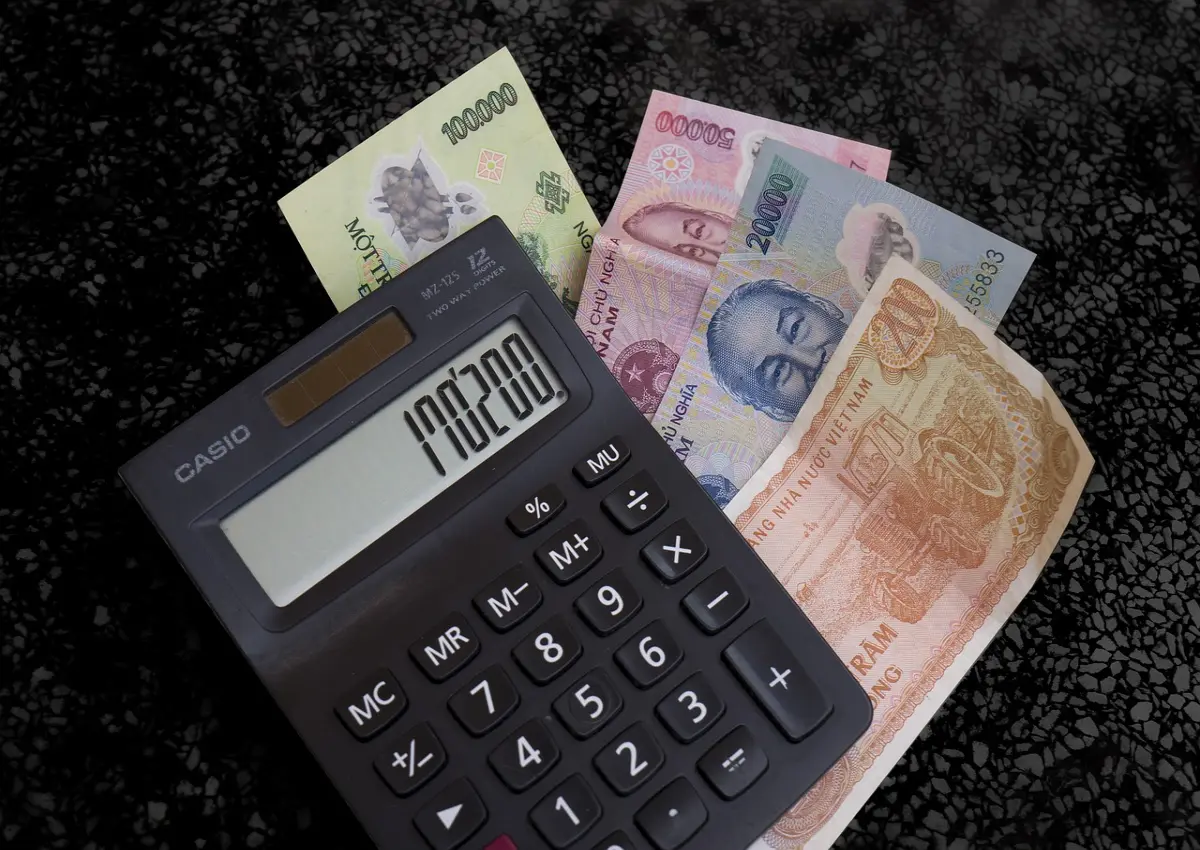
On the other hand, the report also accused Vietnam of increasing intervention in foreign currency markets over the past year, as limiting appreciation of the Vietnamese dong as trade volume with the US increases could result in "unfair competitive advantage in international trade". Vietnam has yet to comment or reject the accusation.

US Treasury Secretary Steven Mnuchins said that the treasury will follow up on the latest findings and urge Switzerland and Vietnam to change their practices. He also argues that their current practices that create "unfair advantages" threatened to hurt American businesses and workers. It is rare for the US to label other nations as currency manipulators, and it is still unclear how the Trump administration or the president-elect Biden administration will approach the situation.
Note: All images used in this article were retrieved from the public domain, and do not require attribution or citation for commercial purposes.






