
Days before leaving the White House, United States President Donald J. Trump's administration announced that the US has once again placed Cuba on the list of state sponsors of terrorism, citing Cuba's backing of Venezuelan leader Nicolas Maduro, who the US does not recognize. Cuba was originally removed from the list by former US President Barack Obama in 2015 in an effort to improve relations between the two nations. Analysts and political experts say that Cuba's placement on the list will require a formal review that could takes months, and that President-elect Joe Biden had previously stated that he wanted to further improve US-Cuba relations.
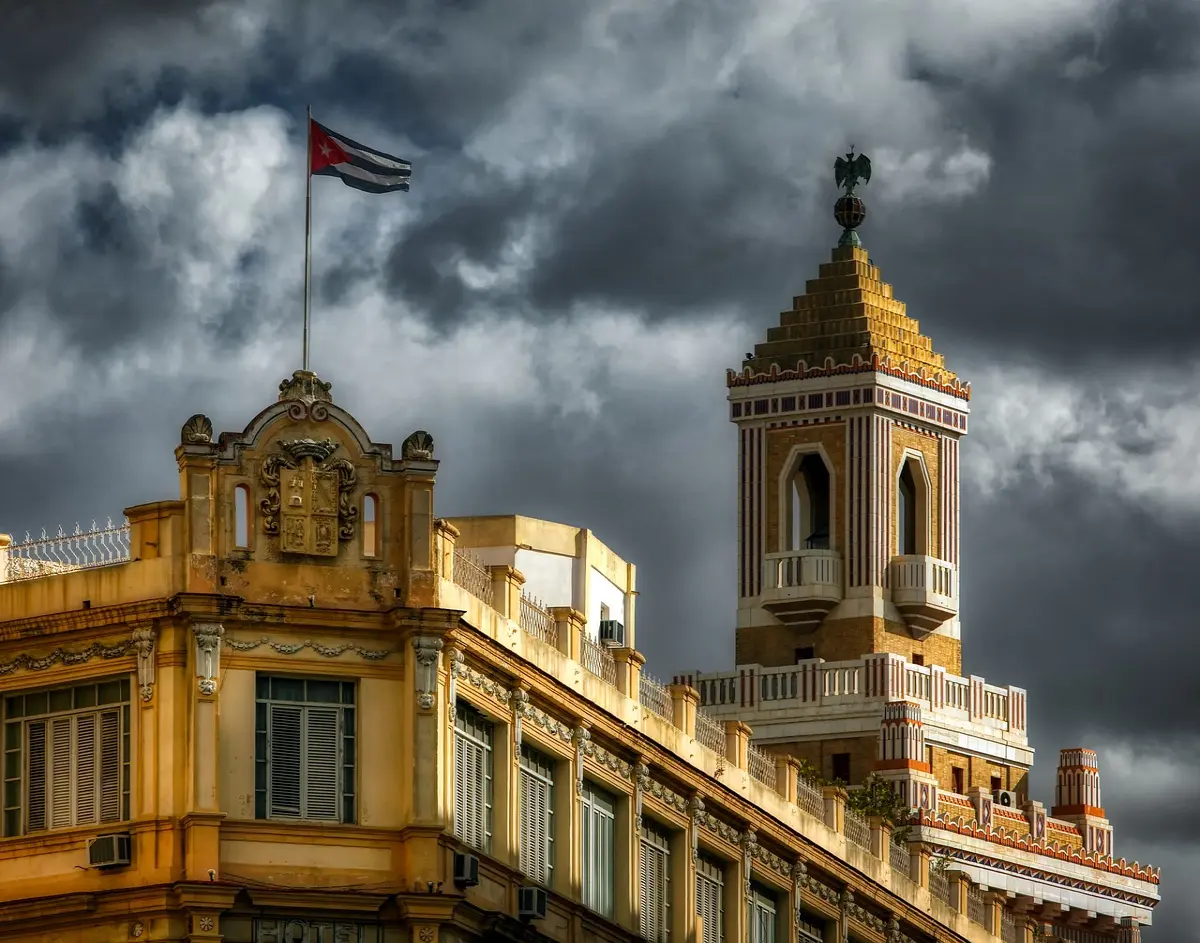
In response, Cuba called the move "political opportunism", with Cuban Foreign Affairs Minister Bruno Rodriguez condemning the "cynical and hypocritical qualification of Cuba as a state sponsor of terrorism". Should formal reviews approve of the designation, Cuba will join Iran, the Democratic People's Republic of Korea (North Korea), and Syria on the list of sponsors of terrorism, which could limit Cuba's foreign investment opportunities, result in prohibition of foreign aid, and affect trade and tourism.
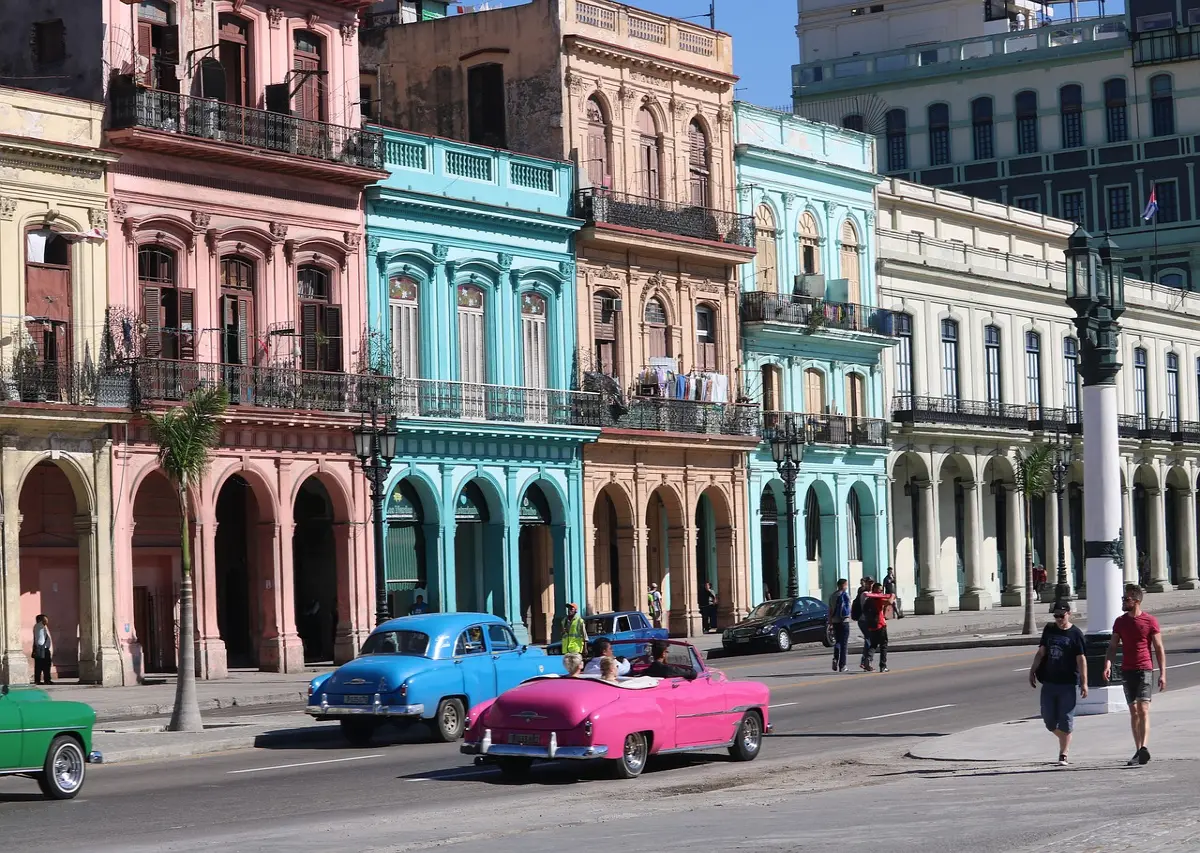
House Democrat Gregory Meeks called the designation of Cuba on the list of state sponsors of terrorism is "another stunt by President Trump and Pompeo" in an attempt to "tie the hands of the incoming Biden administration". However, Secretary of State Mike Pompeo claims that the Cuban government "fed, housed, and provided medical care for murderers, bombmakers, and hijackers" while harboring "several US fugitives from justice", though the administration failed to provide any concrete evidence that Cuba has sponsored acts of terror.
Note: All images were retrieved from the public domain, and can be used for commercial purposes without citation or attribution.






